Many gardeners look for plants that deliver consistent color without demanding constant attention. Spiderwort fits that description perfectly. This resilient perennial produces delicate three-petaled flowers in shades of blue, pink, purple, and white, often blooming from late spring through summer. While each individual blossom lasts only a single day, the plant produces so many buds that the display remains vibrant for weeks or even months. Understanding the nuances of growing spiderwort can mean the difference between a patch that merely survives and one that truly thrives.
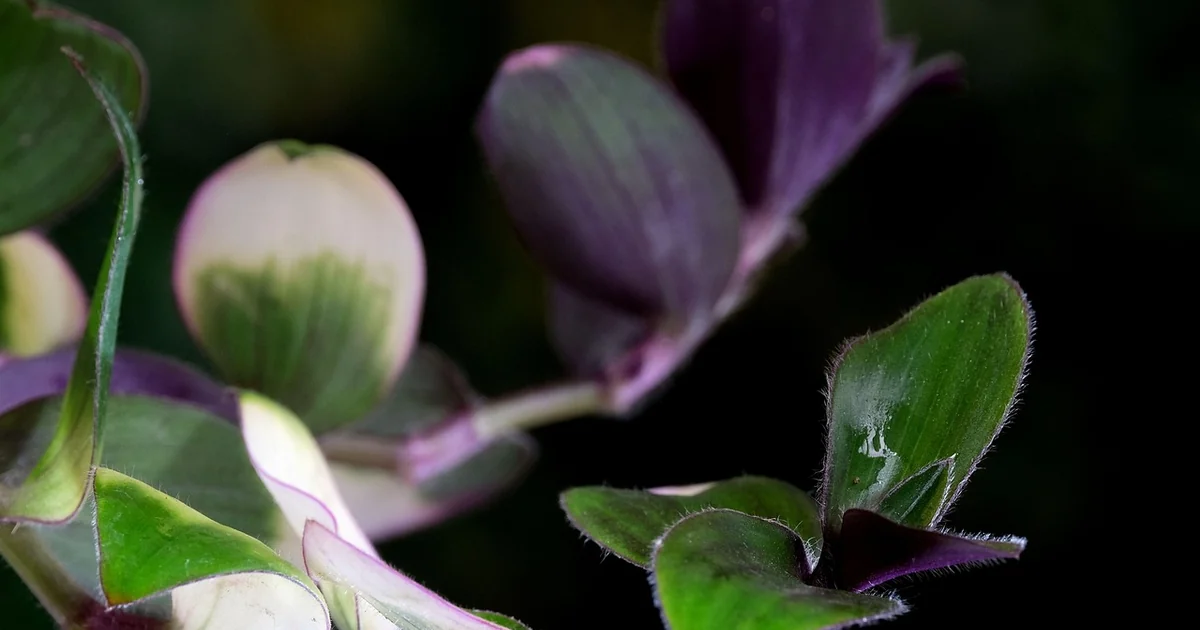
Understanding Spiderwort Basics
Spiderwort belongs to the genus Tradescantia, named after the seventeenth-century English naturalists John Tradescant the elder and younger. These plants come in both tropical and perennial varieties, giving gardeners flexibility depending on their climate and design goals. Perennial spiderworts are hardy in Zones 4 through 11, which covers a remarkable range of growing conditions across North America.
The plant grows in low, spreading clumps that typically reach between 6 and 36 inches tall. Its spread can range from 8 to 36 inches wide. The foliage presents in two main color families: blue-green tones or chartreuse-gold shades. This variety in leaf color adds visual interest even when the plant is not in bloom.
One little-known fact about spiderwort is that its flowers literally melt in the heat. The petals transform into a jelly-like substance by midday on hot afternoons. This natural phenomenon, called “flower melting,” explains why the blooms look best in the morning hours. The plant uses this process to conserve energy and resources, allowing it to keep producing new flowers for up to three months straight.
Where to Plant Spiderwort for Best Results
Location matters more than most gardeners realize when it comes to growing spiderwort. The plant adapts to various light conditions, but the amount of sunlight directly influences bloom quality. More sun generally leads to more flowers, though the plant appreciates some relief from intense afternoon rays in hotter regions.
Spiderwort performs well in partial shade or full sun, and some species even tolerate full shade. In shadier spots, expect fewer blooms but potentially lusher foliage. The key is matching the variety to your specific garden conditions.
Because spiderwort grows in low, mounded clumps, it works beautifully along walkways or garden edges. The soft texture of the foliage creates a natural border that softens hardscape lines. Its tolerance for moisture makes it an excellent candidate for rain gardens, woodland areas, or spots near ponds. A study from the University of Florida Extension notes that spiderwort can handle periodic flooding better than many common perennials, making it a smart choice for low-lying areas that collect water after storms.
Spiderwort also serves as an effective groundcover. Its spreading habit helps suppress weeds while adding color. The plant is deer resistant, which is a significant advantage for gardeners in rural or suburban areas where deer browsing can decimate flower beds. About 37% of American gardeners report deer damage in their landscapes each year, according to a 2022 survey by the National Gardening Association. Spiderwort offers a reliable solution for these frustrated growers.
When and How to Plant Spiderwort
Spring is the ideal time for planting spiderwort. The soil has warmed sufficiently, and the plant has the entire growing season to establish its root system. Start by digging a hole roughly the same width and depth as the container the plant came in. Gently remove the plant and loosen any roots that have circled the root ball. Place the plant in the hole, backfill with soil, tamp lightly, and water thoroughly.
Space each spiderwort about one foot apart. This spacing allows the clumps to fill in over time without becoming overcrowded. Crowded plants compete for nutrients and moisture, which can reduce blooming and increase susceptibility to disease.
Before purchasing any new plant, take time to assess your specific environment. Check your USDA hardiness zone, evaluate your soil type, and note the amount of sunlight your chosen spot receives. Not every plant thrives in every location, and matching the plant to its conditions prevents disappointment later. Spiderwort’s wide hardiness range makes it forgiving, but even this adaptable plant has limits.
Essential Spiderwort Care Tips
Spiderwort earns its reputation as a low-maintenance plant, but a few targeted care practices can dramatically improve its performance. These tips focus on the areas that matter most: light, water, soil, and pruning.
Light Requirements
Spiderwort performs well in various light conditions, but more sunlight typically leads to better blooms. In northern zones, full sun works wonderfully. In southern regions where summers are intense, afternoon shade prevents the flowers from melting too quickly and keeps the foliage looking fresh.
If your spiderwort receives too little light, you may notice leggy growth and fewer flowers. The stems stretch toward the light source, giving the plant a sparse appearance. Moving it to a brighter location usually corrects this within a few weeks.
Soil and Water Needs
Most spiderworts thrive in humusy, well-drained soil that is slightly acidic and remains somewhat moist. The ideal pH range falls between 5.5 and 6.5. If your soil is heavy clay, amend it with organic matter such as compost or aged manure before planting. This improves drainage while retaining the moisture spiderwort craves.
Some species tolerate drought better than others, but consistent moisture produces the best results. In rainy climates, additional watering is unnecessary. During dry spells, water your spiderworts weekly. A deep watering that reaches the root zone is more effective than frequent shallow sprinklings.
One common mistake gardeners make is letting the soil dry out completely between waterings. Spiderwort evolved in moist woodland environments. When the soil becomes bone dry, the plant may enter a dormant state, especially in hot southern regions. The foliage turns brown and dies back. This looks alarming, but it is a survival mechanism. In fall, as temperatures cool and rain returns, many spiderwort species re-emerge, producing new shoots and blooms.
Temperature and Humidity Preferences
Spiderwort handles a wide temperature range, thanks to its adaptability across Zones 4 through 11. It tolerates winter cold in northern zones and summer heat in southern ones. The plant does have limits, however. Extended periods of temperatures above 90°F combined with low humidity can stress the plant.
These plants thrive in humid conditions but do not require extra moisture, even in dry climates. Average garden humidity is sufficient. If you live in an arid region, a layer of mulch around the base helps retain soil moisture and keeps the roots cool.
Fertilizing Spiderwort the Right Way
If your soil is already fertile, additional feeding is unnecessary. Spiderwort is not a heavy feeder. Over-fertilizing can actually reduce flowering by encouraging excessive leaf growth at the expense of blooms.
During spring and summer, when spiderwort is actively growing, you can apply a quarter-strength complete liquid fertilizer monthly. A balanced formula such as 10-10-10 works well. Dilute it to one-quarter of the recommended strength to avoid burning the roots.
Adding compost to the soil throughout the growing season provides a gentler alternative to synthetic fertilizers. A one-inch layer of compost applied in spring and again in midsummer supplies nutrients slowly as the organic matter breaks down. This approach supports healthy growth without the risk of overfeeding.
Pruning for More Blooms and Tidy Growth
After blooming, spiderwort can appear untidy. The foliage tends to yellow and become limp, especially in hot weather. When this occurs, cut the plants back to the ground. This may seem drastic, but spiderwort responds well to hard pruning.
To maintain a neat appearance and promote more blooms, perform midseason pruning. Trim the plant to 8 to 12 inches high and remove any faded leaves. This stimulates new growth and often triggers a second flush of flowers. Midseason pruning also helps prevent self-sowing, which can lead to spiderwort spreading beyond its intended area.
Some gardeners hesitate to cut back their spiderwort, fearing they will harm the plant. In reality, spiderwort benefits from regular trimming. The plant evolved in environments where grazing animals and seasonal fires would naturally prune it back. A pair of clean garden shears is all you need.
Common Pests and Problems
Though spiderworts are easy to care for, they can face a few challenges. Leaf spot is the most common issue. This fungal disease causes brown or black spots on the foliage, which can lead to premature leaf drop. Fortunately, leaf spot rarely kills the plant. Simply remove the affected foliage, and the next growth should be healthy. Improving air circulation around the plant by thinning nearby vegetation can prevent recurrence.
As native wildflowers, spiderworts typically encounter few pest issues. Aphids may occasionally appear, but they rarely cause significant damage. A strong spray of water from the garden hose usually dislodges them. Spider mites can become a problem in hot, dry conditions, but regular watering and occasional misting keep them at bay.
One problem that surprises new spiderwort growers is the plant’s tendency to flop. After heavy rain or wind, the stems may lean or fall over. This is normal. Cutting the plant back by about one-third after the first flush of blooms encourages sturdier, more compact growth.
How to Propagate Spiderwort
Propagating spiderwort is straightforward and rewarding. Division is the most reliable method. In fall or early spring, dig up the entire plant. Use a sharp spade or garden knife to divide the clump into sections, each with several healthy roots and shoots. Replant the divisions immediately, spacing them one foot apart. Water them well and keep the soil moist for the first few weeks.
Spiderwort also propagates easily from stem cuttings. Take a 4 to 6 inch cutting from a healthy stem, remove the lower leaves, and place it in a glass of water. Roots will appear within one to two weeks. Once the roots are about an inch long, transplant the cutting into potting soil or directly into the garden.
Seed propagation is possible but less common. Spiderwort seeds require light to germinate, so press them into the soil surface without covering them. Keep the soil consistently moist until germination, which takes 10 to 14 days. Seed-grown plants may take a year or two to reach blooming size.
You may also enjoy reading: 5 Signs It’s the Right Time to Plant Sunflowers.
Spiderwort naturally self-seeds in the garden. If you allow the flowers to go to seed, you will likely find volunteer seedlings popping up nearby. These can be transplanted to new locations or shared with fellow gardeners.
Notable Spiderwort Varieties to Try
Choosing the right variety can make growing spiderwort even more rewarding. Different cultivars offer unique flower colors, foliage patterns, and growth habits. Here are four standout options.
‘Bilberry Ice’ Spiderwort
This variety produces white blooms with a lavender-purple center. The contrast between the white petals and dark center creates a striking effect in the garden. ‘Bilberry Ice’ flowers in early summer and reaches about 2 feet tall. It is hardy in Zones 4 through 9, making it suitable for most of the continental United States. This cultivar works well in mixed borders or as a specimen plant in containers.
‘Sweet Kate’ Spiderwort
‘Sweet Kate’ stands out for its bright yellow foliage. The chartreuse leaves provide a bold pop of color that lasts throughout the growing season. Purple flowers appear above the golden leaves, creating a dramatic color combination. This variety grows to about 15 inches tall, making it one of the more compact spiderwort options. It is suitable for Zones 4 through 8. Use ‘Sweet Kate’ as a groundcover or in containers where its unique foliage can be appreciated up close.
‘Innocence’ Spiderwort
For gardeners who prefer pure white flowers, ‘Innocence’ delivers. This cultivar produces clean white blooms that brighten shady spots in the garden. It reaches about 2 feet tall and spreads to a similar width. ‘Innocence’ is hardy in Zones 4 through 9. Its white flowers pair beautifully with blue or purple blooming perennials, creating a cool, calming color scheme.
White Spiderwort (Tradescantia x andersoniana)
White spiderwort features grassy leaves and bud clusters that open to reveal white, pink, or purple flowers. This hybrid group offers reliable performance across a wide range of conditions. The plants typically reach 18 to 24 inches tall and bloom from late spring through summer. White spiderwort works well in naturalized areas, where its informal habit blends seamlessly with other wildflowers.
Designing with Spiderwort in Your Garden
Spiderwort’s low, clumping habit makes it a versatile design element. Use it along the front of borders to create a soft edge. Its mounded form contrasts nicely with upright plants like irises or daylilies. The blue-green foliage of many varieties provides a neutral backdrop that lets brighter flowers shine.
In woodland gardens, spiderwort fills in gaps between ferns and hostas. Its tolerance for shade and moisture makes it a natural companion for these shade-loving plants. Near ponds or streams, spiderwort softens the transition from water to land. The plant’s spreading habit helps stabilize soil on slopes, reducing erosion.
Container gardeners should not overlook spiderwort. The plant performs well in pots, where its cascading habit spills over the edges. Use a high-quality potting mix and ensure the container has drainage holes. Container-grown spiderwort may need more frequent watering than plants in the ground, especially during hot weather.
Spiderwort also works in cutting gardens. The flowers last only a day after cutting, but the unique foliage adds texture to arrangements. For longer-lasting cut flowers, pick stems in the early morning when the buds are still closed. They will open indoors and last through the day.
Seasonal Care Calendar for Spiderwort
Understanding what spiderwort needs throughout the year helps ensure consistent performance. In spring, as new growth emerges, apply a thin layer of compost around the base of the plants. This provides nutrients for the coming growth spurt. Water regularly if spring rains are scarce.
During summer, focus on deadheading and midseason pruning. Remove spent flowers to encourage continued blooming. If the foliage looks tired, cut the plant back to 8 to 12 inches. New growth will appear within two to three weeks, often accompanied by a fresh round of flowers.
In fall, allow the plant to go dormant naturally. The foliage will yellow and die back. You can cut the dead stems to the ground or leave them in place for winter interest. The seed heads provide food for birds, and the dried stems offer shelter for beneficial insects.
Winter care is minimal in most zones. A light layer of mulch protects the roots in areas where temperatures drop below freezing. In Zones 4 through 6, apply 2 to 3 inches of mulch after the ground freezes. Remove the mulch in early spring before new growth begins.
Troubleshooting Common Growing Spiderwort Challenges
Even experienced gardeners encounter issues when growing spiderwort. Here are solutions to the most common problems.
Problem: Leaves turning yellow and dropping.
Solution: This is often normal after the main bloom period. Cut the plant back to encourage fresh growth. If yellowing occurs early in the season, check soil moisture. Both overwatering and underwatering can cause yellow leaves.
Problem: Few or no flowers.
Solution: Insufficient sunlight is the most common cause. Move the plant to a location that receives at least four hours of direct sun daily. Over-fertilizing with nitrogen can also reduce blooms. Switch to a low-nitrogen fertilizer or stop fertilizing altogether.
Problem: Plant spreading too aggressively.
Solution: Spiderwort self-seeds freely. Deadhead flowers before they go to seed to control spread. If the clumps have grown too large, divide them in spring or fall. Regular division keeps the plant in bounds and rejuvenates older clumps.
Problem: Floppy stems after rain.
Solution: This is normal for spiderwort. Midseason pruning to 8 to 12 inches encourages sturdier growth. Planting in groups also helps the stems support each other.
Spiderwort rewards gardeners who take the time to understand its rhythms. The plant’s brief daily blooms remind us to appreciate fleeting beauty. Its resilience through heat, drought, and poor soil demonstrates the value of plants adapted to their native environments. With the right care, spiderwort will grace your garden with reliable color year after year, asking little in return for its generous display.