Your front garden says hello before you do. It is the first physical impression visitors get, yet it remains one of the most overlooked spaces on the property. People spend weeks debating kitchen splashbacks and bathroom tiles, but the patch of ground between the street and the front door is often an afterthought. That is a missed opportunity because a few front garden ideas can turn a bland entrance into something that feels welcoming, deliberate, and full of personality without a massive budget.
Softening a Blank Wall – Front Garden Ideas That Climb
Climbing Vines That Quietly Transform a Harsh Façade
One of the most effective front garden ideas for small spaces is to look up. A bare wall, a plain fence, or an unremarkable stretch of brick does nothing for curb appeal. Climbing vines are an easy way to boost curb appeal, softening a harsh façade and adding color without eating up precious ground. The trick is to select a climber that matches the wall’s sun exposure and the style of the house. A sun‑baked south‑facing wall can take the heat‑loving star jasmine (Trachelospermum jasminoides) or a flamboyant trumpet vine like Campsis x tagliabuana ‘Madame Galen’. For a shadier spot, Boston ivy (Parthenocissus tricuspidata) turns glossy green in summer and fiery crimson in autumn, while Virginia creeper (Parthenocissus quinquefolia) brings deep burgundy tones as the nights draw in.
Paula McWaters, a UK‑based gardening writer, points out the cottage garden charm a climbing rose brings, calling it the ultimate favorite for pretty properties—and for disguising less‑than‑lovely architectural features. The sweet scent of Clematis armandii in early spring and the cascading blooms of wisteria (choose a native species like Wisteria frutescens if you are in the U.S.) add a sensory layer that makes the approach to your front door feel alive. The crimson glory vine (Vitis coignetiae) offers oversized leaves and a dramatic colour show, perfect if you want something more theatrical. All these climbing members of the front garden ideas family share one trait: they blur the hard line between building and planting, making the whole scene feel softer and more lived‑in.
What’s a Simple Way to Add Structure and Romance to a Path?
A Garden Arch That Beckons Visitors Forward
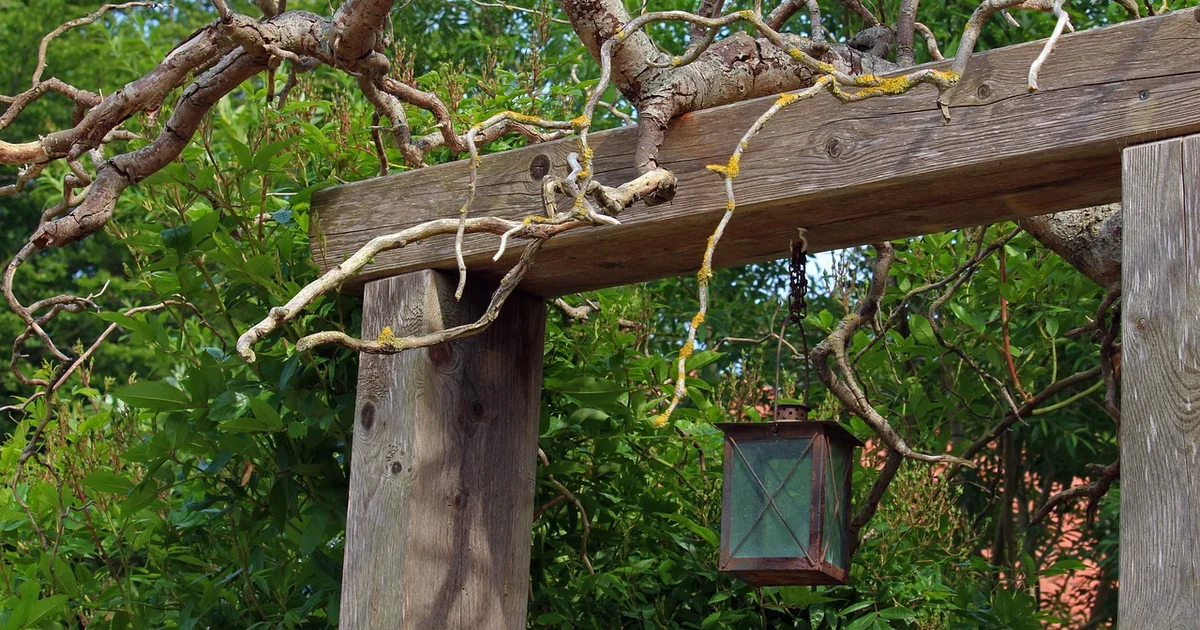
A garden arch placed over a pathway makes people feel drawn to pass under it. There is something almost magical about a vertical frame that marks the transition from public street to private sanctuary. This is one of those front garden ideas that works just as well in a narrow side return as it does in a generous front lawn. You can buy a ready‑made metal or wooden arch, set it into the ground, and plant a fast‑growing climber up each side. In a single season, the structure becomes part of the planting, rather than a separate piece of hardware.
If you prefer a living structure that changes with the seasons, train a hedging plant such as yew to form an evergreen arch. Deciduous beech or hornbeam adapts particularly well to being shaped, and even in winter their bare branches add strong sculptural lines. Paula McWaters notes that hornbeam can be repeated to create a tunnel effect, which turns a short front path into a memorable journey. The payoff is immediate: you walk toward your door feeling a sense of occasion, and every guest feels invited. That quiet romance is hard to achieve with any other single feature.
What’s the Easiest Way to Introduce Fragrance Near the Entrance?
Potted Herbs That Perfume the Front Door
Fragrance is one of the most underrated layers in a front garden. You want the first breath a visitor takes on your doorstep to carry something fresh, herbal, and welcoming. Potted herbs like oregano, mint, rosemary, thyme, and sage thrive in pots and add fragrance. The beauty of this approach is its flexibility—containers can be moved onto the sunny side of the path in spring and shifted into a sheltered corner when cold winds arrive. Lightweight rustic baskets lined with plastic (just puncture a few drainage holes) keep the look charming and cottage‑like without weighing anything down.
Place two matching containers on either side of the front door, or stagger a collection along the walkway. Brush against the rosemary as you rummage for your keys, and the scent will linger on your hands. When oregano begins to flower, tiny bees appear, adding life and movement. The payoff is subtle but powerful: a front garden that smells as good as it looks, achieved with plants that cost very little and ask only for sun and occasional watering. This is one of the front garden ideas that rewards you every single time you come home.
How Can an Old Piece of Furniture Become a Focal Point?
Repurposed Finds That Anchor the Garden
Sometimes the most memorable front garden ideas rely not on new purchases but on objects already gathering dust in the shed. An old painted table or a weathered dresser placed under a porch or veranda can become a year‑round plant theatre. The key is to treat the piece as a stage for seasonal displays. In winter, fill it with pots of cyclamen and cheerful pansies; in spring, swap those out for hellebores, primroses, and early bulbs forced into bloom. The furniture’s worn paint and chipped edges tell a story that a brand‑new stand never could, and the height it gives to your plants lifts them closer to eye level, where they can be properly appreciated.
This approach works especially well in a front garden that sits beneath a covered entryway, where rainfall is less of a concern, but an outdoor‑rated clear sealant can protect the wood if it sits fully exposed. Make sure the piece is stable and positioned so it does not block the natural flow of the path. The payoff is a front garden that feels curated rather than accidental, with a focal point that changes personality four times a year. Visitors will pause, smile, and probably ask where you found it.
What’s a Quick Refresh That Softens the Boundary?
Swapping an Iron Gate for a Softer Wooden Face
A gate is more than a security feature; it is the handshake of your front garden. Swapping an iron gate for a wooden fixture softens the overall look of a front garden instantly. Wrought iron, especially in dark colours, can read as severe, even forbidding. A timber gate, by contrast, introduces warm, organic texture right at the threshold. Greenwood designs—where the natural shape of the wood is left largely unchanged—create an original, almost sculptural effect that sits beautifully in a country garden or a modern cottage setting.
Durable timbers like sweet chestnut and oak are the most frequently used for this kind of project because they weather gracefully and resist rot without constant treatment. If you are on a budget, even a simple vertical slatted gate in pressure‑treated pine, stained a soft taupe or left to silver naturally, will change the mood of the entrance. The gate becomes a bridge between the street and the home, hinting at what lies beyond. This is one of those front garden ideas that takes a morning to execute and pays back for years.
You may also enjoy reading: How to Play Blackjack at Home: Rules, Strategy & Tips.
What Tree Offers Year‑Round Interest for a Front Garden?
The Crab Apple Tree That Delivers Four Seasons of Beauty
A crab apple tree offers year‑round interest with spring blossom, autumn fruit, and shifting foliage color. That makes it an exceptionally hardworking choice for a front garden. In April, the branches smother themselves in pink or white blossom, lacing the air with a faint sweet scent. By late summer, the fruit appears—tiny apples in shades of golden yellow, deep red, or blush pink, depending on the variety. They cling to the branches well into winter, feeding birds and catching low sunlight like stained glass.
Through the growing season, the leaves shift from fresh green to a burnished autumnal palette, and even the bare winter silhouette has an architectural quality. Plant one slightly off‑centre in a small front lawn, or use it as a specimen tree in a mulched bed near the house, making sure you leave enough space for the canopy to develop. The payoff is a living focal point that marks the passing months more faithfully than any ornament ever could. It also gives the front garden a sense of permanence that a row of seasonal tubs can never quite match.
How Do You Create a Cohesive Color Scheme for the Entrance?
A Limited Palette of Cool Grays and Natural Creams
Understated colors like cool grays and natural creams create a harmonious first impression. When every surface—the front door, the window frames, the fence, and even the container pots—cooperates around a restrained palette, the eye relaxes. There is nothing competing for attention. The plants themselves become the stars, their greens looking richer against a backdrop of pigeon‑gray rendering or a creamy off‑white gate. This is one of the front garden ideas that costs very little to implement yet alters the whole personality of the house.
Paint the front door in a sophisticated mid‑gray that picks up the tones of the gravel path or the stone step. Use natural cream for brickwork or boundary walls and extend that colour into the choice of pot materials—terracotta, pale concrete, or fiberstone. Clipped evergreens like boxwood spheres or cloud‑pruned Japanese holly sit beautifully against these muted backgrounds, as do sun‑bleached ornamental grasses and flowering perennials in soft lavender and white. The payoff is a front garden that feels intentional and calm, a destination rather than a pass‑through.
Frequently Asked Questions
How do I choose the right climbing plant for a shady front wall?
Start by observing how many hours of direct sun the wall gets, even in summer. For walls that receive fewer than four hours of sunlight, look at shade‑tolerant climbers like Boston ivy, Virginia creeper, or climbing hydrangea. If the wall is damp as well as shady, a hardy ivy can thrive. Clematis armandii needs at least a few hours of morning sun to flower well, so reserve it for a brighter, east‑facing position. Always improve the soil at the base with organic matter and water deeply during the first growing season.
What is the difference between a greenwood gate and a standard wooden gate?
Greenwood gate construction uses wood that retains much of its natural shape and surface texture—sometimes with the bark still present on edges—rather than being planed smooth into uniform boards. This creates an organic, rustic look that blends especially well with cottage gardens and naturalistic planting. Standard wooden gates are machined for straight lines and a polished finish. Greenwood gates often use cleft sweet chestnut or oak and are valued for their individuality, while standard gates offer a tidier, more uniform appearance at a lower price point.
Can a crab apple tree work in a very small front garden?
Yes, if you select a compact or columnar variety. Crab apples come in a wide range of mature sizes, from upright trees that reach only 3 to 4 metres tall and less than 2 metres wide, to broader, weeping forms. Look for cultivars such as Malus ‘Adirondack’ or Malus ‘Red Sentinel’, which stay narrow and well‑behaved. Plant it away from underground utilities and check the eventual spread on the nursery label. Even a very small front garden can accommodate one thoughtfully placed crab apple, giving you blossom, fruit, and autumn colour without overwhelming the space.