Your houseplants need less water in winter—but they still crave your attention. As daylight shrinks and indoor heating kicks on, the rules of plant parenting shift. Without adjusting your winter houseplant care routine, you risk turning a thriving green corner into a droopy disappointment. The good news? Most of the changes are intuitive and gentle. A little less water, a little more humidity, and a careful eye can keep your leafy friends happy until spring returns.
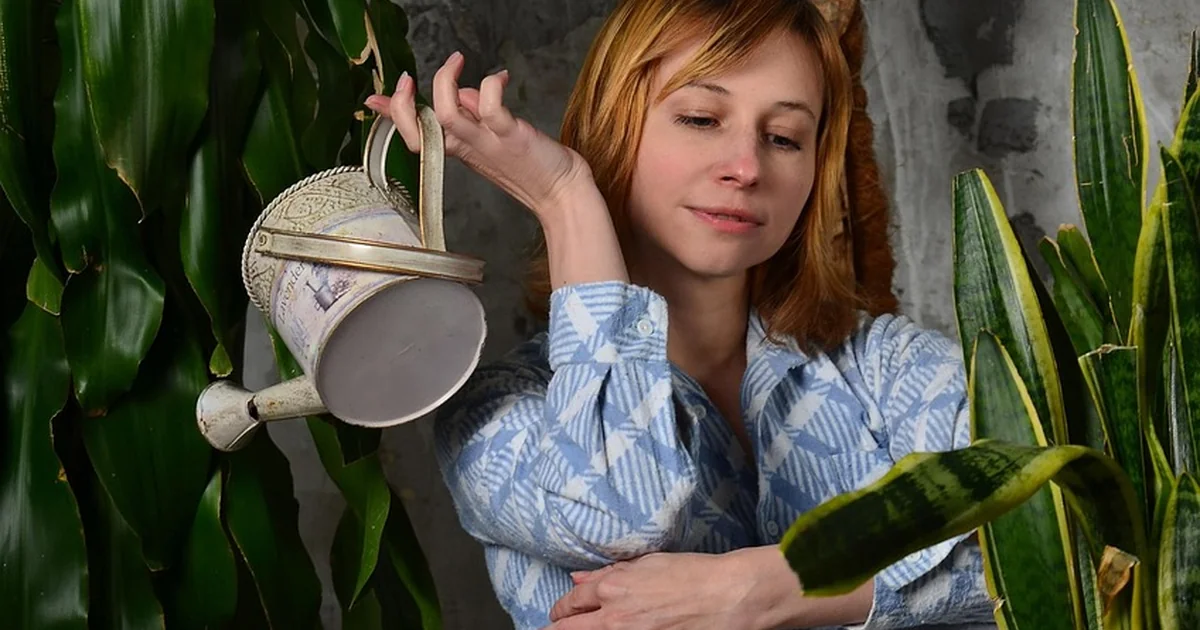
At this time of year, we experience less intense and fewer hours of sunlight. That simple seasonal shift triggers quiet, fascinating changes inside every pot on your windowsill. The following seven winter houseplant care tips will help you work with your plants’ natural rhythms, not against them.
1. Understand Why Houseplants Slow Down in Winter
For most indoor plants, the lack of daylight signals a special kind of dormancy called quiescence. During this period, plants conserve their energy and enter a resting phase. Growth slows considerably—nothing is wrong, the plant is simply waiting out leaner times. Leaves may look unchanged, but the internal engine has shifted into low gear.
This slowdown is a survival mechanism, not a problem. Your monstera isn’t depressed; it’s practicing quiet patience. Recognizing that rhythm is the foundation of sensible winter houseplant care.
What to Do When Leaves Drop (It’s Often Normal)
Some plants like alocasias and caladiums may even lose their leaves during this period. A bare stem in January can alarm anyone, but for these drama queens, a clean slate is part of the plan. The bulb or rhizome underground stays alive and will push out fresh growth when light returns. Simply cut back on water and wait.
If you worry whether the plant is resting or actually struggling, look beyond the leaf drop. A dormant plant may drop older leaves slowly while the stems remain firm and roots look healthy. A plant in trouble often shows multiple symptoms—mushy stems, foul-smelling soil, or spreading spots. When in doubt, pull the pot and inspect the roots. Healthy roots are firm and creamy; rotting roots are brown and slimy.
Why Cacti and Succulents Need Even Deeper Dormancy Care
Some varieties of cacti and succulents may experience a deeper dormancy to protect themselves from the stress of shorter daylight hours. A barrel cactus can shrivel slightly even if you barely water it, and that’s not a call for more moisture. These plants slow their metabolism so dramatically that overwatering during winter can cause fatal rot. Let them rest in a cool, bright spot and water only every six to eight weeks, if at all.
2. Watering Guidelines for Winter Houseplant Care
For all houseplants, winter care starts with reducing water. UVM Extension Master Gardener volunteer Judy Mirro, often called the Houseplant Hero, says we tend to over-love our plants by giving them too much water, especially in winter. That extra splash of affection can suffocate roots already moving at half speed.
We need to hold off watering our houseplants until the potting media is truly dry. A moisture meter is a helpful tool to gauge when to water plants, giving a clear reading without guesswork. An inexpensive alternative is a chopstick. Insert it into the potting media. If soil sticks to the chopstick, the soil is moist and the plant doesn’t need to be watered. If no soil sticks, it is time to water. This simple probe test has saved countless plants from overwatered decline.
Be ready to stretch the interval far beyond summer schedules. A pothos that normally drinks every week in July may go fourteen to twenty days in December. Learning to trust the dryness of the soil, not the calendar, is the heart of good winter houseplant care.
3. Boost Humidity for Tropical Plants
While plants need less water during the winter, many need increased humidity. The colder temperatures and indoor heating we experience during a typical northern winter means humidity levels drop dramatically. Forced-air furnaces and radiators pull moisture from rooms until the air feels like a desert.
Tropical plants will especially benefit from boosting humidity from a humidifier or grouping plants together. A small humidifier placed near a cluster of calatheas and ferns can transform a brittle-leafed collection into a lush tableau. Grouping plants creates a microclimate—each leaf transpires a little water vapor, raising the humidity for the whole assembly.
Alternatively, use pebble trays filled with water under plants. Set the pot on a saucer of pebbles with water just below the drainage holes, so the roots never sit in liquid but evaporation rises around the foliage. Avoid placing plants near heat sources like the woodstove and hot air vents, which strip humidity away in hours.
4. Skip the Fertilizer and Hold Off on Repotting
Because houseplants are in a resting state, winter is also a time to refrain from fertilizing and transplanting unless absolutely necessary. A dose of plant food might seem like a pick-me-up, but it actually stresses a dormant plant. The roots can’t absorb the extra nutrients, and fertilizer salts can build up in the soil, burning delicate root tips.
It’s best to wait to renovate plants until spring when new growth signals a readiness for fresh soil and larger pots. Even if roots peek out of drainage holes, a few months of patience won’t harm the plant. The one exception is an emergency situation—a broken pot, severe pest infestation, or root rot—where waiting would do more damage than the stress of repotting.
5. Leaf Cleaning: A Crucial Winter Houseplant Care Step
One important winter care practice is cleaning leaves with a damp cloth to maximize sunlight absorption. Dust settles on broad leaves indoors, forming a thin film that can block up to 30% of available light. In a season where every photon counts, that layer quietly starves the plant.
You may also enjoy reading: 11 Secrets to Growing Perfect Germander.
Wipe each leaf gently with a soft, damp microfiber cloth, supporting the back of the leaf with your other hand to avoid tearing. You can also give them a gentle, lukewarm shower in the bathtub, ensuring that all water drains freely from their pots. Afterwards, let them drip-dry in a bright spot away from cold drafts. This simple ritual feels meditative and gives you a chance to inspect every leaf for early signs of trouble.
6. Scout for Winter Pests Like Spider Mites and Fungus Gnats
Spider mites are a common foe in the winter as they thrive in low humidity conditions. Their fine webbing shows up in leaf axils and along stems, looking like tiny cobwebs. Mites pierce leaf cells and suck out the contents, leaving speckled, stippled yellow patches that can spread fast.
Fungus gnats are also common winter houseplant pests and become problematic with overwatering. The tiny black flies flutter around plants and their larvae feed on organic matter and sometimes roots in constantly damp soil. You can use yellow sticky traps to monitor for fungus gnats—pop one into any pot where you suspect activity. Keep an eye out for other symptoms like sticky honeydew left by aphids, white cottony mealybugs, and bumps along stems that may be scale. Early detection makes treatment far easier than a full-blown infestation.
If you note any of these or other symptoms of decline with your houseplants, contact the UVM Extension Master Gardener Helpline at go.uvm.edu/gardenhelpline where you can upload a photo or two of the issue. Houseplant Hero Judy or another master gardener volunteer will help you navigate your houseplant woes.
7. Keep Plants Away from Drafts and Heat Sources
You will also want to place plants away from drafty spots. Houseplants thrive best in consistent temperatures, so avoid placing them too close to windows. On a frigid night, the temperature right beside glass can dip ten or fifteen degrees below the rest of the room, shocking tender roots and leaves.
Cold windowsills aren’t the only threat. Heat registers, radiators, and woodstoves create hot, dry microclimates that can crisp foliage in days. A spot near an exterior door that frequently opens and closes also subjects plants to sudden blasts of cold air. The goal is a stable, warm-ish corner where day and night temperatures barely fluctuate. Even a simple step of moving plants a few feet back from a drafty window can make the difference between a plant that endures until March and one that gives up in February.
With a little extra attention to light, placement and humidity but not too much love in the form of water, your houseplants will survive the winter and be ready to thrive when spring returns.
Frequently Asked Questions
Is it normal for my houseplant to lose several leaves in winter?
Yes, especially for varieties like alocasias and caladiums that naturally shed foliage during quiescence. The plant is simply conserving energy. As long as the stems remain firm and you don’t see signs of rot, the leaf drop is a normal dormancy behavior. Reduce watering and let it rest; new growth often appears when daylight increases.
How can I increase humidity for my plants without a humidifier?
Grouping plants together creates a beneficial microclimate as they release moisture through transpiration. You can also set pots on pebble trays filled with water, ensuring the pot base sits above the waterline. Misting provides a brief boost but evaporates quickly; pebble trays and plant clustering give more sustained humidity improvement.
Why does my cactus look shriveled even though I barely water it in winter?
Many cacti and succulents enter a deeper dormancy that causes slight shriveling as they use stored water slowly. This appearance is not automatically a sign of thirst. Overwatering in response can cause root rot. Water only when the soil is completely bone-dry, sometimes as infrequently as every six to eight weeks, and keep the plant in a cool, bright spot to match its natural winter rhythm.