Forget the notion that you need a special touch to enjoy lush greenery indoors. Some plants don’t just tolerate forgetful watering and dim corners — they actively flourish with less fuss. Cultivating a few easy houseplants can even lower stress levels and provide a small but meaningful sense of daily purpose.
13 Easy Houseplants That Practically Care for Themselves
Whether your home gets minimal daylight or your weekends are too packed to fuss with a watering can, the right plant collection can turn your space into a low-effort oasis. The following thirteen picks prove that anyone can keep greenery alive without a horticulture degree.
1. Heartleaf Philodendron (Philodendron hederaceum)
With glossy, heart-shaped leaves that cascade gracefully from shelves and hanging baskets, this trailing plant brings softness to any room. It stays content in a simple peat-based potting mix near a bright window, though it will also accept a spot where the light is less direct.
2. Snake Plant (Dracaena trifasciata)
Stiff, sword-like blades rise straight from the soil, making a bold architectural statement. The snake plant asks for very little: a standard high-quality potting mix and enough restraint to let the soil dry out completely between waterings. It fits modern, minimalist, and classic interiors equally well.
3. Aloe (Aloe vera)
Plump, spear-shaped leaves store moisture, giving aloe its famously forgiving temperament. It does best in a gritty cactus and succulent blend positioned in bright light. Whether perched on a kitchen counter or a sunny desk, it rewards occasional neglect with steady, sculptural growth.
4. Raven ZZ Plant (Zamioculcas zamiifolia ‘Raven’)
New foliage emerges lime green and darkens to a dramatic purple-black over time. The glossy leaflets look almost plastic, which hints at just how resilient this plant truly is. A regular upright form makes it a natural accent beside sofas, bookshelves, or bedroom corners.
5. Chinese Evergreen (Aglaonema)
Celebrated for its painterly leaves flecked with silver, cream, or pink, Chinese evergreen handles lower-light positions without complaint. Varieties range from near-white patterns to deep green margins, giving you endless ways to add lush color to areas far from a window.
6. Wax Plant (Hoya carnosa)
Thick, waxy leaves give this vinelike plant its name. Under the right conditions, clusters of fragrant, star-shaped flowers appear — a bonus for those who think they can’t coax a bloom indoors. It climbs or trails happily on a small trellis or macramé hanger.
7. Pothos (Epipremnum aureum)
Often confused with philodendron, this evergreen vine produces marbled, golden, or jade-green heart-shaped leaves. It spreads fast, adapts to almost any light condition from fluorescent office bulbs to filtered sun, and forgives skipped waterings with hardly a faded leaf.
8. Spider Plant (Chlorophytum comosum)
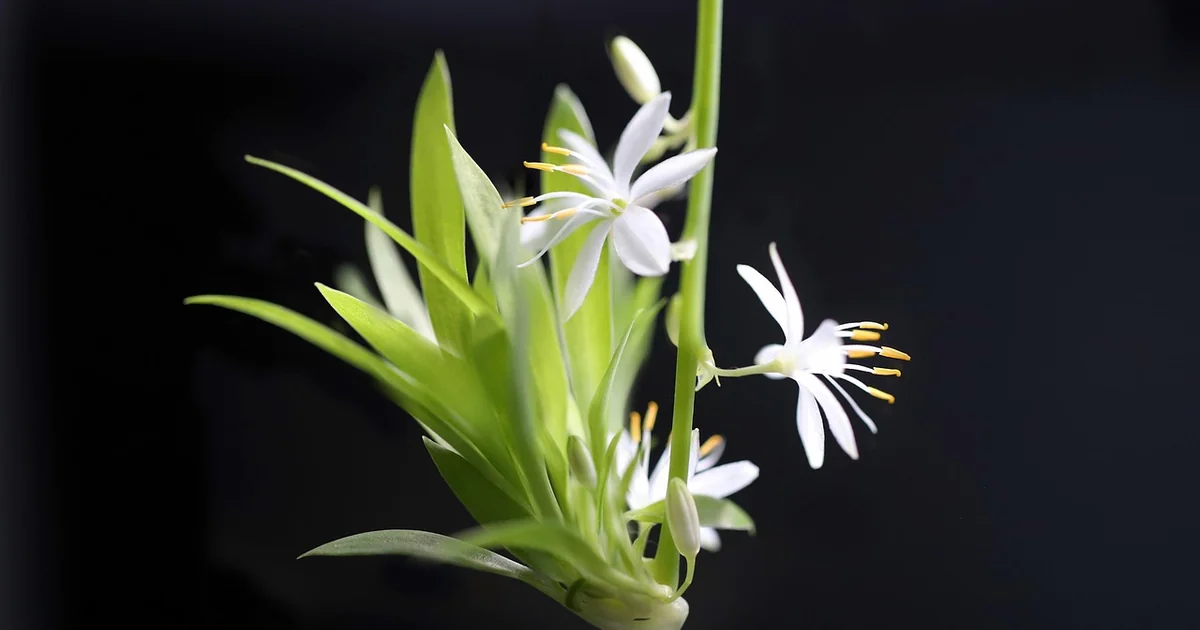
Narrow, ribbon-like foliage with crisp white stripes arches outward from a central rosette. Spider plants produce tiny offsets, or “babies,” that you can snip and share, turning one affordable purchase into a whole family of clean-air greenery over time.
9. Peace Lily (Spathiphyllum)
White spoon-shaped blooms rise above glossy dark-green leaves several times a year. The peace lily openly signals thirst by drooping dramatically, then perks up within hours of a thorough drink. As a bonus, it thrives in the sort of shady nook that would defeat most flowering plants.
10. Cast Iron Plant (Aspidistra elatior)
True to its name, this species withstands dim hallways, temperature swings, and infrequent watering. Long, strappy leaves grow slowly but persistently, offering reliable deep-green texture even in spots where nothing else seems to take.
11. Jade Plant (Crassula ovata)
Fleshy oval leaves and thick woody stems give jade a bonsai-like appearance without the demanding upkeep. A well-draining succulent mix and a sunny windowsill are all it needs. Many specimens live for decades, slowly gaining character and charm.
12. ZZ Plant (Zamioculcas zamiifolia)
Glossy, upright stems lined with plump leaflets make the classic green ZZ a favorite for offices and low-light living rooms. Its underground rhizomes store water so efficiently that you can travel for weeks without arranging a plant sitter.
13. Echeveria (Echeveria elegans)
Rosettes of powdery blue-gray or soft lavender succulent leaves look like a desert rose frozen in time. Set on a bright perch, echeveria asks only for a thorough soak whenever its soil feels bone-dry, then continues its slow, geometric expansion.
What Makes Heartleaf Philodendron Special?
One standout talent of this vine is its ability to move between indoor and outdoor settings with almost zero shock. Heartleaf philodendron can easily transition from indoors to outdoors when the weather warms — many plants sulk or drop leaves after a move, but this one adapts without a pause. Try placing it on a shaded patio in late spring, then bringing it back to a bright bedroom in the fall. The smooth adjustment means you get to enjoy the same beloved plant in different corners of your life as the seasons change.
How Often Should You Water a Snake Plant?
When it comes to watering this sculptural survivor, less is definitely more. Snake plant should be watered when the top half to three-quarters of the soil is dry to the touch. In practical terms, that often translates to every three to six weeks, depending on the humidity and light level in your home. Stick your finger deep into the pot near the rim — if you feel any lingering cool moisture, hold off for another week.
Can Aloe Go Without Water for Long?
Yes, it can go weeks at a time without being watered. The gel-filled leaves act as built-in reservoirs, so a forgetful stretch won’t harm the plant. During winter, when growth slows, you might water only once a month or even less. Overwatering is the real threat; always let the soil dry out completely before giving aloe another drink.
You may also enjoy reading: 5 Stunning Affordable Patio Alternatives to Ditch Concrete.
Which Plant Is Trendy and Tolerates Low Light?
Raven ZZ plant, with its dark purple-black leaves, can go up to a month without water and looks right at home in those shadowy spots where other plants fail. The dramatic foliage feels contemporary and almost metallic, yet the care routine couldn’t be more old-fashioned. Pop it in a corner with a single bulb or dappled daylight, and it will keep its sleek silhouette month after month.
What Is the Best Low-Maintenance Flowering Plant?
Wax plants (Hoya) bloom fragrant star-shaped flowers if happy and in brighter light. While they handle dim conditions, a window with filtered sun encourages those waxy clusters to emerge. The blooms smell sweet and linger for days, and the thick leaves store moisture, so you can treat a hoya more like a succulent than a tropical diva.
How Can You Prevent Overwatering Succulents?
Use self-watering pots or water-absorbing crystals to provide moisture over time. These tools create a buffer zone between the roots and excess standing water, which is the quickest way to rot a succulent. When you combine a pot that releases water gradually with a gritty, fast-draining mix, even the most enthusiastic waterer can keep jade, echeveria, and aloe healthy.
Why Snake Plants Are the Gold Standard of Low Care
Snake plant is known for its ability to go without water and affinity for low light; that reputation is earned. It will sit patiently in a dim hallway or a bright living room, rarely complaining. The upright leaves actively clean indoor air while you go about your life, making it a near-ideal companion for anyone new to houseplants.
Philodendron’s Secret: How to Read Its Leaves
Philodendron can handle periods of drought, but yellowing leaves indicate more water is needed. That subtle color shift is the plant’s way of telling you it has been running on empty a little too long. Instead of sticking to a rigid schedule, watch the foliage: a vibrant green plant with a slight droop is simply resting; a pale, yellowing leaf signals it’s time to reach for the watering can.
Watering Chinese Evergreen the Right Way
Chinese evergreen is a low-water plant and should only be watered once the top half to three-quarters of the soil dries out. On the other hand, it does appreciate steady warmth, so keep it away from drafty doorways. The thick stems and fleshy roots already store a surprising amount of moisture, which is why waiting for that deep-dry stage prevents soggy soil and keeps the leaves lustrous.
Pothos vs. Philodendron: Spotting the Difference
Pothos is an evergreen vine commonly mistaken for philodendron, and the mix‑up is understandable. Both trail beautifully and sport heart‑shaped leaves. Look closely at the leaf stem: philodendron leaves emerge wrapped in a papery sheath that later dries and falls off, while pothos stems stay smooth. That said, both are forgiving, fast-growing plants that make starting a collection feel effortless.
Aloe: More Than Just a Sunburn Soother
Aloe is a low-water succulent with thick leaves, some of which — such as ‘Bright Star’ or ‘Pink Blush’ — are variegated with streaks of cream, coral, or muted green. Those ornamental touches mean it does double duty as a sculptural piece. Luckily, the care doesn’t change: bright light and infrequent watering still apply, so you can enjoy the extra color without extra work.
Frequently Asked Questions
How do I know if I’m overwatering an easy houseplant?
Check the soil a few inches below the surface. If it feels damp or clings to your finger, wait a few more days before adding water. Mushy stems, yellowing leaves that feel soft rather than crisp, and a sour smell from the pot are all signs you’ve been too generous. For plants like succulents, a pot with a drainage hole and a gritty mix is your first line of defense.
What’s the difference between low light and no light for these plants?
Low light usually means a spot that can cast a soft shadow during the brightest part of the day, such as a north‑facing windowsill or a table five feet away from a sheer‑curtained window. No light is a windowless bathroom with the door shut. Most of the easy houseplants listed here tolerate low light, but none survive indefinitely in complete darkness; even a snake plant needs some daylight or a nearby lamp to keep going.
Can I mix several easy houseplants in the same container?
Yes, as long as the plants share similar water and light needs. Pairing a pothos with a heartleaf philodendron can work because both like to dry out partially between waterings. Avoid combining a thirsty peace lily with a drought‑loving echeveria, though — one will suffer while the other thrives. Choose a pot with good drainage and leave a bit of elbow room so roots don’t tangle too tightly.