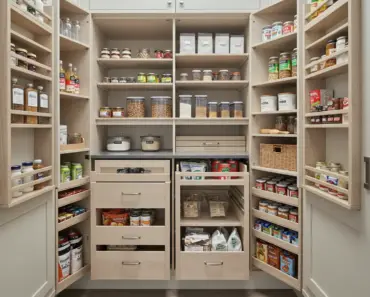
Spring cleaning often arrives with a burst of ambition that fizzles the moment you stare into an overstuffed closet. The sheer volume of belongings can freeze you in place, making it hard to lift even one sweatshirt off the pile. Goodwill’s Spring Donation Drive cuts through that paralysis with a remarkably simple three-bag system that turns chaos into a manageable playlist of small decisions. Instead of wrestling with entire rooms, you focus on one item, one bag, one clear choice at a time.

How Can I Start Decluttering Without Feeling Overwhelmed?
Roy Johns with Goodwill understands how the thought of sorting through years of accumulation can tie your stomach in knots. The key is shrinking the battlefield. Suzanne Lindsey, who runs Light House Organizer, recommends grabbing three distinct bags or baskets before you touch a single item. Label them “Donate,” “Decide Later,” and “Keep.” This step sounds almost too basic, yet it solves the biggest startup problem: your brain doesn’t have to craft a custom decision tree for each object because the bags do the sorting architecture for you.
Label Three Bags Before You Open the First Drawer
Walk into your bedroom, living area, or that chaotic hallway closet carrying your three labeled containers. The labels act as a gentle prompt. When you pick up a sweater you haven’t worn in two winters, you’re not asking “Do I love this?” as a free-floating existential question. You’re asking “Does it go in Donate, Decide Later, or Keep?” The bag becomes the immediate destination. Lindsey suggests working through each room or closet systematically, placing every single thing you touch into one of the three categories. The physical act of dropping an item into a bag generates momentum. After ten minutes, your Donate bag might already hold three scarves, a pair of boots, and a stack of paperback novels, and that visible progress quiets the voice that says this project is impossible.
Most people stall because they attempt to reorganize, clean, and purge all at once. The three-bag approach separates sorting from the other tasks. You aren’t folding the Keep items yet. You aren’t scrubbing the shelf they came from. You’re just sorting. The donate bag becomes a sealed exit lane. Once something lands there, it’s on its way out. For many, this is a spring decluttering tip that finally makes starting feel lighter than procrastinating.
Using the ‘Decide Later’ Bag to Reduce Decision Fatigue During Decluttering
Indecision eats more time than almost anything else during a cleanup session. You hold up a ceramic mug from a vacation, feel a twinge of guilt, and five minutes evaporate while you debate its fate. That’s decision fatigue, and it will drain your energy before you finish the first shelf. The Decide Later bag functions as a pressure-release valve. It signals that you are allowed to pause a choice without abandoning the entire effort.
Imagine a reader who feels paralyzed by clutter and doesn’t know where to begin. The presence of a designated maybe-container gives that person permission to keep moving. They can toss the puzzling object into the bag and continue sorting. The bag operates as a temporary quarantine zone. After everything else in the room has been sorted, they can revisit it with fresh eyes and a clear head.
Set a One-Week Timer on Your Maybe Pile
Here is how it works: give yourself a firm deadline for revisiting the Decide Later bag. A week is typically ideal. When you return to it, the emotional charge around those items often dissipates. That ceramic mug that felt so fraught on Tuesday morning may look like a dust collector by the following Monday. If you still can’t choose after the week passes, you can move a few genuine keepsakes into the Keep pile, but everything else should shift to Donate. The short waiting period respects your feelings while preventing the maybe pile from becoming a permanent storage annex. This spring decluttering tip protects your momentum and keeps one room from swallowing your whole day.
How Professional Organizers Can Help Overcome Emotional Attachments to Belongings
Sentimental items are the landmines of any decluttering project. A box of your child’s kindergarten artwork or your late grandmother’s costume jewelry can stop you cold. Lindsey and her team at Light House Organizer have worked with countless clients who struggle here, and they know that the attachment isn’t the problem—the belief that keeping the object is the only way to honor the memory is. A professional brings a compassionate but clear-eyed perspective that friends and family sometimes can’t offer because they share the emotional history.
For someone who is moving to a smaller home and needs to downsize quickly, an organizer can be a lifeline. They will sit with you, hand you one item at a time, and ask gentle questions like “Does this represent the relationship, or can the relationship live fully without the object?” Very often, the person realizes they’ve been keeping a stack of birthday cards not because they treasure each one but because they feel guilty throwing them away. The organizer helps reframe the decision so that letting go feels like a choice rather than a loss.
Take a Photograph, Then Let the Physical Item Go
A tactic that works beautifully for items with strong memory hooks is to photograph them before placing them in the Donate bag. The image preserves the visual trigger for the memory. The worn-out concert t-shirt, the chipped teapot, the pile of children’s drawings—snap a picture, save it in a dedicated digital album, and then release the object. The memory doesn’t live in the object. It lives in you. This approach is especially powerful for busy parents facing a cluttered playroom who have only an hour to make progress. They can photograph the nineteen macaroni art projects, keep the one that genuinely delights them, and donate the rest. The time saved is enormous.
What If I Need Professional Help During the Process?
Some spaces, like a jam-packed garage or a home office that has become a storage locker, need more than a three-bag system. They need another pair of hands and a strategic brain. Lindsey and her team are available to come directly to your home and work alongside you. They don’t just instruct from the sidelines—they get into the mess with you, lifting boxes, sorting piles, and offering a steady stream of practical encouragement.
The first consultation is free, which removes the risk of wondering whether the service fits your needs. During that consultation, you can walk through your trickiest zones and hear a realistic plan. The organizer might suggest starting with the entryway, because a clear drop zone at the door changes the feeling of a home instantly, or tackling the linen closet because it’s small enough to finish in one session and gives you a win that fuels the next project. That initial session also builds trust. By the end of it, you’ll know exactly what the process will cost, how many sessions your home might need, and what you can expect to accomplish.
They’ll Haul the Donations Away for You
Perhaps the biggest hidden obstacle in the “donate” step is actually getting the bags to a drop-off site. Good intentions pile up in the trunk for weeks. Light House Organizer solves this directly. When they help you sort your home, they will even take the items to Goodwill for you. Imagine finishing a grueling six-hour closet purge and simply watching the donation bags roll out the door with a professional who handles the transportation. That service turns the theoretical “I should donate this” into a completed act before the day ends. To make it even easier, you can reach them through their website to schedule that free conversation. For many exhausted homeowners, this is the spring decluttering tip that finally translates desire into results.
Preparing Donations for Drop-Off: Washing, Sorting, and Bagging Tips
Charities like Goodwill can put your unused items to work faster when they arrive clean and sorted. Before bagging, run textiles through a wash cycle so they smell fresh rather than musty. Check pockets. Pair shoes together with a rubber band or string so they don’t get separated. For clothing, fold or roll items neatly; for kitchenware, wrap fragile pieces in a hand towel you’re also donating. The small extra effort respects both the organization receiving your items and the future shopper who will give them a second life.
On the other hand, don’t let the preparation stage become a new excuse to delay. An imperfect donation delivered today serves the community better than a perfectly folded bundle that sits in your hallway for three months. If you’re short on time, focus on keeping categories separate—place all clothing in one bag, books in another, household goods in a third. This speeds up processing at the donation center and increases the likelihood that your belongings will move quickly onto the sales floor.
Sort by Category, Not by Room
A common mistake when preparing to donate is mixing random items from throughout the house into one enormous bag. Instead, mimic what professional organizers do: sort donations by category. Gather all wearable textiles across every room into one batch. Do the same for kitchen tools, books, and toys. This method reveals duplicates you might have missed. You may discover you own six vegetable peelers when you only cook with two. Those four extras can go into the Donate bag. This approach also aligns neatly with Goodwill’s processing workflow, meaning your contributions get sorted and priced with minimal delay.
Where Can I Drop Off Donations?
When your Donate bags are packed and ready, the final step is straightforward. You can drop off items at any Goodwill location. The organization maintains a network of sites designed to receive donations during business hours. There’s no need to wait for a special occasion, and you won’t need an appointment in most cases. Simply drive up, hand over your bags, and receive a receipt for your tax-deductible contribution.
For those who prefer to know the exact hours and addresses before loading the car, Goodwill’s website makes it easy. Visit the locations page, type in your zip code or city, and a list of nearby sites appears with operating hours listed clearly. Doing this quick check prevents the frustration of arriving during a lunch closure or on a day when donations aren’t accepted. It’s a two-minute task that bookends your decluttering project with a clean finish.
You may also enjoy reading: 7 Things You Should Clean Every Sunday to Reset Home.
Keep a Donation Receipt for Your Taxes
Whenever you drop off items, ask for a contribution receipt. Even a modest pile of clothing and household goods can add up to a meaningful tax deduction. The receipt doesn’t assign a dollar value to your donation—you’ll list the items and estimate their fair market value when filing—but it serves as official proof that you gave to a qualified nonprofit. Goodwill provides these slips at every location. Slip the receipt into a file folder labeled “Charitable Contributions” and you’ll thank yourself when tax season arrives.
Is There a Special Event for Donating?
Yes, and it’s an ideal target date if you want to anchor your spring decluttering sprint to a firm deadline. Goodwill is hosting a drop-off event on Saturday, May 16th at the location on Highway 51 in Ridgeland. Marking that date on your calendar transforms an abstract plan into a commitment. If you know a friendly team will be expecting your bags on that specific Saturday, you’re far more likely to fill those bags in the weeks leading up to it.
Consider a busy parent facing a cluttered playroom. By knowing the May 16th event is coming, they can set aside one hour every weekend between now and then to chip away at the toy bins and outgrown clothing. The deadline creates a container for the effort. That parent doesn’t need to finish everything by May 15th—they just need to fill as many bags as they can. The event becomes a celebration of progress rather than a source of pressure.
Make the Driveway Drop a Family Activity
Loading the car for a donation event can be a surprisingly satisfying family ritual. Give each kid a small bag to carry. Let them walk it to the donation attendant and feel the pride of contributing. It’s a quiet lesson in generosity that no lecture can match. Plus, involving the family means everyone participates in the decluttering from start to finish, which reduces the chance that the emptied spaces will fill up again before summer even arrives.
If the Highway 51 location on May 16th doesn’t work for your schedule, don’t let that derail your momentum. As mentioned, any Goodwill site will welcome your items during normal operating hours. The special event simply adds extra convenience and a festive atmosphere for those who appreciate a community-driven push.
The Environmental Benefits of Donating Instead of Discarding During Spring Cleaning
Spring decluttering generates a staggering volume of waste when the default destination is a landfill. Textiles, in particular, are problematic. Unlike food scraps or paper, synthetic fabrics can take decades to break down. When you donate usable clothing, linens, and shoes to Goodwill, you extend their lifecycle. A pair of jeans you outgrew becomes a bargain find for a college student. A lamp that doesn’t match your redecorated living room brightens a first apartment. That chain of reuse keeps resources in circulation and reduces demand for new manufacturing.
Beyond the tangible environmental win, donating carries a psychological benefit. Knowing your items will be resold at affordable prices in local communities reframes the act of letting go. It’s not disposal; it’s redistribution. That shift in language matters. You’re not throwing things away—you’re sending them somewhere they’ll be valued. This mindset makes the next round of decluttering easier because you’ve built a positive association with the Donate bag.
Donation as a Sustainable Habit, Not a Once-a-Year Sprint
Once you experience how clean your home feels and how good the donation trip feels, you can convert the event into a rolling habit. Keep a small perpetual Donate bin in your laundry room or closet. As you notice items that no longer serve you throughout the year, drop them in immediately. When the bin fills, you take it to Goodwill. This micro-system prevents the overwhelming seasonal avalanche. It also ensures your donations arrive in smaller, easier-to-process batches throughout the year, which helps the organization manage inventory smoothly.
Frequently Asked Questions
What should I do with the items that end up in the ‘Decide Later’ bag after a week?
Open the bag and handle each item one more time, but set a rule: you must make a final call on at least eighty percent of the contents during that second pass. Items you still cannot decide on are likely emotional landmines. For those, try the photograph method—snap a clear picture and then place the item in the Donate pile. If you absolutely must keep something after a full week of reflection, move it into your Keep storage with a small label noting the date. If you haven’t used or thought about it in another three months, it’s probably ready to go.
How do I keep from getting distracted when sorting through old sentimental items?
Set a visible timer for a short burst, such as twenty minutes, and commit to sorting only during that window. Keep your phone in another room so you aren’t tempted to scroll through old photos that trigger more memories. If you encounter a truly powerful item—a handwritten letter, an heirloom quilt—place it gently in the Decide Later bag and keep moving. The timer creates a gentle pressure that discourages lingering, and you can schedule a separate, calm session later to revisit the maybe pile when you’re not in active sorting mode.
Why is it helpful to label bags before I start instead of sorting after I’ve made a pile?
Pre-labeling the containers removes decision-making about the sorting system itself once you’re in motion. Without labels, many people create a huge undifferentiated mound of belongings and then exhaust themselves trying to categorize it retroactively, which often leads to items creeping back onto shelves. Labels serve as a constant visual reminder of your three available outcomes, which speeds up each individual choice. The bags also prevent category contamination—once something goes into Donate, you won’t accidentally mix it back into Keep because the bag boundary is physically clear.