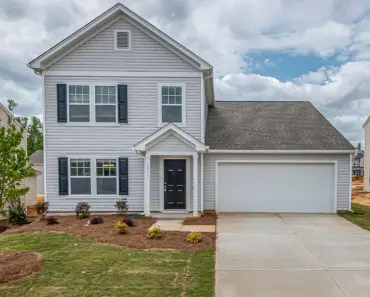
Most sellers know that a fresh coat of paint in the living room or updated kitchen counters can boost a home’s appeal. But what’s happening on the outside often gets overlooked—until it’s too late. Neglected landscaping can slash your home’s value by up to 30%, and that’s just the beginning.
What is the biggest turnoff for buyers?
A sagging roofline, a gutter overflowing with last fall’s leaves, or a fascia board peeling away from the eaves tends to scream one thing to a buyer: deferred maintenance. Pete Evering, who oversees business development at Utopia Management in San Diego, sees this pattern all the time. He notes that obvious damage in roofing—like drooping gutters and deteriorated fascia covers—ranks among the most off-putting sights for any buyer walking up the driveway.
Even if the roof itself isn’t actively leaking, a grimy, moss-streaked shingle can make the entire property feel rundown. Buyers start mentally tallying repair costs before they’ve set foot inside. Damage to rooftops, gutters, and windows all decrease a home’s value and should be priority fixes. A clean surface and intact metal flashing tell a different story: that someone cared for the place.
Start with the gutters. Scoop out debris, then run water through the downspouts to confirm they drain freely away from the foundation. Check for bent or detached sections—tighten the brackets or swap in a replacement piece. On the roof itself, replace missing or curling shingles and keep an eye out for dark patches that signal moisture intrusion. Even if you’re not handy, a licensed roofer can do a once-over and handle minor patchwork without a full tear-off.
How can landscaping be fixed cheaply?
The data is stark: poor landscaping can decrease a home’s value by up to 30%. Yet Evering points out that landscaping is also one of the most straightforward exterior fixes, especially for sellers who can’t afford major renovations. Small, do-it-yourself tasks ripple outward in ways that feel far more dramatic than the price tag suggests.
Start with the edges. Trim overgrown hedges down to a uniform height and shape, pulling weeds out by the roots rather than just lopping off the tops. Add a 2-inch layer of fresh mulch around planting beds—the dark, uniform color instantly creates contrast and looks cared for. Planting a handful of seasonal flowers near the front walk gives the eye something cheerful to land on, without requiring a landscape designer.
Clear sightlines matter more than most people realize. Cut back branches that crowd the front facade or block windows. Buyers crave natural light pouring through clean glass, and an overgrown shrub outside a living-room window dulls the whole interior. One easy Saturday morning spent raking fallen leaves, power-washing the walkway, and touching up the edging along the driveway can reshape a first impression almost overnight. These DIY touches—trimming hedges, planting flowers, and adding fresh mulch—make a big impact with minimal investment.
Why are windows a red flag?
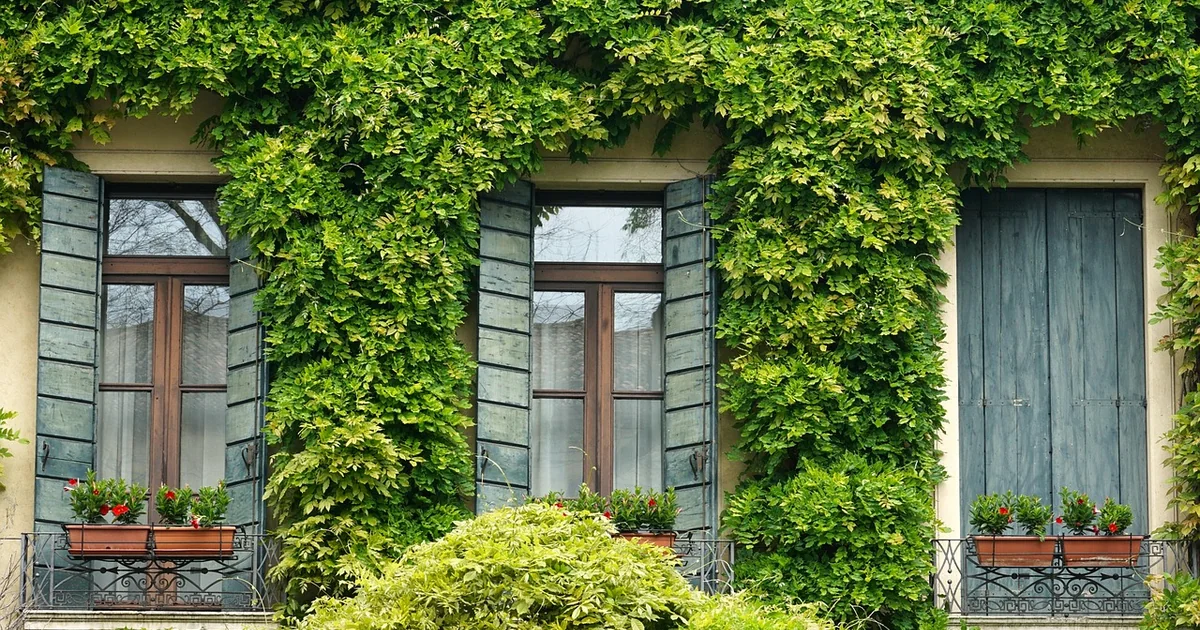
Windows do double duty: they shape the outside look of a house and control how light and air flow on the inside. When a buyer sees chipped paint on wooden sashes, fogged double panes, or corroded aluminum frames, the brain immediately starts calculating replacement costs. Darren Robertson, a realtor and founder of Northern Virginia Home Pro, explains that visibly outdated and neglected windows are a common cause of concern. They imply expensive maintenance waiting in the wings, and that mental price tag can knock an offer down by thousands.
Pay close attention to the frames. Wooden window frames need repainting roughly every five years with a sun-resistant, high-quality acrylic or oil-based wood paint. Look for cracks, peeling film, or spongy sections where water has crept in. Even if the glass is intact, rotting wood shouts “budget project” from across the lawn. For vinyl or fiberglass, a deep clean with a soft brush and mild detergent can often erase the dull film that mimics age.
Don’t forget the screens. Torn mesh or bent frames make an otherwise good window look shabby. Replace damaged screens before any listing photos are taken. And always clean both the interior and exterior side of the glass—morning sunlight on streaky panes can sabotage an otherwise sparkling first impression.
What is the easiest fix for faded paint?
Chipped, faded, or weathered paint on walls, trim, accents, and the front door is a major warning sign. It telegraphs that the house hasn’t seen upkeep in years, even if the roof is solid and the windows are new. The silver lining is that paint is also one of the most affordable makeovers you can do over a weekend.
Jake Greenhouse, president and owner of JGD Development and a real estate developer, stresses that applying a fresh coat of paint to the trim, shutters, or front door can transform the exterior. It gives the home a vibrant, welcoming appearance and calls out architectural details that might otherwise blend into the background. Choose a hue that fits the neighborhood’s character—soft blues, warm browns, and crisp whites rarely miss. A glossy finish on the front door can even become the focal point of the entire facade.
Start with the surfaces buyers will touch or photograph. Scrape any loose flakes, sand lightly, and prime bare wood before the topcoat. Even an afternoon spent repainting window sashes and a weather-beaten fence can shift the whole emotional register from “fixer-upper” to “move-in ready.” When the paint is fresh and the contrast around the trim is sharp, the house looks younger by a decade.
How do old light fixtures affect value?
Lighting often gets ignored during a sale because it works just fine—as far as the seller is concerned. Buyers, though, notice tarnished brass, rust-speckled sconces, and dated glass globes the way they notice a torn screen. Dated or broken light fixtures reduce curb appeal in a subtle but persistent way. They dim the perceived quality of the entire exterior, even if the porch is spacious and the landscaping is crisp.
Updating outdoor lights to modern, energy-efficient options like low-voltage LED or solar lights can make a considerable difference. Look for fixtures in a finish that ties to the home’s hardware—matte black, brushed nickel, or oil-rubbed bronze all read as current without feeling trendy. Wall lanterns flanking the garage, pathway bollards lining the walk, and a statement pendant on a covered porch all add layers of polish.
You may also enjoy reading: 7 Steps to Plant and Grow Delphiniums.
Don’t overlook safety and shadow. A dim front stoop at night makes a buyer uneasy about accessibility. Replace any fixture that leaves dark corners near stairs or entry points. Solar stake lights can outline a flowerbed for under $30, and a motion-sensor floodlight over the side yard suggests quiet competence. Small changes like these register as “well-maintained” long before buyers find the words to explain why.
Why might painted bricks be a drawback?
A century-old brick facade tells a story of texture, craftsmanship, and time-tested durability. Slapping a coat of latex paint over it, however, erases that story instantly. Some prospective buyers feel painted brickwork removes charm from a home and also introduces a maintenance headache they never asked for. Brick naturally breathes; when it’s sealed with paint, trapped moisture can lead to spalling—the slow flaking and cracking that turns a beautiful material into a crumbling mess.
This doesn’t mean painted brick is always a dealbreaker, but it can narrow a home’s audience. Buyers who love historic character will mentally factor in the cost and labor of stripping the paint, which is neither quick nor cheap. If the paint was applied over a previously unpainted, porous brick, the removal process often requires specialty chemical strippers or even media blasting to avoid destroying the surface underneath.
If you already own a home with painted brick and want to mitigate the downside, make sure the paint is in flawless condition. Touch up cracks, repoint any deteriorating mortar, and keep the surrounding landscaping tight so the brickwork remains the star. Present it as an intentional, modern choice rather than a cover-up. For sellers considering painting brick before listing, the safer move is usually to clean and tuckpoint instead, preserving the natural hue while still sharpening the overall look.
What does a grimy exterior signal to buyers?
It’s not just the big-ticket items that drag down perceived value. A film of green algae creeping along the north side of the siding, black streaks from roof runoff, or a web of cobwebs clustered around the porch ceiling all say the same thing: nobody has been paying attention. Even a structurally sound house can feel unloved when its exterior wears a layer of dirt.
Start with a thorough cleaning. Rent a pressure washer—or hire a pro for delicate surfaces like stucco—and wash every vertical surface, from soffits and fascia to the garage door and downspouts. Pay special attention to the foundation line where splattered mud and grass clippings pile up. That stark line between a clean wall and a dirty base makes the whole house look shorter and heavier.
After the wash, replace any weather-stripping around doors and windows that has mildewed or compressed. Clean light globes inside and out, and wipe down the front door hardware until it gleams. These chores cost little more than a bucket of soapy water, but the payoff is immediate: a home that feels crisp, cared for, and ready for its close-up. When every surface reflects light instead of absorbing grime, buyers instinctively trust that the inside is just as well kept.
Frequently Asked Questions
Which exterior issues lower home value the most?
The heaviest value killers are problems that signal immediate large-scale repair cost to a buyer—damaged roofing with drooping gutters, noticeably outdated or broken windows, and overgrown landscaping that suggests the whole property has been neglected. A compromised roof in particular can knock thousands off an offer because it raises fears of water damage, mold, and structural issues. Prioritize fixes that impact structural integrity first, then turn to cosmetic detail.
Can improving landscaping really boost a home’s price significantly?
Yes, and it’s one of the few projects where results can measurably outpace spending. Research cited by real estate professionals shows poor landscaping can cut perceived value by up to 30%, so even basic tidying—trimming hedges, laying fresh mulch, and adding seasonal blooms—can recover a substantial chunk of that loss. The key is editing, not expanding. Buyers want crisp edges and open sightlines, not a garden that feels like a weekend chore list.
Is it worth replacing light fixtures if I’m selling soon?
Absolutely. Dated or tarnished outdoor light fixtures quietly drag down curb appeal, and swapping them for modern, energy-efficient options is a low-investment change that photographs well. Look for low-voltage LED or integrated solar fixtures in a finish that matches your home’s hardware, and place them where they eliminate dark pockets near entryways. A well-lit exterior feels secure and intentional—two impressions that directly support a higher offer.