If the sight of piled‑up papers, stray toys, and draped jackets across your sofa feels all too familiar, you’re not alone. Living room clutter has a way of creeping in the moment you stop paying attention.
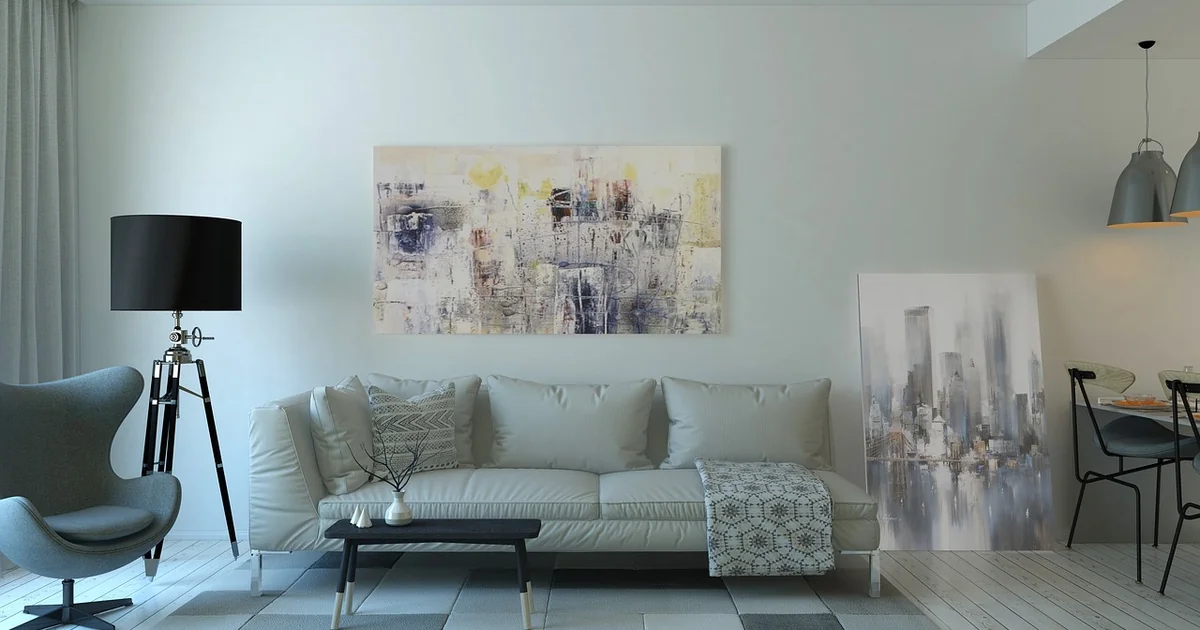
We tapped Jill Moore, professional home organizer and owner of Organized Jill in Winston Salem, North Carolina, and Meghan Cocchiaro, owner and professional organizer at Organized by Meg in Littleton, Colorado, for the items they tell clients to banish from living rooms for good. The living room is meant to be a gathering space for relaxation and entertaining, and a clutter‑free environment sets the calm atmosphere needed for both. Storing items like coats, mail, and laundry elsewhere eliminates visual mess and preserves that tidy feeling. Here is what to clear out first.
Why Toys Are a Fast Track to Living Room Clutter
If you have little kids at home, the temptation to let toys migrate into the living room is huge. Cocchiaro insists that this space should feel like an adult retreat for unwinding. She points out that when toys stay in the living room, they create clutter easily because of their size, bright colors, and sheer quantity. Her rule is simple: if toys are brought in for a short play session, they should be returned to their designated storage area — a playroom or a nearby toy closet — right after use. Keeping them out of the room prevents the bulky objects from overwhelming your decor and preserves a relaxing atmosphere for grown‑ups.
Even a small basket of toys can quickly morph into a scattered mess that nobody wants to tidy before guests arrive. The visual noise of primary‑colored plastic, building blocks, and stuffed animals works against the serene backdrop most of us want in a living room. Establish a firm boundary: the living room is for conversation and relaxation, not for play. That way, you won’t find yourself tripping over puzzle pieces while trying to enjoy a quiet cup of coffee.
The payoff is clear: toys create clutter due to size, color, and quantity, and should be stored in a playroom or toy closet. Once they’re out, the room immediately feels more spacious and adult‑friendly, and you won’t have to do a five‑minute scramble every time the doorbell rings.
How Coats and Jackets Create Instant Living Room Clutter
Moore notes that the sofa quickly becomes a dumping ground for outerwear once the temperature drops. Tossing jackets on the couch not only makes the room look messy, but it also brings dirt and debris onto the furniture. Without a dedicated entryway closet, families often leave coats, scarves, and hats in plain sight, and the pile grows before you realize it. That visual chaos signals disorder the moment you walk in, undercutting the comfort a living room should provide.
Moore suggests mounting a few sturdy wall hooks near the entrance and adding a shoe rack to corral footwear. “This will also help minimize unwanted dirt and debris from getting on the furniture,” she says. A small, organized drop zone keeps everything off the sofa and makes it easy to grab your jacket on the way out the door. It’s a tiny infrastructure change that saves you from the daily hunt for a missing mitten and stops the couch from looking like a coat rack.
The takeaway: jackets tossed on the couch contribute to a cluttered look and carry grime onto your upholstery. Swap the habit for a hook‑and‑rack system and your living room stays visually crisp, even on the busiest mornings.
Out-of-Season Holiday Decor: A Hidden Source of Living Room Clutter
Holiday decorations bring warmth and cheer, but once the season wraps up, they turn into visual noise. Moore firmly believes that unless you tweak your Christmas tree to match spring or summer holidays — and only a tiny fraction of people actually do — the whole setup needs to be packed away until next year. Leaving wreaths, garlands, or snow‑themed accents scattered around during July makes the room feel stagnant and dated, as if time stopped in December.
The quick fix is a storage bin in an attic, basement, or closet labeled by holiday. Right after the celebration ends, take an hour to box everything up and restore the room’s neutral palette. The space will instantly feel fresher, and you’ll rediscover the joy of your decor when it returns in its proper season. In contrast, holding onto those items out of sentiment buries the room under layers of visual static that nobody else notices in a good way.
The smart move: out‑of‑season holiday decor should be packed away until next year to avoid visual mess. When you clear the seasonally exhausted props, the room breathes again and feels ready for whatever comes next.
Why Open Shelving Often Leads to Living Room Clutter
Open shelving enjoys waves of popularity, but Cocchiaro cautions that it rarely works well in a living room. “Open shelving can be pretty when curated well, or else it just looks cluttered and messy,” she says. The pressure to fill every inch with knick‑knacks, books, and decorative objects creates a busy, chaotic backdrop that undermines relaxation. Even the most thoughtfully arranged display can slide into a jumble if you add one too many impulse buys.
If you’re set on showcasing a few cherished items, opt for a single floating shelf or a cabinet with glass doors that limits dust and visual clutter. On the other hand, closed storage keeps the focus on the room’s main purpose — connecting with family and friends — rather than on a collection of objects you barely notice after the first week. The goal is to make the room feel calm, not like a retail display.
Ultimately, open shelving can look cluttered unless carefully curated, so it’s better to avoid it in the living room altogether or treat it as a strictly minimal zone. A single well‑chosen vase or a stack of three art books communicates more style than a shelf crammed with forty tiny things.
How Stacks of Mail Contribute to Living Room Clutter
For homes where the front door opens directly into the living room, incoming mail lands on the nearest flat surface and multiplies. Both Cocchiaro and Moore agree that mail and paperwork are an easy way to build visual clutter. Bills, catalogs, and school flyers seem harmless until they form a mountain that makes the whole room feel neglected. The pile becomes a mental weight too — every envelope whispers “deal with me,” pulling your attention away from relaxation.
Moore recommends installing a “drop zone” — a wall‑mounted mailbox or a slim console with labeled trays — to catch paper before it spreads. Sort immediately, discarding junk mail and filing important items into a designated organizer. That tiny system erases clutter and keeps your living room looking like a grown‑up space rather than a mailroom. Furthermore, it only takes seconds to drop a bill into the “to pay” slot instead of letting it drift onto the coffee table.
You may also enjoy reading: How Much for a Small Storage Unit in California? Prices and Tips.
Adding a drop zone with a mailbox on the wall helps erase clutter and keep you organized, so mail never has to sit in the living room at all. Once the paper monster is tamed, the room feels lighter and you can actually see the surface of your side table again.
Why Craft Supplies Are a Recipe for Living Room Clutter (and Damage)
Moore is emphatic about keeping crayons, paint, glitter, glue, art chalk, and beads far from the living room. A single glitter explosion can scatter sparkles into upholstery fibers for months, and spilled paint or glue on a rug means expensive cleaning or replacement. Even crayons can leave waxy stains on fabric if a child gets creative on the ottoman. These supplies pose a double threat: they create immediate physical mess and they turn the room into a potential disaster zone that doesn’t lend itself to unwinding.
Instead, she recommends doing all messy crafts at the kitchen table with a washable surface or in a dedicated craft zone that’s easy to wipe down. That way, your living room stays a sanctuary for reading, conversation, and calm — while your creativity stays in an area designed for it. In contrast, trying to contain art projects on a plush carpet is a losing battle that results in permanent stains and lingering frustration.
The smart boundary: craft supplies like crayons, paint, and glitter can damage furniture and should be used elsewhere, like a kitchen table, so your living room remains a low‑stress space free of sticky residues and colorful smudges.
Why Laundry Baskets Should Never Camp Out in the Living Room
Folding laundry in front of the TV is a common ritual, but leaving the clean piles or half‑empty baskets out creates an immediate sense of incompletion. Moore warns that laundry pieces left in the living room become a magnet for more clutter — stray socks, random magazines, and remote controls get tossed on top. The room quickly shifts from a relaxation hub to a makeshift laundry station, and the visual signal of “unfinished task” dampens the soothing vibe you’ve worked hard to build.
Her solution is refreshingly direct: put every piece away as soon as it comes out of the dryer. Fold it in the bedroom or the laundry room and take the empty basket back to its storage spot immediately. This simple habit prevents the gradual creep of textiles that kills the calm atmosphere. Furthermore, it eliminates the “chairdrobe” effect — the mountain of clothes draped over an armchair that makes the whole room feel untidy.
The rule worth adopting: put laundry away as soon as it comes out of the dryer to prevent piles from accumulating in the living room. When the baskets disappear, the space reclaims its role as a place for relaxation rather than a waystation for chores.
Frequently Asked Questions
How can I create a designated drop zone for mail without taking up floor space?
A wall‑mounted mailbox, a slim floating shelf with a couple of small baskets, or a magnetic board all work beautifully. Mount it at the entry point — right where you’d normally toss the mail — so paper never reaches the coffee table. The key is to make the sorting action as easy as dropping, so the habit sticks.
What can I use instead of open shelving to display decorative items?
Consider a china cabinet or a bookcase with glass doors; they protect your pieces from dust while still letting you enjoy the view. Another option is a single floating shelf with a strict rule of three objects only — that keeps the look curated and stops visual clutter from creeping in. Closed storage keeps the room’s focus on relaxation rather than on a busy collection of trinkets.
Is it okay to keep a small basket of toddler toys in the living room for quick playtime?
While organizers generally advise against it, you can use a lidded basket that tucks away in a corner and gets emptied into a playroom at the end of the day. The basket should be small and neutral‑colored so it doesn’t dominate the decor. The real goal is to keep the toys from becoming a permanent fixture, so the living room always resets to an adult‑friendly space.
Making these seven changes can shift your living room from a catchall zone to a sanctuary for relaxation and entertaining. Start small — pick one category today and clear it out. You might be surprised how much lighter the whole room feels, and how naturally the calm atmosphere returns the moment the last stray item disappears.