Most gardeners reach a moment when they realize the fluffy-tailed visitor nibbling on the sunflowers is no longer cute. It’s a full-blown garden bandit. Cayenne pepper squirrels deterrence is one of those kitchen-cabinet tricks passed around with a whisper of hope, and it actually works—when you understand how to use it. The pepper’s spicy punch irritates a squirrel’s sensitive nose and mouth without doing any real harm. But a single sprinkle on a breezy afternoon won’t solve the problem forever. Getting lasting results means pairing that red spice with a smarter overall strategy.
Does cayenne pepper really work on squirrels?
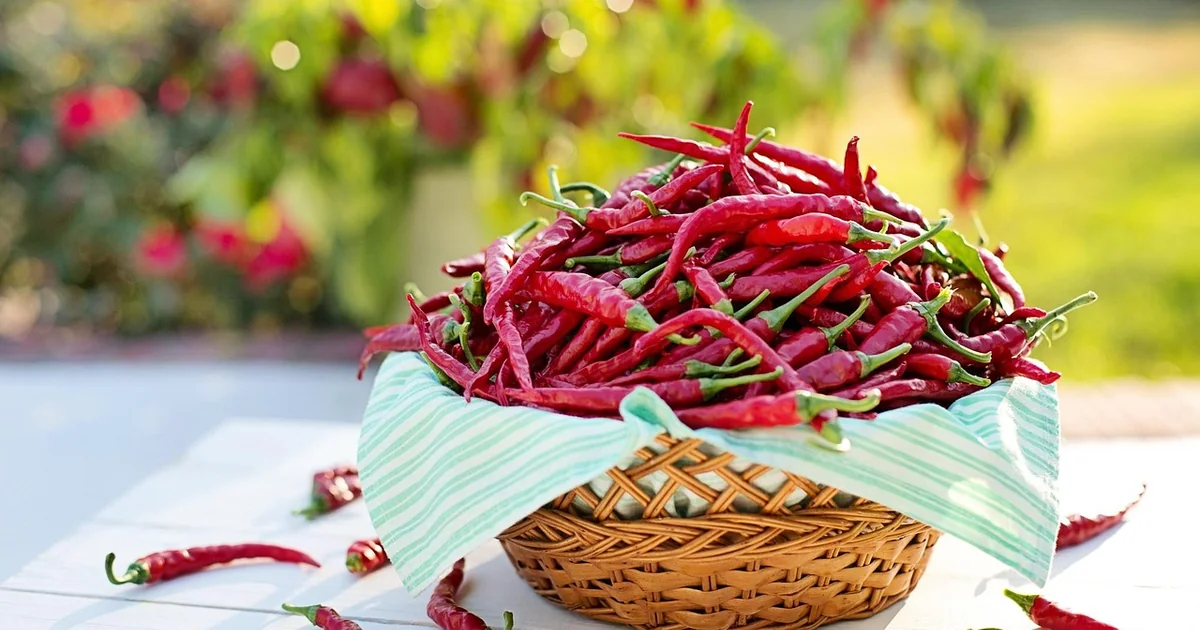
Yes, it genuinely does, and the reason is rooted in chemistry. The active compound in cayenne is capsaicin, the same fiery molecule that makes your tongue burn when you eat hot wings. Squirrels, like many other small mammals, have an incredibly keen sense of smell and taste. When they encounter capsaicin, it triggers a sharp, memorable irritation—almost like a burning sensation—in their nasal passages and on their tongues. No real tissue damage occurs. The squirrel simply learns that a particular flower pot, raised bed, or patio corner is an unpleasant place to poke around. That quick-learning response is what makes the spice a humane, non-lethal option that keeps the critter hale and hearty while steering it elsewhere.
One of the trickiest things for homeowners to accept is that the pepper doesn’t create an invisible force field. It only works where it’s fresh and concentrated. Squirrels that have never met capsaicin will back off fast. But a squirrel that has already memorized your garden’s layout might take more convincing—and might test whether you’ve refreshed the barrier. The spice’s power lies in its surprise, and its staying power depends entirely on how you apply it.
How should you apply cayenne pepper?
Getting the application right is where most people stumble. Dusting dry powder onto the soil and hoping for the best usually ends with a puff of wind undoing your efforts in minutes. A far more reliable method is to make a simple liquid spray. Mix one to two tablespoons of cayenne pepper into a gallon of water. Then add a few drops of mild dish soap. The soap breaks the surface tension of the water, helping the spicy solution cling to leaves, stems, and mulch instead of beading up and rolling off. Pour this mixture into a pump sprayer or a clean spray bottle and coat the base of plants, the edges of garden beds, wooden deck railings, and any outdoor furniture where squirrels love to scamper.
Some folks prefer a dry route, and that can work in sheltered nooks where rain doesn’t wash through. Sprinkle cayenne pepper flakes directly around flower pots, along walkway borders, and on the soil surface near dug-up areas. The coarse texture of the flakes releases the irritating oils more slowly than fine powder. Either way, you’ll need to watch the forecast. Even a heavy dew can dilute the spice, and a proper rainstorm will erase your handiwork completely. Reapplication after watering or weather is not optional; it’s part of the rhythm of using this tool. And keep one rule in mind: never dust or spray the pepper directly onto the edible parts of your vegetables, fruits, or herbs. While it won’t kill the plant, it can leave a bitter, burning aftertaste on your harvest, not to mention the unpleasant surprise when you handle hot-pepper-dusted tomatoes with bare hands.
What about long-term effectiveness?
The honest answer is that cayenne pepper’s effectiveness fades quickly outdoors. Sunlight breaks down capsaicin over time, and water—whether from a sprinkler, a morning mist, or a summer thunderstorm—washes it away with surprising speed. Wind scatters dry flakes into the neighbor’s yard. And squirrels are clever. A hungry squirrel that encounters a treated area once or twice may decide to circle back two days later, sniff the air, and discover the irritating smell has weakened. Some squirrels even learn to dig carefully at the edge of a treated zone, so you might find a narrow ring of undisturbed soil right next to a freshly excavated bulb.
This is exactly why pest control professionals caution against relying on hot pepper as your sole line of defense. The scent diffuses, the spice loses its kick, and the bushy-tailed excavators treat your garden like a puzzle to be solved. Relying on a single deterrent often ends with a frustrated gardener and a well-fed squirrel. So the secret lies not in abandoning cayenne entirely but in using it as one layer inside a bigger, smarter plan.
What other methods can you combine?
Combining multiple deterrents works best for long-term squirrel control, and you don’t need to turn your yard into a fortress. The most powerful move you can make, according to experts, is to reduce the very things that draw squirrels in. Those bird feeders brimming with sunflower seeds? They might as well be flashing a neon “OPEN” sign. Installing a weight-activated or cage-style baffle on the feeder pole stops squirrels cold while still letting chickadees and finches dine. Harvest ripe vegetables promptly, pick up fallen fruit before it rots, and switch to metal trash cans with locking lids if squirrels have learned to pry open plastic bins.
You may also enjoy reading: 7 Proven Methods to Plant and Grow Chinese Ground Orchid.
Physical barriers offer another layer without any spicy scents. Wrap the trunks of fruit trees with smooth metal sheeting to block climbing. Use hardware cloth under a thin layer of soil to prevent digging in bulb beds. Motion-activated sprinklers deliver a harmless but startling jet of water that squirrels find deeply unappealing. Some gardeners also report success with strong-smelling natural deterrents rotated every few weeks—garlic spray one week, diluted peppermint oil the next—so the animals never become complacent. Loud wind chimes or ultrasonic repellers add a sensory dimension that can help, though they work better in conjunction with other tools rather than on their own. The goal is to make your yard feel unpredictable and unrewarding, so the squirrels decide the effort isn’t worth the payoff.
Frequently Asked Questions
Is cayenne pepper safe for squirrels and other wildlife?
Nick Pulsonetti, a pest removal expert and COO at Excel Pest Services, points out that capsaicin causes discomfort by irritating the squirrel’s sensitive nasal passages and taste receptors, but it does not cause physical injury or lasting harm. The animal typically sneezes, paws at its face, and hurriedly moves on. It’s a gentle, non-toxic way to change behavior without introducing poisons into the ecosystem. To avoid any unintended consequences, always target specific problem zones rather than broadcasting pepper everywhere, and never use it in a way that could blow into the eyes of pets or beneficial pollinators.
Can I spray cayenne pepper on my vegetable plants?
It’s best to avoid applying cayenne pepper directly onto the edible portions of your crops. The oily capsaicin residue clings to leaves and fruit, and rinsing it off thoroughly can be tough. That means your tomatoes, peppers, or strawberries might carry a sharp, fiery taste even after washing. If you must protect a vegetable bed, focus the spray or flakes on the soil surface and the perimeter borders rather than the food itself. Wearing gloves while handling treated plants prevents accidental irritation of your own skin and eyes.
Why do squirrels keep returning to my yard even after using cayenne?
Aaron Carlson, district manager for Trutech Wildlife Service with over 15 years of pest control experience, explains that squirrels are incredibly persistent when a reliable food source is at stake. Cayenne works as a short-term irritant, but once rain and sun weaken it, the area becomes safe again in the squirrel’s memory. To break the cycle, Carlson and other specialists recommend removing the temptation entirely: take down unprotected bird feeders, clear away fallen nuts and fruit daily, and seal entry points under eaves and decks. The spice is a helper, not a magic wall, and its real value emerges when you use it alongside habitat changes that make your yard less inviting.
The real art of keeping squirrels in check is patience and variety. Cayenne pepper delivers that humane, nose-tickling surprise that gets them thinking twice, but it works best as part of a gentle, ever-changing set of tactics. Mix the spicy barrier with physical obstacles, a tidy garden, and a dose of vigilance, and you’ll reclaim your plants without turning your backyard into a battleground.