There is always that strange, quiet moment after a party ends. The music stops, the guests leave, and you are left staring at a cluster of deflated balloons sagging in the corner. It feels wasteful to just throw them away. But popping them seems equally unsatisfying. What if those tired balloons could become something beautiful instead? A balloon vase diy project turns that post-party letdown into a creative win. Deflated balloons lingering in corners can be a downer, but they are also the perfect starting point for handmade home decor that costs almost nothing.
What Type of Balloon Is Best for This DIY?
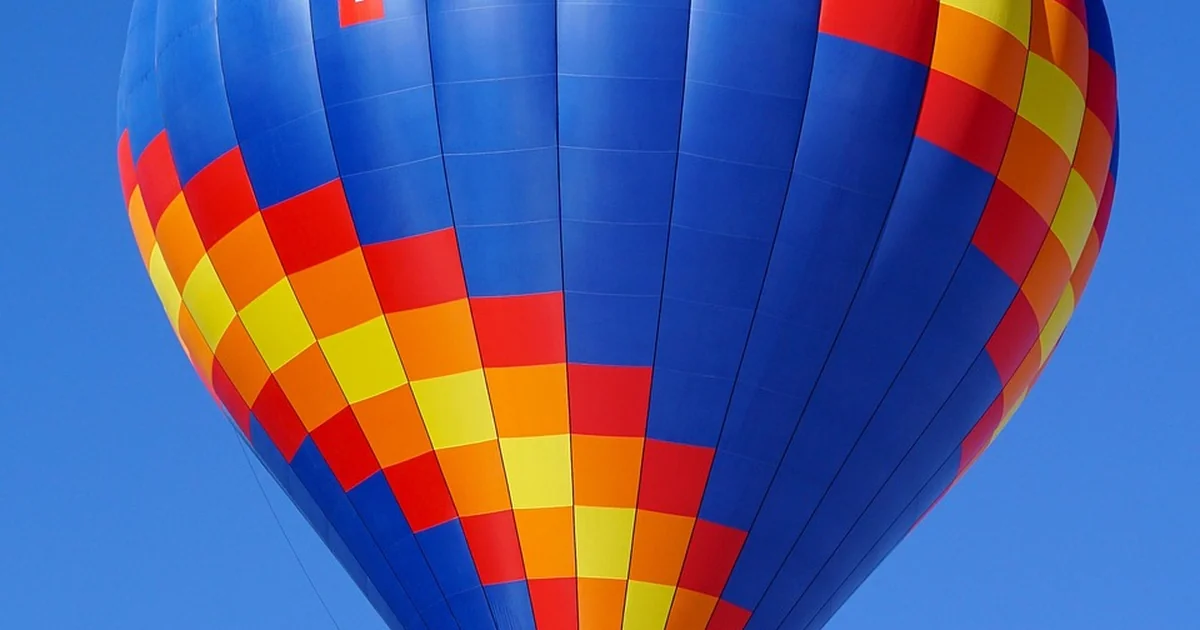
Not every balloon is built to handle the heat of a glue gun. The difference between a successful project and a frustrating, sticky mess often comes down to the material you choose before you even pick up a single wooden disc. Thicker latex or Mylar balloons are recommended for this project because they can withstand the warmth radiating from hot glue without giving out. Standard party balloons — the kind you buy in a bulk pack of 30 for a few dollars — tend to be extremely thin. They work beautifully for helium-filled celebrations but become unreliable the moment you introduce heat.
When you are shopping for supplies, look for balloons described as heavy-duty or intended for outdoor displays. Mylar, the shiny metallic material often used for number-shaped birthday balloons, handles temperature fluctuations remarkably well. Its foil-like surface actually disperses heat more evenly than thin latex. If you prefer the matte, organic look of latex, seek out brands that specifically label their balloons as thick or professional grade. They cost a bit more per unit, but spending an extra dollar or two saves you from starting over halfway through assembly.
Thicker latex or Mylar balloons in round or oval shapes work best, as super-thin balloons may burst the second hot glue gets near them.
What Is the Basic Process for Making the Vase?
The process involves hot gluing wooden discs around a balloon, then popping the balloon once dry. That sounds straightforward, and it genuinely is, but the sequence of steps matters more than you might expect. Begin by slightly under-inflating your balloon. A fully taut balloon creates too much surface tension and becomes less forgiving when you press glued discs against it. An under-inflated balloon has a bit of give, which means the wooden pieces nestle into the curve rather than sliding off.
Apply a small dab of hot glue to a wooden disc — never to the balloon itself — and press it against another disc. You are building a shell, piece by piece, working outward from a starting point. Some people begin at what will become the base of the vase and work upward. Others prefer starting in the middle and expanding in both directions. There is no single correct method, but maintaining consistent spacing between discs helps the finished piece look intentional rather than haphazard. Continue gluing discs together around the balloon until you have left a small opening at the top, roughly the size of a quarter or slightly larger. This opening is where your faux stems will eventually go.
Once every disc is connected and the structure feels rigid, set it aside to dry completely. Rushing this step is the most common mistake. Glue that looks dry on the surface may still be soft underneath, and popping the balloon too early can cause sections to collapse inward. Give it at least an hour in a cool, dry spot. When you are confident the glue has cured, take a pin or the tip of scissors and pop the balloon through one of the small gaps. Peel away any latex fragments that cling to the inner edges. You are left with a hollow, bowl-shaped vessel ready to display faux greenery.
Glue wooden discs together around a slightly under-inflated balloon, let dry, pop the balloon, and add faux greenery. That is the entire process in its simplest form.
Can Other Materials Replace the Wooden Discs?
Decorative elements other than wooden discs, such as bottlecaps, seashells, or rocks, can be used for a completely different look. The wooden disc version has an earthy, Scandinavian-inspired aesthetic that pairs beautifully with dried eucalyptus or faux ferns. But the underlying technique works with almost any small, relatively flat object that can hold a dab of hot glue. Once you understand the basic principle — building a hollow shell around a balloon mold — the design possibilities multiply quickly.
Bottlecap vases have a quirky, upcycled charm. If you drink soda or craft beer, save the caps for a few weeks until you have enough to cover a small balloon. The metal surfaces take spray paint exceptionally well, so you can finish the entire vase in matte black, brushed gold, or a cheerful pastel. Seashells collected from a beach trip create a vase that feels like a permanent vacation. The natural variations in shell color and texture mean no two pieces will ever be identical. Small, smooth river rocks produce a vase with substantial weight and a polished, gallery-like presence. The rocks do not need any additional finish — their natural gray and beige tones work with nearly every decor style.
Yes, you can use bottlecaps, seashells, small rocks, or other items for a customized look that reflects your personal taste.
How Can You Avoid Damaging the Balloon During Assembly?
The hot glue tip should never touch the balloon directly. This is the single most important safety rule for the entire project, and it is worth repeating in half a dozen different ways because the instinct to press the glue gun nozzle against the balloon is surprisingly strong. When you are focused on attaching a disc, your hand naturally wants to brace the gun against something stable. The balloon seems like a convenient surface. But direct contact between a hot metal tip and stretched latex or Mylar creates an instant weak spot. Even if the balloon does not pop immediately, it develops a thin area that can rupture under the pressure of subsequent gluing.
Instead, apply glue to the decorative element before attaching it. Hold the wooden disc, bottlecap, or shell in your non-dominant hand. Use the glue gun to place a small bead of adhesive on the edge or flat surface of that item. Then bring the item to the balloon and press it against the neighboring piece you want to connect it to. The glue never touches the balloon itself — only the items you are bonding together. A low-temperature glue gun, like the Surebonder Cool Shot, makes this process far more forgiving. Standard high-temperature guns pump out adhesive that can radiate enough ambient heat to weaken a balloon even without direct contact. Low-temperature guns reduce that risk significantly.
Never touch the hot glue tip to the balloon; instead, apply glue to the decorative element before attaching it. This one habit shift prevents nearly every assembly mishap.
How to Choose the Right Balloon Shape and Size for Your Vase
Round or oval-shaped balloons should be used for this project, not cartoon-shaped ones. A basic sphere or egg shape creates a vessel with a natural, organic silhouette that holds faux stems gracefully. The curves are predictable and symmetrical, which means your glued shell will have consistent proportions from every angle. Cartoon-shaped balloons — the kind shaped like unicorns, dinosaurs, or birthday cakes — have protrusions, indentations, and irregular contours. Those odd shapes make it extremely difficult to build a stable shell. You end up fighting the balloon’s geometry instead of letting it guide your construction.
Size matters as well. A balloon inflated to about six or seven inches in diameter produces a vase suitable for a small arrangement of three to five faux stems. This is the sweet spot for a bedside table, bathroom shelf, or compact mantel display. An eight- or nine-inch balloon yields something closer to a centerpiece bowl, capable of holding a fuller arrangement. Keep in mind that the finished vase will be slightly smaller than the inflated balloon because the glued shell sits on the outside curve. If you want a final opening of about three inches across, choose a balloon that measures roughly four inches at its widest point when slightly under-inflated.
The balloon is used as a mold and should be slightly under-inflated regardless of the size you pick. A softer balloon absorbs the pressure of your hands as you work, reducing the chance of an accidental pop.
Creative Alternatives to Wooden Discs for the Vase Exterior
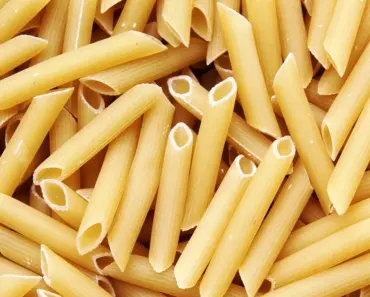
Beyond the bottlecaps and seashells already mentioned, an entire world of unconventional materials opens up once you start thinking about what else can be glued edge-to-edge around a curved surface. Dried pasta shapes — particularly large shells or rigatoni tubes — create a vase with remarkable texture. Spray-painted in a single glossy color, the pasta loses its kitchen-pantry identity and reads as intricate ceramic work. Flat glass marbles, the kind used in floral arrangements and aquariums, produce a vase that catches and scatters light. The translucency of the glass against a dark-painted inner shell adds depth that wooden discs cannot replicate.
Old buttons from thrift store jars or your grandmother’s sewing box offer another charming option. Mixed white and cream buttons in varying sizes give the finished piece a shabby-chic, cottagecore feel. For a more industrial look, small metal washers from a hardware store cost pennies each and develop a beautiful patina over time if left unpainted. Reusing materials you already have around the house can make this vase inexpensive to create. Raid your junk drawer, your craft bin, and your garage. The odds are good that you already own enough small objects to cover a balloon without spending a dime.
You may also enjoy reading: 7 Easy Ways to Plant & Grow Coral Bells.
Reusing materials can make the vase inexpensive to create, and the finished piece carries a story that store-bought decor simply cannot match.
Tips for Decorating the Finished Balloon Vase with Paint or Other Embellishments
Once the glue has cured and the balloon has been removed, you are holding a raw, unadorned shell. That shell is full of potential. A coat of spray paint transforms even the most humble materials into something that looks deliberately designed. If you used wooden discs, a light sanding followed by a matte white or soft sage green paint gives the vase a modern farmhouse feel. Metallic finishes — copper, brass, antique gold — elevate bottlecaps or washers into pieces that could sit confidently on a high-end coffee table. Apply two thin coats rather than one thick one. Thin coats dry faster, drip less, and preserve the texture of the underlying materials rather than burying it.
The resulting vase is not watertight and should only hold faux flowers. This limitation is worth embracing rather than fighting. Because you are working with dry materials only, you can decorate the interior of the vase as well as the exterior. A contrasting paint color on the inside walls creates a delightful surprise when someone peers into the opening. You can also glue a small piece of floral foam into the base to hold faux stems at precise angles. If you want to add embellishments like small beads, rhinestones, or decorative twine, attach them after painting so the adhesive bonds to the painted surface rather than the raw material.
The resulting vase is not watertight and should only hold faux flowers, which means you never have to worry about leaks, spills, or water rings on your furniture.
What to Do If the Balloon Pops Prematurely During Assembly
Even with careful planning, balloons sometimes give out mid-project. A weak spot in the latex, a moment of inattention with the glue gun, or simply a balloon that was inflated a hair too much can lead to a sudden, deflating pop. Your first instinct might be to scrap the entire effort and start over. Do not throw anything away. The partial shell you have already built is still usable. In fact, a premature pop can become a creative pivot rather than a failure.
The key is to assess how much of the shell you have completed. If you are maybe 60 percent done, you have a curved fragment that can become a wall-mounted planter for air plants. Attach a small picture hanger to the back with strong adhesive, and you have an unexpected piece of dimensional wall art. If you are 80 percent or more finished, you can often continue building without the balloon mold. The existing structure holds its shape well enough that you can glue the remaining discs onto the open edge by hand. Work slowly and check the symmetry every few pieces. A low-temperature glue gun, like the Surebonder Cool Shot, is helpful here because you can hold pieces in place longer without burning your fingertips. The finished vase may have a slight irregularity to its rim, but that irregularity often looks intentional — like hand-thrown pottery.
How to Repurpose the Vase for Different Occasions or Themes
A balloon vase diy project does not lock you into a single look forever. The same vessel can shift its personality dramatically with a change of contents and a few simple adjustments. During the holiday season, fill the vase with faux evergreen sprigs, pinecones, and a few clusters of red berries. In spring, switch to pastel-colored faux tulips or cherry blossom branches. For a summery outdoor table, bright faux sunflowers or daisies against a white-painted vase evoke a picnic mood without any risk of wilting in the heat.
You can also modify the vase itself between occasions. A ribbon tied around the narrowest part of the neck changes the silhouette instantly. A battery-operated micro string light tucked inside the vase and woven through the faux stems creates a warm, ambient glow for evening gatherings. If you made multiple balloon vases in different sizes, group them together as a tablescape. Three vases of graduated heights, all painted the same color but holding different types of faux botanicals, make a cohesive statement that reads as intentional curation rather than scattered clutter. The slightly under-inflated balloon method you used for each one ensures they share a common visual language even if the exterior materials differ.
TikTok user ourwintonhome uses deflated balloons to make a charming DIY vase, and her video sparked a wave of creativity precisely because the finished piece adapts so easily to personal style. You can follow the same basic mold technique and produce a result that looks nothing like anyone else’s.
Frequently Asked Questions
What if I don’t have a low-temperature glue gun — can I still make this vase?
You can, but you need to be significantly more cautious. A standard high-temperature glue gun runs hot enough to weaken latex on contact and can cause Mylar to warp or pucker. If a high-temperature gun is your only option, keep the nozzle at least half an inch away from the balloon at all times. Apply the glue to your wooden discs or decorative items well away from the balloon, then bring the glued piece to the shell you are building. Work in shorter sessions so the ambient heat does not build up around the balloon. If you enjoy crafting and plan to make more than one balloon vase, investing in an inexpensive low-temperature gun saves both frustration and ruined materials.
Can I use a water balloon or a punch balloon instead of a standard party balloon?
Water balloons are generally too small and far too thin for this project. They are designed to burst on impact, which means their latex walls are among the thinnest available. Even a low-temperature glue gun will likely pop a water balloon during the first few minutes of assembly. Punch balloons, on the other hand, are an interesting option. They are made from thicker rubber and inflate to a larger, rounder shape than standard balloons. The heavy-duty rubber handles heat reasonably well, and the larger size lets you build a bigger vase suitable for a floor display or a substantial table centerpiece. Just remember to under-inflate it slightly, as you would with any other balloon.
How many wooden discs do I need for a typical balloon vase?
For a balloon inflated to about six inches in diameter, you will need between 60 and 80 small wooden discs, depending on the disc size and how tightly you pack them. The BYHER Tree Bark Slices, which are roughly one inch in diameter, are a popular choice. You can use larger discs to cover the balloon faster, but larger discs create a chunkier, less detailed texture. Smaller discs take more time to apply but produce a finer, more intricate finished surface. If you are using alternative materials like bottlecaps or seashells, count on a similar quantity — roughly 70 to 90 pieces — for a comparably sized balloon. Buy or gather more than you think you need. Having extras on hand is far better than running out when you are three discs away from finishing.
So the next time you host a birthday, a baby shower, or a just-because gathering, look at those balloons with fresh eyes. Instead of rushing to the trash bag, set a few aside. Under-inflate them slightly. Pull out your glue gun and whatever small treasures you have collected. In an afternoon, you can turn what was destined for the landfill into a handmade vase that holds faux blooms all year long, reminding you that the best decor often starts with something you almost threw away.