You know that moment when you need an activity to keep little hands busy, but you do not want to dig out a complicated craft kit or deal with a massive mess? That is exactly where this simple sensory material comes in. With just two kitchen staples, you can whip up a soft, crumbly, moldable substance that holds surprising benefits for children’s development and mood. It is called cloud dough, and it takes only minutes to prepare.
What Makes Cloud Dough Different From Regular Play Dough?
If your child has ever worked with standard, store-bought play dough, they likely know that familiar dense and smooth feel. Cloud dough offers a completely different experience. The mixture of cornstarch and shaving cream creates an ultra soft textured play dough that feels almost powdery to the touch. When you squeeze a handful, it holds its shape for a moment, then crumbles apart if you let it go too quickly.
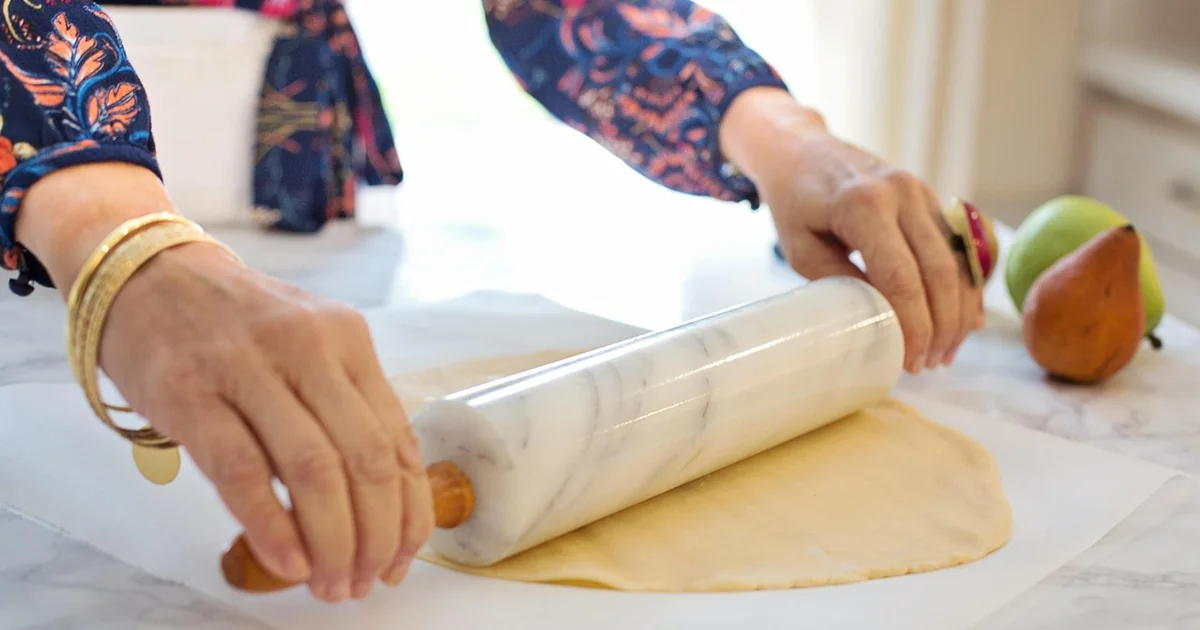
It is more crumbly than typical play dough, but it is still moldable and can be rolled out like a soft pie crust. That unusual combination of being both fluffy and slightly gritty makes it a completely novel material for children. They cannot predict exactly how it will behave, which keeps their attention locked in.
Mini Payoff: Cloud dough is softer, fluffier, and more crumbly than typical play dough, making it a novel sensory material.
How Do You Make This Cloud Dough Recipe?
Here is where it gets interesting. The basic cloud dough recipe relies on just two ingredients that you probably already have at home. You mix two cups of shaving cream with two cups of cornstarch. That is it for the base.
Gather up your ingredients and let the kids help, because making it is half the fun. Pour the cornstarch into a large mixing bowl. Add the shaving cream on top. Use a rubber spatula to combine them, folding the mixture over itself until it looks evenly blended. You may need to get your hands in there toward the end to work out any dry pockets. The more you knead it, the smoother and more uniform the texture becomes.
If you want to add a subtle color, stir in five to ten drops of a natural colorant. This step is optional, but it can make the dough feel more magical for younger children. A pastel blue or soft pink tint adds to the appeal without staining little hands.
Mini Payoff: The recipe includes 2 cups shaving cream, 2 cups cornstarch, and optional essential oils such as lavender, vetiver, cedarwood, and bergamot. Adult supervision is recommended when using essential oils with children. The play dough is for sensory play only and is not edible.
How Does Cloud Dough Support Sensory Development?
Children learn about the world through their senses, and touch is one of the most powerful channels for that exploration. Cloud dough delivers a sensory-rich experience that you simply cannot get from plastic toys or screens. Its unique texture stimulates the sense of touch in a way that encourages children to slow down and pay attention to what their hands are feeling.
When a child presses their fingers into a fresh batch of cloud dough, they feel three different sensations at once. The initial contact is soft and cool from the shaving cream residue. As they push deeper, they encounter the fine, powdery resistance of the cornstarch. Then, if they squeeze, the whole mass firms up before crumbling again. That sequence of changing tactile feedback keeps the brain engaged and curious.
Mini Payoff: Its unique texture provides a sensory-rich experience, stimulating the sense of touch and encouraging texture exploration.
Can Cloud Dough Be Used to Help Children Feel Calm or Focused?
Yes, and this is where the cloud dough recipe becomes more than just a playtime activity. The soft, forgiving texture of the dough naturally encourages slow, rhythmic movements. Squeezing, patting, and rolling are repetitive actions that can lower a racing heartbeat and help a restless mind settle.
You can amplify that calming effect by adding a few drops of essential oils known for their soothing properties. Lavender, vetiver, cedarwood, and bergamot each carry their own special properties. Lavender is widely recognized for its relaxing aroma. Vetiver has an earthy scent that many people find grounding. Cedarwood offers a warm, woody note that promotes a sense of safety. Bergamot adds a light citrus lift without being sharp.
For a simple blend, add four drops of lavender, two drops of vetiver, two drops of cedarwood, and two drops of bergamot to your dough while mixing. Always use adult supervision when working with essential oils around children, and avoid them entirely if your child has allergies, asthma, sensitive skin, or known reactions to fragrances. Discontinue use if any irritation occurs.
Mini Payoff: Adding essential oils like lavender, vetiver, cedarwood, and bergamot can infuse the dough with calming and focus-promoting properties.
How Does Manipulating Cloud Dough Strengthen Fine Motor Skills?
Fine motor skills are the small muscle movements in the hands and fingers that children need for writing, drawing, buttoning shirts, and using utensils. Cloud dough is an excellent tool for building those skills because it requires a variety of hand actions to manipulate it effectively.
Children naturally pinch off small pieces, roll them into balls between their palms, and press them flat with their thumbs. Each of these motions targets different muscle groups in the hand. Squeezing a fistful of dough works the grip strength. Using fingertips to create indentations or to poke patterns develops precision. Rolling ropes or snakes between the palms coordinates both sides of the hand together. Over time, these repeated movements strengthen the hand muscles and improve dexterity in a way that feels like play rather than work.
You may also enjoy reading: Regretful Mom Laments Gentle Parenting Mistake: Anxious Entitled Kids.
Mini Payoff: Pinching, squeezing, and shaping the dough strengthen hand muscles and improve dexterity, crucial for writing and drawing.
What Simple Science Experiments Can Cloud Dough Facilitate?
Cloud dough is not just a craft material; it is also a low-pressure introduction to scientific thinking. The mixture of cornstarch and shaving cream behaves differently depending on how you apply force, which makes it a fascinating material for observation.
Ask your child to press a handful of dough very slowly. Then ask them to squeeze the same amount as hard and fast as they can. They will notice that the dough changes consistency when squeezed or shaped. When pressed quickly, it firms up and holds a crisp edge. When handled gently, it flows and crumbles more easily. This non-Newtonian behavior is similar to the way oobleck (cornstarch and water) works, but it is much less messy and more forgiving for little hands.
You can extend the experiment by adding small amounts of water one teaspoon at a time. Observe what happens to the texture. Does it become stickier? Does it stop holding its shape? Does it feel more like a paste? These simple observations lay the groundwork for understanding states of matter, chemical reactions, and cause-and-effect reasoning.
Mini Payoff: Children can observe how the dough changes consistency when squeezed or shaped, fostering early interest in science and experimentation.
How Should Cloud Dough Be Stored to Keep It Fresh?
One of the best things about this cloud dough recipe is that you can make it ahead of time and reuse it for days or even weeks. However, because both cornstarch and shaving cream are air-sensitive, you need to store it properly to prevent it from drying out.
After your child finishes playing, gather the dough into a ball. Wrap it tightly in plastic wrap, pressing out as much air as possible. Then place the wrapped ball inside an airtight container, such as a resealable plastic bag or a plastic container with a snap-on lid. Store the container in a cool, dry place away from direct sunlight. When you are ready to play again, let the dough sit at room temperature for a few minutes before unwrapping it. If it feels a bit dry, knead in a tiny splash of water or a small squirt of fresh shaving cream to restore its original softness.
Mini Payoff: Wrap the dough ball in plastic wrap and store it in an air-tight container to prevent it from drying out.
Frequently Asked Questions
Is cloud dough safe for toddlers who still put things in their mouths?
No, cloud dough is not edible and should only be used for sensory play under adult supervision. The combination of cornstarch and shaving cream is not toxic in small amounts, but eating large quantities could cause an upset stomach. For very young children who are still mouthing objects, consider using a taste-safe alternative like edible play dough made from flour and water.
Can I substitute shaving cream with something else in this cloud dough recipe?
Shaving cream is the core ingredient that gives cloud dough its fluffy, airy texture. Substitutes like whipped soap or foaming hand soap create a different consistency that is usually denser and stickier. If you need a shaving cream alternative for skin sensitivity reasons, try a fragrance-free, sensitive-skin shaving cream brand. Keep in mind that the texture may change slightly with any substitution.
How long does homemade cloud dough last before it goes bad?
When stored correctly in an airtight container away from moisture and heat, cloud dough can stay soft and usable for two to three weeks. Over time, the shaving cream slowly breaks down and the dough loses its fluffiness. Once the texture becomes gritty, dry, or starts to crumble with no way to reshape it, it is time to make a fresh batch. Do not add water to revive old dough, as that can lead to mold growth.