The thrill of a child learning to ride a bike is a memory etched in the minds of many parents. It’s a milestone, a burst of confidence, and a whole lot of wobbly determination. But navigating the world of kids’ bikes can feel overwhelming – so many brands, sizes, and features! This guide cuts through the confusion, focusing on quality, fit, and features that will make the learning process smoother and more enjoyable. We’ve compiled a list of 11 exceptional kids’ bikes, covering a range of budgets and riding styles, all designed to help your little one achieve that coveted two-wheeled freedom. Let’s dive in and discover the perfect ride for your two-wheeling kiddo, keeping in mind that a well-fitted bike is always the most important factor, regardless of brand or price. We’ll explore why inseam measurements are crucial, the benefits of lighter bikes, and the growing popularity of balance bikes as a stepping stone to pedal power.
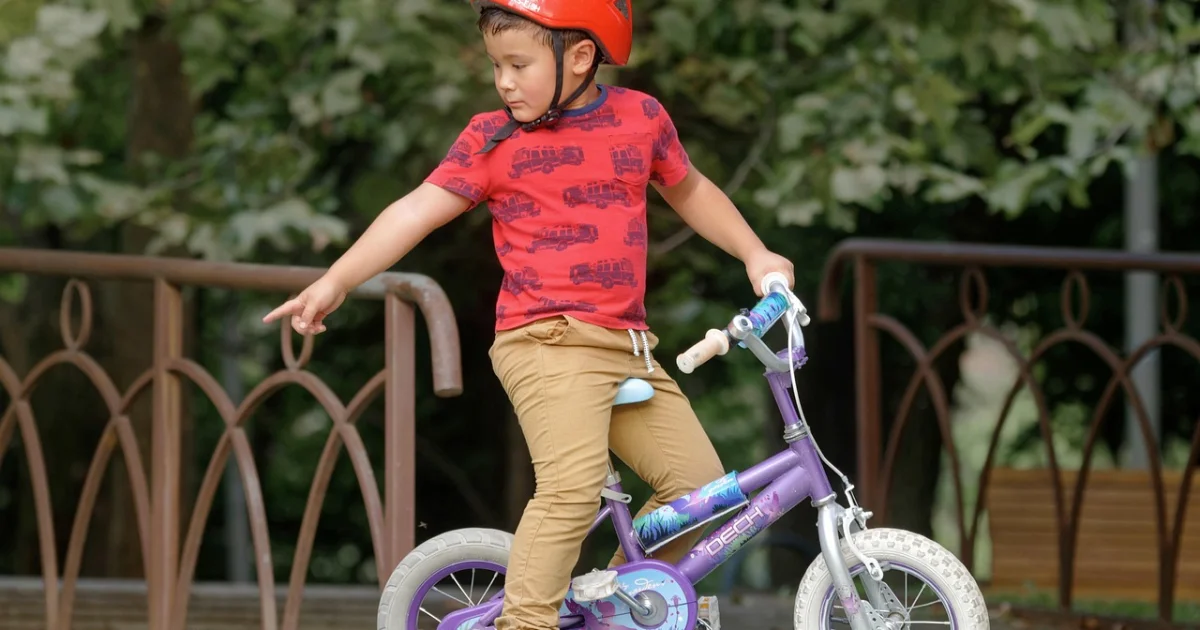
Choosing the right kids’ bike is more than just picking a pretty color. It’s about ensuring a safe, comfortable, and enjoyable riding experience. A bike that’s too big can be intimidating, hindering a child’s ability to learn and build confidence. Conversely, a bike that’s too small can feel cramped and uncomfortable, leading to frustration. Let’s break down the key considerations and then explore our top 11 picks.
The Critical Fit Factor: Why Inseam Matters More Than Age
You’ll often hear people suggest buying a bike based on a child’s age. However, age is a notoriously unreliable indicator of bike size. Consider this: a 7-year-old can be significantly taller or shorter than a 6-year-old. The most accurate way to determine the right size is by measuring your child’s inseam – that’s the distance from their crotch to the floor while wearing shoes. This measurement, combined with the bike’s frame size, will ensure a comfortable and safe fit.
Many manufacturers use wheel diameter to denote size (16-inch, 20-inch, 24-inch, etc.). However, frame sizes and geometry vary dramatically between brands. A 20-inch Woom, for example, will feel and handle very differently from a 20-inch bike from a less specialized brand. The Woom’s geometry is designed specifically for young riders, prioritizing stability and balance. Prioritize a bike where the child can comfortably straddle the top tube with both feet flat on the ground – this allows for a natural and balanced riding position. Don’t be swayed by flashy colors or trendy designs; prioritize fit above all else. A good rule of thumb is to allow approximately 6-12 inches of clearance between the child’s crotch and the top tube when seated – this provides crucial stability.
Fit is the most important factor when choosing a bike, and a too-big bike can hinder learning. It’s far better to err on the side of slightly smaller than too large, as a smaller bike is easier to maneuver and control. Remember, the goal is to foster confidence and enjoyment, not frustration and discouragement.
Beyond the Basics: Features to Look For
While fit is paramount, certain features can significantly enhance the riding experience for young children. Let’s explore some important considerations:
Lightweight Design: The Woom Advantage
Many cheaper kids’ bikes are surprisingly heavy, often exceeding 30 pounds. This weight can make maneuvering the bike difficult, especially for younger children. A heavier bike requires more effort to accelerate, slow down, and turn, increasing the risk of accidents. Woom bikes, in particular, stand out for their exceptionally light weight—they’re often under 15 pounds, making them incredibly nimble and easy to handle. This lightweight design is a key factor in their popularity and effectiveness for teaching young children to ride. The difference in weight is truly noticeable, and it dramatically impacts the overall riding experience. The lighter the bike, the easier it is for a child to balance and develop their coordination.
Belt Drives vs. Chain Drives: Low Maintenance and Durability
Traditional kids’ bikes typically use chain drives, which require regular lubrication and maintenance. Chains can also be prone to breakage, especially with frequent use. Priority bikes and some other newer models are embracing belt drives, which offer several advantages. Belt drives are low-maintenance, requiring no lubrication and are significantly more durable than chains. They’re also quieter and cleaner. This makes them an ideal choice for families who are looking for a hassle-free riding experience.
Braking Systems: Coaster Brakes vs. Hand Brakes
Most entry-level kids’ bikes come equipped with coaster brakes—pedals that act as brakes when pressed backward. While coaster brakes are easy for young children to operate, they can be unpredictable, especially as the child gains speed. Woom bikes, and other higher-end models, typically feature hand brakes, which provide greater control and stopping power. Teaching a child to use hand brakes is an essential skill, and it’s generally recommended to start with hand brakes as soon as they’re ready to ride.
You may also enjoy reading: 7 Essential Summer Vibes Every 90s Summer Mom Needs to Bring Back for Their Kid's Perfect….
Balance Bikes: A Great Starting Point
The popularity of balance bikes is soaring, and for good reason. Balance bikes allow children to learn the fundamental skills of balancing and steering without the added complexity of pedals. This can significantly accelerate the learning process and boost a child’s confidence. Children can become confident riders quickly with balance bikes, and many transition seamlessly to pedal bikes without any training wheels. Woom offers a fantastic balance bike that’s perfectly sized for young children and is designed to teach them the essential skills they need to succeed on a pedal bike.
Our Top 11 Kids’ Bikes for Sale in 2024
- Woom 2 (14-inch): (Approx. $699) – The gold standard for first pedal bikes. Lightweight, kid-specific geometry, and a focus on balance and control.
- Priority Adventure 12 (20-inch): (Approx. $799) – Belt drive, internally geared hubs, and lightweight construction make this a durable and low-maintenance option.
- Cleary Bikes Scout 16 (16-inch): (Approx. $599) – A stylish and well-designed bike with a comfortable geometry and easy-to-use hand brakes.
- Prevelo Balance Bike (16-inch): (Approx. $399) – A high-quality balance bike that’s built to last and designed to teach children the fundamentals of riding.
- Frog Bikes Mini 16 (16-inch): (Approx. $599) – A fun and engaging bike with a low step-through frame and easy-to-reach hand brakes.
- Guardian Gear 16 (16-inch): (Approx. $449) – A solid and affordable option with a durable frame and reliable components.
- Ribble Kids’ Bike 16 (16-inch): (Approx. $499) – A well-built bike with a comfortable seat and adjustable handlebars.
- Specialized Hotfoot 12 (12-inch): (Approx. $499) – A lightweight and maneuverable bike that’s perfect for beginners.
- Rad Power Bikes Explorer 16 (16-inch): (Approx. $449) – A budget-friendly option that’s surprisingly well-equipped.
- Elite Pedaler 16 (16-inch): (Approx. $349) – A basic but reliable bike that’s a great value for the price.
- Used Woom or Priority Bike: (Price Varies) – A fantastic way to save money and get a high-quality bike that’s been well-maintained.
Where to Buy Kids’ Bikes
Numerous retailers offer kids’ bikes, including online retailers like Amazon, REI, and the manufacturers’ websites (Woom, Priority, etc.). Local bike shops are also a great resource, as they can offer expert advice and fitting services. Community bike swaps and yard sales can be a treasure trove of used bikes, offering a more affordable option. Don’t be afraid to shop around and compare prices before making a purchase. Remember to factor in shipping costs and any assembly fees when comparing prices online.
Finally, don’t forget the essential safety gear – a properly fitted helmet is non-negotiable. When choosing a helmet, ensure it fits snugly and meets safety standards. Your child’s safety should always be your top priority.
Transitioning from Balance Bikes to Pedal Bikes
When your child is ready to move from a balance bike to a pedal bike, the transition can be smoother with a few key considerations. Start with a bike that’s slightly smaller than their current balance bike, allowing for comfortable foot placement. Remove the pedals from the pedal bike and let your child practice balancing and steering with their feet on the ground. Once they’re confident, reattach the pedals and introduce them to the hand brakes. Keep the learning process fun and positive, and celebrate their successes along the way. A little encouragement and patience can go a long way.
Considering Age vs. Size: A Deeper Dive
Let’s revisit the age vs. size debate. While age provides a general guideline, it’s crucial to understand that children develop at different rates. A 6-year-old might be taller and more physically mature than a 7-year-old, warranting a different bike size. Focusing solely on age can lead to a poor fit and a frustrating learning experience. Always prioritize measuring the inseam and observing your child’s comfort and confidence on the bike. A slightly smaller bike is almost always preferable to a bike that’s too big.
Remember, the goal is to foster a lifelong love of cycling. Choosing the right bike is a crucial step in achieving that goal. With a little research and careful consideration, you can find the perfect pedal for your two-wheeling kiddo – one that will provide years of fun, adventure, and healthy activity.