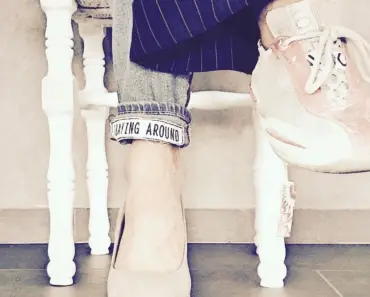
Blazer combinations with chinos are timeless: match navy, charcoal, or brown blazers with beige, olive, or grey chinos. Fit matters—shoulders align, and chinos allow a two-centimeter pinch at the thigh. Choose seasonal fabrics, and always leave the bottom button undone. In short, blazer combinations are curated pairings of blazers with chinos that follow color coordination, fit rules, and seasonal fabric choices to create versatile outfits. Understanding the differences between a blazer, a sport coat, and a suit jacket is the first step toward building a capsule wardrobe that works.
Blazer, Sport Coat, or Suit Jacket: What’s the Difference?
Each jacket type has its own fabric and button conventions. Blazers use solid wool or cotton with metal buttons, sport coats use tweed with horn buttons, and suit jackets use fine worsted wool with matching buttons. Once you know the type of jacket you’re working with, the next step is ensuring it fits properly.
| Jacket Type | Fabric | Buttons |
|---|---|---|
| Blazer | Solid wool, hopsack, or cotton | Metal or contrast buttons |
| Sport coat | Tweed, flannel, or textured fabrics | Horn, leather, or wood buttons |
| Suit jacket | Fine worsted wool | Matching fabric-covered buttons |
How Should a Blazer and Chinos Fit?
A proper blazer fit begins at the shoulders. The shoulder seams must sit at the edge of the shoulder bone. When buttoned, a fist should fit between the chest and the fabric, preventing any pull or strain. The blazer length must cover the seat and align with where the fingers curl when the arms hang naturally—too long or too short throws off the proportions. These three checks create a balanced silhouette that works with both slim and relaxed chinos.
Sleeve and chino details matter just as much. Blazer sleeves should show 1 to 1.5 centimeters of shirt cuff; that narrow band of fabric signals proper tailoring. For chinos, a pinch of roughly two centimeters of fabric at the thigh indicates the right balance between fitted and comfortable. Both measurements are quick to verify but make a substantial difference in how the outfit reads. Fit is the non-negotiable foundation beneath every color and fabric choice, and getting it right means each blazer-chino combination looks intentional.
The Essential Blazer and Chino Color Pairings
Color pairing defines the mood of any blazer combination. The right match can project authority, ease, or creativity. A navy blazer paired with beige or khaki chinos delivers a classic look, while a charcoal blazer with light grey chinos creates a sharp, formal contrast. The pairings below cover most occasions.
- Navy blazers: A wardrobe anchor that works for both office and evening. Pair with beige, khaki, grey, olive, rust, or white chinos.
- Charcoal blazers: A cool, formal option that sharpens any look. Pair with light grey, navy, beige, or burgundy chinos.
- Black blazers: Sleek and dramatic, best in low-light settings. Pair with beige, khaki, grey, or burgundy chinos.
- Brown blazers: Warm and approachable, ideal for earth-tone outfits. Pair with navy, olive, beige, khaki, or rust chinos.
- Green blazers: A versatile neutral with a natural feel. Pair with beige, khaki, brown, navy, or grey chinos.
- Burgundy blazers: A bold statement color that demands restraint below. Pair with navy, grey, beige, black, or camel chinos.
- Beige or tan blazers: Light summer staples that keep the look relaxed. Pair with navy, grey, olive, white, or black chinos.
- White or cream blazers: Summer elegance that leans into contrast. Pair with navy, olive, grey, burgundy, or khaki chinos.
These pairings form a reliable palette. By starting with a navy blazer and beige chinos, you build a base that can expand with charcoal, olive, and burgundy pieces. The result is a capsule that offers dozens of outfits without duplication. Color choice also depends on the season, so adjust fabric weight and texture accordingly.
How to Choose the Right Blazer Fabric for Each Season?
Linen blazers pair with light cotton chinos for spring and summer. This combination keeps you cool while maintaining a crisp, unstructured look, and linen’s natural wrinkles add texture that feels intentional rather than sloppy. Linen’s breathability makes it a go-to for summer social gatherings, and cotton chinos complement the lightweight feel—making this duo a staple for warm-weather wardrobes.
Autumn and winter call for heavier fabrics. Tweed blazers suit the colder months and pair with slim-fit chinos in khaki, brown, or olive. Flannel blazers also work for autumn and winter, sitting best with heavier chinos in dark olive, charcoal, or burgundy. For formal winter events, velvet blazers offer a luxurious sheen and should be worn with black or navy dark chinos. Each fabric changes the weight and drape of the outfit, so matching the texture of the blazer to the weight of the chinos keeps the silhouette balanced across all four seasons.
Footwear and Button Rules: The Finishing Touches
Footwear sets the formality of a blazer-chino combination. Oxfords are the most formal option, suited for business meetings and weddings. At the opposite end, white sneakers are the least formal and work for casual Fridays and travel. The space between holds loafers, derbies, and chukka boots—all valid depending on the blazer fabric and occasion.
Button etiquette is precise. On a two-button blazer, only the top button should be fastened. On a three-button blazer, the middle button must be fastened and the top button is optional. The bottom button must always remain undone, whether the blazer has two or three buttons. This rule is not a suggestion: it allows the jacket to drape naturally when sitting and creates a clean line when standing—details that distinguish a polished outfit.
What’s Next for Blazer Combinations in 2026?
The 2026 trends point toward unstructured blazers and relaxed tailoring with wider chino legs. The move is away from rigid shoulders and slim silhouettes toward comfort and ease. A softer shoulder line and a fuller leg change the proportions, making the outfit feel modern while keeping the classic blazer-chino foundation intact. This evolution rewards wearing the right fabric and color even more, because the fit is intentionally looser.
Building Your Capsule Wardrobe: Key Takeaways
A capsule wardrobe built on blazer combinations starts with the right foundation. Choose a navy blazer in a wool or hopsack fabric, a pair of beige chinos, and a pair of olive chinos. That single blazer and two pairs of chinos, matched correctly, give you four distinct outfits before you add a second blazer. This core selection covers both formal and casual occasions with simple swaps.
Fit rules remain non-negotiable: shoulder seams align precisely with the bone, a fist of space at the chest, sleeves showing a centimeter of cuff, and chinos that pinch two centimeters at the thigh. These measurements apply whether you buy off the rack or have pieces tailored. Color pairings become instinctive once you know that navy goes with beige, charcoal with light grey, and brown with olive.
Seasonal fabrics—linen for warm months, tweed for cold—keep the look appropriate year-round. Finally, always leave the bottom button undone and choose footwear that matches the occasion. These rules cover everything from fabric to fit, and with them you can create polished outfits from a small core collection.
FAQ
Q: What color blazer goes best with beige chinos?
A: Navy, charcoal, brown, green, burgundy, and even black blazers all pair well with beige chinos. For a classic look, choose navy.
Q: Can you wear sneakers with a blazer and chinos?
A: Yes. White sneakers are a popular casual option, especially for casual Fridays or travel. They are the least formal footwear and work best with relaxed blazer combinations.
Q: What is the difference between a blazer and a sport coat?
A: Blazers use solid fabrics like wool or hopsack with metal buttons. Sport coats use textured fabrics like tweed with horn or leather buttons. Blazers are more structured; sport coats are more casual.