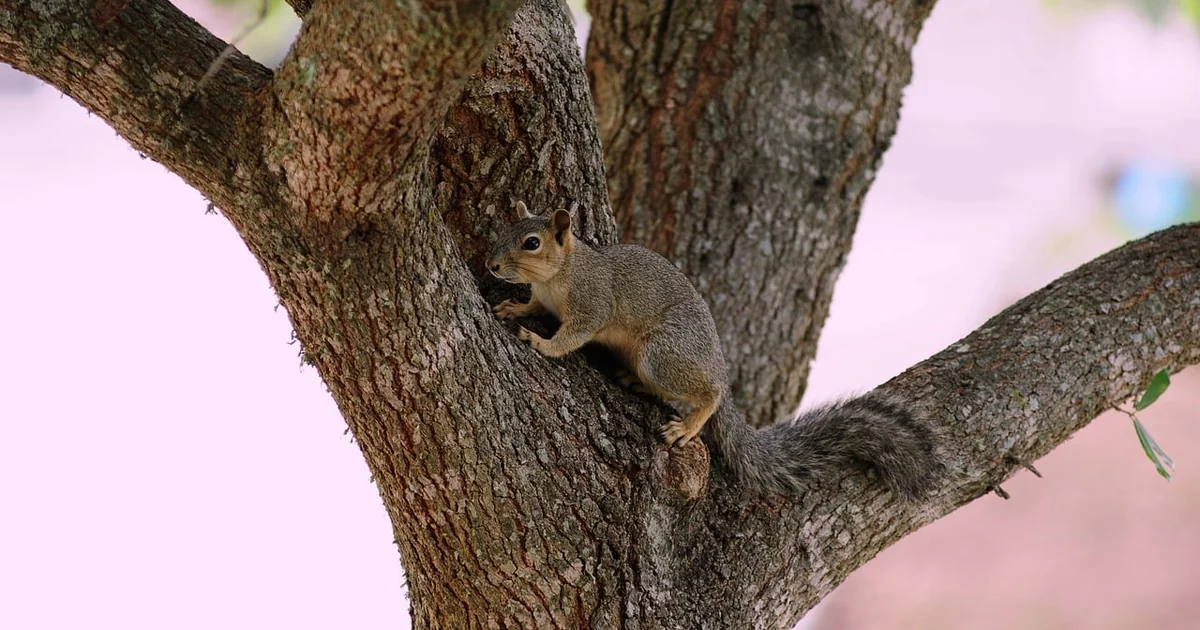
Squirrels are adorable little creatures small in size with bushy tails, and watching them scamper across your yard can be a delight. However, when their numbers grow too large or they start causing damage to your garden, bird feeders, or even your home, you may be dealing with a squirrel infestation. The good news is that you don’t have to resort to harmful methods. Learning humane squirrel removal techniques allows you to address the problem while keeping these animals safe. In this article, we’ll explore nine practical, family-friendly ways to manage yard pests and restore balance to your outdoor space. From simple deterrents to exclusion strategies, these tips will help you handle wildlife control with compassion and effectiveness.
1. Identify the First Signs of Squirrel Activity
Before you can solve a squirrel problem, you need to know you have one. Early detection is the cornerstone of effective humane squirrel removal, because it gives you time to act gently before the situation grows. Keep an eye out for common squirrel signs such as destroyed flower beds, where squirrels dig for bulbs or seeds, or strange sounds from the attic like scratching and scurrying, especially at dawn and dusk. Scattered squirrel droppings around your yard or near your home’s foundation are another clear giveaway. Spotting these clues early lets you choose simple, compassionate strategies to encourage the squirrels to move along on their own, rather than waiting until they have nested and become more challenging to handle. A little attentiveness now can save you from bigger garden damage later and keep your outdoor space welcoming for everyone.
2. Remove All Attractants from Your Yard
The most effective deterrent for squirrels is to remove the things that attract them to your home in the first place. When you take away easy food sources, squirrels have little reason to stay and will naturally move on to find a more welcoming spot. Start by removing food sources including low-hanging bird feeders, nuts, seeds, and discarded foods from your yard. A simple yard cleanup can make a big difference, as fallen fruit, acorns, and even leftover barbecue scraps can keep squirrels coming back day after day.
Bird Feeder Management
Bird feeders are a major squirrel attractant. Consider switching to a bird feeder squirrel proof design that closes when a heavier animal lands on it. Also, place feeders at least ten feet away from trees, fences, and roofs so squirrels cannot easily leap onto them. Regularly sweep up any spilled seeds beneath the feeder to avoid creating an all-you-can-eat buffet.
Pet Food and Compost
Do not leave pet food bowls outside for long periods, as squirrels will happily help themselves. If you have a compost pile, make sure it is enclosed in a sturdy bin with a tight lid. Avoid adding nuts, seeds, or fruit scraps that can tempt squirrels. These simple, budget-friendly steps are key to humane squirrel removal because they encourage the animals to leave on their own, without any stress or harm.
3. Plant Natural Squirrel-Repelling Flowers and Herbs
If you prefer a gentler approach, certain plants can keep squirrels away without causing them any harm. This makes them an excellent addition to your humane squirrel removal strategy. Flowers like daffodils, hyacinths, and marigolds are known natural deterrents. Their bright colors and strong scents are unappealing to squirrels, and in some cases, the taste of the bulbs or leaves is simply unpleasant. By adding these squirrel repelling plants to your garden, you create a natural barrier that discourages visits. Daffodils squirrels tend to avoid because the bulbs contain compounds that taste bitter. Marigolds garden beds benefit from the pungent aroma that many pests dislike. These low-maintenance flowers also add beauty and color, making your yard more welcoming for you while keeping critters at bay. Using such natural deterrents is a practical, budget-friendly way to protect your space without traps or chemicals.
4. Apply Humane Squirrel Repellents Safely
Store-bought squirrel repellents can be a convenient option when you want quick results. These products work by producing a strong smell and unpleasant taste that squirrels find off-putting, which encourages them to look elsewhere for food and shelter. The key advantage is that they are a form of humane squirrel removal because they do not trap, injure, or kill the animals. However, if you have pets or small children who play in the yard, you might worry about their safety around these repellents. The good news is that many options are designed to be a pet safe repellent, using natural ingredients that are unpleasant for squirrels but harmless to other animals and people.
When choosing a product, look for a natural squirrel deterrent made from ingredients like essential oils or plant-based compounds. These often rely on smell repellent properties that fade over time, so you will need to reapply them after rain or every few weeks. To keep your family safe, always read the label carefully and apply the repellent in areas where squirrels are active but children and pets do not frequently touch or play. Spraying along fence lines, near garden beds, or around bird feeders can be effective without creating unnecessary exposure. With a little care, you can use these repellents as a practical, budget-friendly part of your overall humane squirrel removal strategy.
5. Use Scare Tactics and Ultrasonic Devices Effectively
Scare tactics can be a temporary solution, but their effectiveness varies. While they may startle squirrels and send them running, the animals often realize there is no real threat and return quickly. For example, a motion-activated sprinkler can startle a squirrel with a sudden burst of water, but if it goes off repeatedly without any actual danger, the squirrel may become desensitized. Similarly, ultrasonic squirrel repellent devices emit high-frequency sounds that are meant to be irritating to squirrels, yet many experts note that squirrels can adapt to these noises over time. To make scare tactics more effective, you need to vary your approach. Combine a motion-activated sprinkler with visual deterrents, such as reflective tape or a decoy predator, and move them around your yard periodically. This unpredictability helps maintain the illusion of danger. Remember that scare tactics work best as part of a larger humane squirrel removal plan that also includes physical barriers and removing food sources. Always check that any device you use is safe for pets and children. With thoughtful rotation and realistic expectations, you can use these tools to discourage squirrels without causing them harm.
6. Install Physical Barriers and Seal Entry Points
Preventing access is a cornerstone of humane squirrel removal. Rather than dealing with squirrels once they have already entered your home, focus on making it impossible for them to get inside in the first place. Start by thoroughly inspecting your attic, roof, and foundation for any gaps, cracks, or holes. Squirrels can squeeze through surprisingly small openings, so seal any potential entry points with durable materials like hardware cloth, metal flashing, or caulk. Pay special attention to areas where pipes, wires, or vents enter your home, as these are common access points.
For a truly squirrel proof attic, install mesh covers over attic vents and soffits to allow airflow while keeping animals out. Chimneys are another frequent entry route, so a properly fitted chimney cap is a simple, budget-friendly solution that prevents squirrels from nesting inside. Also check for loose or damaged roof shingles, which can create inviting gaps. Remember that a combination of physical barriers, along with removing food sources and using unpleasant deterrents, should keep squirrels away. By sealing entry points and reinforcing vulnerable areas, you create a long-term, humane solution that protects your home without harming the wildlife.
7. Humanely Trap and Relocate Squirrels
When other methods fail, trapping can be a last resort—but it must be done correctly to qualify as humane squirrel removal. If you choose to trap, use a live trap, often called a humane squirrel trap, and check it at least twice a day. Prolonged confinement causes stress, so prompt action is essential. To give the squirrel a fair chance, relocate it five to ten miles away in a suitable habitat with ample food and shelter. Never release a squirrel in a neighbor’s yard or a park near your home, as it will simply return.
Before setting any trap, research your local squirrel trapping laws. Many regions require permits or prohibit relocation altogether, while others have specific seasons or restrictions on trap types. Following the regulations ensures you stay within the law and supports ethical wildlife management. If you’re unsure, contact your local wildlife agency for guidance. Combined with patience and care, this approach offers a last-resort, humane way to resolve a persistent squirrel problem.
8. Time Your Deterrents Seasonally for Best Results
Knowing when to act can make all the difference in your humane squirrel removal efforts. Squirrel activity shifts with the seasons, and aligning your approach with their natural rhythms boosts effectiveness without harming the animals. In early spring, squirrels are busy building nests and raising their first litters. This is an ideal time to install natural barriers like mesh around garden beds or trim back tree branches that offer easy roof access. A spring squirrel deterrent works well because the animals are less established and more likely to seek alternative homes when they encounter gentle obstacles.
Late fall is another key window for timing wildlife control. As squirrels prepare for winter, they become more active gathering food and seeking warm shelter. By fall squirrel prevention measures—such as sealing entry points to attics, sheds, and crawl spaces—you can stop them from settling in for the cold months. The same principle applies to bird feeders: switching to squirrel-proof designs in autumn reduces the food source that attracts them year-round. Remember, humane squirrel removal is not a one-time task but a seasonal practice. Patience and observation of squirrel season patterns will help you maintain a peaceful yard while respecting the wildlife that shares it.
9. Know When to Call Professional Pest Control
Sometimes your best DIY efforts just aren’t enough, and that is perfectly okay. Knowing the limit of humane squirrel removal is a sign of responsible wildlife management. Consider calling in a professional if you have a persistent infestation, squirrels have found their way into your attic or walls, or you simply cannot locate how they are entering your home. A pest control expert can perform a thorough inspection and seal entry points you might miss. Trusted figures in the industry, such as Blair Calder, founder and CEO of Automatic Trap Company Inc. in Sonoma, California, Nicola Carpenter, president of Black Pest Prevention, and Jamie Nichols, senior service center manager at Arrow Exterminators, all emphasize that professional squirrel removal is often the most effective path when gaps in your defenses remain. A humane wildlife removal service can also safely relocate or exclude animals without harm, giving you peace of mind. The question to ask yourself is simple: do you have a small, occasional visitor, or a full-scale squirrel family? If the answer is the latter, it is time to call in the experts for a lasting, humane solution.
Frequently Asked Questions
How do I humanely trap a squirrel and what should I do after catching it?
To perform humane squirrel removal, use a live trap baited with nuts or seeds. Place it along their travel path and check it frequently. Once caught, cover the trap with a cloth to calm the squirrel and release it at least five miles away in suitable habitat.
Are store-bought squirrel repellents safe for pets and children?
Many store-bought repellents use natural ingredients like peppermint oil or predator urine, but check the label for any warnings. For pet and child safety, choose products labeled as non-toxic and avoid areas where they play. A simple, budget-friendly alternative is to plant mint or garlic around the garden.
Do ultrasonic devices or motion-activated sprinklers really work against squirrels?
Ultrasonic devices emit high-frequency sounds that may deter squirrels, but results vary and they often become ineffective over time. Motion-activated sprinklers are more reliable and safe for pets and children, as they startle squirrels with a harmless burst of water. For long-term humane squirrel removal, combine these with habitat modifications like removing food sources.