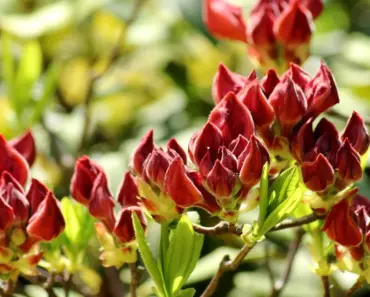
With its botanical name Jacaranda mimosifolia, this tree reaches a mature size of 25–50 ft. tall and 15–30 ft. wide, producing purple and blue flowers in spring and summer. It thrives in USDA zones 10–11, making it a warm-climate favorite that rewards thoughtful attention with a spectacular canopy of color.
Planting and Growing Conditions: Sunlight, Soil, and Propagation
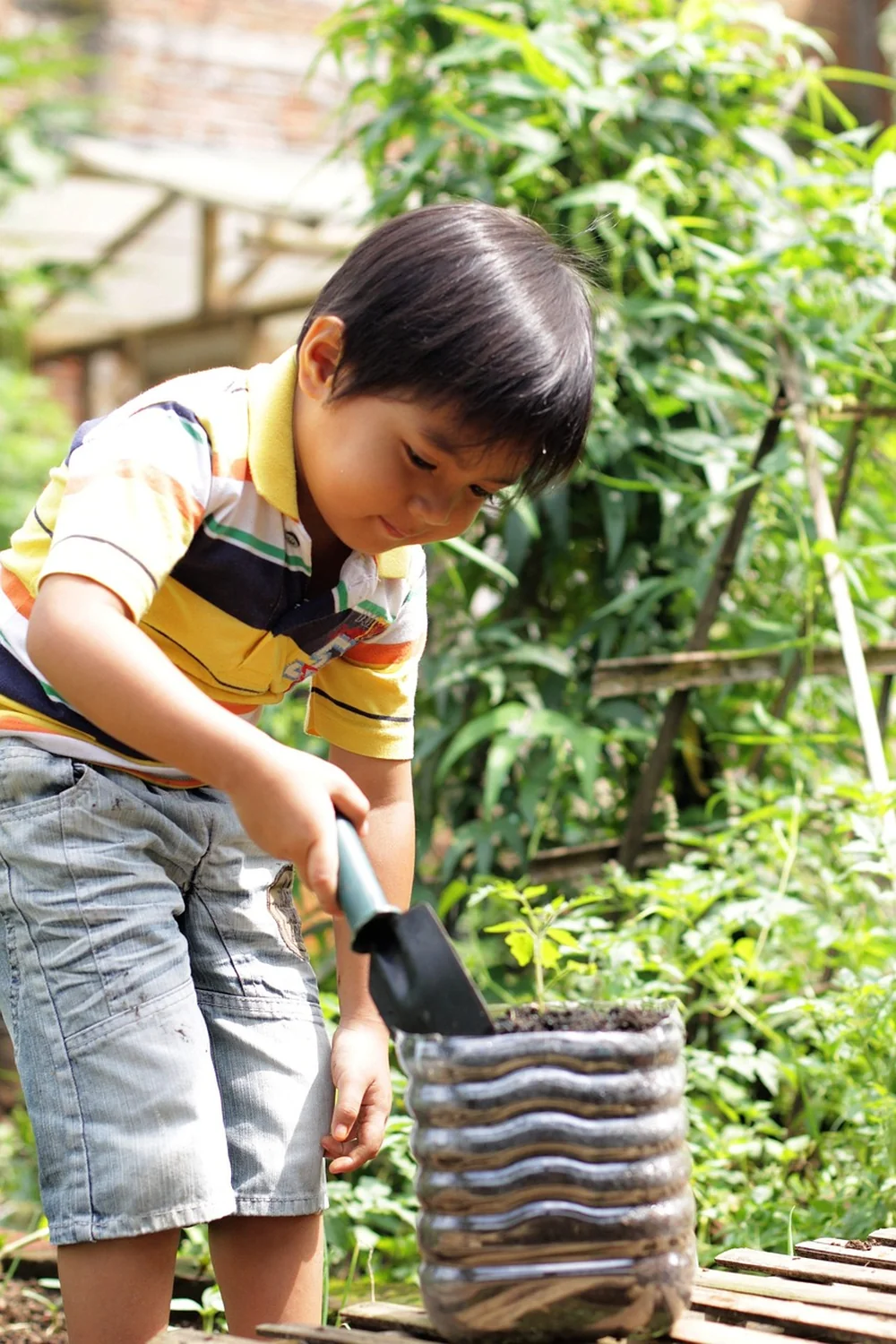
Give your jacaranda the right start and it will reward you with vigorous growth and spectacular blooms. Getting the basics right from day one is the key to successful jacaranda tree care. Here is what you need to know about sunlight, soil, and how to start a new tree.
Sunlight Requirements
A jacaranda is a true sun-lover. It requires full sun with at least six to eight hours of sunlight daily for best blooming. When you are planting jacaranda, choose a spot that gets bright, direct light for most of the day. A south- or west-facing location in your yard is ideal. Without enough sun, the tree may grow leggy and produce far fewer of those signature purple-blue flowers.
Soil Preferences
Soil quality matters just as much as sunlight. The ideal soil should be sandy, well-drained, with neutral to acidic pH. This means a soil pH for jacaranda should generally fall between 5.5 and 7.0. Heavy clay soils that hold water can lead to root rot. If your soil is dense, amend it with sand or organic matter to improve drainage. A simple home pH test kit can help you check the acidity before planting.
Propagation Techniques
If you want to grow more jacarandas, you have two main options: seeds or cuttings. For jacaranda propagation methods, seeds are the more common route. Collect seed pods once they turn brown and dry, then soak the seeds in warm water for 24 hours before planting. Seed germination can be slow and success rates vary. Cuttings from semi-hardwood branches can also work, but they require consistent moisture and warmth. Both methods take patience, but starting from seed is the most budget-friendly approach for home gardeners.
Watering Your Jacaranda Tree: How Much and When
Proper watering is the key to avoiding common problems like root rot or drought stress. Getting it right keeps your jacaranda healthy and happy. The goal is to mimic the tree’s natural environment: deep, infrequent drinks that encourage strong root growth.
When to Water
Check the soil before you reach for the hose. Water your jacaranda only when the top 3–4 inches of soil feel dry to the touch. Stick your finger into the ground near the root zone. If it feels moist, hold off. This simple test prevents both over- and underwatering. During hot, dry spells you may need to water once a week. In cooler or rainy seasons, you can stretch that to every two or three weeks. A consistent jacaranda watering schedule based on soil moisture is far more reliable than watering on a fixed calendar.
Signs of Improper Watering
Your tree will tell you when something is off. Overwatering jacaranda leads to yellowing leaves and can cause root rot, a serious condition that threatens the tree’s health. If you notice leaves turning yellow and dropping, check the soil. Soggy ground is a red flag. On the flip side, underwatering jacaranda shows up as wilting leaves and premature leaf drop. The tree may look thirsty and tired. Catching these signs early makes root rot prevention much easier. Adjust your watering habits as soon as you see a change.
Remember, young trees need more frequent watering while they establish. Once your jacaranda is mature, it becomes fairly drought-tolerant. A deep soak every now and then is all it needs to thrive.
Fertilization and Boosting Bloom Production
To achieve that breathtaking canopy of purple flowers, you need to pay attention to what you feed your jacaranda. Proper fertilization is a key part of jacaranda tree care, and getting it right can make the difference between a few scattered blooms and a spectacular show.
Fertilizer Type and Schedule
The most practical approach is to feed your tree annually with a balanced 10-10-10 NPK fertilizer. This even NPK ratio for trees provides equal parts nitrogen, phosphorus, and potassium, which supports healthy growth without upsetting the bloom balance. Apply it in early spring, just before the growing season kicks in. Spread the fertilizer evenly under the tree’s canopy, following the package instructions for the amount based on your tree’s size, and water it in well.
A common mistake is using a high-nitrogen fertilizer. While nitrogen encourages lush, green leaves, too much of it will favor foliage over flowers. This is why avoiding lawn fertilizers near your jacaranda is a good idea, as they are often nitrogen-heavy. Stick with a balanced, low-maintenance feeding schedule for the best floral results.
Troubleshooting Sparse Blooms
If your jacaranda is not flowering, it can be frustrating. Several factors can cause blooming problems. The most common culprit is excess nitrogen from over-fertilizing or nearby lawn care. Another major reason is insufficient sunlight. Jacarandas need full, direct sun for most of the day to produce buds. If your tree is shaded, consider trimming back nearby plants.
Heavy pruning can also delay or prevent flowering, as the tree puts its energy into regrowing branches instead of forming flower buds. If you must prune, do it lightly and only after the blooming season ends. By checking these three areas—fertilizer, sunlight, and pruning—you can usually solve jacaranda not flowering issues and look forward to a vibrant display next year.
Pruning a Jacaranda Tree: Techniques and Timing
Strategic pruning keeps your jacaranda healthy and ensures a stunning floral display year after year. Knowing when and how to trim makes all the difference for its overall form and bloom production. For effective jacaranda tree care, pruning should be done with a light touch and a clear plan.
When to Prune
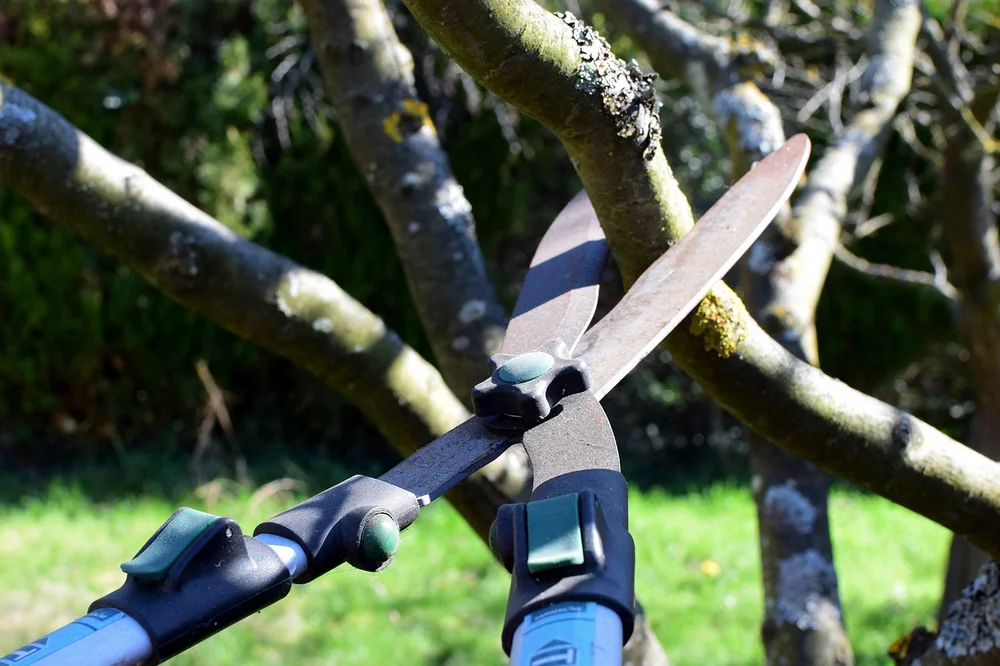
The ideal time for pruning your jacaranda is right after the main flowering period ends. This timing allows the tree to heal before the next growing season. It also prevents you from accidentally cutting off the buds that will produce next year’s flowers. If you wait too long, you risk removing those developing blooms. So, for proper pruning jacaranda, schedule your cuts shortly after the purple flowers have faded. Understanding when to prune jacaranda is a simple step that supports robust growth and future blossoms.
How to Prune
When you start, focus on removing dead, diseased, or crossing branches. These can invite pests and weaken the tree, so clearing them out keeps the jacaranda strong. Use clean, sharp tools to make smooth cuts. Always cut back to a branch collar or a healthy bud to help the wound heal quickly. Avoid making heavy cuts or removing large limbs. Heavy pruning reduces next season’s blooms because jacarandas flower on new growth from older wood. For routine jacaranda tree care pruning, keep it light and selective. Stick to shaping the canopy and removing problem branches over time. If you need to correct the tree’s size, do it gradually over a few years. By following these tree pruning techniques, you maintain a beautiful, open canopy and enjoy a vibrant floral display year after year.
Pest and Disease Management for Jacaranda Trees
Even the most beautiful jacaranda tree can face an occasional health challenge. The good news is that with a little vigilance, you can protect your tree and keep it thriving. The foundation of effective jacaranda tree care is early detection combined with targeted, gentle treatments. By learning to spot the signs of trouble early, you can address issues before they become serious.
Common Pests
A few insects are particularly attracted to jacarandas. Aphids on jacaranda trees are a very common sight. These tiny, soft-bodied insects cluster on new growth and flower buds, sucking sap and excreting a sticky substance called honeydew. You can often control a mild aphid infestation by spraying the tree with a strong jet of water from your garden hose. This knocks them off and disrupts their feeding. Scale insects are another common jacaranda pest. They look like small, immobile bumps on the stems and leaves. Horticultural oil is a practical and low-toxicity option for treating scale. Borers are more serious pests that tunnel into the trunk and branches. Keeping your tree healthy and stress-free is the best prevention, as borers are naturally attracted to weakened trees.
Common Diseases
When it comes to tree diseases, powdery mildew and root rot are the most frequent problems for jacarandas. Powdery mildew appears as a white, dusty coating on the leaves. A simple powdery mildew treatment involves improving air circulation by carefully pruning the canopy and applying a suitable fungicide if the problem persists. Root rot is a more serious condition, usually caused by poor drainage or consistently wet soil. The best way to prevent root rot is to plant your jacaranda in well-draining soil and water it deeply but infrequently, allowing the soil to dry out between waterings.
Prevention Tips
The strongest defense against pests and diseases is a consistently healthy tree. Proper jacaranda tree care—including correct watering, adequate sunlight, and good soil conditions—builds natural resilience. Make it a habit to inspect your tree regularly, especially during the growing season. Early intervention is the key to simple, effective management. By catching a few aphids or a spot of mildew early, you can often resolve the issue with a simple, budget-friendly treatment, keeping your jacaranda beautiful and vibrant for years to come.
Managing Invasive Growth and Root System Problems
While the jacaranda is a stunning addition to many landscapes, you should be aware that it can become a problem in certain environments. In tropical climates, including Hawaii, Queensland, Australia, and several other regions, the jacaranda tree has an invasive growth habit. To practice responsible jacaranda tree care, it is wise to avoid planting it near natural areas where it could spread unchecked.
Invasive Spread Prevention
If you live in a tropical or subtropical zone, your first step is to check with local gardening authorities about the tree’s status in your area. The key to preventing invasive spread is simple: choose your planting location carefully. Keep your jacaranda well away from wildlands, parks, or conservation areas. A practical, low-maintenance approach is to stick with a single tree in your yard rather than planting multiple specimens that could produce a large seed bank.
Root Damage and Solutions
Another concern for homeowners is the potential for jacaranda root damage. The root system can be aggressive, pushing into foundations, cracking sidewalks, and invading underground pipes. To avoid costly repairs, give your tree plenty of space—at least 15 to 20 feet away from any structures or hardscapes. If you have existing trees near a driveway or patio, monitor for signs of surface roots or lifting pavement, and consult an arborist before the problem worsens.
Container Growing
For those who love the jacaranda’s beauty but worry about invasion or root damage, container growing jacaranda is an excellent solution. Growing your tree in a large pot gives you full control over the root system. Choose a sturdy container with drainage holes and use a high-quality potting mix. This method is especially practical if you live in a cooler climate, as you can move the tree indoors during winter. Root system control through container growing allows you to enjoy this magnificent tree without the risks associated with planting it directly in the ground.
Frequently Asked Questions
How can I tell if my jacaranda tree is becoming invasive and what should I do about it?
Jacaranda trees are generally not considered invasive in most climates, but their seeds can sprout readily in warm, moist areas. If you notice seedlings popping up in unexpected spots, simply pull them out when small before they establish a deep root system. For healthy Jacaranda tree care, keep an eye on the area around the tree and remove any volunteer seedlings promptly to maintain control.
What are the signs of overwatering or underwatering a jacaranda tree?
Overwatering leads to yellowing leaves, soggy soil, and potential root rot, while underwatering causes leaves to wilt, turn brown at the edges, and drop prematurely. To avoid confusion, check the soil moisture about two inches down with your finger before watering. Consistent watering practice is a key part of Jacaranda tree care, so let the top layer of soil dry out slightly between waterings.
Can I grow a jacaranda tree in a container or pot to control its roots?
Yes, you can grow a jacaranda in a large container, which helps limit root spread and makes the tree more portable. Choose a pot at least 24 inches deep with good drainage, and use a high-quality potting mix. However, note that container-grown jacarandas may bloom less and require more frequent watering and feeding, so adjust your Jacaranda tree care routine accordingly.