Tree roots can cause costly damage to underground utilities, create tripping hazards, and harm your lawn equipment, but killing them requires careful planning to avoid unintended consequences. Root systems naturally seek moisture and nutrients, which means they can infiltrate water lines, septic systems, and other underground utilities. Large surface roots become a tripping hazard for family members and guests, and they can easily damage lawn mower blades when you are trying to maintain your yard. Killing the roots of a living tree damages the tree and eventually leads to death, so you need targeted strategies that address only the problem roots while preserving overall tree health.
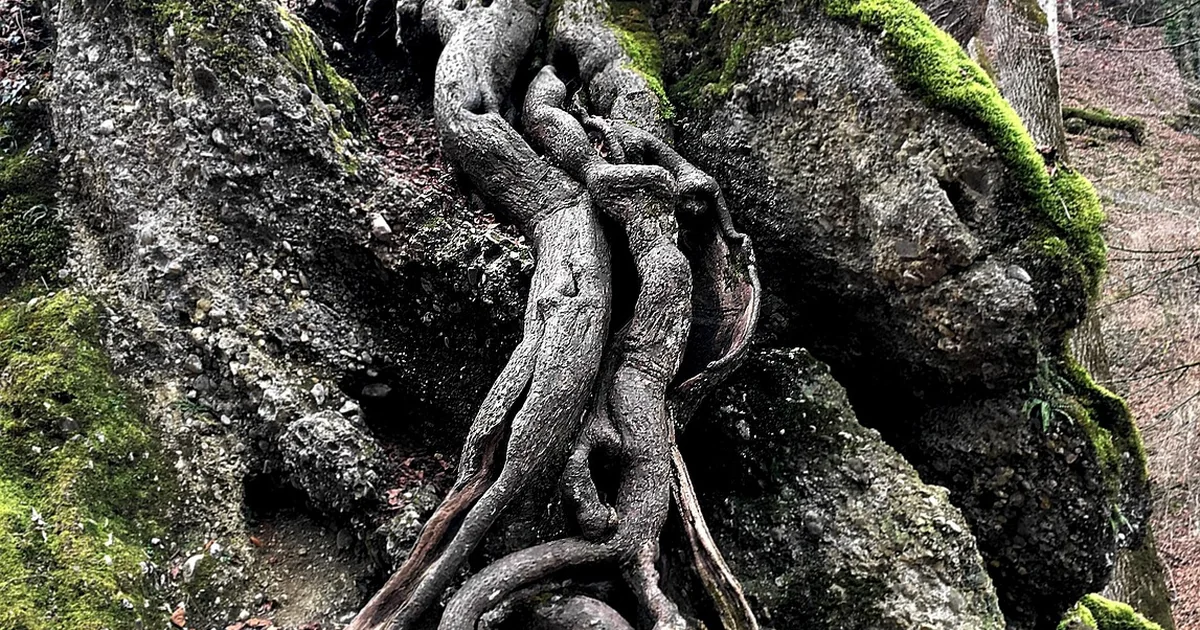
1. Manual Digging – The Fastest Root Removal Method
If you want to kill tree roots safely and efficiently and don’t mind physical labor, manual digging is your best bet for removing problem roots. This method gives you the quickest results because you attack the root directly, cutting and extracting it in one session. However, before you start, take the essential safety step of identifying underground utilities. Contact your local utility-locating service or look for visual indicators like sprinkler heads or utility boxes. Hitting a gas line or electrical cable can be dangerous and costly, so always call or check maps first.
Once you know it’s safe, gather your tools: a sturdy shovel, a mattock for breaking hard soil, a sharp pruning saw for clean cuts, and work gloves. Then follow these steps. First, locate the roots you need to remove. Look for surface bulges or follow the trunk line outward. Use the shovel to dig around the root, then switch to the mattock to chop through tougher soil. Expose a generous section of the root – at least 6 to 8 inches if space allows. Finally, cut the root with the pruning saw and pull it free. This manual root removal approach is direct, requires no chemicals, and gives you immediate control.
2. Cutting Tree Roots – Less Physical Strain, but Slower Decay
Cutting through large roots at intervals makes the work far less physically challenging than digging out an entire root system. Instead of wrestling with a massive underground network, you can sever the root in sections. This approach reduces strain on your back and arms, which is especially helpful if you are tackling the job by hand. However, you will need patience because the remaining root pieces take time to decay naturally without removal. The decay time depends on the size of the root, the tree species, and soil conditions, but it is rarely immediate. While you wait for nature to do its work, you must take care to make clean cuts with a sharp pruning saw or loppers. Avoid tearing or splintering the root, which can invite disease. Also, be careful not to damage the tree’s main root flare — the area where the trunk widens at the base. Cutting too close to the trunk can compromise tree stability and even kill the tree prematurely if that is not your goal. For safety, never cut roots within a distance equal to several times the trunk’s diameter from the trunk itself. If you want to kill tree roots safely while preserving the tree, always leave enough structural roots intact. This method offers a low-maintenance path to root control, but you must balance physical ease with the slower pace of natural decay.
3. Using Rock Salt – Labor-Free but Slow and Environmentally Cautionary
If you prefer a hands-off approach, rock salt can serve as a simple rock salt root killer. Killing tree roots with salt can take several months but is relatively labor-free. To apply this salt method, drill several holes into the exposed roots or stump, then pack them with rock salt. Cover the area with soil or a tarp to prevent runoff from rain. Over time, the salt draws moisture out of the roots, causing them to dry out and die. However, you need to consider the environmental impact before choosing this route. Salt does not stay put; it can leach into the surrounding soil and alter the pH, leading to soil contamination that harms nearby plants. It may also reach groundwater if used excessively. To kill tree roots safely with salt, use it only in areas far from desirable vegetation and water sources. Apply sparingly and monitor the site over the following months.
4. Using Glyphosate Herbicide – Fast Chemical Control with Safety Measures
If you need a quicker solution than natural methods, herbicides with a 41 percent concentration of glyphosate work best for killing tree roots. With this strength, roots disintegrate in about two weeks, making it one of the fastest options available. However, because glyphosate is a powerful chemical, you must use it with care to kill tree roots safely without harming your garden or the environment.
How to Apply Glyphosate Safely
For best results, apply the root killer chemical directly to fresh cuts on the tree roots or stump. This method minimizes off-target damage because the herbicide enters the plant’s system immediately rather than spreading through the soil. Always follow the label instructions precisely and avoid applying on windy days to prevent drift. Keep the product away from desirable plants, vegetable gardens, and water sources to protect nearby vegetation and water quality.
Environmental Considerations
Glyphosate can persist in soil and affect non-target organisms, so use it sparingly and only where absolutely necessary. To protect water sources, never apply near ponds, streams, or drainage areas. By taking these safety precautions, you can address stubborn roots effectively while keeping your yard and family safe.
5. Stump Removal – Often Solves Most Root Problems
After a tree is removed, the stump and its attached roots still remain underground. If you want to kill tree roots safely and completely, taking out the stump is one of the most effective steps you can take. This process typically addresses the majority of root issues, preventing new shoots from sprouting and stopping the root system from spreading further.
There are a few practical ways to handle stump removal. Stump grinding uses a machine to chip away the stump and its main roots a few inches below ground level. It is fast and leaves mulch behind that you can use in garden beds. Another option is using a chemical stump remover, which speeds up natural decomposition; you simply drill holes in the stump, fill them with the product, and wait several weeks. For smaller stumps, you might consider manual extraction with a shovel and axe, though this demands more physical effort. When planning your budget, keep in mind that the average cost of tree root removal is around $550, but it can range between $300 and $800 depending on stump size and access. Removing the stump not only clears up yard space but also gives you lasting peace of mind that the roots are no longer a threat to your lawn or home.
6. Professional Tree Root Removal – When to Call the Experts and Cost-Benefit Analysis
Hiring a professional may be the safest and most efficient choice, especially when roots threaten structures or utilities. You should call an expert if roots are near your septic system, driveway, foundations, or if you suspect utility damage. Common signs of septic or driveway damage include slow drains, cracked pavement, and spongy ground near the tree. Tree roots can infiltrate water lines, septic systems, and other underground utilities, making professional intervention essential to avoid costly repairs.
When weighing DIY vs pro options, consider the cost-benefit analysis. The average cost of tree root removal is around $550 but can range between $300 and $800 depending on stump size and access. Professional equipment and insurance reduce the risk of damaging your property or injuring yourself. While DIY can be cheaper upfront, it may lack the expertise and safety measures needed for complex jobs. For peace of mind and to kill tree roots safely without risking your home’s infrastructure, hiring a professional is often the practical, budget-friendly choice in the long run.
7. Preventing Root Damage and Identifying Infiltration Early
The safest way to deal with problem roots is to prevent damage before it starts and recognize early warning signs. Tree roots can infiltrate water lines, septic system, and other underground utilities, so taking proactive steps saves you costly repairs later. Before any digging project, always identify underground utilities to avoid accidents. Contact your local utility location service to mark lines for gas, water, electricity, and sewer—it is a simple, free step that protects both you and your property. For septic systems, watch for foul odors near the leach field, unusually lush grass growing over that area, or slow drains inside your home. These signals mean roots may have entered the pipes, and catching them early makes treatment much easier. Driveway damage offers another clue: cracks, heaving, or uneven surfaces along concrete or asphalt can indicate roots pushing from below. Regular inspection of surface roots also matters for safety. Large surface roots become a tripping hazard and damage mower blades, so check around walkways, play areas, and lawn edges. By staying alert to these signs and using utility location services before any work, you protect your home and help kill tree roots safely before they become a major problem.
Frequently Asked Questions
What is the safest method to kill tree roots safely without harming the tree?
To kill tree roots safely while keeping the tree healthy, focus on cutting only the problematic roots at the drip line—where the branches end—rather than near the trunk. Use a sharp saw or pruners for clean cuts, and avoid applying herbicides near the tree’s root system. This targeted approach removes the offending roots without risking the tree’s overall health.
Is it cheaper to remove tree roots myself or hire a professional?
Doing the job yourself is often more budget-friendly if you have the right tools, like a shovel and root saw, and the roots are small and accessible. Hiring a professional is usually more practical for larger roots near structures, as they have specialized equipment to kill tree roots safely and prevent damage to your property. Weigh the cost of renting tools against the peace of mind a pro provides for complex jobs.
Can I use salt to kill roots without killing the entire tree?
Using salt is risky because it can spread through the soil and harm the entire tree, along with nearby plants, making it hard to kill tree roots safely. A more controlled method is to apply a targeted herbicide only to the cut root surface, which minimizes damage to the rest of the tree. For a non-chemical approach, simply cutting the root and covering the area with soil is a safer alternative.