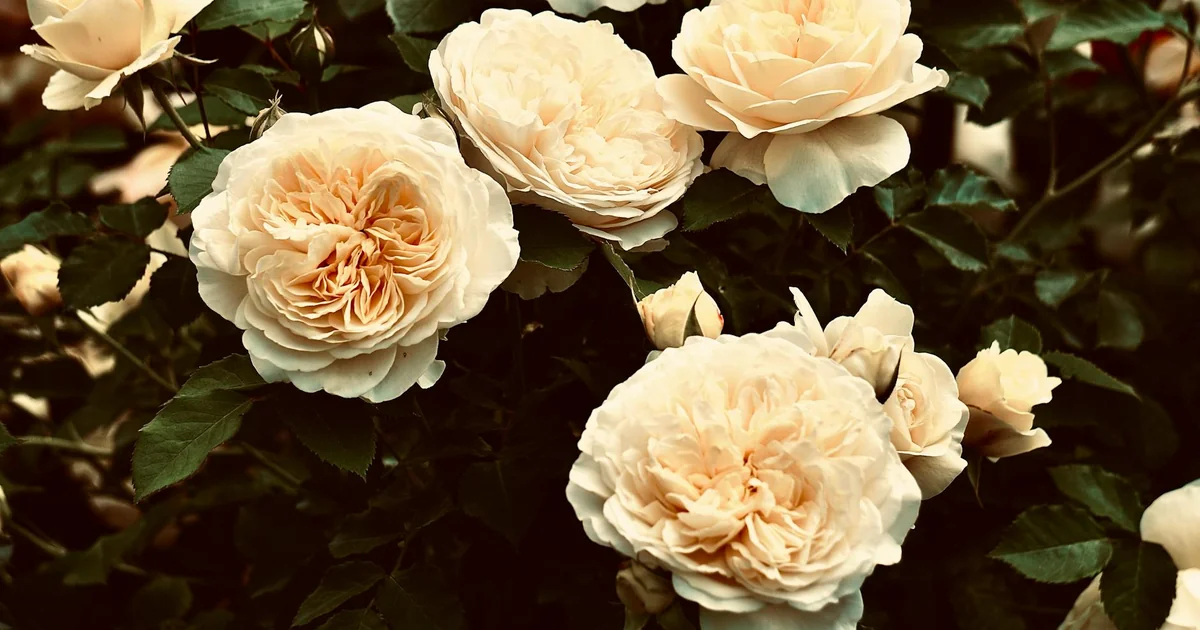
There is something almost magical about brushing past a rose bush and catching a wave of fragrance that stops you in your tracks. English roses carry that magic in abundance. Their double blossoms burst with layers of petals. Their sweet scent lingers. If you have been dreaming of a garden filled with these romantic blooms, understanding the basics of growing english roses makes all the difference between a struggling shrub and a showstopper. Let us walk through five essential steps that will set you up for success.
1. Site Selection: Sun, Space, and Scent
Choosing the right spot is half the battle. English roses thrive in full sun, which means at least six hours of direct light each day. This exposure produces the largest and most plentiful flowers while also keeping foliage dry enough to discourage disease. However, warmer climates such as Zones 8 or 9 benefit from afternoon shade. A location that receives morning sun and partial afternoon shade keeps the plant cool and often intensifies the perfume.
Room to Breathe
Space matters more than you might think. These shrubs grow 2 to 5 feet wide depending on the variety. Plant them at least 3 feet apart to allow air circulation. If you have a larger garden, try planting three in a triangular formation with only 1 foot between each. They will grow together into one lush, dense shrub that becomes the neighbors admire. Otherwise, give each rose enough clearance so thorns do not snag passersby. A spot along a walkway or near a seating area lets you enjoy the fragrance every time you pass.
Avoiding Common Pitfalls
Do not plant too close to trees, walls, or large structures that block sunlight. Even a little shade can reduce bloom count drops noticeably. Another mistake is planting in low spots where water collects. English roses demand well-drained soil. Without good drainage, roots become waterlogged and rot sets in quickly. Test your soil by digging a small hole and filling it with water. If it takes longer than an hour to drain, consider building a raised bed or amending the soil heavily with compost and grit.
2. Planting with Precision: From Pot to Ground
When you bring home a potted English rose, check the calendar. Spring after the last frost is ideal. Planting in fall also works well, as long as you do it at least six weeks before the first freeze. This gives roots time to settle in before winter dormancy. Bare-root plants, however, arrive early, often in January or February depending on your zone. They need to go into soil as soon as possible after purchase.
Step-by-Step for Potted Roses
Dig a hole twice the width of the container and slightly deeper. Set the root ball in so that the bud union spot where stems emerge from the rootstock sits at ground level in mild climates. In colder zones, bury it 2 to 3 inches below the surface to protect against frost. Backfill with a mix of native soil and compost. Water thoroughly at the base. Mulching with 2 inches of wood chips or shredded bark helps retain moisture and keeps the roots cool.
Bare-Root Basics
Bare-root roses look like a bundle of dormant sticks. Do not panic. Soak the entire root system in a bucket of water for at least two hours before planting. This rehydrates the roots and dramatically increases survival rates. Dig a hole 12 to 18 inches deep and about 2 feet wide. Mound a small cone of soil in the center, spread the roots evenly over it, and fill in with earth and compost. In warm climates keep the graft union 1 inch above the soil line. In cold regions bury it 1 inch below. Water well around the base. Add a generous layer of mulch.
3. Soil and Water: The Foundation for Growth
Rich, loamy soil that drains freely is the secret to happy roots. If your ground is heavy clay, break it up with organic matter and coarse sand. A pH between 6.0 and 7.0 is ideal. Test your soil if you can, and adjust with lime or sulfur as needed. Adding well-rotted manure or compost at planting time gives a slow release of nutrients for the first season.
Watering Without Wet Leaves
Once established, English roses need about 1 to 2 inches of water per week, either from rainfall or your hose. Deep watering at the base is far better than frequent sprinkling overhead. Wet leaves and buds invite fungal diseases like black spot and powdery mildew. Use a soaker hose or a watering wand directed at the soil. Morning watering is best so any splashed leaves dry quickly in the sun. In humid climates you may need less frequent watering if air moisture is high, but always check the soil first. Stick your finger 2 inches down; if it feels dry, water.
4. Seasonal Care: Pruning, Feeding, and Pest Watch
English roses are considered relatively low maintenance. A few seasonal routines keep them blooming year after year. Pruning happens in early spring just as buds begin to swell. Remove dead, damaged, or crossing canes. Cut back the remaining stems by about one- they bush out nicely. Do not be afraid to open up the center for air circulation.
Feeding Your Roses
English roses are heavy feeders. Apply a balanced rose fertilizer in early spring when growth starts. Follow up with another application after the first flush of flowers, and a third in midsummer. Stop feeding about six weeks before the first frost to allow the plant to harden off. Organic options like fish emulsion or compost tea work well without burning. Always water the soil before and after applying granular fertilizer.
You may also enjoy reading: 7 Best Twin Mattresses The Spruce Tested.
Pests and Problems
Spider mites and scale can appear during hot, dry spells. Check the undersides of leaves for tiny webs or bumps. A strong blast of water from the hose knocks mites off. For scale, horticultural oil applied in the dormant season is effective. Fungal issues mostly arise from wet foliage. If you live in a humid region, choose resistant varieties and space plants widely. In winter, these roses are fairly tolerant. A thick layer of mulch over the root zone provides enough protection in Zones 5 to 7. In Zones 4 or colder, consider wrapping the crown with burlap or mounding soil over the base.
5. Encouraging Repeat Blooms and Intense Fragrance
Many English roses are repeat bloomers, meaning they produce flushes of flowers from late spring through fall. To maximize this performance, deadhead spent blooms regularly. Snip just above a strong leaf junction. This directs energy into forming new buds rather than hips. Also, keep the plant well-watered and fertilized during the growing season.
The Fragrance Factor
English roses are legendary for their scent. The intensity varies by variety, but environmental factors matter too. Full sun and moderate temperatures produce the strongest perfume. Heatwave can causing scent to fade. If you are in a hot region, planting where the rose gets afternoon shade helps preserve fragrance during the peak of summer. Place your roses along a path or near a window. Even the blossoms serve as cut flowers fill a room with sweetness for days.
Planning for Continuous Color
Because English roses come in a spectrum of soft pinks, whites, corals, oranges, and yellows, you can create a sequence of color by choosing varieties with different bloom times. Some varieties bloom earlier in spring, others peak in summer, and a few keep going into autumn. Pair them with perennials like lavender, catmint, or salvia to fill gaps and add texture. They often become the star of the garden, but they play well with companions.
Frequently Asked Questions About Growing English Roses
What is the best time of year to plant English roses?
Potted English roses can be planted after the last spring frost or at least six weeks before the first fall frost. Bare-root roses should go into the ground in early spring or as early as January if your climate is mild and the ground is workable.
How much sun do English roses need?
They perform best in full sun, meaning at least six hours of direct light daily. In very hot climates, a location with morning sun and afternoon shade helps prevent heat stress and often boosts fragrance.
Can English roses grow in pots?
Yes, many varieties adapt well to containers. Choose a pot at least 18 inches deep with drainage holes. Use