Elevating Your Garden: A Guide to Stunning Raised Flower Beds
The scent of summer blooms, the vibrant colors spilling over the edges – a garden filled with flowers is a truly joyful space. But sometimes, traditional gardening methods just don’t quite fit the contours of your yard, or maybe you’re looking for a more controlled environment for optimal growth. Enter the raised flower bed: a versatile and beautiful solution that’s gaining popularity for a multitude of reasons. From attracting pollinators to creating stunning displays, raised beds offer a fantastic way to cultivate your passion for flowers. This article will explore everything you need to know about designing and building raised flower beds, covering design inspiration, material choices, and even commercial kits to simplify the process. We’ll delve into why raised beds are a fantastic choice for flower gardeners, and how you can create a thriving haven for both beauty and beneficial insects. Plus, we’ll share some practical tips and tricks for maximizing your raised bed’s potential, regardless of your experience level. And, of course, we’ll explore some affiliate links to help you find the perfect supplies for your project – because building a beautiful raised bed garden should be an enjoyable experience!
Why Choose a Raised Flower Bed? 5 Key Reasons to Elevate Your Gardening
Before diving into designs and construction, let’s explore why raised flower beds are becoming such a favorite among gardeners. They offer a surprising number of advantages over traditional in-ground planting. Firstly, raised beds provide excellent drainage, which is crucial for many flowering plants that don’t tolerate soggy soil. Secondly, they warm up faster in the spring, extending your growing season. This is a particularly welcome benefit in cooler climates. Thirdly, they offer better soil control – you can create the ideal growing medium for your chosen flowers, free from weeds and compacted earth. Fourthly, raised beds can be incredibly accessible, making gardening easier on your back and knees, a fantastic benefit for anyone with mobility concerns. Finally, and perhaps most appealing to many flower lovers, raised beds provide a defined space that allows for creative design and a truly polished aesthetic. You can create stunning borders, cascading displays, or even miniature landscapes within your raised beds.
Growing Cut Flowers in Raised Beds: A Blooming Business
One of the most popular uses for raised beds is the cultivation of cut flowers. The controlled environment and consistent soil quality create ideal conditions for producing beautiful blooms destined for bouquets and vases. Many gardeners are discovering the joy of growing their own flowers for a personal hobby, or even selling them at local farmers’ markets. Raised beds allow you to maximize space, ensuring you have enough room for multiple varieties of flowers. Consider plants like dahlias, zinnias, sunflowers, and cosmos – all of which thrive in raised beds and offer a wide range of colors and forms. Interestingly, the height of the bed also helps protect delicate blooms from wind and rain, extending their vase life. When planning your cut flower garden, think about succession planting – staggering your planting times to ensure a continuous supply of blooms throughout the season. A well-designed raised bed for cut flowers can become a significant source of beauty and a rewarding gardening experience.
Creating a Pollinator Paradise: Raised Beds for Beneficial Insects
Beyond simply growing beautiful flowers, raised beds can play a vital role in supporting local pollinator populations. Bees, butterflies, and other beneficial insects are essential for the health of our ecosystems, and providing them with food and habitat is a rewarding way to give back to nature. Many flowering plants are naturally attractive to pollinators, and raised beds offer a sheltered environment where they can thrive. Incorporating a diverse range of flowers – including native varieties – will provide a continuous source of nectar and pollen throughout the growing season. Consider adding a small water source, such as a shallow dish with pebbles, to provide pollinators with a place to drink. Sproutbox Garden raised beds, for example, are constructed from Aluzinc-coated steel, a durable and rust-resistant material that’s ideal for outdoor use and won’t leach harmful chemicals into the soil. The slightly raised edge of a raised bed also helps to retain moisture, which is crucial for pollinators, especially during dry periods.
Material Matters: Wood, Steel, and Beyond for Raised Bed Construction
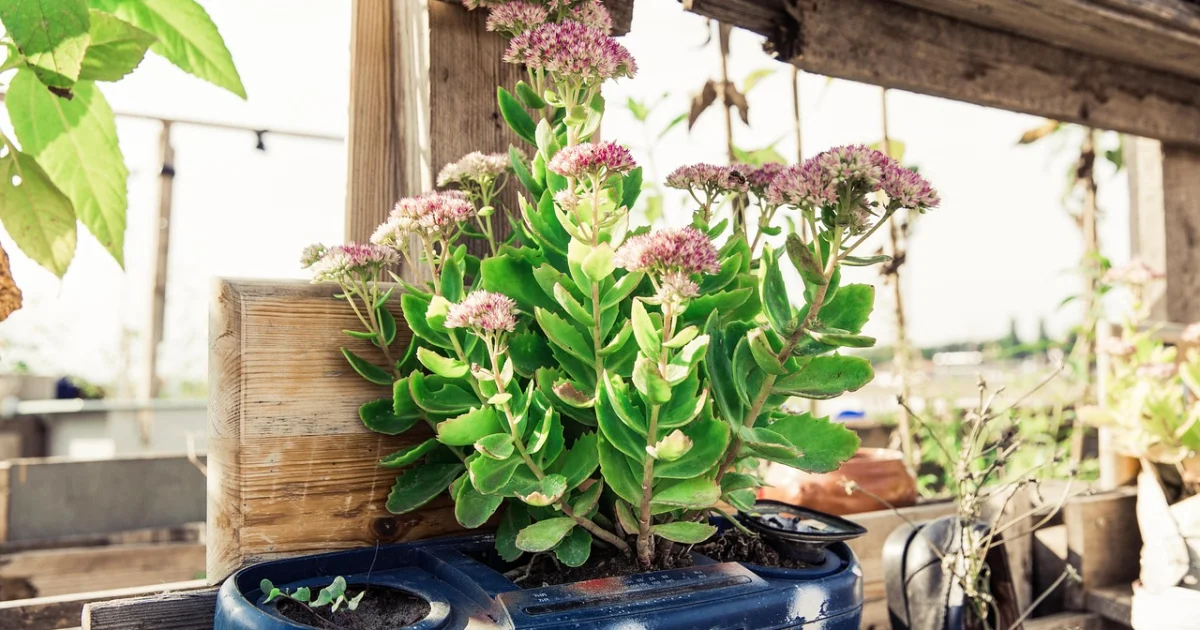
The choice of materials for your raised flower bed can significantly impact its longevity and appearance. Wood remains a popular choice, offering a natural aesthetic and relatively easy construction. Cedar and hemlock are particularly well-suited for raised beds due to their natural rot resistance. Untreated cedar is a good choice, providing a lifespan of approximately 8-10 years. However, pressure-treated wood can contain chemicals that may leach into the soil, so it’s important to research the type of treatment used and consider alternatives if you’re concerned about this. Steel, particularly galvanized steel, is another durable option, offering excellent longevity and resistance to pests and rot. Sproutbox Garden beds are constructed from Aluzinc-coated steel, known for its superior durability and resistance to weathering. Bricks and stone are also popular choices, creating a more formal and textured look. Upcycled materials, such as old pallets or stock tanks, can add a unique and sustainable touch to your raised bed design. Regardless of the material you choose, ensure it’s free from harmful chemicals and suitable for direct contact with soil.
Simple Raised Bed Design: A 4×4 Wood Frame Example
Let’s walk through a straightforward raised bed design using wood. This is a great option for beginners and requires minimal tools and materials. You’ll need eight 1” x 5.25” x 8-foot boards and outdoor screws. Cut four of the boards in half to create four 1” x 5.25” x 4-foot pieces. These will be used as the ends. Stack the four 8-foot boards to create the two longer sides of the raised bed, ensuring they are flush at the corners. Attach the end pieces to the sides using outdoor screws, creating a rectangular frame. You can add 4×4 posts to the corners for added stability, especially in areas with strong winds. Consider adding stakes to the sides for extra support, particularly in colder climates where the boards may heave. This simple design can be adapted to create raised beds of different sizes and shapes, making it a versatile option for any garden. A key factor to remember is ensuring the wood is properly treated to resist rot and decay, extending the lifespan of your raised bed.
Small Space Solutions: Raised Beds for Tiny Gardens
Don’t think that raised beds are only for large gardens! They’re incredibly versatile and can be scaled down to fit even the smallest spaces. A small raised bed can be placed on a patio, balcony, or even a sunny windowsill. Consider creating a series of small, stacked raised beds to maximize vertical space. Utilize compact flower varieties – such as dwarf sunflowers, petunias, and pansies – to fit more blooms into a limited area. A raised bed built from a stock tank can be a particularly attractive and space-saving solution for small patios. Even a small raised bed can create a focal point in a tiny garden, adding beauty and functionality. The key is to think creatively and tailor the design to the specific space available.
You may also enjoy reading: 7 Essential Steps to Grow Massive Potatoes: The Ultimate Complete Care Guide.
Beyond Flowers: Other Uses for Raised Flower Beds
While raised beds are primarily associated with flower gardening, they offer a surprising number of other benefits. They can be used to grow vegetables, herbs, and even small shrubs. The raised soil provides better drainage and aeration, creating ideal conditions for a wider range of plants. Raised beds can also be used to create privacy screens, by planting dense shrubs or flowering vines along the edges. Some gardeners even use raised beds to create miniature landscapes, incorporating pathways, water features, and other decorative elements. The versatility of raised beds makes them a valuable addition to any garden, regardless of size or style.
Commercial Raised Bed Kits: Simplifying the Build
For those who aren’t confident in their DIY skills, or who simply want a hassle-free solution, commercial raised bed kits offer a convenient alternative. These kits typically include all the necessary materials and instructions for building a raised bed. Sproutbox Garden beds are a popular choice, known for their durability, ease of assembly, and commitment to sustainable materials. Many kits are available in a variety of sizes and styles, allowing you to choose the perfect fit for your garden. While commercial kits may be slightly more expensive than building a raised bed from scratch, the convenience and peace of mind they offer can be well worth the investment. Be sure to read reviews and compare different kits before making a purchase, ensuring they meet your specific needs and preferences.
Designing Your Dream Raised Bed Garden: Inspiration and Ideas
There are no hard and fast rules when it comes to designing your raised bed garden. The key is to create a space that reflects your personal style and meets your gardening goals. Consider the overall aesthetic of your garden – do you prefer a formal, symmetrical design, or a more relaxed, informal look? Think about the colors and textures you want to incorporate – a mix of vibrant blooms and lush foliage can create a stunning visual display. Don’t be afraid to experiment with different shapes and sizes – raised beds don’t have to be rectangular. You can create curved beds, tiered beds, or even whimsical shapes to add interest to your garden. Consider incorporating a pathway through your raised bed garden, allowing you to easily access and enjoy your blooms. And most importantly, have fun and let your creativity flow!
Maintaining Your Raised Flower Bed: Tips for Long-Lasting Beauty
Once your raised flower bed is built, proper maintenance is essential to keep it looking its best. Regularly water your plants, especially during dry periods. Amend the soil with compost or other organic matter to maintain fertility. Weed regularly to prevent competition from unwanted plants. Inspect your raised bed for signs of damage or decay, and make repairs as needed. Consider adding a layer of mulch to help retain moisture and suppress weeds. And finally, remember to deadhead spent flowers to encourage continued blooming.