Decoding the Buzz: A Deep Dive into the Chanel Fall 2026 Collection – As Seen on The Fashion Spot Forum
This wasn’t a collection that elicited polite applause; it sparked a torrent of opinions, ranging from breathless adoration to outright criticism. The Fashion Spot forum, a vibrant hub for industry insights and consumer reactions, became a microcosm of the wider conversation, revealing a surprisingly complex and nuanced response to Blazy’s fourth season as creative director. This article delves into the collective responses, dissecting the key elements of the collection – the fabrics, the silhouettes, the underlying messaging – and exploring why such divergent viewpoints emerged. We’ll examine the contrasting opinions, unpack the potential influences, and consider how this collection might resonate with different segments of the luxury market.

The Construction Site Aesthetic: A Deliberate Statement?
The choice of setting – a construction site dominated by towering cranes – immediately grabbed attention. It’s a bold move, injecting an industrial element into the traditionally opulent world of Chanel. This deliberate juxtaposition isn’t accidental; it speaks to a broader trend within contemporary fashion – the exploration of architectural influences and the blurring of boundaries between luxury and utility. Blazy’s team, working with set designer Aline Vitroux, aimed to evoke a sense of unfinished potential, a raw energy that clashes with Chanel’s established image of polished elegance. The concept, as described by Blazy himself, was to present “a vision of the future,” hinting at a world where luxury is both refined and disruptive. The use of a construction site as a stage raises a key question: what is Blazy communicating through this deliberate dissonance? Is he signaling a shift in Chanel’s identity, embracing a more assertive and unconventional aesthetic? Or is it simply a fleeting stylistic experiment?
A Spectrum of Reactions: From “Fabulous” to “Ugly”
The forum’s responses offer a fascinating snapshot of the varied interpretations of the collection. The initial reaction, as captured by user ‘nikkuman,’ was overwhelmingly positive: “It’s fabulous. I love the colors, silhoettes, the prints, the styling. It’s like Chanel codes with a modern, minimal, graphic aesthetic. I see things for the most basic, influencer girl but also the Philo fan.” This sentiment highlights a key observation – the collection seems to be deliberately targeting multiple demographics, appealing to both the aspirational “influencer girl” and the intellectually curious “Philo fan” (a term referencing Gilles Deleuze’s philosophy, often used to analyze fashion). However, not everyone shared this enthusiasm. ‘disco54’ offered a starkly contrasting opinion: “Some of it was decent, but a lot of it was damn ugly, especially the dresses. OMG, yuck!” This visceral reaction underscores the inherently subjective nature of fashion criticism. Beauty, as they say, is in the eye of the beholder, and what one person finds captivating, another might find jarring or even unpleasant. The range of opinions – from ‘helmutnotdead’’s declaration that “All the collections so far just simply blend together” to ‘FashionPower’’s description of certain pieces as “very pretentious and intellectual but down to earth with a gimmick or a clash of colors or textures” – demonstrates that Blazy’s vision hasn’t resonated with everyone.
Silhouettes and Textures: A Study in Contrasts
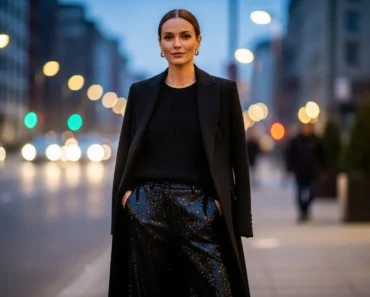
The collection featured a compelling mix of silhouettes and textures, a deliberate layering of classic Chanel elements with unexpected details. Slinky little black dresses remained a cornerstone, but they were often paired with structured, masculine tailoring – oversized blazers and boxy jackets that challenged traditional notions of femininity. Textured tweed jackets, a signature of the house, were rendered in vibrant, saturated colors, offering a playful contrast to the usual muted tones. There were also notable appearances of sparkly embroidered textures, adding a touch of glamour and extravagance. The use of monochrome looks – predominantly black, white, and gray – further emphasized the collection’s minimalist aesthetic. The incorporation of these diverse elements created a visual tension, a deliberate attempt to disrupt established expectations. The use of ‘cashmere,’ for example, is a detail that speaks volumes about the heritage of the house, yet is juxtaposed with a distinctly modern, almost industrial, feel. The materials themselves contribute to the collection’s overall message – a fusion of tradition and innovation.
The Influence of “Influencer Girl” and “Philo Fan” – Targeted Audiences?
The forum discussions frequently referenced the terms “influencer girl” and “Philo fan,” suggesting that Blazy’s team was consciously tailoring their presentation to specific demographic segments. The “influencer girl” archetype – characterized by a focus on social media presence and aspirational lifestyle – appears to be represented by the collection’s sleek, minimalist silhouettes and its emphasis on visually striking details. Conversely, the “Philo fan” – someone interested in intellectual and philosophical concepts – seems to appreciate the collection’s deliberate dissonance and its exploration of broader cultural themes. This targeted approach is not uncommon in high fashion, where brands often strive to cultivate a dedicated following among specific consumer groups. However, the forum’s reactions suggest that this strategy may not have been entirely successful in bridging the gap between these diverse audiences. The fact that both groups – seemingly so different – were vocal in their opinions demonstrates the challenges of creating a collection that appeals to such disparate sensibilities.
Recreating the Monochrome Magic: Styling Tips for the Everyday Wearer
Many forum members expressed interest in recreating the collection’s monochrome looks in their own wardrobes. To achieve a similar effect, one can start with a foundation of black, white, or gray. A classic black slip dress, for example, can be elevated with a structured blazer and chunky heels. Alternatively, a crisp white button-down shirt can be paired with tailored trousers and a statement belt. Adding a textural element – such as a tweed jacket or a silk scarf – can further enhance the look. For a touch of extravagance, consider incorporating sparkly accessories, such as a chain belt or a jeweled brooch. The key is to embrace the minimalist aesthetic and focus on creating a cohesive and impactful ensemble. Don’t be afraid to experiment with proportions and layering to create a silhouette that is both chic and effortless. Using a ‘color palette generator’ online can also help to create harmonious monochrome combinations – for example, a pairing of charcoal grey and ice blue could echo the collection’s muted tones. Remember, it’s about capturing the essence of the collection – the sense of understated elegance and confident simplicity.
You may also enjoy reading: 13 Fragrances That Inspired Bulgari's Eau Parfumée Thé Impérial Perfume.
Masculine Tailoring in a Feminine Context: Decoding the Message
The inclusion of masculine tailoring – oversized blazers, boxy jackets, and sharply tailored trousers – within a traditionally feminine collection is a deliberate stylistic choice that invites interpretation. It challenges conventional notions of gendered clothing and suggests a broader exploration of identity and self-expression. Blazy’s use of tailoring can be seen as a rejection of restrictive silhouettes and an embrace of fluidity and adaptability. The juxtaposition of masculine and feminine elements creates a visual tension that is both intriguing and thought-provoking. To interpret this element effectively, consider the broader context of the collection – the use of monochrome colors, the emphasis on minimalist design, and the overall sense of understated elegance. A long, flowing coat worn over a pencil skirt, for example, can create a powerful and androgynous look. The key is to experiment with proportions and layering to create a silhouette that feels both comfortable and confident. The effect is a statement about empowerment and the freedom to defy traditional expectations.
Sustainable Considerations: A Critical Perspective
As with any high-fashion collection, it’s important to consider the environmental impact of the materials and production methods used in the Chanel Fall 2026 collection. The use of cashmere, a luxury fiber sourced from cashmere goats, raises concerns about animal welfare and the environmental sustainability of wool production. Similarly, the reliance on synthetic fabrics – such as polyester – contributes to microplastic pollution. Chanel has made some efforts to promote sustainable practices, such as using recycled materials and partnering with ethical suppliers. However, the brand’s overall environmental footprint remains significant. A truly sustainable approach would require a fundamental shift in the industry’s practices – from sourcing materials responsibly to reducing waste and minimizing carbon emissions. For consumers interested in making more sustainable choices, it’s important to research the brands they support and to consider the environmental impact of their purchases. Looking for pieces made from organic cotton, recycled materials, or innovative sustainable fabrics – like Piñatex (a leather alternative made from pineapple leaf fibers) – can be a good starting point. The conversation around sustainable fashion is complex and evolving, but it’s crucial to be mindful of the environmental consequences of our choices.
Looking Ahead: Blazy’s Future Direction
Matthieu Blazy’s fourth season as creative director of Chanel represents a significant turning point in the house’s evolution. The Fall 2026 collection signals a continued embrace of experimentation, a willingness to challenge conventions, and a deliberate effort to engage with a diverse range of audiences. Whether this collection will be ultimately hailed as a masterpiece or dismissed as a misstep remains to be seen. However, one thing is certain: Blazy’s vision is pushing the boundaries of luxury fashion and sparking a vital conversation about identity, aesthetics, and sustainability. The forum’s varied reactions highlight the subjective nature of fashion criticism and the importance of embracing diverse perspectives. As Blazy continues to shape the future of Chanel, it will be fascinating to see how he navigates the complexities of the modern fashion landscape and how he responds to the ongoing dialogue among his loyal community of enthusiasts.