A thriving garden starts with one simple principle: match your plants to the right spot. The phrase right plant right place is a classic gardening adage that prevents common problems before they begin. It means selecting plants based on what your landscape can naturally support—sunlight, soil type, and moisture levels. Following this rule can prevent most avoidable problems gardeners run into, from wilting leaves to stunted growth. By embracing this practical gardening principle, you set the stage for landscape success with less effort and more enjoyment.
Step 1: Assess Your Site for Light, Moisture, and Soil
Before buying a single plant, study your yard’s conditions—they determine what will thrive. The idea of “right plant right place” starts with what your landscape can actually support. Rather than falling for a pretty flower at the garden center and hoping it survives, take time to understand your garden’s unique environment. This simple site assessment saves you money, time, and disappointment down the road.

Measuring Light Levels
Sun exposure varies dramatically across your yard. A spot that gets morning sun might be shady by afternoon. To measure accurately, check the area every few hours on a sunny day. Note whether it receives full sun (at least six hours of direct sun), partial sun (four to six hours), or shade (less than four hours). Remember that light patterns change with the seasons, so observe during different times of year if possible.
Testing Soil Moisture
Moisture levels depend on drainage, rainfall, and how your soil holds water. A simple test: dig a small hole about six inches deep, fill it with water, and time how long it takes to drain. If water disappears within a few hours, you have well-draining soil. If it pools for a day or more, your soil may be heavy clay or compacted. Matching plants’ growing requirements for moisture to your site’s natural drainage is essential for healthy roots.
Identifying Soil Type
Soil texture affects water retention and root growth. Grab a handful of moist soil and squeeze it. Sandy soil feels gritty and falls apart easily. Clay soil feels sticky and holds its shape firmly. Loam—the ideal—feels crumbly and holds together without being sticky. You can also perform a simple soil testing jar test at home: fill a clear jar halfway with soil, add water, shake well, and let it settle. The layers of sand, silt, and clay will reveal your soil composition. Knowing your soil type helps you choose plants that will feel right at home.
Step 2: Use the USDA Hardiness Zone Map
To apply the right plant right place rule, you first need to understand your site — and that means knowing your growing zone. Your hardiness zone is a critical tool for choosing plants that survive your winters. The USDA Hardiness Zone Map divides the country into climate zones based on average minimum winter temperatures. When you shop for plants, their labels usually include a zone range. Choosing plants rated for your specific hardiness zone gives them a much better chance of winter survival.
How to Read the Map
The map is simple to use. It assigns each area a number from 1 (coldest) to 13 (warmest), with each zone split into “a” and “b” subzones. For example, if you live in Zone 6a, you want plants listed as hardy to at least Zone 6. The map doesn’t show your exact backyard microclimate, but it is a trustworthy starting point for temperature tolerance. You can find your zone by entering your zip code on the official USDA website. Knowing this number helps you avoid the disappointment of losing tender plants to a frost.
Matching Plants to Your Zone
Once you know your zone, look for plants with a zone range that includes yours. A perennial labeled for Zones 4–8 will thrive in Zone 6, but might not survive a Zone 3 winter. For annuals, hardiness matters less because you replant each year, but perennials, shrubs, and trees depend on winter survival. Writing down your zone and keeping it handy when you browse plants makes the right plant right place decision much easier. Pair this knowledge with your soil test results from the previous step, and you will already be well on your way to a low-maintenance, welcoming garden.
Common Mistakes: Plants Placed in the Wrong Spot
Many garden failures trace back to one error: ignoring the plant’s needs. When you place a plant in the wrong spot, it demands constant attention and still underperforms. These common gardening mistakes are not only frustrating but also expensive and time-consuming to fix. A shrub that loses its leaves in a too-shady spot, a perennial rotting due to poor drainage, or a tree planted too close to your foundation are all signs of a mismatch. Luckily, you can avoid these pitfalls by understanding what each plant truly requires.
Too Much Shade
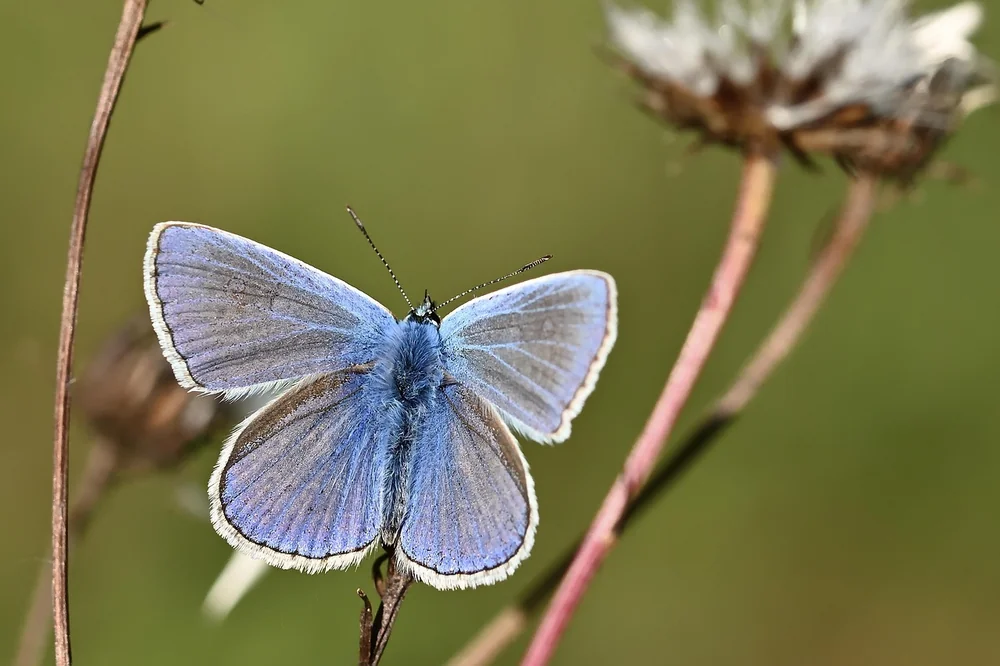
Shade tolerance varies widely among plants. A sun-loving shrub placed in deep shade will gradually lose leaves, grow leggy, and struggle to flower. Before planting, check the light levels in your garden. If an area gets less than four hours of direct sun, choose plants labeled for partial or full shade. This simple step saves you the heartache of watching a plant decline despite your best efforts.
Poor Drainage
Poor drainage is another silent culprit. Perennials that prefer well-drained soil will rot if their roots sit in water. You can test drainage by digging a small hole, filling it with water, and checking how quickly it drains. If water lingers for hours, consider raising the bed or adding organic matter to improve drainage. Alternatively, choose moisture-loving plants like certain ferns or iris for those boggy areas.
Too Close to Structures
Foundation planting requires extra care. A tree planted too close to your house can damage foundations, block gutters, or create shaded patches that encourage mold. Give each tree enough room to reach its mature size. As a general rule, small trees need at least 10 feet from a building, while larger ones need more. Research the mature spread before digging.
By avoiding these common gardening mistakes, you save money, reduce maintenance, and create a garden that thrives naturally. Always observe your garden’s conditions—sun, soil, and space—before choosing a plant. That’s the essence of right plant right place.
Can You Fix a Plant That’s in the Wrong Place?
Even with the best intentions, a plant sometimes ends up in a spot that doesn’t suit it. Maybe it outgrows its space, or the light turns out to be different than you expected. When that happens, you have two practical options: move it or replace it. Both are valid ways to get back to the principle of right plant right place.
A plant that is correctly matched to its site requires very little once it settles in. Plants grown in the right place tend to take care of themselves, with lower irrigation needs and less pest and disease pressure. That’s the goal. If your current plant is demanding constant watering or fighting off problems, it’s a sign the match isn’t right.
When to Move a Plant
Transplanting can work well if the plant is still young enough to handle the disturbance. The best time to move most perennials and shrubs is during their dormant season, typically in early spring or late autumn. Check the root system first—if the roots are shallow and spreading, relocation is usually straightforward. Dig a wide circle around the plant to keep as much of the root ball intact as possible, and replant immediately at the same depth in a better location. After moving, water it in well and give it a little extra attention for the first few weeks. This kind of plant relocation is a practical step during any garden renovation.
When to Replace
Sometimes moving isn’t the best choice. A tree with a deep taproot, or a large shrub that has been in place for years, may not survive transplanting. In those cases, replacing plants is the smarter, more low-maintenance option. Remove the struggling plant and choose a new one that fits the site’s sun, soil, and space. You’ll save yourself the frustration of trying to force a plant to grow where it doesn’t belong. Starting over with the right choice means less work in the long run and a healthier, more welcoming garden.
Whether you decide to move or replace, the key is to act once you notice a problem. A small shift early on can save a plant that might otherwise decline. And if you do need to start fresh, don’t see it as a failure—see it as a chance to apply what you’ve learned about your garden’s conditions. That’s the practical heart of right plant right place.
The Historical Roots: William Robinson’s Vision
While the practical steps matter, it’s worth knowing that the right plant right place idea didn’t start with modern garden books. The credit for this philosophy often goes back to William Robinson, a horticulturalist from the nineteenth century. He believed that gardens should work with nature, not against it. His thinking gives you a deeper appreciation for why matching plants to conditions matters so much.
William Robinson’s Legacy
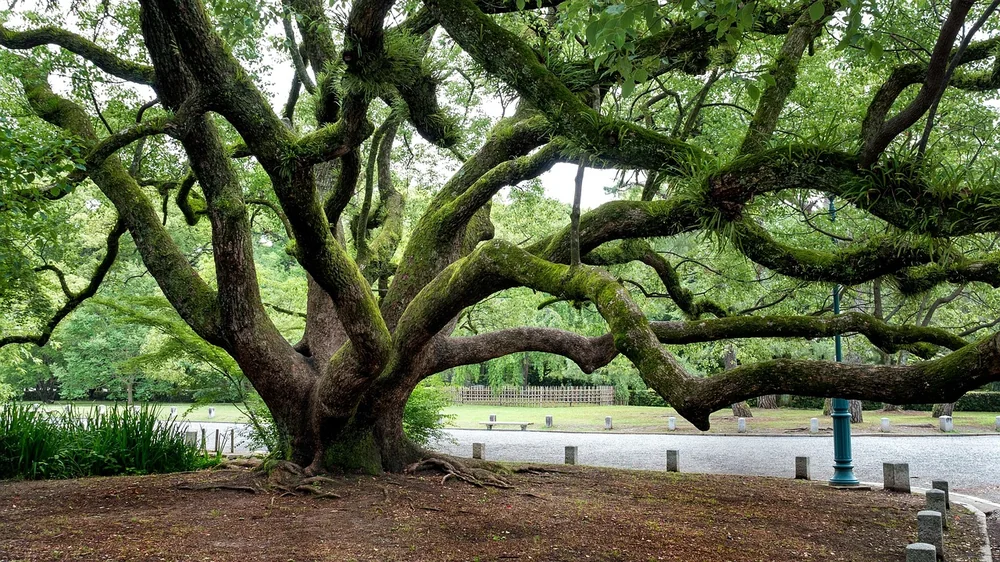
Robinson argued that plants perform better when placed somewhere resembling their natural conditions. A woodland plant, for instance, will thrive in shade and damp soil because that matches its wild home. Try to force it into a sunny, dry border, and it will struggle no matter how much you water or feed it. This simple but powerful observation reshaped how gardeners thought about design.
Natural Conditions in Garden Design
Robinson’s principle became the foundation of naturalistic gardening and ecological planting. He encouraged people to observe the native landscape and choose plants accordingly, rather than forcing exotic species into unsuitable spots. His book The Wild Garden promoted a more relaxed, sustainable style of planting that worked with local conditions. Today, you can see his influence in the way many gardeners prioritize native plants and low-maintenance beds. The idea is still simple: by understanding your garden’s soil, light, and moisture, you set every plant up for success. This is the historical backbone of the right plant right place approach—and it’s just as relevant now as it was in Robinson’s time.
Design with the Rule: Balancing Beauty and Site Conditions
You do not have to sacrifice aesthetics—just work with what your site offers. The principle applies whether you are putting in your first garden bed or reworking an existing landscape. Instead of fighting against a shady corner or a windy spot, let those conditions guide your garden design. By choosing plants that naturally thrive where you want them, you create a plant palette that looks good and grows strong.
Balancing aesthetic desire with site conditions is simpler than it sounds. Love the look of lavender but have heavy clay soil? Swap it for a similar-textured perennial that tolerates damp feet. Want a bold, tropical feel in a dry, sunny spot? Select drought-tolerant foliage plants with broad leaves and warm tones. This way, your personal style and the microclimate of your garden work together, not against each other.
Container Gardening
The same rule applies to container plants. Match your pots to the light and moisture needs of the plants you place in them. A glazed ceramic pot holds moisture longer than a terracotta one, so it works well for thirsty plants in full sun. A lightweight, dark plastic container absorbs heat, making it a good choice for a cool, shaded corner where you want a little warmth. By thinking through these details, you keep your containers looking fresh and your plants healthy.
Balancing Aesthetics with Practicality
When you design with the rule, you stop forcing a square peg into a round hole. A stunning garden is not one that fights the site—it is one that celebrates it. Let the conditions of your space shape your choices, and you will end up with a garden that is both beautiful and low-maintenance. That is the real payoff of the right plant right place approach: a welcoming landscape that thrives on its own terms.
Frequently Asked Questions
How do I figure out the light, moisture, and soil conditions in my yard?
Start by observing your garden at different times of day to note how many hours of direct sunlight each area receives. For moisture, feel the soil a few inches down after a rain—does it stay damp or dry out quickly? A simple soil test kit from a garden center can tell you the pH and basic nutrient levels, helping you match the right plant right place.
Can I fix a plant that’s in the wrong spot, or do I have to remove it?
If the plant is struggling due to too much sun or poor drainage, you can often move it to a better location during its dormant season. For issues like overcrowding or minor light mismatches, pruning or adjusting nearby plants may help. However, if the plant shows severe stress or disease from its location, removing it and choosing a more suitable variety is the most practical, low-maintenance solution.
Is it worth learning my USDA Hardiness Zone before buying plants?
Yes, knowing your zone is a simple, budget-friendly step that saves time and money. It tells you the coldest temperatures your area experiences, so you can pick plants that will survive your winters. This knowledge is a key part of the right plant right place approach, ensuring your garden thrives without constant replacement.