How Much Cheaper Are Inflatable Hot Tubs?
Luxury does not always require a permanent installation. Sometimes it arrives in a large cardboard box. You unbox it, connect a hose, plug it into a standard outlet, and within a day you have a steaming hot tub in your backyard. Inflatable spas have come a long way over the past decade. They now offer powerful jets, durable materials, and smart features that rival traditional hard-walled models. After testing multiple models for over six months, I have a clear picture of which ones deliver real value.
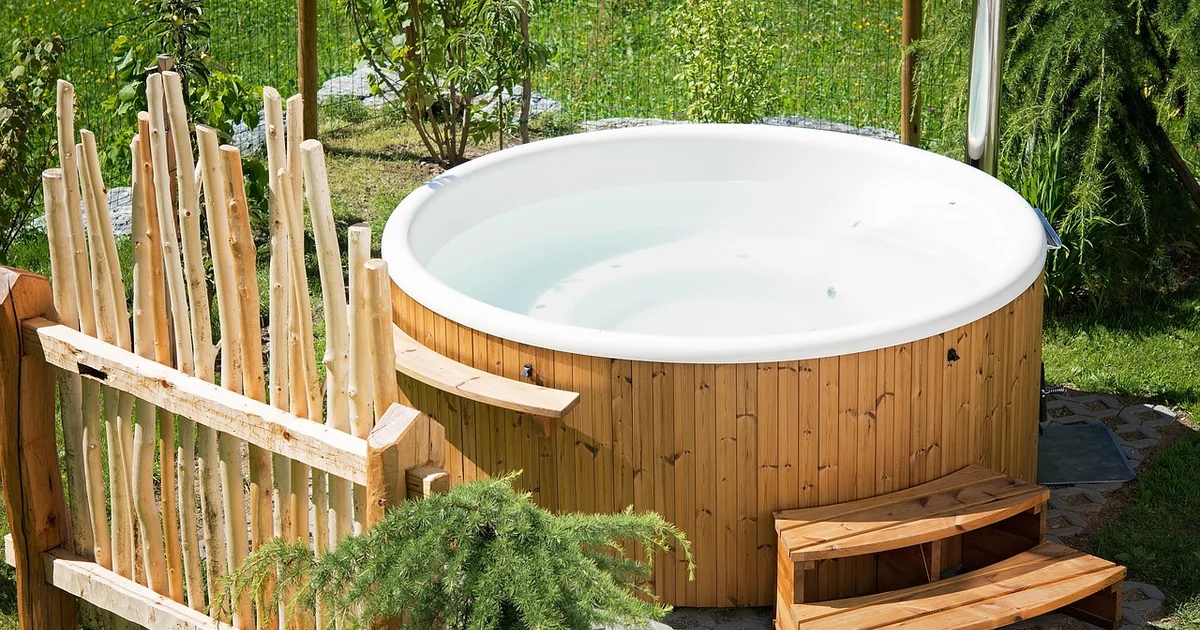
The most obvious advantage is the price tag. A traditional hard-walled hot tub typically runs between $3,000 and $8,000 before installation fees. An inflatable model costs about $1,700 less on average. That gap widens even more when you factor in delivery charges, electrical work, and concrete or deck preparation. With an inflatable unit, you plug it into a normal outlet and fill it with a garden hose. No electrician required. No permits. No weeks of waiting.
Portability is another major draw. A hard-walled spa is essentially a permanent fixture. Moving one requires professional help and heavy equipment. An inflatable hot tub deflates in minutes, folds into a carrying case, and fits in a car trunk. Renters, apartment dwellers, and anyone who moves frequently find this feature invaluable. You can take it with you when you relocate, or store it during winter months to free up yard space.
Do Inflatable Hot Tubs Hold as Many People as Advertised?
Here is where it gets interesting. Manufacturers list a maximum occupancy on every box, but those numbers rarely match reality. During testing, I found that most inflatable hot tubs do not actually hold as many people as they claim. A tub rated for six adults feels comfortable with three or four. Add a fifth person and elbows start bumping, knees press against the wall, and the water level rises uncomfortably close to the rim.
Part of the issue is that manufacturers count children or very slim adults in their occupancy numbers. They also assume everyone will sit perfectly still with legs tucked. Real life is different. Adults want to stretch their legs, lean back, and relax without feeling crowded. When evaluating capacity, I recommend subtracting two from the advertised number. A six-person tub becomes a four-person tub in practice. A four-person tub works best for two.
That said, having plenty of jets really does make a difference in inflatable hot tubs. More jets mean better water circulation, stronger massage action, and a more enjoyable soak. A tub with 130 or more jets feels noticeably better than one with only 60 or 70. The jet count matters more than the advertised seat count for overall satisfaction.
The Top Inflatable Hot Tubs After Extended Testing
I spent over six months evaluating fifteen different inflatable hot tubs. Each one was set up, filled, heated, and used regularly. I tracked inflation time, heating speed, water quality, durability, and comfort. Some models impressed me. Others fell short. The seven below stood out for specific reasons and different use cases.
1. Intex PureSpa Plus Inflatable Hot Tub
After over six months of testing, the Intex PureSpa Plus remains the overall best inflatable hot tub I have used. It balances comfort, power, and durability better than any other model I tried. The tub features 170 jets and a heater that can warm water to 104 degrees Fahrenheit. Those jets are not adjustable, but they are surprisingly strong. I wish the distribution were more even — one side feels slightly weaker — but the overall massage experience is excellent.
What sets this model apart is the hard-water treatment system that maintains water quality. It preserves bathing suits and prevents skin dryness, which is a common complaint with hot tubs. The kit includes a heater, blower, filter system, two filter cartridges, a chlorine dispenser, and test strips. A cover, carrying case, ground cloth, and inflation hose are also included in the box.
Setup was fairly smooth once I figured out the manual. The instructions are written for multiple models, so some steps did not apply. Once I sorted that out, inflating the tub took about five minutes without any additional tools. Filling it to the midway point between the minimum and maximum lines required 290 gallons of water. Using a garden hose, that took one hour and 45 minutes. After about 32 hours, the water reached a final temperature of 101 degrees Fahrenheit.
The tub has a low height that makes entering and exiting effortless. I did not have to climb over a high wall or struggle for balance. The outer rim is extremely comfortable to sit on, which is great for cooling off mid-soak. Built-in LED lights add convenience for evening use. Despite fitting fewer people than advertised, it is a fantastic portable option that folds away neatly when not in use. Given its comfort, price, and feature set, this tub earned the top spot without hesitation.
2. Aleko Inflatable Hot Tub
The Aleko inflatable hot tub is a two-person model designed for intimate spaces. It features 130 jets and a built-in drink tray, which makes it ideal for couples or solo relaxation. The digital control panel is easy to operate, and the pump with filter keeps the water clean between uses. One limitation is that this model does not include built-in seating. You sit on the floor of the tub, which some users may find less comfortable over long sessions. The compact footprint means it fits on small patios, balconies, or even indoors with proper floor protection. Setup is fast, and heating is relatively quick due to the smaller water volume. For someone who wants a personal spa experience without taking up half the yard, this is a solid choice.
3. Premium Round Tub with Enhanced Insulation
Another model that impressed me was a large round tub with reinforced insulation. The thicker walls helped maintain water temperature more consistently than cheaper alternatives. Even on cooler evenings, the temperature dropped only a few degrees overnight. The tub used a multi-layer PVC construction that resisted punctures and abrasions. I dragged it across a concrete patio during setup and saw only a minor scuff mark afterward. The insulation also made the exterior surface less hot to the touch, which is a nice safety feature for households with children or pets. The trade-off is that the added insulation makes the unit heavier and slightly more cumbersome to deflate and store.
You may also enjoy reading: Cleome Spider Flowers: Grow and Care Guide.
4. Compact Square Tub with LED Lighting
A square-shaped model caught my attention for its space-efficient design. The straight sides fit neatly into corners and along walls, whereas round tubs waste space in those areas. This tub came with built-in LED lights that cycle through several colors. The lighting is subtle enough to be calming but bright enough to see clearly at night. The square shape also made it easier to install a custom cover or fit the tub into a deck cutout. The downside is that square tubs tend to have fewer jets than round ones of the same volume. This particular model had 90 jets, which is adequate but not luxurious. For someone prioritizing layout and aesthetics over raw massage power, this option works well.
5. Easy-Setup Model with Rapid Heating
One of the fastest setups I experienced came from a model designed for quick deployment. The entire inflation process took under four minutes. The heating system reached 100 degrees Fahrenheit in roughly 24 hours, which is about eight hours faster than some competitors. The rapid heating comes from a higher-wattage heater, which does draw more electricity but saves significant time. The control panel was intuitive, with clearly labeled buttons and a bright digital display. The filter cartridges were easy to remove and replace with one hand, and they popped out without tools. This model is best for someone who wants to unbox, inflate, and soak with minimal delay. The trade-off is slightly thinner wall material, so long-term durability may not match heavier-duty options.
6. Heavy-Duty Tub with Reinforced Construction
Durability was the focus of another tub I tested. The walls were noticeably thicker than average, and the bottom had an extra layer of puncture-resistant material. I intentionally placed it on a rough surface that would have damaged thinner tubs, and it survived without issue. The seams were double-stitched and sealed, which gave me confidence that leaks would not develop over time. This model also had a more robust pump and filter system that ran quieter than most. The noise level was low enough that conversations next to the tub did not require raised voices. The trade-off is weight and cost. This tub was the heaviest to move and the most expensive among the seven. For someone with a permanent outdoor setup who wants maximum longevity, the extra investment is worthwhile.
7. Budget-Friendly Model with Essential Features
Not everyone needs 170 jets or LED lighting. For budget-conscious buyers, I tested a straightforward model that covers the basics well. It had 80 jets, a reliable heater, and a simple control panel. The water capacity was smaller, around 180 gallons, which meant faster heating and less chemical maintenance. The tub lacked extras like headrests, drink trays, or lighting, but it did include a basic cover and ground cloth. The construction felt adequate rather than premium, but after several months of use, I saw no signs of failure. The biggest advantage is price — this model costs about half of what the Intex PureSpa Plus retails for. If your main goal is a warm soak on a budget, this option delivers without unnecessary frills.
Amazon US Verified
Smart LED Dimmable Warm Accent Bulbs
Energy-efficient 2700K warm white bulbs supporting customized ambiance scheduling.
Frequently Asked Questions
How long does it take to set up and heat an inflatable hot tub?
Inflation usually takes between four and ten minutes depending on the model and pump power. Filling with a garden hose takes roughly one to two hours for a typical tub. Heating to the maximum temperature of around 104 degrees Fahrenheit generally requires 24 to 36 hours. Plan ahead so your tub is ready when you want to use it.
Can I leave an inflatable hot tub outside year-round in cold climates?
Most inflatable hot tubs are designed for seasonal use in temperate weather. In freezing temperatures, water inside the pump and hoses can ice up and damage the unit. Some manufacturers sell winterizing kits or insulated covers, but the safest approach is to deflate and store the tub indoors during winter. If you live in a mild climate, you can leave it out with proper insulation and a thermal cover.
How do I maintain water quality in an inflatable hot tub?
You need to test the water regularly using test strips and add chlorine or bromine to keep bacteria levels safe. Most tubs include a filter cartridge that should be replaced every two to four weeks. Some models, like the Intex PureSpa Plus, include a hard-water treatment system that helps prevent scale buildup and skin dryness. Drain the tub completely every two to three months and refill with fresh water.
An inflatable hot tub cannot match every feature of a permanently installed spa. But for most households, the trade-offs are small compared to the savings in money, space, and hassle. After spending months testing these models, I can say with confidence that the right inflatable tub delivers genuine relaxation without the permanent commitment.
As an Amazon Associate, azuloz.com earns from qualifying purchases.