Your houseplants need more than just water to thrive. A good potting mix and a regular watering schedule help keep them alive, but to see real growth, richer foliage, and even flowers, you often need to provide extra nutrition. Indoor plants live in a confined pot of soil, and they use up the available nutrients during their active growing months. That is where the best indoor fertilizers come into play. Choosing the right one can feel overwhelming with so many options on the shelf. This guide reviews nine top-rated fertilizers to help you make a confident choice for your leafy friends.
Amazon US Verified
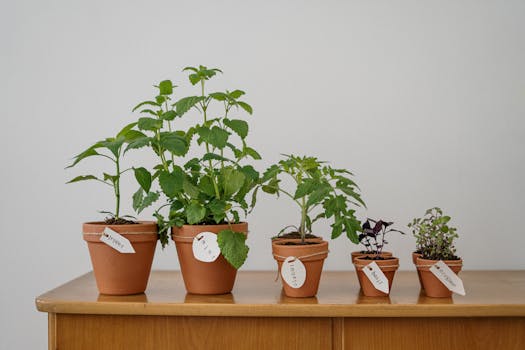
Digital 3-in-1 Soil Moisture & pH Meter
Accurate probe to test deep root zone moisture and prevent accidental overwatering.

Why do indoor plants need fertilizer?
Plants need three main nutrients to grow: nitrogen, phosphorus, and potassium. These are often listed on the package as N-P-K ratios. In nature, plants get these from decomposing organic matter in the soil. In a pot, that natural cycle is broken. The small volume of potting mix inside a container cannot replenish itself.
Amazon US Verified
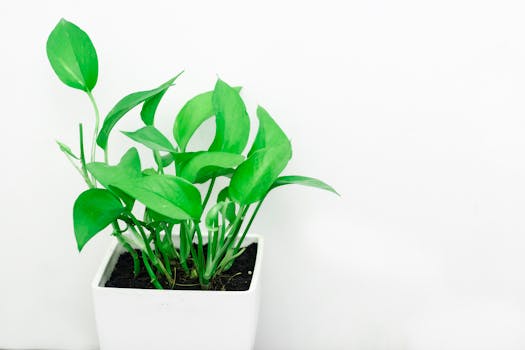
Organic Perlite Horticultural Soil Conditioner
Lightweight volcanic mineral that improves root aeration and prevents compaction.
Indoor plants use nutrients from the soil during periods of active growth, typically from spring through fall. During these months, they are pushing out new leaves, stems, and roots. Without a steady supply of food, growth slows down. Leaves may turn pale or yellow. The plant becomes weak and more vulnerable to pests. Fertilizer provides the fuel your plant needs to stay strong and vibrant.
Because indoor plants grow in the restricted environment of a container of potting soil, they rely entirely on you for their nutrition. A regular feeding schedule during the growing season makes a noticeable difference in their health and appearance.
What makes Bloom City CleanKelp a top organic choice?
If you prefer natural ingredients for your plants, the Bloom City CleanKelp Fertilizer Supplement stands out. This product is made with a blend of seven species of organic seaweed and kelp. Kelp is a powerful natural booster. It boosts root and stem health, which helps the plant absorb water and nutrients more efficiently. When roots are strong, the whole plant benefits.
This fertilizer is processed to extract fibrous pulp that can create a brackish appearance. That means the liquid may look a bit cloudy or dark, but that is normal and a sign of its natural origin. The smell is another pleasant surprise. Many fertilizers have a strong, unpleasant odor, but this one has a sweet, appealing scent. You can apply it to houseplants every time you water or once to twice a month if spraying outside. It works well on vegetables, herbs, and lawns too.
The only downside is that it does not come with a measuring tool. You will need to use an old measuring spoon or cup to get the right dose. For those seeking a gentle, organic option that supports overall plant vitality, this is a solid pick among the best indoor fertilizers.
How does Miracle-Gro Water-Soluble Plant Food compare?
Miracle-Gro is a household name for a reason. The Miracle-Gro Water-Soluble All-Purpose Plant Food is a budget-friendly synthetic fertilizer. It has an N-P-K ratio of 24-8-16, which is high in nitrogen. That makes it excellent for promoting lush, green leaf growth. It works on houseplants, flowers, vegetables, roses, trees, and shrubs, so you only need one bottle for everything.
To use it, mix half a teaspoon of the liquid concentrate with a gallon of water. Soak the base of your plants every one to two weeks during the growing season. The results are fast. Many users notice leaves doubling in size and plants growing at a quicker rate. Because you only use a small amount each time, the bottle lasts a long time, adding to its value.
Amazon US Verified
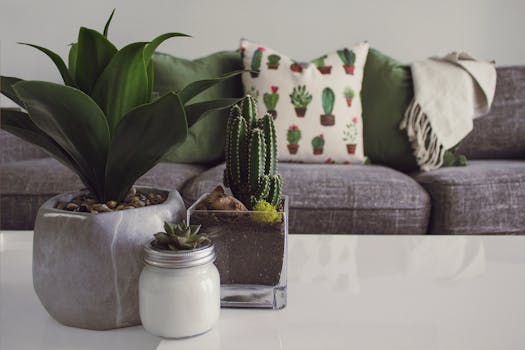
Self-Watering Planters with Drainage Aerators
Elevated reservoir design that prevents soggy roots and ensures steady hydration.
However, there is a trade-off. This fertilizer is made with synthetic ingredients rather than organic ones. Over time, synthetic fertilizers can deplete the soil’s natural quality. They feed the plant directly but do little to improve the soil biology. For short-term, dramatic results on a budget, it works well. For long-term soil health, you might want to alternate with an organic option.
What is special about Easy Peasy indoor plant food?
Not all fertilizers are created equal, and indoor plants have different needs than outdoor garden plants. Easy Peasy All Purpose Indoor Plant Food is made specially for indoor plants. It recognizes that houseplants require a gentler nutrient profile than their outdoor cousins. Outdoor plants face wind, rain, and intense sun, which demand more energy. Indoor plants grow in stable, lower-light conditions and need fewer nutrients overall.
This product comes in a concentrated 8-ounce bottle and needs to be combined with water before use. The formula is designed to be mild enough to use regularly without burning delicate roots. It provides a balanced mix of nutrients that supports steady, healthy growth without forcing rapid, weak spurts. For plant owners who want a product tailored specifically to indoor conditions, this is a thoughtful choice.
What key terms should you know when choosing fertilizer?
Understanding a few basic terms makes shopping for the best indoor fertilizers much easier. Here are the most important ones:
- Macronutrients (N-P-K): These are the essential nutrients your plants need to grow. Nitrogen (N) supports leaf growth. Phosphorus (P) helps roots and flowers. Potassium (K) boosts overall health and disease resistance. The numbers on the package, like 10-10-10, tell you the ratio of each.
- Granule fertilizer: This form comes as a solid, often in powder, spike, or pellet form. It dissolves slowly when you water. Granules are easy to apply and release nutrients over time.
- Slow-release formula: This type of fertilizer needs to be applied infrequently. It slowly breaks down, dispersing nutrients gradually over weeks or months. It is convenient for busy plant owners who want a set-it-and-forget-it approach.
Knowing these terms helps you read labels with confidence and pick a product that matches your plant’s specific needs.
9 Best Fertilizers for Indoor Plants Reviewed
Here is a detailed look at nine top-rated fertilizers, each with its own strengths. Whether you need an organic option, a budget-friendly synthetic, or a specialized formula, there is something here for every indoor gardener.
1. Bloom City CleanKelp Fertilizer Supplement
As discussed earlier, this organic liquid fertilizer is made from seven species of seaweed and kelp. It is gentle enough to use every time you water. It supports root and stem health and has a pleasant sweet smell. It is ideal for those who want a natural, multi-purpose option that works indoors and outdoors. Just remember to bring your own measuring spoon.
You may also enjoy reading: Robert Downey Jr Windmill Home Started as a Playhouse.
2. Miracle-Gro Water-Soluble All-Purpose Plant Food
This synthetic liquid fertilizer has an N-P-K ratio of 24-8-16. It is fast-acting and affordable. It works on a wide range of plants, from houseplants to shrubs. Mix half a teaspoon per gallon of water and apply every one to two weeks. It delivers quick green growth but may reduce soil quality over time if used exclusively.
3. Easy Peasy All Purpose Indoor Plant Food
Formulated specifically for indoor plants, this concentrated liquid comes in an 8-ounce bottle. It needs to be diluted with water before use. Its gentle formula is less likely to burn roots and supports steady, healthy growth. It is a great choice for beginners who want a product designed for the unique conditions inside a home.
4. Jobe’s Organics All-Purpose Fertilizer Spikes
These spikes are a convenient slow-release option. You simply push them into the soil near the plant’s roots. They release nutrients gradually over several weeks. They are organic and contain beneficial soil microbes. They are perfect for people who want a low-maintenance feeding method without mixing liquids.
5. Espoma Organic Indoor Plant Food
This liquid concentrate is made from all-natural ingredients. It has a balanced N-P-K ratio suitable for most houseplants. It is easy to use and does not have a strong chemical smell. It feeds the soil as well as the plant, promoting long-term health. It is a reliable choice for organic gardeners.
6. Osmocote Smart-Release Plant Food
This is a slow-release granule fertilizer. You mix it into the top layer of soil, and it feeds your plants for up to six months. It has a balanced N-P-K ratio and works on a wide variety of indoor plants. It is extremely convenient for those who want to fertilize once and forget about it for months.
7. FoxFarm Liquid Nutrient Trio Soil Formula
This is a set of three liquid fertilizers designed for different growth stages. It includes a grow formula, a bloom formula, and a booster. It is more advanced and suited for serious plant enthusiasts who want to maximize growth and flowering. It is made from natural and organic ingredients.
8. Schultz All Purpose Plant Food Plus
This liquid concentrate is a classic choice. It has a balanced N-P-K ratio and is easy to apply with a dropper. It is affordable and effective for general maintenance. It works well on a wide range of houseplants and is a good staple for any plant owner’s cabinet.
9. EarthPods Premium Indoor Plant Food
These are organic fertilizer capsules that you push into the soil. They activate when you water and release nutrients slowly. They contain beneficial microbes and humic acids. They are mess-free and easy to use. They are a great option for those who want a natural, slow-release solution without measuring or mixing.
Frequently Asked Questions
How often should I fertilize my indoor plants?
Most indoor plants benefit from fertilizing every two to four weeks during the active growing season, which is typically spring through fall. During the winter months, when growth slows down, you can stop fertilizing or reduce it to once a month. Always check the specific instructions on your fertilizer product, as some slow-release formulas require less frequent application.
What is the difference between organic and synthetic fertilizers?
Organic fertilizers come from natural sources like seaweed, bone meal, or compost. They release nutrients slowly and improve soil health over time. Synthetic fertilizers are made from chemical compounds. They provide nutrients quickly and produce fast results, but they can deplete soil quality and may burn plants if overused. Both types can be effective, but organic options are gentler and better for long-term soil vitality.
Can I use outdoor garden fertilizer on my houseplants?
It is not recommended. Outdoor garden fertilizers are often too strong for indoor plants. They may contain high levels of nitrogen or other nutrients that can burn delicate houseplant roots. Indoor plants grow in a confined pot with limited soil, so they need a gentler formula. It is safer to use a fertilizer specifically labeled for indoor plants or one that is balanced and suitable for container gardening.
As an Amazon Associate, azuloz.com earns from qualifying purchases.