Understanding Why Trillium Tests Your Patience
Many gardeners expect instant results when they tuck a new plant into the ground. Trillium does not operate that way. This woodland perennial often takes two years or more before it produces its first bloom. That slow start discourages some people, but it also makes the payoff sweeter. The wait is not a sign that something went wrong. It is simply how trillium grows.
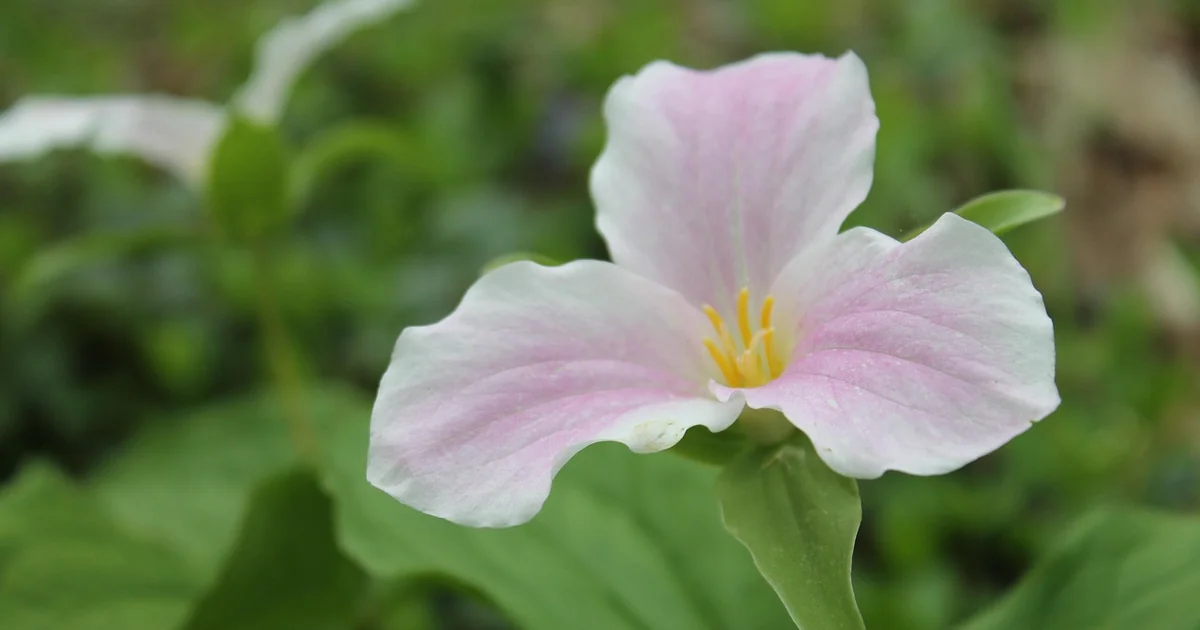
The plant invests its first season underground, building a strong root system. During that time, you might see only a single leaf or nothing at all above the soil. That is normal. The rhizome needs to feel settled before it sends up flowering stems. Once the plant decides the location suits it, the show begins.
Understanding this timetable is one of the most valuable trillium growing tips you can apply. Do not dig up the rhizome to check on it. Do not add extra fertilizer to hurry things along. Just wait. Nature knows the schedule.
Secret 1: Pick a Woodland Spot and Never Disturb It
Trillium is picky about real estate. It wants a shaded location with rich, moist soil that drains well. Think of the forest floor under a canopy of maple, oak, or beech trees. That environment provides the filtered light and decaying leaf matter that trillium craves.
Once you choose a spot, commit to it. Trillium does not appreciate being moved. The rhizome sends down delicate roots that resent transplanting. If you shift the plant after it has established, you reset the clock by another year or two. Pick a place where it can stay for decades.
Give the plant room to spread. Over many years, a single trillium rhizome can form a small colony. That happens through slow underground expansion, not aggressive takeover. Avoid planting aggressive perennials nearby that might compete for space. Plants like vigorous ground ivy or certain ferns can choke out young trilliums before they get going.
What Makes a Good Woodland Setting
The ideal spot receives dappled sunlight in early spring before the trees leaf out fully. By the time summer arrives, the canopy should provide deep shade. That pattern matches trillium’s life cycle as a spring ephemeral. It emerges, blooms, and stores energy while the sun still reaches the forest floor. Once the trees go dense, the plant begins to die back naturally.
If you do not have a woodland garden, you can create one. Plant under a deciduous tree or on the north side of a building where direct sun is limited. A layer of shredded bark or leaf mulch helps mimic the forest floor.
Secret 2: Get the Light and Soil Balance Exactly Right
Trillium needs part shade to full shade. That means no more than a few hours of gentle morning sun, or bright indirect light all day. Harsh afternoon sun will scorch the leaves and shorten the bloom period. Deep shade under evergreens can be too dark, so aim for the filtered light of deciduous trees.
Soil pH should sit between 5.5 and 6.5, which is slightly acidic to neutral. Most woodland soils naturally fall within that range. If you are unsure, a simple soil test kit from a garden center gives you the answer. If your soil is too alkaline, mixing in peat moss or pine bark fines can help lower the pH gradually.
The soil must be humus-rich. That means it contains plenty of decomposed organic matter. In a natural woodland, falling leaves provide this over time. In a garden bed, you can replicate it by working compost into the top few inches before planting. The soil should hold moisture without a doubt hold moisture without becoming waterlogged. Trillium rhizomes rot in soggy ground, so if your area has heavy clay, raise the bed slightly or mix in coarse sand and compost to improve drainage.
Among all trillium growing tips, fixing the soil before planting saves the most trouble later. You cannot easily amend the ground once the rhizome is in place.
Secret 3: Plant Rhizomes at the Correct Depth and Season
Timing matters. Plant trillium rhizomes in late summer or early autumn, when the plant is dormant and the foliage has completely died back. This window usually runs from August to October, depending on your region. Planting during dormancy gives the rhizome time to establish roots before winter sets in.
Dig a hole two to four inches deep. That depth is shallower than many people expect. If you bury the rhizome too deep, it struggles to push shoots upward in spring. If you leave it too shallow, it may dry out or get damaged by frost heave. The crown of the rhizome should sit about an inch below the soil surface.
Spread the long white roots outward when you place the rhizome in the hole. Do not bunch them up. Fan them out gently, then backfill with soil and press down lightly. Water thoroughly after planting to settle the soil around the roots. If rain is scarce, keep the area moist until the first hard frost.
Space plants six to twelve inches apart. Closer spacing gives a denser look sooner, but wider spacing allows each plant room to expand into a colony over time. Plan for the mature spread of about twelve inches per plant.
Secret 4: Let Leaf Litter Replace Fertilizer
Trillium does not need synthetic fertilizer. In fact, applying chemical plant food can harm the delicate rhizome and encourage floppy, unnatural growth. Instead, mimicry. Instead of buying a bag of fertilizer, let fallen leaves do the work.
Each autumn, allow leaves from nearby deciduous trees to accumulate over the trillium bed. As those leaves break down, they release nutrients slowly and steadily. This process mirrors what happens in a natural forest. The leaf litter also insulates the ground during winter and helps retain moisture during dry spells.
If you prefer a tidier look in your garden, rake the leaves into a pile nearby, let them decompose for a year, and then spread a thin layer of that finished leaf compost over the trillium bed each spring. That gives you the benefit of organic matter without the messy look.
Once a year, top-dress the bed with about an inch of well-rotted compost or leaf mold. Spread it gently around the plants, being careful not to bury the crowns. That single application provides all the nutrition trillium needs for the growing season.
Secret 5: Water Only When It Actually Matters
Trillium has specific watering needs that change with the seasons. Getting this right makes a big difference in plant health.
Right after planting, water regularly if rain is infrequent. The first few weeks are critical for root establishment. A deep watering once a week is better than light sprinkles every day. The goal is to encourage roots to grow downward into the soil.
Once the plant is established, it becomes more self-sufficient. In spring, when trillium is actively growing and blooming, the soil should stay consistently moist. A layer of leaf mulch helps retain that moisture naturally.
By midsummer, trillium begins to die back. The foliage yellows and wilts. At this point, stop watering entirely. The plant is entering its dormant phase, and excess moisture during dormancy can lead to rot. Let the ground dry out naturally. The rhizome will rest until the following spring.
In areas with extremely hot, dry summers, a thick layer of leaf litter or wood chip mulch helps keep the soil temperature stable. That extra protection can make the difference between a plant that survives the summer and one that struggles.
This seasonal watering rhythm is one of those trillium growing tips that new growers often get wrong. They see the foliage wilting in July and panic, reaching for the hose. The wilting is supposed to happen. Let it.
Secret 6: Resist the Urge to Divide or Move Trillium
Many perennials benefit from regular division every few years. Trillium does not. Dividing trillium is difficult, slow, and frequently unsuccessful. The rhizome does not respond well to being cut. Even if a division survives, it can take years to recover, and you may not see a bloom for another three or four seasons.
Seed propagation is even slower. Trillium seeds can take up to two years to germinate, and then another five to seven years before the plant flowers. That timeline explains why trillium is not cheap at nurseries. The growers invest years of patience before they have a saleable plant.
If you want more trillium in your garden, the best approach is to leave the existing plants alone and let them spread naturally. Over many years, a clump will expand outward at its own pace. You can also buy additional rhizomes from a reputable nursery and plant them in a new spot.
If you absolutely must move a trillium, do it during full dormancy in late summer or early fall. Dig a wide circle around the plant to capture as many roots as possible. Replant immediately at the same depth and water well. Then accept that the plant may skip blooming for a year or two while it readjusts.
You may also enjoy reading: 7 Low-Maintenance Shade Perennials That Thrive in Dark.
Secret 7: Choose the Right Species for Your Region
Over forty species of trillium exist, and not all of them grow well in every climate. Matching the species to your hardiness zone and local conditions is essential for long-term success.
The Great White Trillium, Trillium grandiflorum, is one of the most popular choices. It produces large white flowers that fade to pink as they age. This species thrives in zones 4 through 7 and does well across most of the eastern United States and into southern canada regions. The rhizomes of the South of Canada or northernstates will be better adapted.
If you live in a warmer area, zones 7 through 9, look for species native to the southeastern United States. Trillium cuneatum, sometimes called sweet Betsy or whippoorwill flower, handles heat better than many northern species. Its flowers are deep maroon and fragrant. Trillium luteum offers yellow blooms and also tolerates warmer conditions.
For colder zones, Trillium erectum, known as red trillium or stinking Benjamin, is a tough choice that survives winter lows in zone 3. Its reddish-purple flowers have an unusual scent that attracts carrion flies as pollinators. That sounds unappealing, but the flowers are striking, and the smell is faint unless you put your nose right next to the bloom.
Before buying, check the species name against your zone. A plant labeled simply trillium may not be suited to your garden. Do a quick search for the species name and your region. This research upfront prevents disappointment later.
Types of Trillium You Might Encounter
Great White Trillium (Trillium grandiflorum)
This species is the showstopper of the genus. Large white flowers up to four inches across appear in mid-spring. The blooms age to soft pink. It grows best in zones 4 through 7 and spreads slowly into colonies over time. It is the species most often sold at nurseries in the eastern United States.
Red Trillium (Trillium erectum)
Also called stinking Benjamin, this species has deep reddish-maroon flowers that nod slightly downward. The bloom appears in early to mid-spring. It grows in zones 3 through 7 and tolerates colder winters than most trilliums. The flowers have a musky odor that attracts beetles and flies for pollination.
Yellow Trillium (Trillium luteum)
This species offers lemon-yellow flowers with a pleasant lemony scent. It grows naturally in the southern Appalachian region and does well in zones 4 through 8. The leaves are mottled with lighter patches, adding interest even after the flowers fade.
Relict Trillium (Trillium reliquum)
This rare species has a very narrow native range, found only in a few locations in the southeastern United States growing in the area of Alabama, Georgia, and South Carolina. It is listed as endangered in the wild. Gardeners in the Southeast who want to cultivate a piece of botanical history can seek out nursery-propagated plants. Never dig this species from the wild.
Toadshade (Trillium sessile)
This species has sessile flowers, meaning the bloom sits directly on top of the leaves with no stem. The flowers are deep maroon or reddish-brown. The leaves are mottled with silver and green. It grows in zones 4 through 8 and stays compact, reaching about eight inches tall.
Common Challenges and How to Work Around Them
Trillium does not suffer from serious pests or diseases. Deer tend to leave it alone, which is a rare gift in the garden world. Slugs and snails may nibble on young shoots in very wet springs, but they rarely cause lasting damage. A ring of crushed eggshells or diatomaceous earth around the plants usually discourages them.
The biggest challenge trillium growers face is impatience. The plant patience. The second biggest is poor drainage. If your trillium fails to thrive, check the drainage first. Dig down six inches after a heavy rain. If water pools in the hole, the spot is too wet. Move the plant to a higher location or amend the soil with compost and grit to improve percolation.
Another issue is too much sun. If the leaves look bleached or develop brown edges, the plant is getting too much direct light. A spot under a dense deciduous tree is usually best best shade provider. If you cannot plant under a tree, rig a shade cloth for the first growing season until the plant establishes.
Sometimes trillium simply disappears. The plant dies back to the ground by late summer, and if you forget where it is, you might accidentally dig into the rhizome while planting something else. Mark the spot with a small stake or a ring of stones so you remember its location during the dormant months.
Frequently Asked Questions About Growing Trillium
How long does it take for trillium to bloom after planting?
Most trillium species require at least two full growing seasons before they flower. Some take three or four years. The first year after planting, you might see only a single leaf. The second year brings larger leaves, and the third year often delivers the first bloom. Patience is essential.
Can trillium grow in full shade under evergreens?
Deep shade under evergreen trees or dense conifers is usually too dark for trillium. The plant needs some filtered sunlight in early spring to photosynthesize and store energy for blooming. A spot under deciduous trees that leaf out later in spring is ideal.
Is trillium toxic to pets or children?
Yes, trillium contains compounds that are toxic if ingested in significant quantities. The berries and leaves are the most concerning parts. Symptoms can include nausea, vomiting, and digestive upset. If you have young children or pets that tend to eat plants, plant trillium in a location that is not easily accessed, or choose a different species for high-traffic areas.
Can I grow trillium in a container on my patio?
Trillium does not perform well in pots. The rhizome needs consistent soil temperatures that containers cannot provide. In winter, pots freeze more deeply than garden soil, which can kill the rhizome. In summer, pots heat up too quickly, stressing the plant. Stick to in-ground planting for best results.
Should I cut back trillium foliage after it blooms?
No. Let the foliage die back naturally on its own schedule. The leaves continue to photosynthesize and send energy to the rhizome for next year bloom. Cutting them early weakens the plant. When the leaves turn yellow and collapse, you can gently remove them or simply leave them to compost in place.
Mastering these trillium growing tips transforms a tricky plant into a reliable spring ritual. The first time you see that three-petaled flower open after years of waiting, you will understand why the patience was worth it. Trillium teaches the gardener to slow down, observe, and trust the process. That lesson is as valuable as the bloom itself.