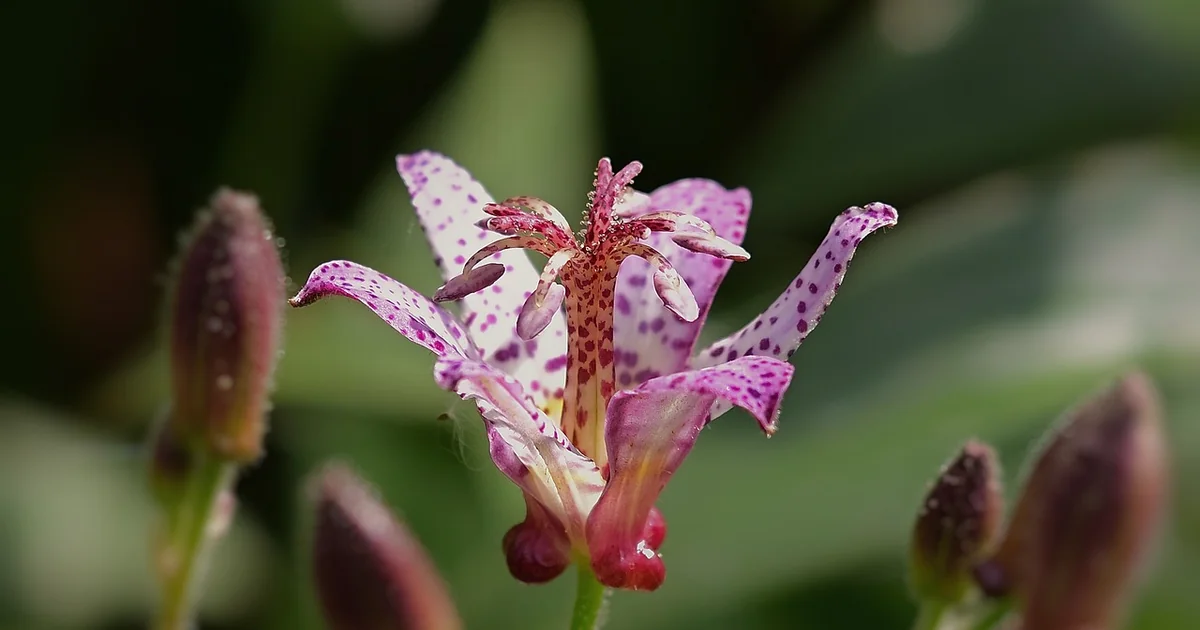
Imagine walking through your garden in late September when most flowers have faded, and discovering clusters of orchid-like blooms covered in delicate speckles. That is the magic of toad lilies. These shade-loving perennials bring unexpected beauty to autumn gardens when little else is flowering. Unlike many shade perennials that finish their show by midsummer, toad lilies wait until the days shorten before unfurling their intricate flowers. Their arching stems and spotted foliage add texture and visual interest to dim corners of the yard long after other plants have gone dormant.
Planting Toad Lilies Step by Step
Success with toad lilies begins with proper planting techniques. These perennials have specific needs that, when met, reward you with years of dependable autumn blooms. Follow these seven steps to give your plants the best possible start.
Step 1: Select a Suitable Site
Location matters greatly for toad lilies. In their native East Asian habitat, these plants grow along woodland edges and near streams where dappled sunlight filters through trees. Recreate these conditions in your garden by choosing a spot that receives morning sun and afternoon shade. Full shade can work, but you may notice fewer flowers and less vibrant foliage color. In hotter climates, protection from intense afternoon rays becomes essential to prevent leaf scorch. A position under deciduous trees often works well, as the spring leaves allow some early sun before leafing out fully in summer. Avoid spots that stay wet for long periods after rain, as consistently waterlogged roots lead to rot.
Step 2: Enrich the Soil Before Planting
Toad lilies demand soil that stays consistently moist yet drains freely. Heavy clay or sandy soil will not support healthy growth unless amended. Start by testing your soil’s texture. Grab a handful and squeeze it. If it forms a tight ball that does not crumble easily, you likely have clay-dominant soil that needs loosening. If it falls apart immediately with no cohesion, sand content may be too high. Mix 2 to 3 inches of well-rotted composted organic material into the top 8 inches of your garden bed. Aged leaf mold, composted bark, or finished vegetable compost all work well. This addition improves drainage in heavy soils and boosts moisture retention in sandy ones. The ideal pH range for toad lilies falls between 6.0 and 7.0, so consider a simple soil test if you are unsure about your yard’s baseline.
Step 3: Time Your Planting Correctly
Spring planting gives toad lilies the longest possible growing season before their first autumn display. Aim for a planting window after the last expected frost in your region, when soil temperatures have warmed to at least 50 degrees Fahrenheit. In Zones 6 and 7, this typically falls between mid-April and early May. Gardeners in colder Zones 4 and 5 may need to wait until late May. Planting too early in cold, damp soil risks rhizome rot. If you miss the spring window, early fall planting is also possible, provided you plant at least six weeks before the first hard freeze. This gives roots time to establish before winter dormancy. For the strongest fall bloom, spring-planted toad lilies outperform those set out later in the year.
Step 4: Dig and Position the Rhizome Properly
When you are ready to plant toad lily, dig a hole approximately twice as wide as the root ball or rhizome cluster. Gently loosen the roots if they circle the container. Place the plant at the same depth it grew in its nursery pot. The crown where stems emerge should sit level with the surrounding soil surface, not buried deeper. Backfill the hole with your enriched soil mixture, pressing down lightly to remove air pockets. Water thoroughly until the top 1 to 2 inches of soil feel moist to the touch. Space multiple plants 12 to 18 inches apart to allow for mature spread of 1 to 2 feet. Toad lilies do not compete well with aggressive tree roots, so keep them away from shallow-rooted species like maples or willows.
Step 5: Establish a Watering Routine
Consistent moisture during the first growing season builds a strong root system. Check soil moisture every 2 to 3 days by inserting your finger one knuckle deep. If it feels dry at that depth, it is time to water. Aim for about 1 inch of water per week, including rainfall. During hot, dry spells, increase frequency to twice per week. Always water at the base of the plant rather than overhead. Wet foliage, especially when combined with high humidity, invites fungal diseases such as leaf spot and stem rot. Drip irrigation or a soaker hose works wonderfully for keeping leaves dry. Once established after one full growing season, toad lilies tolerate short drought periods surprisingly well, though extended dryness reduces flower quantity and leaf quality.
Step 6: Apply a Layer of Mulch
Mulch serves multiple purposes for toad lilies. A 2-inch layer of shredded bark, leaf mold, or composted pine straw keeps soil temperatures stable and slows evaporation. This is especially valuable in hotter zones where summer heat stresses plants. Mulch also suppresses weeds that would compete for moisture and nutrients. Apply mulch after the soil has warmed in late spring, not immediately after planting when the ground is still cool. Keep mulch 2 to 3 inches away from the plant stems to prevent moisture buildup against the bark, which can cause collar rot. Each spring, refresh the layer as the previous year’s mulch decomposes into the soil. Organic mulches that break down slowly, such as shredded hardwood bark, work better than fast-decaying materials like grass clippings.
Step 7: Prune and Maintain After Blooming
Once the flowers fade in late autumn, cut the spent stalks down to the base. Leave the remaining foliage intact until it yellows and dies back naturally. The leaves continue photosynthesizing after flowering, sending energy to the rhizomes for next year’s growth. Premature removal of green foliage weakens the plant over time. After the first hard frost kills back the leaves, you can clean up the remaining debris. In colder zones, a light winter mulch of straw or evergreen branches protects the crowns from freeze-thaw cycles that heave plants out of the ground. Remove this winter covering in early spring before new growth emerges. Toad lilies benefit from division every 3 to 4 years when the clump becomes crowded and bloom production declines.
Ongoing Care for Healthy Toad Lilies
After the initial planting, toad lilies require a moderate amount of attention to maintain their best appearance. Understanding their preferences for light, moisture, and nutrients helps you troubleshoot problems before they become serious.
Light Requirements
The ideal lighting situation for toad lilies involves morning sun followed by afternoon shade. In northern zones, some varieties tolerate full sun if watered consistently, but southern gardeners must provide afternoon shade to avoid leaf burn. Dappled shade throughout the day also works well. A spot that receives between 2 and 4 hours of direct morning sun typically produces the most flowers with the healthiest foliage. Too little light results in leggy growth, fewer blooms, and loss of variegation in gold- or chartreuse-leaved varieties. If you notice your plants stretching toward light sources or producing pale leaves, they likely need more sun. Conversely, leaves that develop brown edges or white patches in summer are getting too much direct exposure.
Soil and Water Preferences
Rich, moisture-retentive soil with excellent drainage remains the gold standard for toad lilies. They perform best in soil that holds moisture like a wrung-out sponge. If your garden bed dries out within 24 hours of watering, incorporate additional organic matter. If water pools on the surface for more than 2 hours after rain, improve drainage by raising the bed or adding coarse sand and compost. During the growing season, a weekly deep soak is better than daily light sprinklings. Deep watering encourages roots to grow downward, making plants more drought-tolerant over time. In autumn, reduce watering as temperatures cool and growth slows. Overwatering during dormancy is one of the most common causes of winter root rot.
Temperature and Humidity Management
Toad lilies show remarkable cold hardiness, surviving winter temperatures as low as minus 30 degrees Fahrenheit in Zone 4. They also handle summer heat well provided the roots stay cool and moist. The real challenge comes with humidity. In regions where summer humidity regularly exceeds 70 percent, fungal issues become more likely. Improve air circulation by spacing plants properly and thinning surrounding vegetation. Avoid planting toad lilies against solid walls or in enclosed courtyards where air stagnates. In especially humid climates, choose cultivars bred for disease resistance. ‘Miyazaki’ hybrids, for example, show better tolerance to high humidity than the species type. If you notice powdery mildew or leaf spot during humid spells, remove affected leaves promptly and dispose of them in the trash, not the compost pile.
Fertilizer Needs
Toad lilies are not heavy feeders, but they benefit from modest nutrition. Apply a balanced, slow-release fertilizer with an N-P-K ratio around 10-10-10 or 5-5-5 in early spring as new growth appears. A light side-dressing of compost or well-rotted manure in late spring provides additional nutrients without the risk of burning roots. Avoid high-nitrogen fertilizers, which encourage lush leaf growth at the expense of flowers. If your soil was enriched with compost at planting time, you may not need additional fertilizer for the first year. After that, a single spring application suffices for most gardens. Yellowing leaves with green veins may indicate a manganese or iron deficiency, which can be corrected with a foliar spray of chelated micronutrients.
Popular Toad Lily Varieties to Grow
Choosing the right cultivar makes a noticeable difference in your garden’s fall display. The species Tricyrtis hirta, commonly known as the hairy toad lily, features white flowers heavily spotted with purple and fuzzy stems that add texture even before blooms appear. It reaches about 3 feet tall and blooms from late September through October in most zones. ‘Tojen’ produces soft lavender flowers in early fall and grows slightly taller than the species. Its blooms lack the heavy spotting of T. hirta, offering a more muted, elegant appearance. ‘Sinonome’ displays white flowers with maroon speckles and thrives in deeper shade than many other cultivars. ‘White Towers’ lives up to its name with pure white, unspeckled flowers that create a cool, calm effect in the autumn garden. For golden foliage, ‘Lightning Strike’ offers chartreuse leaves edged in dark green, providing visual interest from spring through frost. Each variety brings something different, so consider mixing several types to extend the bloom period from early September through November.
You may also enjoy reading: 7 Easy Strawberry Lemon Rice Krispies Treats.
How to Propagate Toad Lilies
Expanding your collection of toad lilies does not require buying new plants every year. Division remains the most reliable method for home gardeners. In early spring as new shoots emerge but before they reach 6 inches tall, dig up the entire clump. Use a sharp spade or garden knife to cut the root mass into sections, each containing at least 3 to 5 growing points. Replant immediately at the same depth as the original clump. Divisions establish quickly and often bloom in the same year. Stem cuttings taken in early summer also root readily. Cut 4- to 6-inch stems just below a leaf node, remove the lower leaves, and insert the cutting into moist potting mix. Cover with a clear plastic bag to maintain humidity and place in bright, indirect light. Roots form in 3 to 4 weeks. Seed propagation is possible but requires patience. Toad lily seeds need light to germinate, so press them onto the surface of moist seed-starting mix without covering. Keep temperatures around 65 to 70 degrees Fahrenheit, and expect germination in 2 to 4 weeks. Seedlings take 2 to 3 years to reach flowering size.
Common Pests and Problems
Toad lilies face relatively few serious pest issues. Slugs and snails occasionally damage young shoots and tender foliage, especially in damp, shaded locations. Hand-picking these pests at dusk or using iron phosphate bait controls them without harming beneficial insects. Rabbits tend to leave toad lilies alone, making them a good choice for gardens where deer are a problem. Deer generally avoid toad lilies due to their fuzzy stems and slightly bitter foliage. The most significant disease threat comes from fungal infections in humid conditions. Leaf spot appears as small brown or black spots on leaves, while powdery mildew creates a white, dusty coating on foliage surfaces. Crop rotation is not an option for perennials, so focus on prevention through proper spacing, base watering, and removal of infected leaves. If fungal problems persist year after year, consider moving plants to a more open location with better air circulation. Root rot, indicated by yellowing leaves and mushy stems, usually results from overwatering or heavy clay soil. Improve drainage or relocate plants to a raised bed.
Frequently Asked Questions
Can toad lilies grow in full shade?
Toad lilies tolerate full shade but flower best with at least 2 hours of morning sun daily. In deep shade, blooms become sparse and foliage loses its vibrant color.
When is the best time to plant toad lily in colder zones?
Spring after the last frost is ideal for Zones 4 and 5. This gives the plant a full growing season to establish before winter dormancy.
How often should I divide toad lilies?
Divide every 3 to 4 years when the center of the clump looks bare or flower production drops. Early spring is the best time for division.
Do toad lilies need staking?
Most toad lilies grow 1 to 3 feet tall and have naturally arching stems. Staking is rarely needed unless plants are in very rich soil that produces unusually tall, floppy growth.
Are toad lilies invasive?
Toad lilies spread slowly by rhizomes and do not become invasive in garden settings. They form neat clumps that are easy to contain with regular division.
Toad lilies bring a touch of the exotic to autumn gardens without demanding excessive maintenance. Their speckled blooms, graceful habit, and tolerance for shade make them a valuable addition to any woodland border or partly shaded bed. By following these seven planting steps and providing consistent care, you will enjoy their unique beauty for many Octobers to come.