Why Thyme Deserves a Spot in Your Garden
Thyme quietly does more than most gardeners expect. This Mediterranean perennial brings fragrance, color, texture, and even pollination benefits to any outdoor space. Many people think of thyme only as a dried herb in a jar, but the living plant offers a surprising range of uses. From carpeting pathways with soft, aromatic foliage to providing fresh sprigs for evening meals, thyme earns its place in both ornamental and kitchen gardens. The process of planting and growing this herb is straightforward, but a few specific techniques make the difference between a plant that merely survives and one that truly thrives.
Step 2: Preparing the Soil for Thyme Success
Thyme comes from rocky, arid regions of the Mediterranean. It evolved in soils that most garden plants would reject. This means you do not need rich, loamy earth. In fact, overly fertile soil causes problems. The key factors are drainage and pH, not organic matter or nutrients.
Drainage Is the Top Priority
Thyme roots rot quickly in soggy conditions. If your garden has heavy clay soil that holds water after rain, you must amend it or plant thyme in a raised bed or container. Mix coarse sand, perlite, or fine gravel into the planting area to improve drainage. A simple test: dig a hole 12 inches deep and fill it with water. If the water has not drained completely within 2 hours, the soil is too heavy for thyme without modification. In that case, consider building a raised bed or using a large container with drainage holes.
Soil pH and Nutrient Reality
Thyme grows well in soil with a pH between 6.0 and 8.0. Most garden soils fall within this range, so testing is rarely needed. If you want to be precise, a simple pH test kit from a garden center costs only a few dollars. Avoid adding fertilizer. Thyme produces the most concentrated flavor when grown in lean soil. Excess nitrogen causes soft, lush growth that has little taste and attracts pests. A thin layer of compost worked into the top inch of soil at planting time is more than enough nutrition for the entire season.
Container Considerations
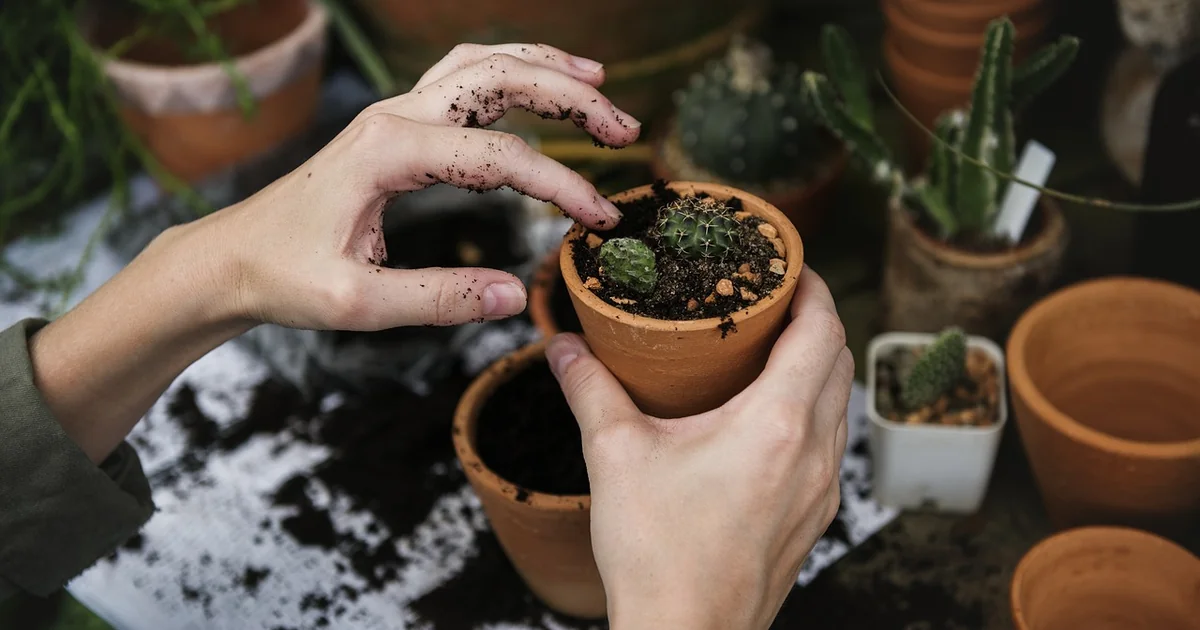
If you plan to grow thyme in a pot, choose a container at least 12 inches in diameter with large drainage holes. Terracotta pots work well because the porous clay helps the soil dry out between waterings. Plastic pots retain moisture longer, so you must water less frequently. Use a cactus or succulent potting mix blended with a handful of perlite to ensure fast drainage. Never let a potted thyme plant sit in a saucer of standing water.
Step 3: Planting Thyme at the Correct Depth and Spacing
Timing and technique matter more than most beginners realize. Planting too early or too deep stresses the young plant and slows establishment. Follow these specific steps for the best start.
When to Plant
Set thyme into the garden after the last spring frost has passed. Soil temperature should be at least 60 degrees Fahrenheit. In most climates, this falls between late April and mid-May. You can start seeds indoors 6 to 8 weeks before the last frost, but most home gardeners find it easier to buy nursery-started plants. Thyme seeds germinate slowly and unevenly, which can be frustrating for a beginner. If you do start seeds indoors, use a heat mat to keep the soil at 70 degrees and expect germination in 14 to 28 days.
How Deep and How Wide
Dig a hole about twice the diameter of the nursery pot but no deeper than the root ball. Place the plant so the top of the root ball sits level with the surrounding soil. Backfill with original soil, not amended mix, and press gently to remove air pockets. Water thoroughly after planting. Space multiple plants 12 to 24 inches apart, depending on the variety. Creeping types spread wider and need more room. Upright culinary varieties stay more compact.
Watering in the First Weeks
Newly planted thyme needs consistent moisture for the first 3 to 4 weeks while roots establish. Water deeply when the top inch of soil feels dry. After this establishment period, reduce watering gradually. Once the plant shows new growth, it is ready to handle drier conditions. Overwatering during the first month is the most common mistake. Check soil moisture with your finger before each watering.
Step 4: Managing Light, Water, and Temperature for Long-Term Health
After establishment, thyme becomes one of the lowest-maintenance herbs in the garden. But a few environmental factors still require attention.
Light Throughout the Season
Thyme needs full sun every day of the growing season. In midsummer, when other plants wilt and scorch, thyme thrives. If you notice the center of the plant thinning out or the stems stretching toward one side, the plant is likely not receiving enough light. Trim back any nearby plants that may be casting shade.
Watering Discipline
Once established, thyme is genuinely drought-tolerant. In most regions, rainfall alone provides enough moisture after the first month. Only water during extended dry periods, and even then, a deep watering every 2 to 3 weeks is sufficient. The plant prefers to be on the dry side. Yellowing leaves or a musty smell from the soil indicate overwatering. If you see these signs, stop watering immediately and let the soil dry out completely.
Temperature and Humidity Challenges
Thyme handles cold winters well. Many varieties survive temperatures well below zero and return the following spring. In northern climates, the foliage may die back to the ground after the first hard freeze, but the roots remain alive. Mulch lightly with straw or leaves after the ground freezes to protect the root zone. In hot, humid summers, thyme can struggle. High humidity encourages fungal diseases. If you live in a region with muggy summers, space plants extra wide for air circulation and avoid overhead watering. Water at the soil level instead.
Step 5: Pruning, Maintenance, and Harvesting for a Long-Lived Plant
Thyme left unpruned becomes woody and unproductive within 2 to 3 years. Regular trimming keeps the plant compact, leafy, and flavorful. This step is often overlooked, but it is essential for sustained harvests.
When and How to Prune
Prune thyme twice per year for best results. The first pruning happens after the main bloom period, usually in early summer. Cut the entire plant back by about one-third, removing the spent flower stalks and the top portion of the stems. Use sharp shears and make clean cuts just above a leaf node. The second pruning occurs in late summer or early fall, again removing about one-third of the plant. This encourages a flush of tender new growth before winter. Avoid pruning after mid-autumn because new growth needs time to harden off before frost.
Harvesting Techniques
You can snip thyme stems at any point during the growing season once the plant is established. For the best flavor, harvest in the morning after the dew dries but before the heat of the day. Cut stems from the top of the plant to encourage branching. Never strip all the leaves from a single stem. Leave at least half of the foliage intact so the plant can continue photosynthesis. If you need a large quantity for drying or freezing, harvest just before the flowers open, when the essential oil content peaks.
Container Plant Maintenance
Potted thyme requires a slightly different care routine. Containers dry out faster than garden soil, so check moisture more frequently. In winter, potted thyme needs protection from freezing temperatures because the roots are exposed to cold air on all sides. Move the container to an unheated garage or basement, or wrap the pot in burlap and bubble wrap. Reduce watering in winter to once every 2 to 3 weeks, just enough to prevent the roots from drying completely.
Common Challenges in Planting and Growing Thyme and How to Solve Them
Even with the best care, problems can arise. Here are the most frequent issues and practical solutions.
You may also enjoy reading: 11 Best Paints for Cabinets: BHG Reviewed.
Root Rot from Overwatering
This is the number one cause of thyme death. The leaves turn yellow, then brown, and the stems become mushy at the base. Once root rot sets in, the plant rarely recovers. Prevention is the only reliable strategy. Ensure perfect drainage, water sparingly, and never let the plant sit in wet soil. If you catch the problem early, you can take cuttings from healthy stems and propagate new plants before the original dies.
Aphids and Spider Mites
Thyme is generally pest-resistant, but aphids and spider mites occasionally appear during hot, dry weather. Aphids cluster on new growth and excrete sticky honeydew, which attracts ants. Spider mites cause fine webbing and stippled yellow leaves. A strong blast of water from a garden hose knocks both pests off the plant. For persistent infestations, spray with insecticidal soap diluted according to label directions. Avoid neem oil on thyme, as it can burn the delicate leaves in full sun.
Woody, Unproductive Growth
Thyme naturally becomes woody at the base as it ages. This is normal, but if the woody stems dominate and green growth is sparse, the plant needs rejuvenation. Prune back hard in early spring, cutting stems to within 2 inches of the ground. This stimulates new shoots from the base. Replace plants every 3 to 4 years because even with good pruning, production declines with age. Take stem cuttings in late spring to start new plants as insurance.
Using Thyme in the Kitchen and Garden
Thyme pairs well with roasted vegetables, chicken, fish, and legumes. A single sprig added to a simmering pot of soup or stew releases enough flavor to season the entire dish. Fresh thyme leaves strip easily from the stem by running your fingers backwards along the stem. Dried thyme retains its potency for about 6 months if stored in an airtight jar away from direct light. In the garden, thyme acts as a living mulch that suppresses weeds and stabilizes soil on slopes. Its shallow roots hold soil in place without competing aggressively with neighboring plants.
Thyme also serves as a natural deer repellent. Deer avoid strongly scented herbs, so planting a border of thyme around vulnerable flowers or vegetables reduces browsing damage. This is a practical, chemical-free strategy for gardeners in areas with high deer pressure.
Frequently Asked Questions About Growing Thyme
Can thyme survive winter outdoors?
Yes, most common thyme varieties are hardy in Zones 4 through 9. In colder zones, the plant dies back to the ground in winter and regrows from the roots in spring. A light mulch of straw or shredded leaves after the first hard freeze insulates the roots. Potted thyme needs extra protection because the roots are exposed to cold air on all sides.
How often should I water thyme after it is established?
Once thyme is established, water only when the top 2 inches of soil are dry. In most climates, this means watering every 2 to 3 weeks unless there has been significant rainfall. Thyme is drought-tolerant and prefers dry conditions. Overwatering is far more dangerous than underwatering.
Why is my thyme plant turning brown and dying?
The most common cause is root rot from excessive moisture. Check the drainage and reduce watering immediately. Another possibility is a fungal disease caused by high humidity and poor air circulation. Remove affected stems and space plants wider if you suspect fungal issues. Less commonly, thyme can decline from extreme heat combined with high humidity, which stresses the plant beyond its tolerance.
Can I grow thyme indoors on a windowsill?
Yes, but you must provide strong light. A south-facing window that receives at least 6 hours of direct sunlight is essential. Without enough light, indoor thyme becomes leggy and loses flavor. Supplement with a grow light during winter months if natural light is insufficient. Use a small pot with drainage holes and a well-draining potting mix.
How do I harvest thyme without damaging the plant?
Use clean, sharp scissors or pruning shears. Cut stems from the top of the plant, taking no more than one-third of the total growth at one time. Make cuts just above a leaf node to encourage branching. Never pull or tear stems, as this damages the plant and creates entry points for disease. Regular harvesting actually improves the plant by promoting compact, bushy growth.
Thyme rewards a gardener who pays attention to the basics: full sun, excellent drainage, minimal water, and regular pruning. These five steps cover the entire lifecycle from choosing the right variety to maintaining a productive plant for years. Whether you plant a single pot on the patio or a sweeping groundcover along a pathway, the process of planting and growing this herb connects you to a tradition that spans thousands of years. The fragrance alone, released with every accidental brush of the hand, makes the effort worthwhile.