When the credits roll on The Mandalorian & Grogu, you might find yourself sitting in the dark with more questions than answers. The film delivers a tense separation, a surprising alliance, and a conclusion that feels both final and wide open.
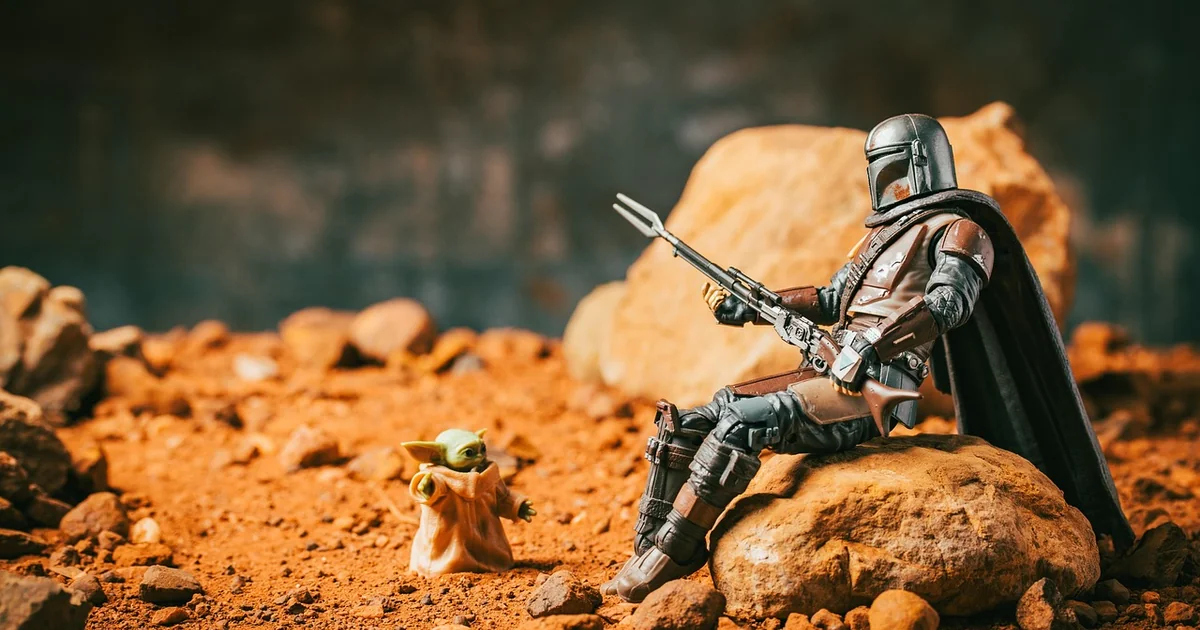
Does Din Djarin die in the film?
The short answer is no. Din Djarin survives, but the journey to get there is genuinely harrowing. Early in the film, while escaping the Hutt palace, he is poisoned and shot. The situation becomes so dire that he says a heartfelt goodbye to Grogu, urging the youngling to leave the planet without him. This moment feels heavy, especially for viewers who have followed their bond across the series.
However, Grogu refuses to abandon his father. The little guy stays behind and takes matters into his own hands. He gathers local foliage, uses a remedy he learned from a fisherman, and then taps into his force-healing powers to keep Din alive. This sequence is a masterclass in showing Grogu’s growth. He is no longer just the cute sidekick who needs protection. He is an active, capable caregiver who makes a conscious choice to save his dad.
This scene is arguably the emotional core of the film. It shifts the dynamic between the two characters permanently. Din has always been the protector, but here, Grogu proves he can return that care in full measure. The mandalorian grogu ending does not kill off either character. Instead, it reaffirms their bond through a life-or-death test that Grogu passes with remarkable maturity.
Does Din Djarin remove his helmet?
Yes, his helmet comes off during the film, but do not expect a shift in his religious convictions. Many fans have wondered if this adventure would finally convince Din to abandon the strict tenets of his Mandalorian creed. It does not. He removes the helmet when necessary for practical reasons, such as eating or receiving medical care, but his faith in his traditions remains unshaken.
This is a deliberate choice by the filmmakers. Din Djarin is a character defined by his internal conflict between rigid rules and flexible ethics, especially when it comes to family. He will break his code to save Grogu, but he will not abandon the code itself. For viewers who follow the Mandalorian religion closely, this is a nuanced take. It suggests that his commitment is not about the helmet itself but about the meaning behind it. He does not care that he looks like Pedro Pascal and should be seen by the galaxy. He cares about who he is under the armor.

Amazon US Verified
Little Spot of Emotion 8-Book Box Set
Engaging visual books and plushies that help children identify and regulate feelings.
This refusal to change also sets up potential future conflict. If Din remains helmet-bound, his relationship with the New Republic and other characters who expect a face may remain complicated. For now, the mandalorian grogu ending keeps his identity intact, both literally and figuratively.
What happens with Rotta the Hutt?
Rotta the Hutt, the son of the infamous Jabba, is the catalyst for the entire plot. The film begins with Din agreeing to rescue Rotta because the New Republic needs him. Specifically, Rotta’s twin leaders, his aunt and uncle, are withholding information about an Imperial warlord named Commander Coin. Rotta himself was captured by Coin, who runs gladiator fights under the name Lord Janu.
Din and Grogu eventually return to the Hutt palace to kill the twins and rescue Rotta. With a last-minute assist from the New Republic army, they blow everything up and escape. Rotta survives to the end of the film. But here is the twist: he does not take over his family’s criminal syndicate. Instead, Rotta suits up and joins the New Republic.
This is a surprising turn for a character who was once a baby in Star Wars: The Clone Wars. The moral dilemma of aiding a Hutt criminal to serve the New Republic’s agenda is a central theme of the film. Din is essentially asked to work with a crime family to catch a bigger Imperial threat. In the end, Rotta chooses a different path. He leaves the underworld behind. This decision leaves all three characters — Din, Grogu, and Rotta — potentially returning for a sequel, but now as allies rather than reluctant partners.
Does Rotta join Din and Grogu?
No, Rotta does not join Din and Grogu as a permanent companion. Many fans, including this writer, hoped he would go live with them after everything was over. The idea of a reformed Hutt traveling with a Mandalorian and a Jedi child is undeniably appealing. But the film takes a different route.
Rotta instead suits up and joins the New Republic. This choice makes narrative sense. Rotta has no love for his aunt and uncle, who were secretly working with Commander Coin. He also has no desire to continue the Hutt criminal legacy. By joining the New Republic, he gets a fresh start and a chance to redeem his family name. For Din and Grogu, this means their adventure with Rotta is a contained arc. They rescue him, they help him find a new purpose, and then they part ways.
Still, in theory, all three could return for a sequel. The New Republic is a large organization, and Rotta could easily cross paths with Din and Grogu again. For now, the mandalorian grogu ending leaves Rotta as a free agent with a clean slate, which is a satisfying resolution for a character whose fate was uncertain for so long.
Is there a post-credits scene?
No, there is no post-credits scene in The Mandalorian & Grogu. You are free to leave as soon as the credits roll. However, the score during the credits is worth staying for. The music pops off in a way that feels like a final emotional beat. If you have to run, you can find the track on streaming services to hear what it sounds like.
The absence of a post-credits scene is notable. In an era where every blockbuster seems to have one, this film chooses to let the story stand on its own. The ending is not a cliffhanger. It resolves the main conflict — Rotta is safe, the twins are defeated, and Commander Coin’s operation is dismantled. What remains is the open question of what comes next for Din and Grogu. But the film trusts the audience to sit with that uncertainty without a teasing stinger.
Grogu’s maturity and agency
The most striking element of the mandalorian grogu ending is how much agency Grogu demonstrates. He is not a passive passenger in this story. When Din is poisoned and shot, Grogu does not panic or run. He takes charge. He finds local foliage, recalls a remedy from a fisherman, and uses his force-healing powers to keep Din alive. This is a huge leap in his character development.
In the television series, Grogu was often a plot device — a target to be protected or a source of cute moments. Here, he becomes a protagonist in his own right. The film spends considerable time on his survival skills. We watch him putter around the jungle making food, shelter, and medicine. These scenes are quiet but powerful. They show that Grogu is growing up. He is learning to apply the lessons Din taught him, and he is developing his own identity separate from being just a foundling.
This shift also changes the dynamic between them. Din has always been the teacher, but now Grogu is teaching him something too: that he can be trusted to handle difficult situations. For parents watching with young children, this is a reassuring message. It shows that even a small child can make a big difference when they are brave and resourceful.
You may also enjoy reading: A Better Way to Think About Tech’s Hold on Parenting.
The contrast between Din’s creed and his ethics
Din Djarin has always been a character of contradictions. He follows a strict Mandalorian creed that forbids removing his helmet in front of others. Yet he also has a flexible sense of ethics when it comes to family. This film pushes that contrast to its limit.
On one hand, Din refuses to abandon his helmet traditions. He does not decide to stop wearing it, even after everything he has been through. On the other hand, he willingly works with Hutts, a criminal family he would normally despise, because the New Republic needs the information. He also risks his life to save Rotta, a child who is technically a member of that same criminal family.
This moral flexibility is not portrayed as hypocrisy. Instead, it is presented as a sign of growth. Din is learning that the galaxy is not black and white. He can hold onto his faith while also making pragmatic choices for the greater good. The mandalorian grogu ending does not resolve this tension. It leaves Din exactly where he started — helmet on, faith intact, but with a broader understanding of what it means to be a good person in a complicated universe.
Commander Coin’s gladiator arena
Commander Coin, who operates under the name Lord Janu, runs gladiator fights. This is a callback to familiar Star Wars underworld tropes, echoing the arena on Geonosis and the fighting pits on Tatooine. It also serves a narrative purpose. The arena is where Rotta is held captive, and it is where Din and Grogu must infiltrate to rescue him.
The gladiator setting allows the film to showcase action sequences that feel both fresh and nostalgic. It also reinforces the theme of captivity and freedom. Rotta is a prisoner in a literal sense, but he is also a prisoner of his family’s legacy. By escaping the arena and later joining the New Republic, he breaks free from both.
For viewers who are skeptical of new Star Wars films, this setting might feel familiar. But it is executed with enough energy and stakes to feel earned. The arena is not just a backdrop; it is a symbol of the Imperial remnant’s cruelty and the Hutt family’s corruption. Destroying it is a symbolic victory as much as a tactical one.
The unresolved fate of Rotta the Hutt
While Rotta survives and joins the New Republic, his long-term fate remains unresolved. This is intentional. The film sets up a potential future for Rotta as a redeemed character. He could become a diplomat, a spy, or even a leader in the New Republic’s fight against Imperial remnants. Or he could relapse into his family’s criminal ways.
The ambiguity is a strength. It allows the audience to imagine what comes next. For fans who love lore continuity, Rotta’s arc connects directly to Star Wars: The Clone Wars, where he appeared as a baby. Seeing him as a young adult who chooses a different path is a satisfying payoff for long-time viewers. It also opens the door for future stories. If a sequel is made, Rotta could return as an ally, a rival, or a wild card.
The mandalorian grogu ending does not tie everything up in a neat bow. It leaves threads dangling, but in a way that feels intentional rather than lazy. Rotta’s story is not over. It is just beginning.
Frequently Asked Questions
Does Grogu use the Force to heal Din Djarin in the ending?
Yes, Grogu uses his force-healing powers as part of a multi-step effort to save Din after he is poisoned and shot. He also uses local foliage and a remedy he learned from a fisherman. This scene is a major moment for Grogu’s character, showing his growth from a helpless child to an active caregiver capable of saving his father’s life.
Is the ending of The Mandalorian & Grogu suitable for young children?
The film is rated PG-13, and the ending contains a tense near-death sequence where Din is poisoned and says goodbye to Grogu. However, the resolution is positive and reassuring. Grogu saves Din, and the film ends with Rotta joining the New Republic. For parents watching with young children, the emotional payoff is worth the tension, but sensitive viewers may find the middle act stressful.
What does the ending mean for a potential sequel to The Mandalorian & Grogu?
The ending leaves the door wide open for a sequel. Din and Grogu are reunited and alive, Rotta is now a member of the New Republic, and Commander Coin’s Imperial remnant has been dealt a blow but not eliminated. There is no post-credits scene, but the unresolved threads — especially Rotta’s future and Din’s ongoing helmet traditions — provide plenty of material for a follow-up film or series.
As an Amazon Associate, azuloz.com earns from qualifying purchases.