Unlocking the Secrets of Your Hormones: A Deep Dive into the DUTCH Test
Imagine walking into your OB-GYN’s office with a detailed symptom log. You’ve been tracking all your weird sleep, mood swings, irregular periods, and all the other weird sht that happens when you turn a certain age as a woman. You’re begging for help, asking for a full hormone panel, but you’re met with what feels like a lack of concern and just a nod to the ever-trending term: perimenopause. They don’t offer any tests or bloodwork, but say they want to treat the symptoms. If you start Googling your options or scrolling social media, you might come across something called a DUTCH test, an at-home hormone panel that could provide you some answers. It’s a compelling alternative, promising a more nuanced understanding of what’s really going on inside your body. But what exactly is the DUTCH test, and is it the right solution for your hormonal concerns?
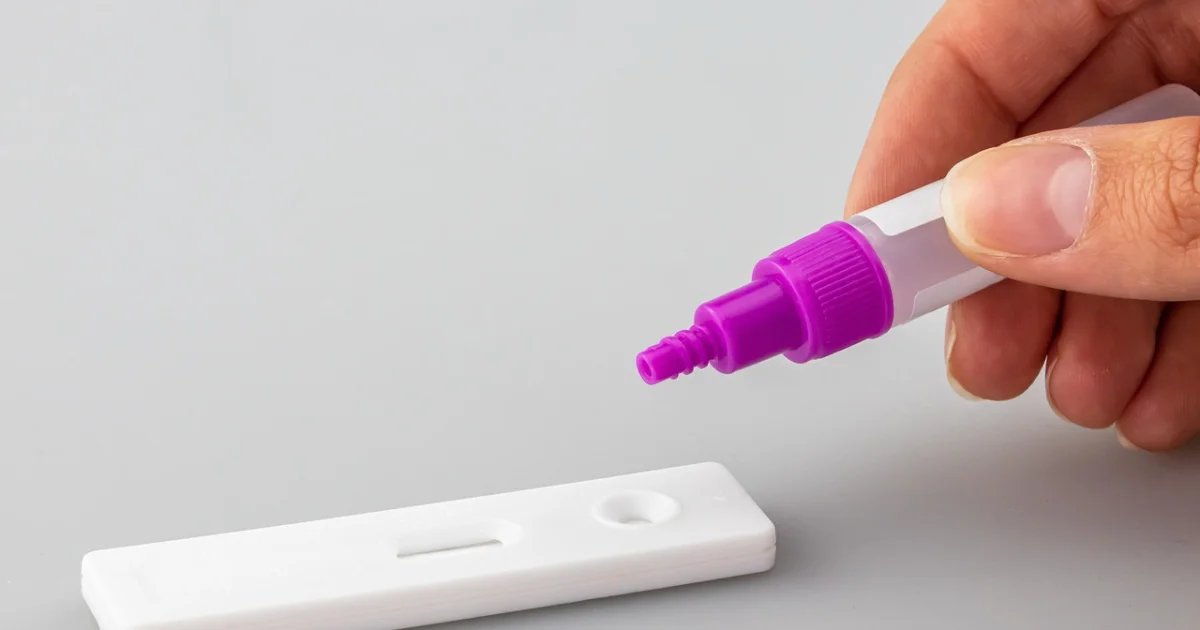
The frustration surrounding hormone imbalances is a widespread experience for women. Millions enter perimenopause and menopause each year, facing a bewildering array of symptoms – from sleepless nights and mood swings to hot flashes and debilitating fatigue. Yet, traditional medical approaches often fall short, relying heavily on subjective symptom assessment and limited blood tests that can be unreliable due to the natural fluctuations of hormones throughout the menstrual cycle. This is where the DUTCH test comes in – offering a potentially more insightful, albeit unconventional, approach to understanding your hormonal landscape.
What is the DUTCH Test and Why is it Different?
The acronym DUTCH stands for Dried Urine Test for Hormones. Unlike traditional blood hormone tests, which capture a snapshot in time, the DUTCH test analyzes metabolites – the breakdown products of hormones – present in dried urine. This method is crucial because hormone levels fluctuate dramatically throughout the menstrual cycle and during perimenopause, making blood tests notoriously unreliable. A single blood draw might reflect a specific point in your cycle, offering a misleading picture of your overall hormonal health.
Dr. Natasha Spencer, an OB-GYN at Orlando Health Physician Associates, explains, “Once you’ve gone 12 months without a menstrual cycle, that’s when you become menopausal. But prior to that, you’re considered perimenopausal just based on your symptoms alone: hot flashes, night sweats, insomnia, irritability, those types of things.” The key difference is that perimenopause and menopause are clinical diagnoses based on symptoms, not on the results of a single hormone test.
The 12-month definition of menopause is a critical point. It’s not just about feeling bad; it’s a confirmed biological event. However, the years leading up to that point – perimenopause – are where the real challenge lies for many women. During this transitional phase, hormone levels are in a state of constant flux, making it difficult to pinpoint the root cause of symptoms.
“I can check your lab work one week, and it looks like you’re menopausal. And then I can check it a week later, and all of your parameters are completely normal. That’s why most people only go on the clinical signs and they may not get labs on you,” says Dr. Candice Fraser, board-certified OB-GYN and Menopause Society-certified practitioner at the Carolyn Rowan Center for Women’s Health and Wellness at Mount Sinai. This highlights a significant limitation of traditional hormone testing – the inherent variability of hormone levels.
What Does a DUTCH Test Tell You?
The DUTCH test isn’t just a simple hormone level check; it’s a comprehensive analysis of 35 different hormone metabolites. This provides a much richer picture of your hormonal status than a standard blood test, which typically only measures estrogen and progesterone. The test breaks down these metabolites into several categories, offering valuable insights:
- Estrogen (E1, E2, E3): These metabolites reveal the type of estrogen you’re producing – whether it’s primarily estradiol (E2), a beneficial form, or estrone (E1), which can be linked to hot flashes and other symptoms.
- Progesterone (P4): This metabolite indicates whether your body is producing sufficient progesterone, crucial for regulating the menstrual cycle and supporting mood.
- Allopregnanolone (ALL): This metabolite is linked to mood regulation and anxiety. Lower levels may contribute to anxiety and depression.
- Androstenedione (AND): This metabolite is a precursor to testosterone and can contribute to symptoms like acne and hirsutism (excess hair growth).
- Testosterone (T): While often associated with men, women also produce testosterone, and imbalances can cause similar symptoms.
- Cortisol (C1, C2): These metabolites reflect your body’s stress response and can reveal imbalances that contribute to fatigue, anxiety, and sleep problems.
The test also provides information about the estrogen phase of your cycle, indicating how much time you spend in each phase. This is incredibly valuable for understanding why you’re experiencing specific symptoms and tailoring your treatment accordingly. Furthermore, the test can reveal the presence of estrogen dominance, a condition where estrogen levels are elevated relative to progesterone, contributing to a range of symptoms.
How Does the DUTCH Test Work?
The process of taking a DUTCH test is remarkably straightforward. It involves collecting a urine sample at specific points in your menstrual cycle – typically days 1-5, 8-14, and 15-28. These samples are then dried and sent to a specialized lab for analysis. The entire process takes just a few minutes each day and requires no special preparation.
“It’s a really simple process,” Dr. Fraser notes. “You just collect the urine samples and send them in. It’s a much more convenient and less invasive option than a traditional blood test.” The test results are typically available within 7-10 days, providing you with a detailed report of your hormone metabolites and their corresponding phases.
The DUTCH Test vs. Traditional Hormone Testing: A Comparative Look
| Feature | Traditional Blood Test | DUTCH Test |
|———————|————————-|———————–|
| Sample Type | Blood | Dried Urine |
| Hormone Measures | Limited (Estrogen, Progesterone) | 35 Metabolites |
| Cycle Awareness | Low | High |
| Reliability | Variable | More Reliable |
| Cost | Generally Lower | Generally Higher |
| Convenience | More Invasive | Less Invasive |
While traditional blood tests offer a quick and relatively inexpensive way to assess hormone levels, they often fail to capture the full complexity of hormonal fluctuations. The DUTCH test, on the other hand, provides a far more detailed and nuanced assessment, taking into account the entire menstrual cycle and identifying specific hormone metabolites. The cost of the DUTCH test is typically between $250 and $400, depending on the lab and whether it includes a consultation with a healthcare provider.
When is the DUTCH Test a Good Choice?
The DUTCH test can be particularly beneficial for women experiencing a wide range of symptoms, including:
You may also enjoy reading: 11 Reasons Why Everything is Skyrocketing in Price and What to Do About It.
- Irregular periods
- Sleep disturbances
- Mood swings and anxiety
- Hot flashes and night sweats
- Difficulty concentrating
- Low libido
- Fatigue
It’s also a valuable tool for women who have been diagnosed with perimenopause or menopause but are not responding well to conventional treatments. The DUTCH test can help identify underlying imbalances that may be contributing to their symptoms, allowing for a more targeted and personalized approach to care. Furthermore, the test can be used to monitor the effectiveness of treatments and make adjustments as needed.
Important Considerations and Caveats
While the DUTCH test offers a valuable tool for understanding your hormonal health, it’s important to approach the results with a critical eye. Hormone levels fluctuate naturally throughout the menstrual cycle and can be influenced by a variety of factors, including stress, diet, and lifestyle. It’s crucial to interpret the results in the context of your overall health and symptoms.
Consult with a Healthcare Provider: It’s essential to discuss the results of the DUTCH test with a qualified healthcare provider, such as an endocrinologist or a functional medicine practitioner, who can help you interpret the findings and develop a personalized treatment plan. They can also rule out other potential underlying causes of your symptoms.
Not a Diagnostic Tool: The DUTCH test is not a diagnostic tool in itself. It’s a screening test that can provide valuable information about your hormonal status, but it doesn’t provide a definitive diagnosis.
Lifestyle Factors Matter: Remember that hormones are just one piece of the puzzle. Lifestyle factors, such as diet, exercise, sleep, and stress management, play a significant role in hormonal health. Addressing these factors can often have a profound impact on your symptoms.
Beyond the Test: Supporting Your Hormones Naturally
Once you’ve gained a deeper understanding of your hormonal profile through the DUTCH test, there are several steps you can take to support your hormone health naturally. Here are a few key strategies:
- Prioritize Sleep: Aim for 7-9 hours of quality sleep per night. Sleep deprivation can disrupt hormone balance and worsen symptoms of perimenopause and menopause.
- Manage Stress: Chronic stress can elevate cortisol levels, leading to hormonal imbalances. Practice stress-reducing techniques such as yoga, meditation, or deep breathing exercises.
- Eat a Nutrient-Rich Diet: Focus on whole, unprocessed foods, including plenty of fruits, vegetables, and healthy fats. Include foods that support hormone production, such as flaxseed, pumpkin seeds, and leafy greens.
- Consider Adaptogens: Adaptogens are herbs that can help your body adapt to stress and support hormone balance. Ashwagandha, rhodiola, and maca are popular adaptogens.
- Regular Exercise: Regular physical activity can help regulate hormone levels and improve mood.
The Future of Hormone Testing
The field of hormone testing is constantly evolving, and new technologies are emerging that offer even greater insights into hormonal health. Liquid biopsies, which analyze circulating hormones in the blood, are showing promise as a more convenient and reliable alternative to traditional blood tests. However, the DUTCH test remains a valuable tool for many women, offering a comprehensive assessment of hormonal metabolites and providing a deeper understanding of their individual hormonal landscape. As research continues, we can expect to see even more sophisticated and personalized approaches to hormone testing and treatment in the years to come.
Ultimately, understanding your hormones is a journey – not a destination. By combining the insights gained from testing with a holistic approach to health and wellness, you can take control of your hormonal health and thrive throughout your life.