What if your shower had no curb? It might be more complicated than you think. The idea of stepping directly into a shower without a raised barrier sounds luxurious and simple. Yet the reality involves careful planning, precise construction, and a clear understanding of both the rewards and the risks. For homeowners considering a bathroom remodel, this design choice represents a significant shift in how a space functions.

What exactly is a curbless shower?
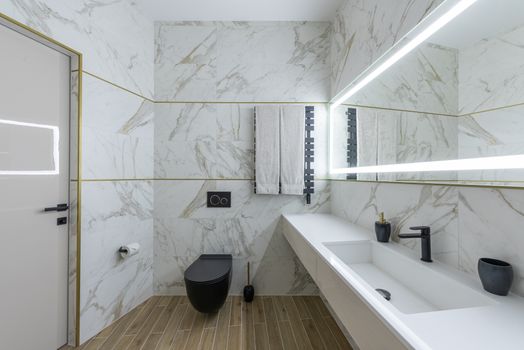
A curbless shower, also known as a zero entry shower, has no threshold. It sits level with the bathroom floor, creating a smooth, uninterrupted transition from dry flooring into the wet area. This design eliminates the traditional raised lip or barrier that defines most standard showers.

Amazon US Verified
Hang-O-Matic All-in-One Picture Hanging Tool
Tape measure, sliding level, and markers in one tool for flawless gallery walls.
Architect and interior designer Leslie Saul describes this style as one where the shower flows seamlessly from the bathroom into the shower, with no curb. The absence of a barrier makes it fundamentally different from a step-in shower pan or a tub-shower combo. The floor continues right through, so your feet never encounter a ledge or bump.
This seamless connection is what gives curbless showers their clean, minimalist appearance. It also introduces the primary engineering challenge: water must be directed to a drain without the help of a physical dam.

Amazon US Verified
Ceramic Fluted Decorative Vase Set
Modern minimalist ceramic vases perfect for shelves, consoles, and dried florals.
Why are curbless showers becoming so popular?
Accessibility for all ages
The most compelling reason homeowners explore curbless shower pros cons is accessibility. With no lip or raised floor, entry and exit become effortless for everyone. This feature is especially beneficial for wheelchair users, older adults with limited mobility, and young children who might trip on a curb.
Many families choose this design when planning for multi-generational living. A zero entry shower accommodates changing needs over time. You can add grab bars and a handheld showerhead for extra support without compromising the clean look. The design removes a physical obstacle that can become dangerous as balance and strength decline with age.
Easy cleaning and maintenance
Fewer corners and crevices mean less grime buildup. Traditional shower curbs collect soap scum, mildew, and dirt in the joints and corners where the curb meets the floor. A curbless shower reduces these problem areas significantly.
Ceramic floor tiles, commonly used in these installations, resist bacteria and mildew naturally. You can simply wipe the entire bathroom floor as one continuous surface. This simplicity appeals to busy households that want a beautiful bathroom without hours of scrubbing.
Modern aesthetic that opens up a room
The open design of a curbless shower can make a small bathroom appear much larger. Without a visual barrier dividing the space, the eye travels freely across the room. Glass partitions, if used at all, maintain this sense of openness.
Homeowners often pair this style with spa-like amenities such as heated floors, built-in benches, or smart showerheads. The result is a bathroom that feels both luxurious and spacious. This contemporary look ranks high on many renovation wish lists.
What are the main drawbacks of a curbless shower?
Despite these benefits, several disadvantages deserve careful consideration. Understanding the full picture of curbless shower pros cons means looking honestly at the downsides.
Little privacy
A curbless shower, especially one without a door or curtain, offers minimal privacy. The open layout means anyone in the bathroom can see directly into the shower area. Frosted glass or a curtain can help, but these additions interrupt the seamless aesthetic that makes curbless showers appealing in the first place.
This lack of privacy matters most in shared bathrooms or homes with multiple family members. If you value visual separation while showering, you may need to compromise on the design’s clean lines.
Colder showers due to heat escape
The open design allows warm air to escape more easily than a enclosed shower stall. Without walls and a door to trap steam and heat, the shower area can feel noticeably colder. This is especially true during winter months or in homes with drafty bathrooms.
Heated floors can offset this issue to some degree. They warm the tile surface underfoot and help raise the ambient temperature. However, heated floors add to the overall project cost and do not completely solve the problem of heat loss upward and outward.
Risk of water splashing onto the floor
Water can easily splash beyond the shower zone in a doorless, curbless design. Without a curb to contain it, water flows freely across the bathroom floor if the slope or drainage is inadequate. This creates wet floors that pose slipping hazards and can damage flooring materials.
Proper design and installation are critical here. A well-placed linear drain and accurate floor slope can mitigate most splashing issues. But if the installation is done poorly, you will face constant frustration with puddles beyond the shower area.
Can I install a curbless shower in any bathroom?
This is one of the most important curbless shower pros cons to evaluate. Not every bathroom can accommodate this design. According to designer Joe Human, founder and principal designer of Designs by Human, curbless showers are typically best suited for single-family homes that contain a crawl space.
You may also enjoy reading: 5 DIY Ways to Reuse an Old Glass Jar for Home Decor.
The reason involves plumbing. The drain must sit lower than the finished floor level. This requires enough space underneath to accommodate the P-trap and drain pipes. In homes built on concrete slabs, lowering the drain is extremely difficult and expensive. In homes with crawl spaces, the necessary clearance already exists.
A shallow slope of 1/8 to 1/4 inch per foot must direct water toward the drain. Achieving this slope in an existing bathroom often means raising the entire bathroom floor, which adds significant cost and complexity. Retrofitting a curbless shower into a home not designed for one can become a major structural project.
How does a curbless shower differ from a walk-in shower?
People sometimes use these terms interchangeably, but they are not the same. A walk-in shower may have a curb. It can include a raised barrier that separates the shower from the rest of the bathroom. The key difference is the presence or absence of that barrier.
A curbless shower has no barrier at all. It is fully accessible from floor level. A walk-in shower with a curb still requires stepping over a raised edge. This distinction matters for accessibility. Someone using a wheelchair or walker cannot enter a shower with a curb, but they can roll directly into a curbless shower.
Walk-in showers with curbs can still feel open and modern. They offer some containment for water without a door. However, they do not provide the same level of accessibility or the truly seamless look that curbless designs deliver.
What about drainage in a curbless shower?
Drainage is the engineering heart of any curbless shower. Without a curb to hold water back, the floor must direct every drop to the drain through precise slope alone. This demands careful planning during construction.
Most curbless showers use a linear drain, which is a long, narrow drain installed along one wall or across the shower floor. This type of drain allows for a single, consistent slope rather than the bowl-like slope required by a center drain. The slope ranges from 1/8 to 1/4 inch per foot, just enough to move water without creating an uncomfortable tilt underfoot.
Amazon US Verified
Peel and Stick Textured Linen Wallpaper
Removable neutral wall covering providing architectural warmth and tactile depth.
An incorrect slope can cause serious problems. Water may pool in low spots, leading to mold growth, tile damage, and even structural damage to the floors below. The risk of water damage is higher in curbless showers because there is no curb to act as a backup barrier. Proper installation by an experienced professional is non-negotiable.
Frequently Asked Questions
How much does it cost to install a curbless shower compared to a traditional shower?
The cost for a curbless shower is generally higher than a standard shower with a curb. You pay for the precision work required to create the correct floor slope, the linear drain system, and potential structural modifications to lower the drain. Retrofitting an existing bathroom on a concrete slab can add thousands of dollars. A traditional shower with a prefabricated pan is usually more budget-friendly.
Is a curbless shower safe for elderly individuals living alone?
Yes, a curbless shower can be very safe for elderly individuals when designed correctly. The zero entry eliminates tripping hazards. You can install grab bars, a handheld showerhead, and a built-in bench for added security. Non-slip tile flooring is essential. The main safety concern is water escaping onto the main bathroom floor, so proper drainage and a well-placed shower curtain or glass panel help prevent slips outside the shower area.
Can I convert my existing bathtub into a curbless shower?
Converting a bathtub into a curbless shower is possible but often complicated. The existing drain location for a tub may not work well for a linear drain. You will likely need to adjust the floor slope and possibly raise the entire bathroom floor level. Homes with crawl spaces offer more flexibility for this conversion. In slab-foundation homes, the project may require breaking concrete to relocate plumbing, significantly increasing cost and labor.
As an Amazon Associate, azuloz.com earns from qualifying purchases.