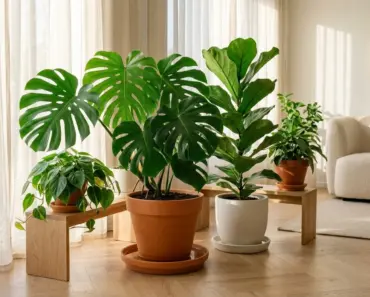
May is the make-or-break month for your monstera’s spectacular leaves. After months of low winter light and dry indoor air, your Swiss cheese plant is ready to burst into action. The care you provide right now determines whether you get those iconic, hole-filled leaves or a disappointing stretch of small, solid foliage.
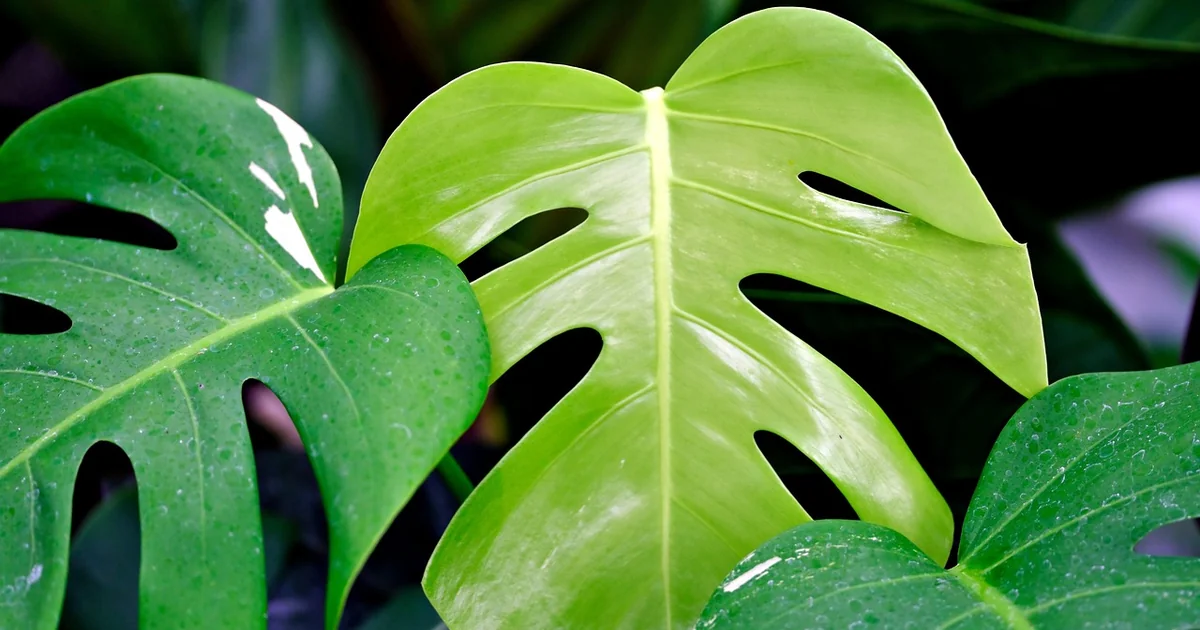
Boost Light Exposure for Bigger Leaves and More Holes
Your monstera spent the winter surviving on whatever weak light it could find. Now it needs a gradual reintroduction to brighter conditions. The Swiss cheese plant is a tropical vine native to Central America, where it grows under the dappled canopy of taller trees. It craves bright, indirect light — not direct sun that scorches its leaves.
How can you boost your monstera’s leaf holes and size in May? Start by moving the plant closer to an east-facing window. Morning light is gentle and won’t burn the foliage. If you only have a south-facing window, place a sheer curtain between the glass and the plant. Even a simple curtain panel filters enough intensity to create the perfect environment.
Ease your monstera into brighter conditions over a week or two. Move it to a sunnier spot for one hour on the first day, then two hours the next, gradually increasing exposure. This prevents shock and leaf burn. Signs that your plant needs more light include small leaves, leggy stems reaching toward the window, and minimal fenestration — those characteristic holes and splits that make monstera so striking.
Gradually increase filtered light exposure and ensure it gets indirect sunlight for stronger stems and more fenestration. Your plant will reward you with larger leaves and deeper green color within a few weeks.
Adjust Your Watering Routine for Active Growth
Warmer temperatures and longer days mean your monstera is drinking more water. But this does not mean you should drown it. Overwatering is the most common mistake people make with Swiss cheese plants, and it can lead to yellowing leaves and root rot.
Amazon US Verified
Digital 3-in-1 Soil Moisture & pH Meter
Accurate probe to test deep root zone moisture and prevent accidental overwatering.
What’s the right watering balance for a monstera in spring? Instead of following a rigid schedule, check the soil every few days. Stick your finger about an inch or two into the potting mix. If it feels dry at that depth, it is time to water. If it still feels moist, wait another day or two.
When you do water, pour slowly until it runs out of the drainage holes. Empty the saucer afterward so the roots are not sitting in standing water. Yellowing leaves often signal overwatering. If you suspect trouble, gently slide the plant out of its pot and inspect the roots. Healthy roots are firm and white or tan. Soggy, brown, or mushy roots mean you need to cut back on watering and improve drainage.
Amazon US Verified
Self-Watering Planters with Drainage Aerators
Elevated reservoir design that prevents soggy roots and ensures steady hydration.
Check soil moisture every few days and water only when the top inch or two is dry to avoid overwatering. This simple habit prevents the most common cause of monstera decline.
Prune and Clean for Better Airflow and Fresh Growth
Winter takes a toll on houseplants. Dust settles on broad leaves, and old foliage yellows and dies back. May is the perfect time to give your monstera a thorough tidy-up.
Why should you prune your monstera in May? Removing damaged winter growth improves airflow and encourages fresh, healthy new leaves. Look for yellowing leaves, broken stems, weak and thin growth, and any dead foliage near the soil line. Use clean, sharp scissors or pruning shears to snip these off at the base.
Do not be shy about cutting away leaves that look tired. Your plant will redirect energy into producing new, vigorous growth. Pruning also opens up the center of the plant, allowing light to reach lower leaves and improving air circulation that helps prevent fungal issues.
Another important task is cleaning the leaves. Recirculated winter air deposits a surprising amount of dust on those big, beautiful leaves. Wipe each leaf gently with a damp, soft cloth. This clears the dust so the leaf can absorb light for photosynthesis more effectively. Clean leaves mean more energy for your plant to produce those dramatic new leaves you are hoping for.
Removing damaged winter growth improves airflow and encourages fresh, healthy new leaves. Your monstera will look neater and grow stronger as a result.
Repot If Your Monstera Has Outgrown Its Container
Spring is the ideal time to repot because your plant is entering its active growth phase and will recover quickly from the transition. But not every monstera needs a new pot every year. You need to check for signs of being rootbound.
How do you know if your monstera needs a bigger pot? Look for roots poking out of the drainage holes. Water that runs straight through the pot without soaking into the soil is another clue — it means roots have filled the container and there is little soil left to hold moisture. Stunted or minimal growth during the growing season also suggests the plant is cramped.
You may also enjoy reading: 5 Rubber Tree Care Tips for Indoor Ficus Elastica.
If you see these signs, choose a new pot that is only one size larger. It should be about one to two inches wider at the top than the current container. A pot that is too large holds excess moisture and can lead to root rot. Use fresh, well-draining potting mix. Standard indoor potting soil works well, or you can mix in some perlite or orchid bark for extra drainage.
Amazon US Verified
Organic Perlite Horticultural Soil Conditioner
Lightweight volcanic mineral that improves root aeration and prevents compaction.
When repotting, gently loosen the root ball and remove any dead or circling roots. Place the plant at the same depth it was growing before. Water it thoroughly after repotting and keep it in a stable spot with indirect light for a week or two while it adjusts.
Look for roots poking out of drainage holes, very fast water drainage, or stunted growth; then repot to one size bigger with fresh soil. Your monstera will thank you with a burst of new growth.
Feed Your Monstera for Sustained Summer Growth
Active growth requires fuel. Your monstera has been resting through the cooler months with minimal feeding. May is the time to restart a regular fertilization routine that supports those big, fenestrated leaves you want.
For feeding, use a balanced liquid houseplant fertilizer every two to four weeks, diluted by half. A balanced formula — one with roughly equal parts nitrogen, phosphorus, and potassium — supports overall plant health. Nitrogen encourages leafy growth, phosphorus supports root development, and potassium strengthens stems and helps the plant resist stress.
Diluting the fertilizer to half strength is important. Full-strength fertilizer can burn the roots of a houseplant, especially one that has been resting through winter. Apply the diluted fertilizer when you water, following the same schedule of checking soil moisture first. Never fertilize dry soil, as this can also damage roots. Water lightly first, then apply the fertilizer solution.
Stop fertilizing in late autumn when growth naturally slows. Your monstera needs a rest period during the shorter, darker days of winter. Resuming feeding in May, when daylight increases and temperatures rise, aligns with the plant’s natural growth cycle.
Consistent feeding through spring and summer gives your monstera the nutrients it needs to produce larger leaves with more holes and splits. Combined with proper light, water, and pruning, this final tip completes your monstera may care tips for a thriving plant.
Frequently Asked Questions
How often should I water my monstera in May compared to winter?
In May, your monstera enters active growth and uses more water than it did during winter. Check the soil every three to four days instead of every week or two. Water only when the top inch or two of soil feels dry. In winter, you might have gone two weeks between waterings; in May, that interval may shrink to five to seven days depending on your home’s temperature and humidity.
Can I put my monstera outside in May for better growth?
You can move your monstera outdoors in May if nighttime temperatures stay above 60 degrees Fahrenheit. Choose a spot with bright, indirect light — under a porch or beside a shaded wall works well. Direct afternoon sun will scorch the leaves. Bring the plant back indoors before temperatures drop in autumn. Outdoor summer conditions often boost growth, but the transition must be gradual to avoid shock.
Why are my monstera’s new leaves coming in without holes?
New leaves without holes, or fenestrations, usually indicate insufficient light. Monstera plants develop their characteristic splits and holes as a response to bright, filtered light in their native jungle habitat. If your plant receives too little light, new leaves will remain small and solid. Move your monstera closer to a bright window with indirect light, and you should see fenestrations return on the next few leaves as the plant gains more energy.
As an Amazon Associate, azuloz.com earns from qualifying purchases.