Interior design is always evolving, and some looks that once felt fresh can quickly begin to feel tired. If you have been wondering whether your living room could use a refresh, you are not alone. Top designers are increasingly moving away from several dominant trends of the past decade, pointing to a shift toward warmer, more personal spaces. The five styles being left behind include the all-beige aesthetic, cool gray industrial schemes, bouclé furniture, rigid gallery wall grids, and perfectly matched wood finishes. The good news is that practical, budget-friendly home decor updates can modernize your room without requiring a full renovation. With a little designer advice, you can learn to spot the difference between trendy vs timeless and make choices that feel welcoming for years to come.
1. The All-Beige Restoration Hardware Aesthetic
If your living room looks like a catalog from a decade ago, it might be time for a color refresh. The all-beige look is among the most prominent outdated living room trends that designers are ready to retire. While a neutral living room can feel calm, an entire space done in sandy tones from floor to ceiling often comes across as monotonous and uninspired. Some interior designers want to retire the all-beige Restoration Hardware aesthetic because it lacks personality and warmth. The good news? You don’t have to toss your favorite sofa. Designer Ashley Ferguson recommends keeping beige furniture but adding colorful accents like pillows and art. This simple approach gives your room new life without a full redesign.
What Colors Replace the All-Beige Look? Warm earth tones, muted greens, and soft blues are excellent choices for a beige furniture update. A terracotta throw, a sage green rug, or a navy blue accent chair can instantly break up the monotony. These shades work beautifully with beige as a base, creating a layered, inviting space.
How to Update Without a Full Redesign Start small: swap out throw pillows, add a vibrant piece of wall art, or introduce a patterned ottoman. Even changing your lamp shades to a warm color can shift the mood. The goal is to keep the bones of your neutral living room while injecting life through colorful accents. This budget-friendly strategy makes your home feel current and personal.
2. Cool Gray Industrial Design
That sleek gray loft look may feel more cold than cool to today’s homeowners. The cool gray industrial design style, with its polished concrete and steel accents, is now considered an outdated living room trend by many designers. Designer Alexis Pew notes that this look can feel unwelcoming, which is the opposite of what you want in a cozy living room. The style was popular since the early 2010s, but it is now declining as people crave warmer, more inviting spaces. If you love the industrial aesthetic, you do not need to redecorate completely. The key is to soften the cool tones.
To warm up a gray room without redecorating, start by swapping out your paint. A greige paint — a blend of gray and beige — instantly adds warmth while keeping a neutral base. You can also layer in cozy accessories like textured throws and plush pillows in cream, rust, or soft green. This shift toward warm industrial design proves that you can keep your exposed brick and metal shelving while making the space feel inviting. Another emerging option is to explore gray decor alternatives, such as taupe or warm white, for a fresh update. Simple changes like adding a wool rug or wooden coffee table can transform a cold room into a welcoming retreat without a full renovation.
3. Rounded Bouclé Chairs and Sofas
Those cloud-like bouclé pieces might look inviting, but designers warn they’re a practical nightmare. The chunky, looped fabric is notoriously uncomfortable for long lounging sessions, and it stains easily, making it a poor choice for family homes. Janelle Patton advises always doing a sit test before buying and considering darker fabric options. If you are looking to avoid these outdated living room trends, swap bouclé for a fabric that actually works with your lifestyle.
Best Alternatives to Bouclé Fabrics
For comfortable seating that stays beautiful, look for performance velvet, linen, or textured cotton. These bouclé alternatives offer the same soft, tactile appeal but with far better durability. Performance velvet, in particular, is a top choice for durable sofa fabric because it resists spills and wears well over time. Linen provides a relaxed, airy look, while textured cotton gives you visual interest without the upkeep headaches. When shopping, always check the fabric’s cleaning code—look for “W” for water-based cleaner safe or “WS” for solvent and water safe. This simple step ensures you choose easy clean upholstery that can handle everyday life, from snack spills to pet hair. By picking a smarter fabric, you can enjoy a stylish, welcoming sofa that stays looking fresh for years.
4. Perfectly Arranged Gallery Wall Grids
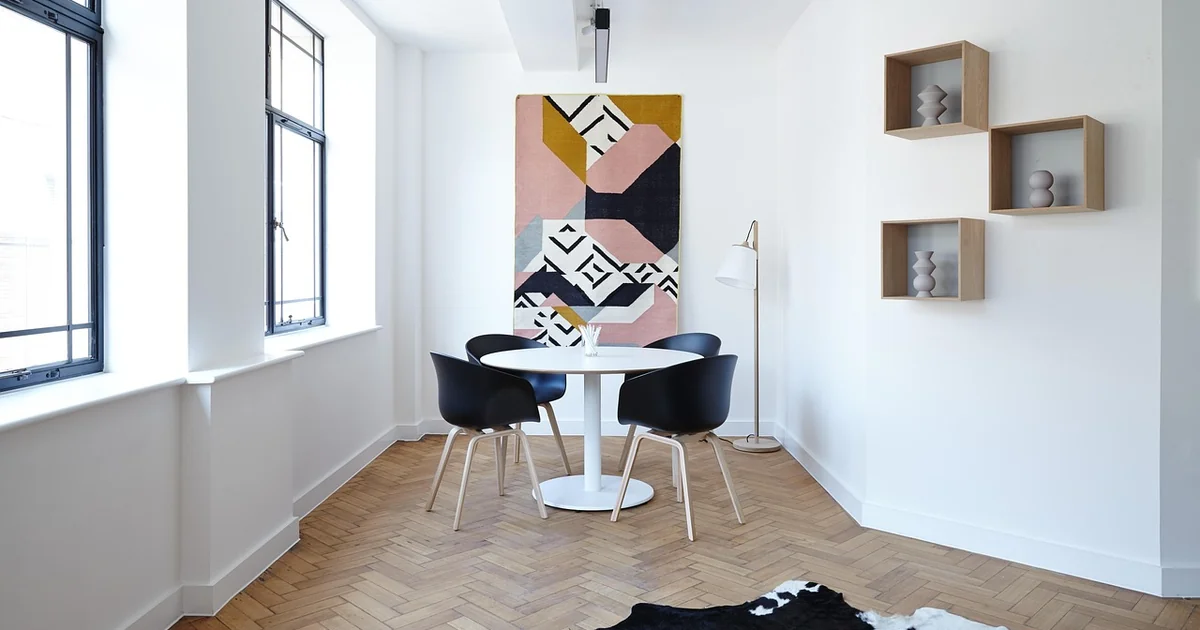
That symmetrical grid of frames may feel more sterile than stylish to modern eyes. Once a go-to for living room wall decor, the perfectly spaced grid is now considered one of the most outdated living room trends among designers. Patton points out that gallery wall grids come across as sterile and checklist-like, lacking the warmth and personality a living room deserves. Instead of ticking boxes with uniform frames, many experts now recommend a single statement art piece that anchors the room, or an asymmetrical gallery wall that feels collected over time. An eclectic wall art arrangement, mixing different frame styles, sizes, and subjects, brings far more character to your space.
When Gallery Grids Still Work. There are exceptions to this rule. A tidy grid can look purposeful in a hallway or entryway, where symmetry often suits the transitional nature of the space. But in a living room, where comfort and relaxation take priority, a rigid layout can feel stiff.
Mehr zum Thema lesen Sie in Calming Tile Colors Replacing the All-White Look.
What to Do Instead of a Grid. For a more welcoming look, try leaning a large canvas against the wall or clustering a few mismatched pieces on a shelf. These art arrangement tips help you create a relaxed, lived-in feel that is far more inviting than a perfectly measured grid. By breaking free from the grid, your living room wall decor will feel personal and effortless.
5. Matching Wood Furniture Finishes
Forcing every wood piece in your living room to match can make the space feel flat and uninspired. When all your furniture shares the exact same stain or grain, the room loses depth and visual interest. Designer Burcu Ercetin recommends mixing wood tones instead of using matching furniture finishes. This approach creates a richer, more dynamic look that feels collected over time rather than bought as a set.
Successful mixing pairs contrasting woods, such as light oak with dark walnut or ash with rich mahogany. This trend of matching everything has been fading since the late 2010s as eclectic styles gained popularity. To mix without looking mismatched, choose one dominant wood tone and add one or two accent pieces in a different shade. Anchor the look with layered textures like a wool rug or linen curtains. This practical method lets you blend mixed wood tones effortlessly while keeping your living room warm and welcoming. Remember, the goal is harmony, not uniformity.
Frequently Asked Questions
How can I make a cool gray industrial living room feel warmer and more welcoming?
Start by layering in natural textures like wool throws, linen curtains, and woven baskets. Swap out any cold metal lamps for warm-toned wood or ceramic alternatives, and add soft, ambient lighting from floor or table lamps. A few rich accent colors—such as rust, olive, or mustard—introduced through pillows and art can also visibly shift the room’s mood.
Is it really okay to put a TV above the fireplace now, or are there still downsides?
While many living rooms use this setup, there are clear drawbacks: the viewing angle is often too high for comfortable neck posture, and the heat from the fireplace can sometimes damage electronics over time. If you love the look, consider a tilting mount and ensure the fireplace has a heat deflector, but a separate media unit beside the hearth is a more ergonomic and equally stylish alternative.
Should I really mix my wood furniture finishes, or will that look mismatched?
Mixing wood tones is a smart way to avoid the outdated living room trend of matchy-matchy sets. The key is to vary the pieces by at least two shades in tone and to repeat at least one wood finish twice in the room for visual unity. Adding a runner or a large rug that ties the surrounding furniture together also helps the blend feel intentional.