Imagine walking into a bathroom that feels less like a clinical white box and more like a peaceful spa retreat. A quiet sense of balance washes over you the moment you step inside. This is the new direction homeowners are taking, moving away from the crisp, all-white tile look that has dominated homes for years. In its place, nature-inspired neutrals and gentle earth tones are creating spaces that invite genuine calm and warmth.

Why are homeowners moving away from all-white tile?
For the better part of two decades, bright white on white, often paired with a hint of silvery cool gray, was the go-to recipe for a clean aesthetic. It felt fresh and modern compared to the heavier styles of the late 1990s. But as the saying goes, too much of a good thing can start to feel hollow. White shades became so common that they shifted from peaceful to sterile. Homeowners began craving spaces with more personality, depth, and a genuine sense of comfort rather than stark efficiency.
The search for warmth has naturally led everyone toward richer, more nuanced palettes. These new choices still feel clean and fresh, but they add a layer of sophistication and interest that stark white just cannot provide. It is about turning a room into a sanctuary instead of a showroom. The desire for a softer, more supportive backdrop is the primary force driving this major shift in tile selection across kitchens and bathrooms.
So what exactly is going into those shower niches and kitchen backsplashes instead of bright white rectangles? The current palette reads like a love letter to the natural world. Homeowners are selecting tiles in creamy off-whites, warm oatmeal, soft bone, and balanced greige, that perfect gray-beige hybrid that feels just right. These aren’t the stark whites of yesterday. They are soft, welcoming, and carry a hint of something grounding, like warm sand or sun-baked clay.
Clay tones are also making a strong appearance, offering a peaceful backdrop that feels both modern and timeless. These specific calming tile colors work beautifully because they retain the light, airy feeling homeowners love but replace the coldness with natural warmth. They act as a perfect canvas for natural wood accents, greenery, and textured linens, allowing for a layered, collected-over-time look that is highly sought after in modern design.
Are we returning to the tan tiles of the 90s?
A fair question arises when warmer tones enter the conversation: are we just repeating history? It is a relief to confirm that the answer is a firm no. We are not dusting off those oversaturated, golden-yellow tans and muddy browns that defined a previous era. That style would feel just as dated as the all-white trend does now. Instead, the new wave of earthy tiles stays firmly in the realm of soft sophistication.
Think of a warm, sandy beach rather than heavy terra cotta. Think of a creamy latte rather than dark mud. This is a refined, modern take on warmth that keeps spaces feeling open and current. These tiles strike a happy medium, offering softness and comfort without the heavy, dark feeling that turned people away from earth tones in the first place. They are grounded but light, warm but undeniably fresh.
Why do earth-tone tiles create a calming effect?
There is a psychological component to why these new colors feel so relaxing. Our brains are wired to respond positively to the natural world. By bringing outdoor-inspired neutrals and dynamic earth tones into our homes, we create a subtle but powerful indoor-outdoor connection. This harmony reduces the visual noise that can come from overly stark or overly busy patterns. The low to medium saturation of these colors means they do not overstimulate the senses.
A bathroom clad in gentle sage or a kitchen backsplash in warm clay provides a visual anchor. It grounds the room and allows the mind to rest, which is exactly what you want in a personal sanctuary. This grounding effect is why earthy tones are frequently used in spas and wellness retreats. By choosing these colors, we invite that same sense of respite into our daily lives, dialing down the stimulation of the outside world.
What role do handmade tiles play in this trend?
Plain flat surfaces are giving way to texture and subtle movement. This is where handmade tiles, particularly the beloved zellige style, come into play. These tiles are prized for their natural imperfections. No two pieces are exactly alike. This variation in tone and texture adds a layer of depth and complexity that machine-made tiles often lack. The slight undulations and color shifts catch the light in different ways, creating a living surface that feels crafted and deliberate.
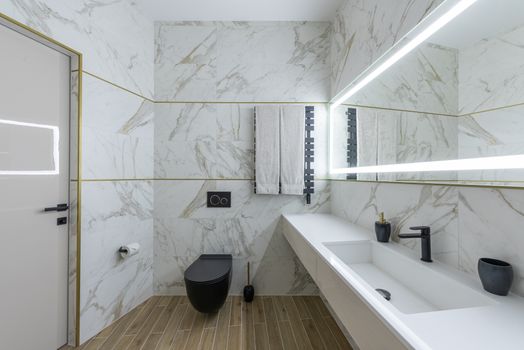
Amazon US Verified
Peel and Stick Textured Linen Wallpaper
Removable neutral wall covering providing architectural warmth and tactile depth.
You may also enjoy reading: Queen Elizabeth’s Hushed Private Living Quarters and Hard Times.
The color in a handmade tile is not flat. It pools in the corners and thins out on the edges, creating a beautiful, luminous effect. Despite the added visual interest, these tiles maintain a natural, tranquil feel because the variations exist within a single, nature-inspired color family. They bring a handcrafted warmth and artisanal quality to the space while staying true to the overall goal of creating a peaceful, soothing environment.
Which specific nature-inspired colors are most popular for tiles?
While soft neutrals are incredibly popular, the trend certainly does not stop there. Homeowners are embracing a full spectrum of colors that have strong roots in the outdoors. Green is perhaps the most prominent winner in this shift. From soft, grayed-out sage to deep, moody forest tones, green tiles are considered both grounding and stunning. They bring life and vitality to a room without being loud or demanding attention.
Joining green are dusty soft blush pinks, which mimic the colors of desert rocks and canyon walls. Desaturated mustard yellows offer a gentle pop of sunshine, while deep chocolate and coffee browns provide a cozy, luxurious backdrop. Sky to midnight blues remain a favorite for their inherent tranquility. Even terracotta is back, but in more muted, sophisticated expressions. The common thread is that each color is a less saturated version of itself, which is the secret to their calming effect.
Frequently Asked Questions
How do I test whether a tile color will truly feel calming in my space?
The most reliable method is to order large format samples, at least 12×12 inches, and view them in the actual room. Place them vertically against the wall and observe how they look at different times of the day, from bright morning sun to evening lamplight. Pay close attention to how the color makes you feel in that specific environment. A color that feels calming in the showroom might feel cold or drab in your unique lighting.
What if my existing fixtures are white — will warm tile still work?
Absolutely. Warm neutral tiles actually complement white fixtures beautifully by softening the contrast and adding a layer of richness. A creamy or greige tile can make white cabinets or a white bathtub stand out as a crisp focal point. The key is to ensure the undertones of the tile harmonize with the white. If your fixtures are a stark, pure white, a tile with a warm beige or clay undertone will create a lovely, balanced dynamic.
Why does the undertone of a neutral tile matter more than its main color?
The undertone is the subtle hue lurking beneath the surface of a neutral, and it determines how the tile interacts with light and other colors in the room. A tile that looks like a soft beige in the store might pull pink or yellow in your home, which can feel jarring. Understanding whether a tile has a warm or cool undertone is crucial for creating a cohesive, calming palette. A harmonious undertone ensures the entire room feels intentionally balanced rather than accidentally mismatched.
As an Amazon Associate, azuloz.com earns from qualifying purchases.