Transforming Your Space: 15 Small Décor Changes That Make a Big Difference
The allure of a complete home renovation can be exciting, but often daunting – and expensive! The truth is, creating a space you truly love doesn’t always require a massive overhaul. These aren’t about drastic shifts; they’re about subtle enhancements, thoughtful adjustments, and a keen eye for detail. Let’s explore fifteen simple yet powerful changes that will instantly elevate your rooms and make them feel more polished, functional, and uniquely yours.
1. Switch Out Your Throw Pillows
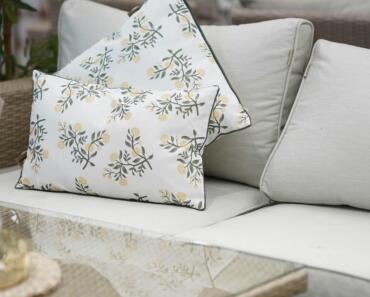
Let’s start with a surprisingly impactful update: your throw pillows. Seriously, this is one of the quickest, easiest, and most affordable ways to refresh a seating area. Think of it as a mini-makeover without the mess. Seasonal changes are a natural trigger for pillow swaps – a bright, sunny yellow in the summer and a rich, cozy burgundy in the fall. But it’s not just about the season; consider the overall aesthetic. Mixing different sizes – square, rectangular, round – adds visual interest and prevents a flat, predictable look. Experiment with textures too! Velvet, linen, chunky knits, and even faux fur can dramatically alter the feel of a room. The key is to choose pillows that either complement your existing color scheme or introduce a striking accent color, pulling inspiration from artwork, plants, or other decorative elements. For example, if you have a living room dominated by blues and greens, a pair of pillows in a vibrant coral or mustard yellow will create a beautiful contrast and instantly energize the space. A study of color psychology reveals that warm colors, like yellow and orange, tend to evoke feelings of joy and optimism, while cool colors, such as blues and greens, can promote relaxation and tranquility. By carefully selecting your throw pillows, you’re essentially curating the mood of your room.
2. Rearrange Your Furniture Layout
Furniture placement is often overlooked, yet it profoundly impacts a room’s function and feel. Simply shifting your furniture around can dramatically change how a room is used and perceived. Pulling furniture away from walls – creating a “floating” effect – instantly opens up the space and encourages conversation. This is particularly effective in living rooms, where a traditional sofa against a wall can feel isolating. Instead, arrange furniture to create a cozy conversation area, with seating facing each other. Consider traffic flow – make sure pathways are clear and easy to navigate. Don’t be afraid to experiment! Swapping furniture between rooms can also unlock unexpected solutions. A bedroom chair might look fantastic in the living room, or a side table could find a new home in the hallway. Before you start moving heavy pieces, take measurements to ensure everything fits comfortably and that you’re not blocking doorways or windows. Sometimes, a simple adjustment of just a few feet can completely transform a room’s dynamics. Interestingly, a study by the National Association of Home Builders found that optimizing furniture layout is one of the most frequently cited reasons homeowners undertake relatively minor renovations.
3. Add a Statement Mirror
Mirrors are more than just reflective surfaces; they’re interior design superheroes. They instantly create the illusion of space, reflecting light and making rooms appear larger. A strategically placed mirror opposite a window is a classic trick for maximizing natural light, bouncing it around the room and brightening dark corners. But a mirror’s impact goes beyond mere illumination. Choose a mirror with a frame style that complements your décor – an ornate gold frame adds vintage elegance, while a sleek, frameless mirror lends a contemporary vibe. Oversized floor mirrors make particularly dramatic statements in small spaces, creating a focal point and adding a touch of glamour. Think about the placement carefully. A mirror should reflect something beautiful – a piece of artwork, a vibrant plant, or a stunning view – rather than a cluttered corner. The placement of a mirror can also subtly alter the perceived proportions of a room; for example, placing a mirror above a fireplace can make the ceiling appear higher. Furthermore, the science behind it is fascinating – the human eye perceives reflections as an extension of the space, effectively doubling the visual area.
4. Paint an Accent Wall
An accent wall is a surprisingly versatile tool for adding personality and visual interest to a room. It’s a fantastic way to create a focal point without committing to a full-room color change. Bold colors, like teal, emerald green, or deep plum, can inject energy into a neutral space, while softer shades of gray or blue can create a calming atmosphere. If you’re hesitant about a bold color, consider painting just one wall behind your bed in the bedroom or behind the sofa in the living room. The best wall to choose is typically the one that naturally draws attention – often the wall behind the focal point of the room. Don’t underestimate the power of texture! A paint with a slight sheen or a specialty finish, such as matte or chalkboard, can add depth and dimension. And if you decide you don’t love the color after all, repainting an accent wall is significantly easier and less expensive than redoing an entire room. Interestingly, research by the Pantone Color Institute consistently shows that homeowners prioritize color when making decorating decisions, and accent walls provide a low-risk way to experiment with different shades.
5. Layer Area Rugs
Layering area rugs is a fantastic way to add warmth, texture, and color to a room, while also defining different zones within a larger space. Instead of simply placing a single rug under a coffee table, try layering a smaller, patterned rug atop a larger natural fiber rug – think jute or sisal. This creates a visually rich and inviting space. Even in carpeted rooms, area rugs can be strategically placed to create visual boundaries between areas like the dining and living room. Consider the scale of the rugs in relation to the furniture – a rug that’s too small will look lost, while a rug that’s too large can overwhelm the space. Experiment with different textures and patterns to create a layered look that’s both stylish and comfortable. The key is to create a sense of depth and dimension, rather than a flat, uniform surface. A surprising statistic: according to the Rugmark Foundation, over 80% of consumers believe that area rugs contribute significantly to the overall comfort and style of a room.
6. Update Your Lampshades
Don’t overlook the simple power of a new lampshade! Updating your lampshades is a surprisingly effective way to transform lamps and impact the overall light quality in a room. A plain white lampshade can instantly elevate a basic lamp, adding a touch of sophistication. Conversely, a colorful or patterned lampshade can inject personality and visual interest. Consider the material – linen, silk, or paper shades offer different levels of diffusion and create different moods. Darker shades create a cozy, intimate glow, while lighter shades allow more light to filter through. Changing the shade can also subtly alter the color temperature of the light – warmer shades create a golden, inviting glow, while cooler shades produce a brighter, more energizing light. A small investment in new lampshades can significantly improve the ambiance of a room.
7. Add Greenery – Plants, Plants, Plants!
Bringing greenery into your home is a powerful way to instantly brighten a space and create a more inviting atmosphere. Plants add color, texture, and a touch of the outdoors, instantly elevating any room. Start with easy-care varieties like snake plants, ZZ plants, or pothos, which thrive in low-light conditions. Consider hanging plants to add vertical interest, or group smaller plants together in a decorative pot. Plants aren’t just aesthetically pleasing; they also improve air quality and boost mood. Studies have shown that exposure to plants can reduce stress and increase productivity. Don’t be afraid to experiment with different types of plants to find what works best for your space and lifestyle.
8. Introduce Texture Through Textiles
Texture is key to creating a layered and visually appealing space. Incorporate a variety of textured textiles – throws, blankets, cushions, curtains – to add depth and interest. Think chunky knit throws, velvet cushions, linen curtains, and woven rugs. Combining different textures creates a tactile experience and adds warmth to a room. Don’t be afraid to mix and match patterns and colors, but maintain a sense of cohesion. Consider the overall aesthetic of the room when selecting your textiles – a rustic room might benefit from natural fibers and earthy tones, while a modern room could incorporate sleek textures and bold colors.
9. Rearrange Artwork – A Fresh Perspective
The placement of artwork can dramatically change the feel of a room. Experiment with different arrangements – hang artwork in odd numbers for a more visually dynamic look, or create a gallery wall with a mix of sizes and styles. Consider the focal point of the room when selecting artwork – a large piece above the sofa or fireplace can serve as a focal point. Don’t be afraid to rotate your artwork periodically to keep things fresh and interesting. A simple rearrangement can completely transform the look of a room.
You may also enjoy reading: 13 Ways to Welcome Spring with Light Colors and Soft Lines.
10. Declutter and Organize
While not strictly a “décor change,” decluttering and organizing is arguably the most impactful small change you can make. A cluttered space can feel chaotic and overwhelming, while a clean and organized space feels calm and inviting. Start by removing anything you don’t need or love. Invest in storage solutions – baskets, bins, and shelves – to keep clutter at bay. A little bit of organization can go a long way in creating a more peaceful and functional space.
11. Add Metallic Accents
Metallic accents – gold, silver, or brass – can instantly elevate a room’s style. Incorporate metallic elements through decorative objects, hardware, or lighting fixtures. A gold tray on a coffee table, silver candlesticks on a mantel, or brass picture frames can add a touch of glamour and sophistication. Don’t overdo it – a little bit of metallic goes a long way. Consider the overall color scheme of the room when selecting metallic accents – gold works well with warm colors, while silver complements cool colors.
12. Swap Out Hardware
Replacing cabinet knobs, drawer pulls, and door handles is a relatively inexpensive way to update the look of a kitchen or bathroom. Switching to brushed nickel, matte black, or gold hardware can instantly transform the style of a room. Choose hardware that complements the overall aesthetic of the space.
13. Add a Statement Tray
A decorative tray can instantly elevate a coffee table, ottoman, or dresser. Choose a tray that complements the room’s style – a woven tray for a bohemian look, a mirrored tray for a glamorous feel, or a wooden tray for a rustic vibe. Use the tray to corral small items – remotes, candles, magazines – and create a more organized and visually appealing space.
14. Change Your Throw Blankets
Similar to throw pillows, a new throw blanket can drastically change the look and feel of a seating area. A chunky knit throw adds warmth and texture, while a silk or velvet throw adds a touch of luxury. Experiment with different colors and patterns to find what complements your existing decor.
15. Accessorize with Candles and Scents
The right scent can instantly transform a room’s ambiance. Incorporate candles, diffusers, or essential oils to create a relaxing and inviting atmosphere. Choose scents that complement the room’s style – lavender for a calming bedroom, citrus for a refreshing living room, or vanilla for a cozy kitchen. Don’t underestimate the power of a beautifully styled candle – a simple, elegant candle can add a touch of sophistication to any room.
These fifteen small décor changes demonstrate that you don’t need a large budget or a complete renovation to create a beautiful and inviting home. By focusing on thoughtful details, strategic adjustments, and a keen eye for design, you can transform your space into a reflection of your personal style and a haven of comfort and joy. Start small, experiment, and most importantly, have fun!