


You step out of a hot morning shower, reach for your plush, heavyweight bath towel, and wrap it around your shoulders. You expect the towel to instantly drink up the water droplets beads from your skin. Instead, something bizarre and frustrating happens: the towel slides across your wet arms like a sheet of waxed butcher paper. Rather than absorbing moisture, it simply pushes beads of water around your body, leaving you shivering, damp, and annoyed.
You examine the towel. It looks pristine. It feels astonishingly soft—silky, smooth, and heavily perfumed with artificial floral scents. Yet it has completely failed its single, primary functional purpose: absorbing water.
You are witnessing the direct chemical consequence of America’s favorite laundry habit: commercial dryer sheets. Marketed for decades as essential for static control and luxurious softness, scented dryer sheets do not actually soften fabrics. Instead, they deposit an invisible, heat-melted layer of hydrophobic stearic acid waxes, silicone polymers, and fatty quaternary ammonium compounds (“quats”) over every square millimeter of cotton fiber.
The damage does not stop at ruined towels. Over months of use, that melted wax sloughs off inside your dryer drum, coating electronic moisture sensors, blinding your appliance, extending dry cycles, and driving up household energy bills. By understanding the chemical surface physics of cotton cellulose and transitioning to pure wool dryer ball mechanical separation, you can permanently restore towel absorbency and extend appliance longevity.
The Surface Chemistry of Terry Cloth: The Capillary Wicking Miracle
To understand why dryer sheets are catastrophic for bath towels, you must examine the textile engineering of 100% long-staple cotton terry cloth.
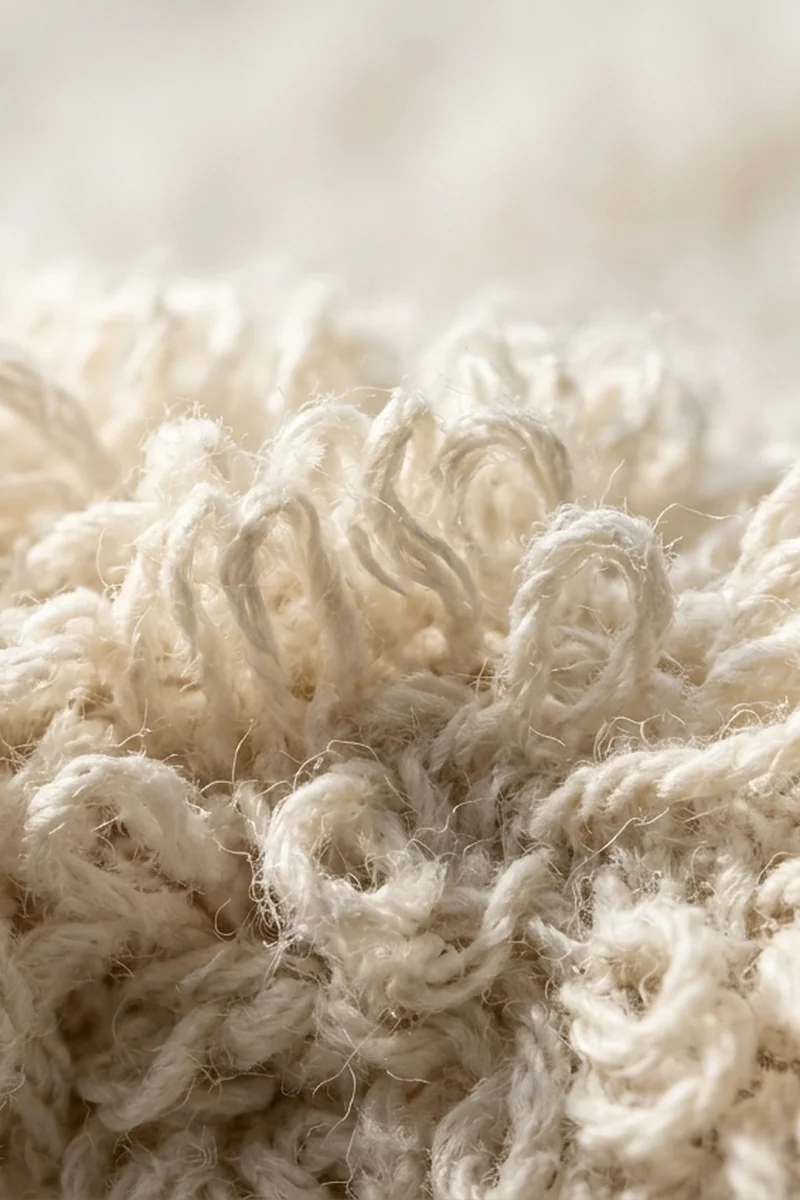
A bath towel absorbs water through capillary action. Terry cloth is woven with thousands of microscopic upright yarn loops per square inch. Cotton fibers are composed of pure cellulose, a complex polysaccharide packed with hydrophilic (water-loving) hydroxyl (-OH) functional groups. When liquid water contacts bare cotton cellulose, strong hydrogen bonds form instantly between the water molecules and the fiber surface.
This molecular attraction creates a low contact angle (close to 0 degrees). By capillary pressure, water is rapidly sucked upward into the microscopic channels between the yarn loops, pulling moisture deep into the inner core of the towel and off your skin in a fraction of a second.
“Cotton terry cloth is an exquisite biological sponge designed to drink water through capillary hydrogen bonding. A dryer sheet is a chemical wax bar that coats that sponge in oil.”
The Thermal Wax Melt: What Dryer Sheets Actually Deposit
What is a commercial dryer sheet? It is not a sheet of fabric; it is a thin, non-woven sheet of synthetic polyester spunbond plastic saturated in a dense, solid emulsion of three primary chemical agents:
- Stearic Acid and Hydrogenated Tallow Fatty Acids: Dense animal- or vegetable-derived saturated fats that have a low melting point (approximately 125°F to 145°F).
- Quaternary Ammonium Compounds (Quats): Positively charged surfactant molecules (such as distearyldimonium chloride) engineered to neutralize negative static charges on synthetic fabrics.
- Synthetic Fragrance Oils and Phthalates: Heavy synthetic perfumes formulated to survive high dryer heat and linger on fabrics for weeks.
When you toss a dryer sheet into a hot dryer tumbling at 135°F to 155°F, the heat melts the solid stearic fatty wax. As the sheet tumbles, it rubs against your clothes, mechanically wiping a thin, microscopic film of melted wax and silicone over every single fiber loop.
This fatty coating flattens the prickly microscopic edges of the fibers, creating the subjective sensation of softness. But that softness comes at a devastating physical cost: stearic wax is completely hydrophobic. Water cannot penetrate the coated fibers; the contact angle spikes from 0 degrees to over 110 degrees. The towel literally repels moisture. Laboratory absorption tests demonstrate that a single cycle with a dryer sheet reduces the water-wicking velocity of cotton towels by 35% to 45%.
The Electronic Blinding of Moisture Sensors
The damage inflicted by dryer sheets extends beyond ruined textiles to the physical hardware of your clothes dryer.
Modern high-efficiency dryers feature an automatic sensor cycle that saves electricity by shutting off the heater the moment clothes are dry. This cycle relies on two curved, metallic sensor strips mounted inside the front rim of the drum, just below the lint screen.
These two metal bars operate on electrical conductivity. As damp clothes tumble and strike both bars simultaneously, the water in the fabric conducts a tiny electrical current, signaling the microprocessor that clothes are still wet. As the clothes dry, electrical resistance rises, and the dryer terminates the cycle.
However, as melted wax from dryer sheets volatilizes inside the hot drum, it leaves a greasy, non-conductive film directly across the metal sensor bars. This film acts as an electrical insulator. The dryer can no longer detect moisture; it assumes the clothes are already bone-dry and prematurely shuts off the cycle after only 15 minutes, leaving your heavy laundry damp in the center.
Alternatively, if the sensor becomes erratically coated, the microprocessor can become stuck in an endless loop, running the heating element for 90 minutes on bone-dry clothes, baking your fabrics and wasting hundreds of kilowatt-hours of electricity.

Amazon US Verified
100% Organic New Zealand Wool Dryer Balls (Set of 6)
Dense, non-toxic wool tumble spheres that physically lift and separate wet laundry to cut drying time by 25% while dissipating static electricity without depositing waxes, quats, or synthetic fragrances.
The Two-Step Towel Wax Stripping Protocol
If your bath towels are currently coated in months of accumulated stearic wax and liquid fabric softener, washing them with regular detergent will not fix the problem. Detergent surfactants cannot dissolve heavy hydrophobic fats in standard wash cycles. You must perform an alkaline saponification stripping wash:
Cycle 1: Alkaline Saponification (Hot Washing Soda)
Load your non-absorbent towels into the washing machine. Select the hottest water setting available (140°F / 60°C or the “Sanitize” cycle). Add 1 cup of washing soda (sodium carbonate) directly into the drum. Do not add any laundry detergent or liquid softener. The high alkaline pH (11.0) of washing soda chemically reacts with the fatty stearic waxes, converting them into water-soluble soap compounds that rinse away down the drain.
Cycle 2: Acetic Acid Neutralization (Vinegar Rinse)
Immediately follow with a second hot water cycle. Add 1 cup of distilled white vinegar (5% acetic acid) into the fabric softener dispenser compartment. The mild acetic acid dissolves lingering detergent mineral crusts, neutralizes the alkalinity of the washing soda, and relaxes the cotton cellulose loops, restoring plush, cloud-like absorbency without a single molecule of wax.
Sensor Bar Maintenance
Open your dryer door. Locate the two curved metal sensor strips just below the lint trap opening. Saturate a cotton ball or microfiber cloth with rubbing alcohol (70% or 91% isopropyl). Firmly scrub both sensor bars for 30 seconds. You will see yellow and gray waxy residue come off on the cloth. Buff dry with a clean cloth to restore instant electrical sensitivity.
📥 Free Download: Dryer Sheets Wax Deposition & Towel Care Field Guide
Capillary wicking physics, wax saponification formulas, sensor bar maintenance schedules, and wool dryer ball efficiency comparisons.
The Wool Dryer Ball Revolution: Physics vs. Chemistry
Once your towels and dryer sensors are stripped clean, banish dryer sheets permanently from your laundry room. Replace them with 100% natural wool dryer balls.
Wool balls rely on mechanical physics rather than chemical coating. As they bounce vigorously through the tumbling load, they physically wedge between wet towels, preventing them from balling up into a tangled, wet knot. By opening continuous convective airflow tunnels between garments, wool dryer balls cut drying times by 20% to 25%, save household electricity, and naturally fluff terry loops through gentle friction. Your towels will emerge lighter, fluffier, and capable of drying your skin in a single, luxurious pass.
As an Amazon Associate, azuloz.com earns from qualifying purchases.