
What Causes the Sudden Change in Body Odor After Childbirth?
The body undergoes massive changes immediately following delivery. Your hormones shift dramatically, with a rapid drop in estrogen and progesterone and a sharp rise in prolactin to support milk production. This hormonal whirlwind naturally affects your scent.
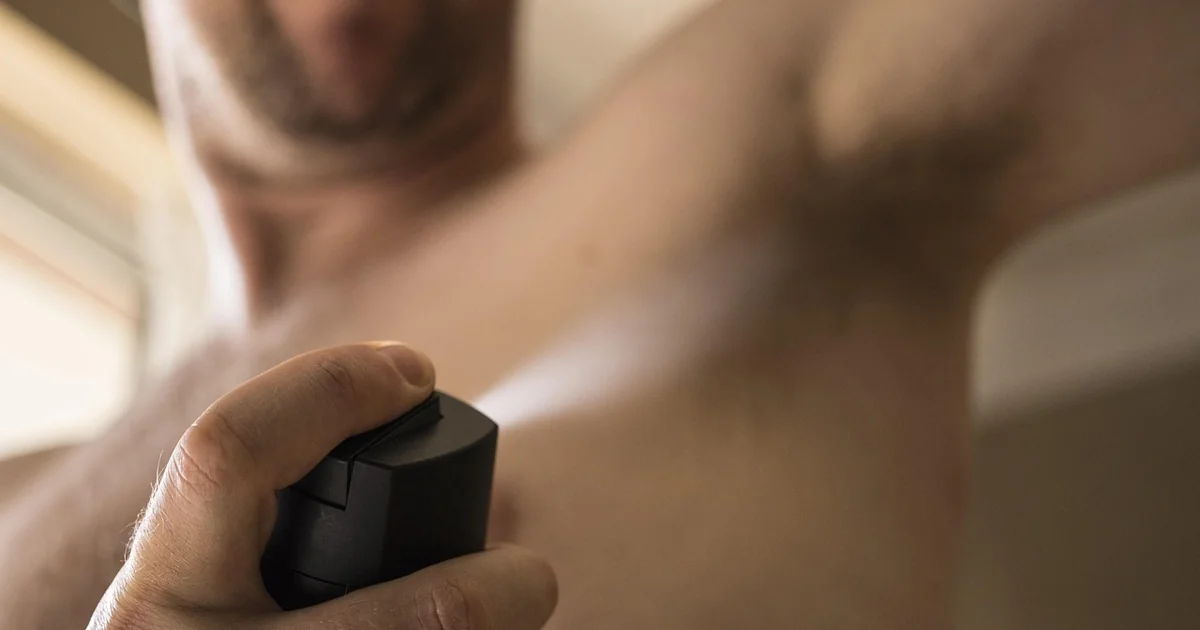
Furthermore, after carrying a baby for nine months, your body begins shedding the excess fluids that supported your pregnancy. This process involves increased sweating, which can carry a distinct odor. Adding to the experience, some postpartum individuals develop an altered sense of smell and taste. This heightened awareness means you might notice subtle changes in your own body odor that are less obvious to others around you.
How Does Milk Production Affect Postpartum Scent?
Your body’s transition into milk production creates a unique biological environment. Hormonal fluctuations and the release of specific pheromones contribute to a new, unfamiliar scent. While this might feel awkward to you, it serves an important purpose.
This maternal odor helps direct your baby toward the breast for feeding. The combination of your changing pheromones and your baby’s saliva can create a distinct smell that strengthens the bond between you. Nature designed this sensory cue to facilitate breastfeeding and deepen the connection during those critical early weeks.
Why Might You Sweat More at Night Postpartum?
Night sweats are a very common complaint among new parents. During pregnancy, your body gained up to 10 pounds of amniotic fluid, blood, and other fluids. After birth, your body needs to flush out these excess fluids, and increased sweating is its primary method.
This process often intensifies at night while your body rests and focuses on milk production. Waking up drenched in sweat can be startling, but it is a normal sign that your body is working hard to return to its pre-pregnancy state. The heavy sweating typically decreases as your fluid levels regulate.
How Does Postpartum Bleeding Differ from Regular Periods in Smell?
You will experience a vaginal discharge called lochia after birth, regardless of whether you had a vaginal delivery or a C-section. Lochia is a mix of amniotic fluid, tissue, and blood. This discharge often has a distinct smell that is different from a typical menstrual period.
It can be musty, stale, or metallic, and it usually passes through the vagina for up to six weeks. If you had a surgical birth, you may notice that your lochia is lighter than it would be after a vaginal birth. Understanding that this is a normal part of healing can help alleviate concerns about the scent.
How Long Does Postpartum Body Odor Typically Last?
This is the question on every new parent’s mind. Postpartum body odor usually decreases as your hormone levels begin to balance out. However, the exact timetable varies significantly from person to person.
For some, the strong scent fades within a few weeks after delivery. For others, especially those who are breastfeeding, the odor may linger for a few months until menstruation returns and hormones fully stabilize. Patience is key, as your body is navigating a complex recovery process. The odor will subside once your hormones settle, even if it feels persistent right now.
7 Ways to Treat Postpartum Body Odor
Postpartum body odor and increased sweating are common and generally not a cause for concern. However, that does not mean you have to simply tolerate the scent without trying to manage it. Staying hydrated and practicing good hygiene are foundational strategies. Here are seven specific ways you can treat and manage postpartum body odor effectively.
1. Practice Gentle but Consistent Hygiene
Showering once a day may have worked before, but now you might benefit from washing twice daily. Use a mild, fragrance-free cleanser to avoid irritating your skin or disrupting your natural pH balance. Pay special attention to areas where sweat accumulates, like your underarms and groin. Changing your pad or postpartum underwear frequently also helps minimize odors from lochia.

Amazon US Verified
Pure Mulberry Silk Pillowcase for Hair & Skin
Hypoallergenic 22-Momme silk reducing friction, frizz, and morning facial creases.
2. Stay Hydrated
Drinking plenty of water helps flush out the concentrated toxins and excess fluids that your body is working hard to eliminate. When you are dehydrated, your urine and sweat become more concentrated, which can intensify odor. Keeping a large water bottle nearby and sipping throughout the day supports your body’s natural detoxification processes.
You may also enjoy reading: Soft Parenting and Gentle Parenting: Not Exactly the Same.
3. Choose Breathable Fabrics
What you wear can make a significant difference. Opt for loose-fitting clothes made from natural, breathable fibers like cotton or bamboo. These materials allow air to circulate and help wick moisture away from your skin. Avoid synthetic fabrics like polyester or nylon, which trap heat and sweat against your body, creating a breeding ground for odor-causing bacteria.

Amazon US Verified
100% Organic Washed Cotton Percale Sheets
Crisp, breathable, matte-finish weave that sleeps cool and gets softer every wash.
4. Use a Gentle Deodorant or Antiperspirant
Do not be afraid to use deodorant or antiperspirant, even if you had a natural birth. Look for options that are free of aluminum and heavy fragrances if you have sensitive skin. A mineral salt deodorant can neutralize odor without blocking pores. Apply it after your shower when your skin is clean and dry for the best results.
5. Manage Night Sweats Proactively
Since night sweats are a major contributor to postpartum body odor, set up your environment for success. Sleep on a towel to protect your mattress and make cleanup easier. Use layers of breathable sheets so you can remove a layer if you wake up hot. Keep a change of pajamas on your nightstand so you can swap out wet clothes quickly and fall back asleep comfortably.

Amazon US Verified
100% Turkish Cotton Luxury Bath Towel Set
Plush, ultra-absorbent combed cotton bath sheets that dry quickly and resist odors.
6. Focus on Nutrient-Rich, Neutral-Smelling Foods
What you eat can influence how you smell. Spicy foods, garlic, onions, and certain strong herbs can release sulfur compounds and oils that escape through your skin pores. While you are healing, try to emphasize a diet rich in fruits, vegetables, and whole grains. These foods support your body’s recovery and can help keep your natural scent more neutral.
7. Prioritize Rest and Stress Management
It sounds nearly impossible with a newborn, but finding tiny moments for rest matters. The physical and emotional toll of caring for a baby increases stress hormones like cortisol, which can impact your scent. Even five minutes of deep breathing, a short walk, or asking a partner to watch the baby while you shower can lower stress levels. A calmer body often produces a calmer, less pungent odor.
Frequently Asked Questions
Is it safe to use antiperspirant while I am breastfeeding?
Yes, using antiperspirant or deodorant is generally considered safe while breastfeeding. The chemicals are absorbed in very small amounts through the skin. If you are concerned, choose a natural deodorant without aluminum or heavy fragrances. Always apply it to clean, dry skin to maximize its effectiveness while minimizing any potential skin irritation.
When should I contact my doctor about postpartum odor?
You should contact your healthcare provider if the odor has a foul, fishy, or unusually strong smell accompanied by fever, pain, or increased bleeding. While normal postpartum odor is musty or metallic, a truly offensive smell can indicate an infection, such as endometritis or a retained placenta. Trust your instincts and seek care if something feels off.
Why does my postpartum sweat smell stronger than regular sweat?
Postpartum sweat contains different compounds than regular sweat due to hormonal shifts and the body flushing out pregnancy fluids. The rapid drop in estrogen and progesterone affects the apocrine glands, which produce a thicker, protein-rich sweat that bacteria love to break down. This biological process is what creates the stronger, distinct odor. It typically fades as your hormones regulate.
Postpartum body odor is a temporary but very real part of the recovery journey. While it can be surprising, understanding the reasons behind it and adopting a few simple management strategies can make the experience much easier. Your body is performing an incredible recovery, and these changes are a sign that it is working hard. Be patient, prioritize your comfort, and trust that this phase will pass.
As an Amazon Associate, azuloz.com earns from qualifying purchases.