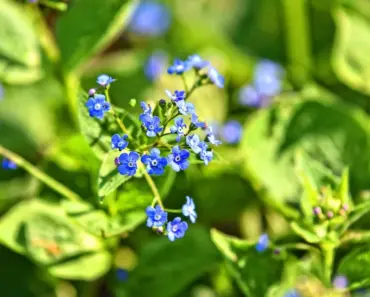
Discover the hidden meanings behind nature’s calendar as we explore which wildflower represents your birth month. Birth month wildflowers offer a personal connection to nature and tradition, grounding you in the rhythms of the seasons. While January through May have officially recognized wildflowers, the rest of the year remains mostly uncharted, leaving room for personal interpretation. Each bloom carries unique symbolism and ecological significance, making your personal flower more than just a pretty face in the garden.
January to May: The Assigned Birth Month Wildflowers
From the snowy trillium of January to the sunny milkweed of May, these five wildflowers have official status and distinct meanings. Each bloom carries unique symbolism and ecological significance, making your personal flower more than just a pretty face in the garden.
January: Great White Trillium – The Snow Lily
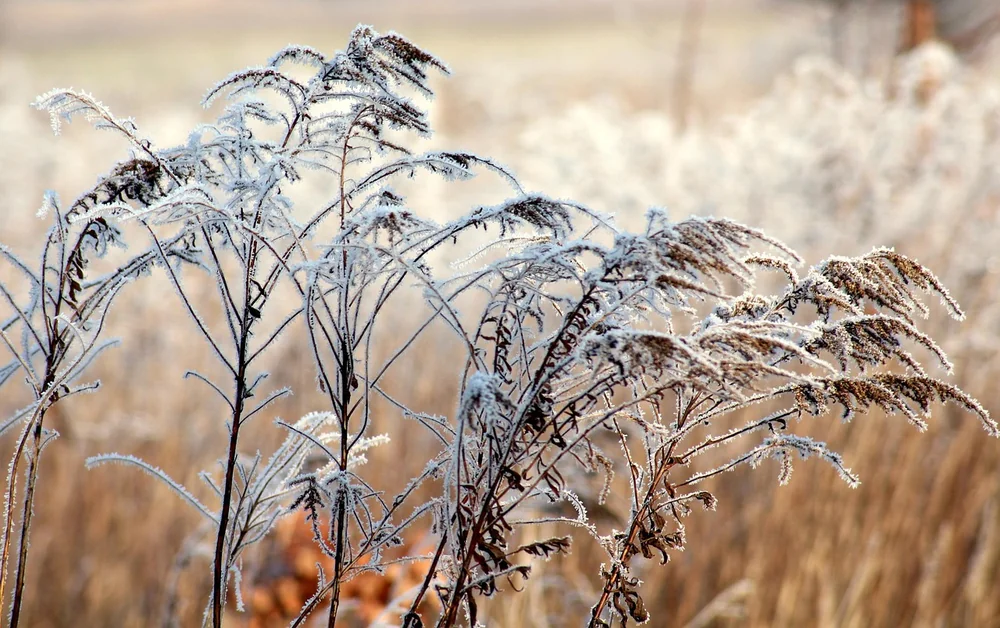
The great white trillium is the birth month wildflower for January. This hardy bloom emerges early in the year, often pushing through chilly forest floors while snow still lingers. Its three pure white petals stand out against the muted winter landscape, symbolizing resilience and quiet strength. January trillium reminds you that beauty can thrive even in the coldest conditions.
February: Wild Blue Phlox – Harmony in Blue
Wild blue phlox represents February and is associated with harmony and partnership. With soft blue and lavender clusters, this low-growing flower brings a gentle, calming presence to early spring woodlands. February phlox makes a lovely addition to shaded garden beds and pairs beautifully with other spring ephemerals for a welcoming, peaceful look.
March: Rocky Mountain Penstemon – Optimism in Bloom
Rocky Mountain penstemon is the birth month wildflower for March and symbolizes optimism and adaptability. This rugged plant thrives in rocky, well-drained soil and rewards you with tall spikes of tubular flowers in shades of purple and blue. March penstemon is a practical, low-maintenance choice for sunny borders, and its drought tolerance makes it a budget-friendly option for beginner gardeners.
April: Butterfly Milkweed – Transformation and Pollinator Power
Butterfly milkweed for April symbolizes transformation, warmth, and nurturing energy. Its bright orange blooms are a magnet for monarch butterflies, making it both a meaningful and ecologically valuable plant. April milkweed thrives in full sun and poor soil, so you can enjoy its cheerful color without heavy maintenance. Birth month wildflowers like this one connect personal symbolism to practical garden benefits.
May: Tennessee Coneflower – A Midsummer Mystery
The Tennessee coneflower is the May wildflower, though its specific meaning is not documented in available research. This rare, purple-petaled bloom with a dark central cone adds drama to late spring gardens. May coneflower is a hardy, low-maintenance perennial that attracts pollinators and brings a touch of wild beauty to your yard.
Pollinator Partners: Wildflowers That Support Wildlife
As the May coneflower shows, birth month wildflowers aren’t just beautiful additions to your garden. They also play vital roles in local ecosystems, especially as pollinator magnets. By choosing these native plants, you create a welcoming space for essential wildlife right outside your door. The ecological value of these flowers adds a rich, meaningful layer to your birth month bloom.
Butterfly Milkweed: A Monarch Superhighway
One standout example is butterfly milkweed. This vibrant flower is famous for supporting monarch butterflies and pollinators. It serves as a crucial host plant where monarchs lay their eggs, and it provides rich nectar for bees and other butterflies. Adding butterfly milkweed to your pollinator garden turns your yard into a vital rest stop on the monarch’s migration route. It is a simple way to provide essential wildlife habitat while enjoying a stunning display of color.
Other Pollinator-Friendly Birth Flowers
Many other birth month wildflowers offer similar ecosystem support. From early-blooming crocuses that feed hungry bees emerging in spring to late-season asters that fuel monarchs before their long journey south, these nectar plants sustain a diverse range of wildlife. When you select your birth month wildflowers for the garden, you are actively contributing to a healthier environment. Whether you choose them for their beauty, their meaning, or their ecological benefits, these flowers make a positive impact. By planting them, you nurture the connection between your personal story and the natural world around you.
The Uncharted Months: June to December and Missing Information
While January through May have clear birth month wildflowers, the remaining months lack official designations—and several meaning gaps remain. If you were hoping to find a specific bloom tied to your summer or autumn birthday, you may be disappointed. The available research simply does not assign a birth month wildflower for June through December. This means that for half the year, there is no single flower to represent your birth month in the traditional wildflower sense.
Missing Months: What About June to December?
You might be familiar with the more common June birth flower, such as the rose, or the July birth flower, like the larkspur. However, these are not considered birth month wildflowers in the same category as the ones discussed for January through May. The specific symbolism for great white trillium and Tennessee coneflower is not provided, leaving a gap in understanding what these blooms might represent. Similarly, no information on how to grow or care for these wildflowers is included, which can be frustrating if you want to cultivate them in your own garden.
Unknown Meanings: Trillium and Coneflower
The geographic range or native regions for each wildflower beyond general mentions is absent. For example, you might wonder where the great white trillium naturally thrives or what conditions the Tennessee coneflower prefers. Details on the cultural or historical significance of these wildflowers are also lacking. Without this context, it is difficult to connect with the deeper folklore or traditional uses that make wildflowers so meaningful.
Ergänzend empfehlenswert: 5 Potted Plants That Stay Vibrant in Hot Weather.
Native Ranges and Cultural Lore – A Research Gap
Because birth month wildflowers for June through December are missing, you have an opportunity to explore local native wildflowers or regional traditions to fill these gaps. Consider researching what blooms naturally in your area during your birth month. You might discover a beautiful August native bloom or a hardy November bloom that resonates with you personally. While the official symbolism remains unknown, you can create your own meaning by learning about the wildflower folklore in your region. This practical approach allows you to build a personal connection with the flowers that surround you, even when the official records fall short.
Bringing Your Birth Month Wildflower to Life
Even without official care guides or full historical records, you can still connect deeply with your birth month wildflower. The key is to let its natural beauty and character inspire you in everyday ways. Whether you have a garden plot or just a sunny windowsill, there are simple, budget-friendly steps to bring your flower into your life and honor its personal meaning.
Planting and Caring Tips (General Advice)
Wildflower gardening is a rewarding way to celebrate your birth month. Start by choosing native varieties that thrive in your region – they support local ecosystems and require less water and fertilizer than exotic plants. Look for seeds or seedlings at local nurseries or native plant sales. Scatter them in a sunny spot with well-draining soil, and water gently until they establish. Keep in mind that many wildflowers are low-maintenance once settled, making them a welcoming addition to any garden. Even a small container on a balcony can host a few blooms.
Creative Ways to Honor Your Birth Flower
Beyond the garden, your birth month wildflower can inspire floral crafts and personal projects. Press the petals between the pages of a book to create bookmarks or framed art. Use dried flowers in homemade candles, soaps, or sachets. If you enjoy writing or painting, let the flower’s shape and color guide a poem or a watercolor sketch. These small acts of nature connection deepen your appreciation and make the flower a meaningful part of your home.
Finding Local Resources and Communities
For region-specific advice on native plant care, reach out to local gardening clubs or native plant societies. Many host seed swaps, workshops, and guided walks where you can learn from experienced gardeners. Online forums and community gardens are also great places to ask questions and share your birth month celebration stories. By connecting with others who love wildflowers, you’ll discover new ways to enjoy your bloom and build a lasting bond with the natural world around you.
Frequently Asked Questions
How can I plant and care for my birth month wildflower in my garden?
Start by choosing a spot with the right sunlight and soil conditions for your specific wildflower. Many bloom best in well-draining soil with at least six hours of sun. Water regularly until established, then reduce watering as the plant matures. Always check the seed packet or plant tag for variety-specific care.
Are birth month wildflowers the same as the traditional birth flowers I’ve seen for each month?
Not exactly. Traditional birth flowers often include cultivated blooms like roses or carnations, while birth month wildflowers focus on native species tied to North American regions. The wildflower list offers a more natural, eco-friendly alternative with unique symbolic meanings.
Is it safe to grow birth month wildflowers if I have pets or small children?
Most wildflowers are non-toxic, but a few species can cause mild irritation if ingested. To be safe, research the specific wildflower for your birth month and check with a local extension service. Planting them in a designated garden bed away from high-traffic play areas keeps everyone happy.