When crisp autumn breezes arrive and winter temperatures settle in, few garments offer the effortless charm, cozy warmth, and visual texture of a well-chosen knit. Exploring diverse plaid sweater styles opens up a world of timeless sartorial possibilities, bridging the gap between nostalgic heritage fashion and contemporary streetwear aesthetics. Whether you are drawn to traditional Scottish tartans, oversized lumberjack buffalo checks, or minimalist monochromatic windowpanes, understanding how to select and style these knit pieces will elevate your cold-weather rotation.
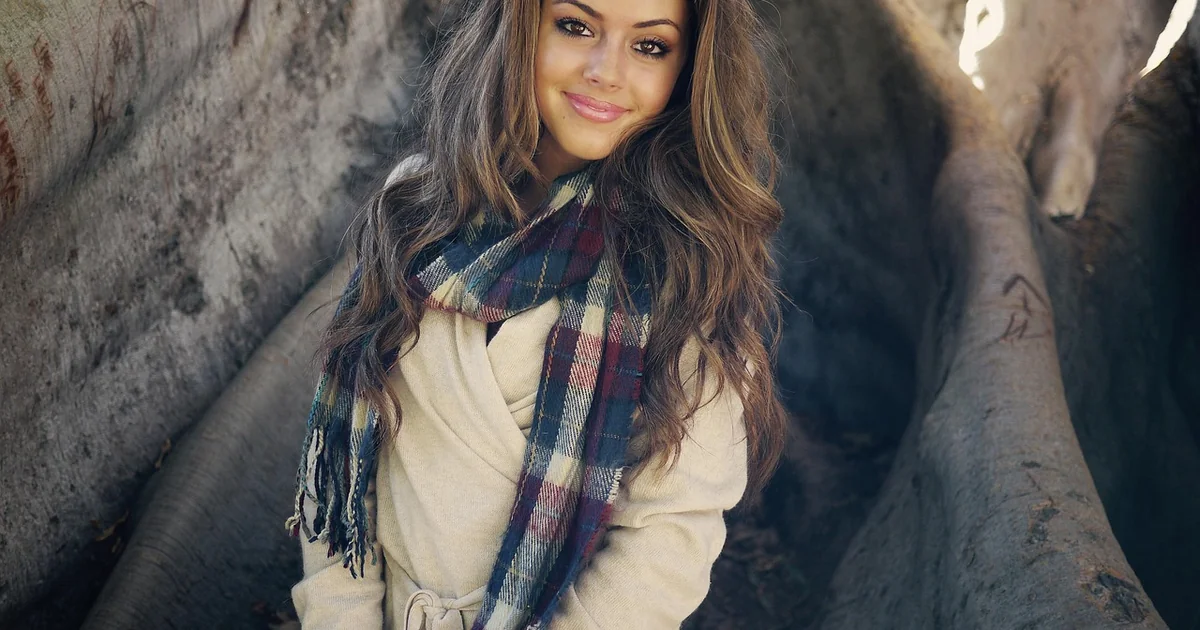
In this comprehensive style guide, we break down the definitive plaid sweater styles dominating current runways and street style trends, complete with silhouette recommendations, fabric care essentials, and fool-proof outfit combinations for every occasion.
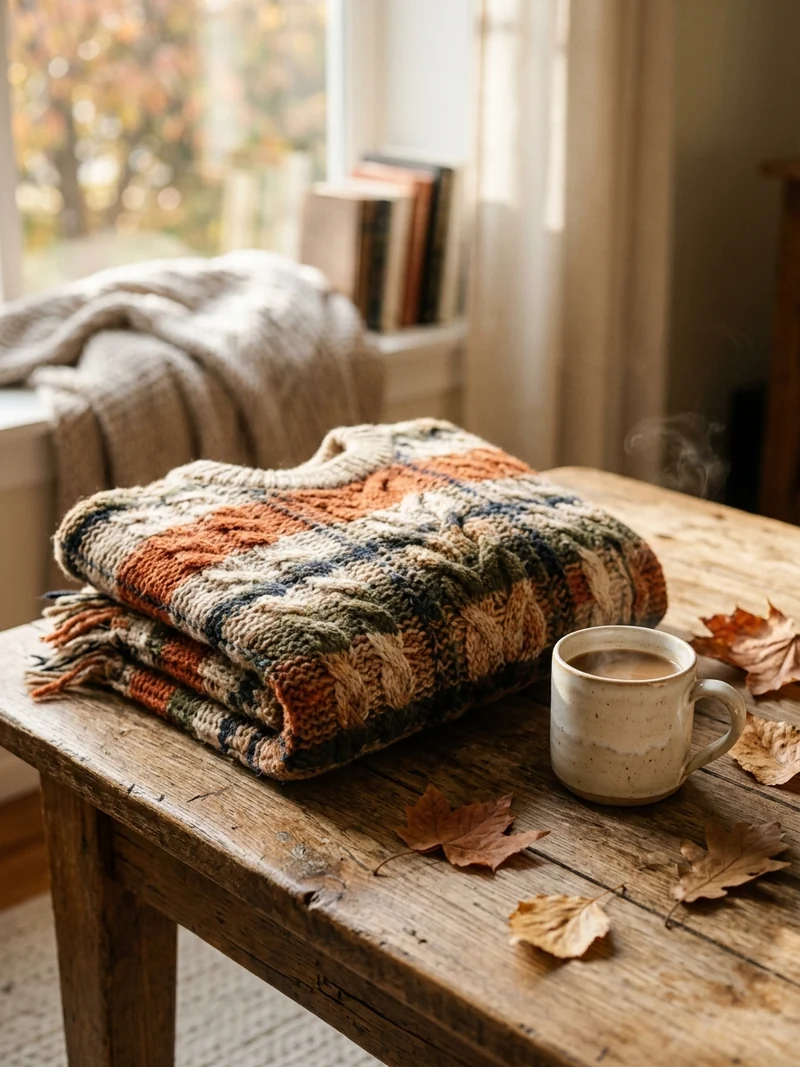
Classic and Contemporary Plaid Sweater Styles
Plaid is far from a monolithic design. The geometric interplay of intersecting horizontal and vertical stripes creates distinct personalities depending on scale, symmetry, and color palette. Recognizing the core styles helps you pinpoint the exact vibe you want to project.
1. Tartan and Heritage Knits
Tartan represents the traditional Scottish root of plaid, characterized by multi-colored, repeating horizontal and vertical bands. Modern designers often take traditional royal stewart, black watch, or highland green tartans and render them in brushed mohair or chunky wool knits. A tartan crewneck brings a scholarly, preppy sophistication that pairs naturally with crisp collared shirts and tailored wool trousers.
2. The Cozy Buffalo Check
Featuring large, bold blocks created by two alternating contrasting colors (classically red and black or black and cream), the buffalo check sweater is synonymous with rustic, outdoorsy comfort. Modern interpretations feature relaxed, drop-shoulder silhouettes that look effortlessly stylish when draped over slim-fit denim and leather combat boots.
3. Minimalist Windowpane Knits
For those who prefer subdued, sleek elegance, windowpane plaid features slender, widely spaced lines forming large rectangular or square grids. This clean, architectural pattern makes windowpane sweaters exceptionally versatile for professional work environments and minimalist capsules, offering understated texture without visual clutter.
4. Vintage-Inspired Argyle
While technically a diamond motif, argyle stems directly from the clan tartan heritage. Vintage-inspired argyle cardigans and sleeveless sweater vests have seen a massive resurgence. They inject playful retro charm into collegiate and smart-casual outfits alike.
How to Style Plaid Sweaters for Casual Everyday Wear
Integrating bold patterns into daily wear does not require complex coordination. The secret to mastering casual plaid sweater styles lies in balancing proportions and letting the statement knit take center stage.
- The Oversized Cardigan with Straight-Leg Denim: Drape a chunky, longline plaid cardigan over a basic white ribbed baby tee or modal bodysuit. Pair with high-waisted vintage wash jeans and retro leather sneakers for effortless weekend coffee runs.
- Cropped Plaid Knits with High-Rise Bottoms: A cropped boxy plaid sweater creates an instantly flattering silhouette when paired with high-rise corduroy trousers or A-line denim skirts. Complete the look with ankle booties to elongate the legs.
- Effortless French Tucks: If your sweater has a relaxed hemline, a subtle front French tuck into dark-wash denim grounds the volume and accentuates your waistline without sacrificing relaxed comfort.
Elevated and Office-Ready Plaid Sweater Outfits
Plaid knits transition remarkably well from relaxed weekends to smart business-casual office environments when combined with structured tailoring.
- Layered Over Crisp Poplin: Layer a crewneck windowpane or fine-gauge tartan sweater over an oversized white poplin button-down, allowing the pointed collar and cuffs to peek through. Pair with pleated tailored trousers and polished leather loafers.
- Tucked into Pleated Midi Skirts: A fine-knit fitted plaid sweater tucked neatly into a satin or wool-crepe midi skirt balances cozy tactile warmth with refined femininity. Add a sleek leather belt with minimalist gold hardware for a cohesive finish.
- Underneath Tailored Outerwear: In colder months, wearing a tailored camel or charcoal overcoat over your plaid sweater creates rich depth. Keeping your coat solid and unpatterned prevents visual clashes.
Color Palettes: From Traditional Earth Tones to Pastels
The mood of your plaid sweater is fundamentally dictated by its color composition:
- Classic Autumnal Warmth: Forest greens, burnt oranges, rich ochres, burgundies, and deep chocolates evoke harvest richness and blend seamlessly with brown leather accessories.
- Monochromatic Modernism: Black, slate grey, cream, and charcoal provide a high-fashion, Scandinavian feel that suits minimalists who shy away from bright colors.
- Soft Pastels: Lilac, powder blue, sage, and blush pink plaid sweaters offer a refreshing, whimsical twist on traditional winter wear, brightening dreary overcast days.
Fabric Selection and Garment Care Tips
A quality knit should last for years when cared for properly. Keep these practical fabric considerations in mind:
- Opt for Natural Fiber Blends: Look for sweaters made with high percentages of merino wool, alpaca, cotton, or cashmere. These fibers breathe naturally, regulate temperature, and drape superiorly compared to 100% synthetic acrylic knits.
- Gentle Hand Washing: Submerge your knit in lukewarm water with a mild, enzyme-free wool detergent. Gently press water through the fibers without twisting or wringing.
- Dry Flat to Retain Shape: Never hang a wet or damp knit sweater, as gravity will stretch the shoulders and distort the plaid pattern. Roll the sweater in a clean towel to absorb excess moisture, then lay it flat on a drying rack.
- De-Pill Regularly: Friction naturally causes surface pills on high-friction areas like sleeves. Use a cashmere comb or battery-operated fabric shaver once a season to keep the plaid weave looking crisp and fresh.
Frequently Asked Questions
Can I mix a plaid sweater with other patterned garments?
Yes, pattern mixing can look stunning when done with intention. The golden rule is scale contrast: pair a large-scale windowpane or buffalo plaid sweater with a tiny micro-dot or fine pinstripe trouser, ensuring at least one unifying color ties both patterns together.
Are plaid sweaters suitable for petite body frames?
Absolutely. Petites look exceptional in smaller-scale plaids like houndstooth or delicate windowpanes. If wearing an oversized plaid knit, balance the volume with fitted bottoms such as skinny jeans or straight-leg trousers, and choose a v-neck or cropped cut to elongate your torso.
How do I stop my wool plaid sweater from itching?
Wearing a soft, breathable cotton or modal undershirt creates a protective barrier between your skin and coarse wool fibers. You can also soak the sweater in cool water with a capful of hair conditioner or specialized wool softener to relax rough fibers.
Conclusion
Mastering diverse plaid sweater styles allows you to infuse your wardrobe with warmth, heritage charm, and endless personal expression. From casual weekend strolls wrapped in an oversized cardigan to polished boardroom presentations in a sleek windowpane crewneck, plaid remains an undisputed staple of cold-weather elegance. Invest in quality natural fabrics, experiment with creative layering, and embrace this iconic pattern with confidence all season long.