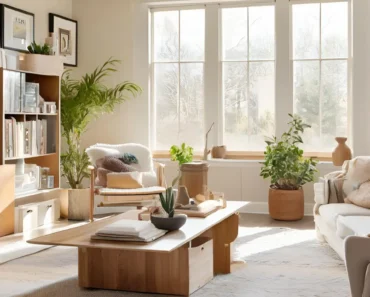
In our increasingly screen-dominated, hyper-connected world, our bedrooms should serve as tranquil havens of rejuvenation and restorative rest. Integrating lush, vibrant greenery bedroom ideas into your personal sanctuary taps into biophilic interior design—the instinctive human desire to connect with the natural world. Living foliage softens hard architectural lines, purifies indoor air, and promotes psychological calm, transforming a standard sleeping quarters into an organic, spa-like retreat.
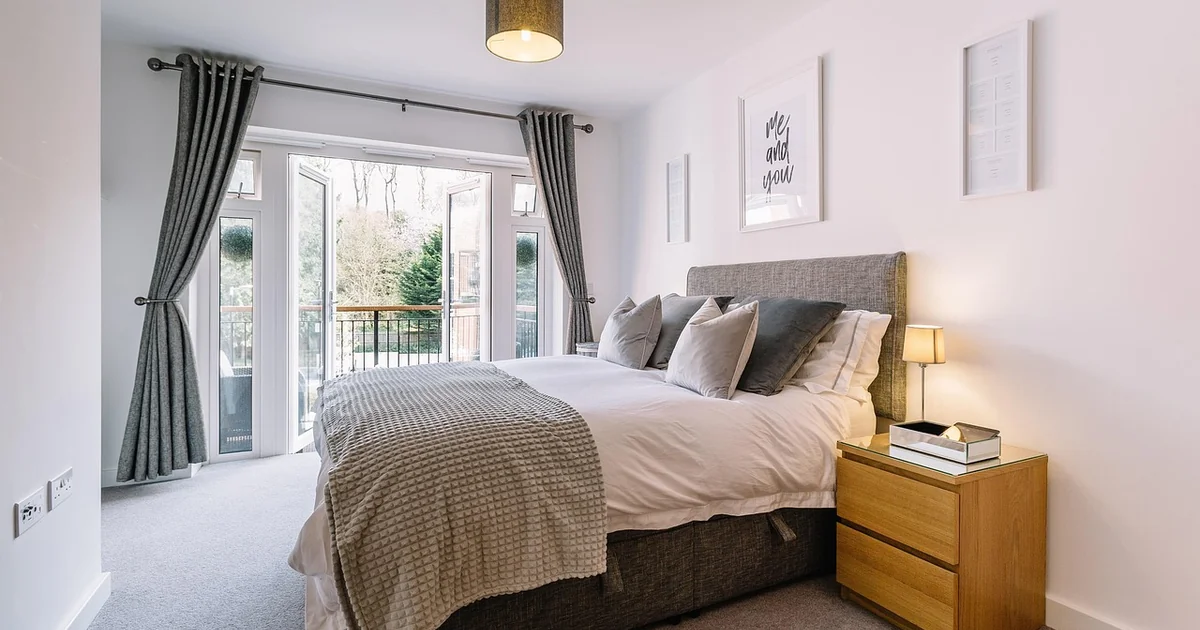
Whether you inhabit a sun-drenched master suite or a cozy, low-light urban apartment, this comprehensive guide explores innovative greenery bedroom ideas to cultivate a restorative, botanical-inspired sleep oasis.
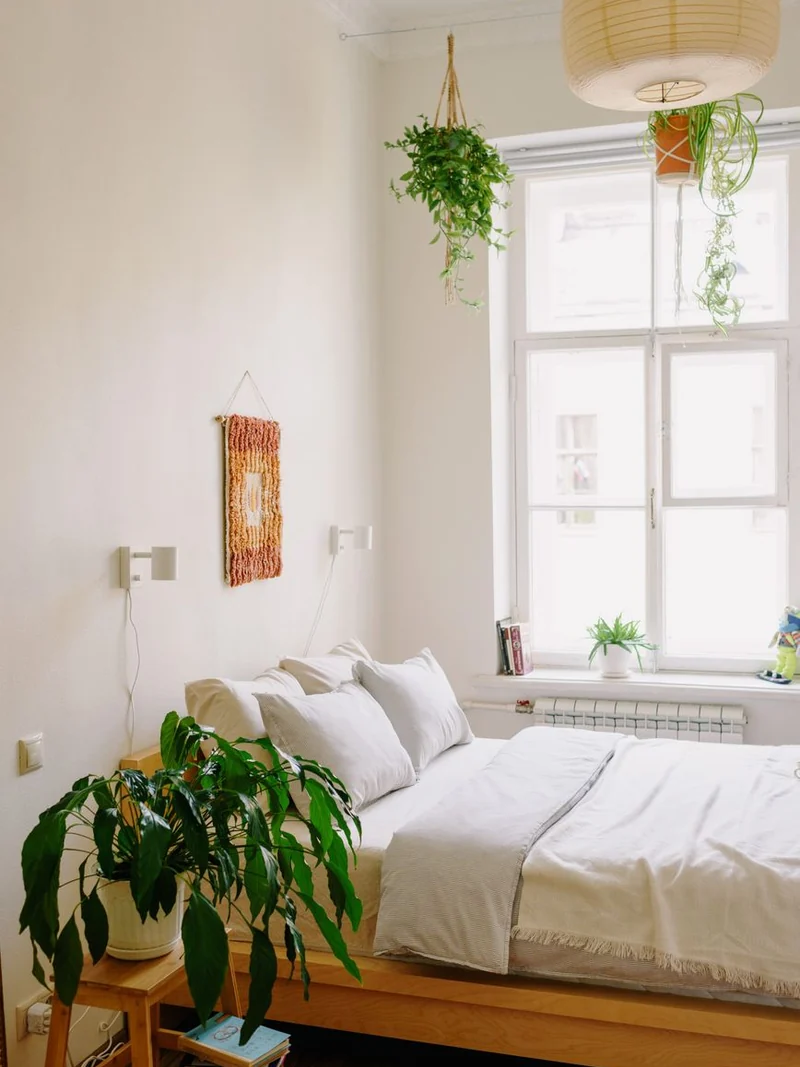
Top Low-Light Bedroom Plants for Cleaner Air and Peaceful Sleep
Because bedrooms often have curtains drawn or receive indirect lighting, selecting plant varieties that thrive in modest illumination is crucial for long-term health and low-stress care.
1. Snake Plant (Sansevieria)
Renowned for its near-indestructible nature, the snake plant is a bedroom champion. Unlike most houseplants that only produce oxygen during the day, Sansevieria converts carbon dioxide into fresh oxygen throughout the night while filtering airborne toxins such as formaldehyde and benzene. Its architectural, upright sword-like leaves add sleek vertical interest to nightstands and empty corners.
2. ZZ Plant (Zamioculcas Zamiifolia)
With its glossy, deep green oval foliage and drought-tolerant bulbous root system, the ZZ plant thrives in dark corners and requires watering only once every three to four weeks. Its rich waxy texture brings effortless elegance without demanding high maintenance.
3. Golden Pothos and Heartleaf Philodendron
These vigorous vining species feature cascade-ready leaves that trail beautifully down from headboards, floating shelves, or hanging macramé holders. They tolerate erratic watering and low light with remarkable resilience.
4. Peace Lily (Spathiphyllum)
Offering both deep emerald leaves and elegant white blooms, peace lilies naturally boost room humidity and capture airborne moisture, which can soothe dry throats and sinus passages during winter heating cycles.
Vertical Greenery: Hanging Pots, Floating Shelves, and Wall Displays
If your floor space is limited, elevating your foliage creates dramatic visual impact without crowding your walking paths.
- Floating Botanical Shelves Above the Bed: Install a sturdy solid wood or brass floating shelf directly above your headboard. Line it with an assortment of small terracotta pots, trailing string-of-pearls, and cascading satin pothos to form a living botanical canopy.
- Ceiling-Suspended Macramé Planters: Hang hand-woven cotton or jute macramé hangers from corner ceiling hooks. Varying the drop lengths creates dynamic depth and draws the eye upward, making compact bedrooms feel taller and airier.
- Living Wall Planters and Trellises: Mount modular ceramic wall sconces or wooden lattice trellises along an accent wall, training English ivy or philodendron vines to weave gracefully across the surface.
Integrating Calming Green Palettes and Botanical Accents
True biophilic design extends beyond physical potted plants into your broader decorative framework:
- Sage and Eucalyptus Wall Colors: Painting an accent wall behind your headboard in muted sage, olive, or soft eucalyptus green creates an earthy grounding backdrop that lets green foliage pop.
- Natural Washed Linen Bedding: Pair your greenery with breathable French flax linen bedding in neutral tones such as sand, oatmeal, terracotta, or moss green. The organic texture mirrors the natural beauty of your plants.
- Raw Wood and Rattan Textures: Complement leafy plants with warm oak bedside tables, woven seagrass storage baskets, and cane headboards to achieve a harmonious, organic modern aesthetic.
Faux vs. Real Greenery: Finding the Right Balance
Do not feel pressured to keep every botanical element alive. High-end faux greenery has evolved tremendously and can be combined seamlessly with live plants:
- Where to Use Live Plants: Keep live plants near natural light sources, such as window sills, dressers, and desks, where watering and daylight access are effortless.
- Where Faux Plants Excel: Use high-grade faux olive trees or silk eucalyptus stems in dark nooks, tall armoire tops, or guest bedrooms where routine maintenance is inconvenient. Mixing realistic faux specimens alongside real trailing vines tricks the eye and creates an impeccably full look.
Essential Bedroom Plant Care and Pest Prevention
To preserve your bedroom’s peaceful ambiance, keep your indoor garden pristine and pest-free with these simple best practices:
- Avoid Overwatering: Overwatering is the number one cause of houseplant demise and fungus gnats. Always allow the top two inches of soil to dry out before watering, and ensure all decorative pots have internal drainage trays.
- Wipe Foliage Clean: Bedroom dust settles on broad leaves like monsteras and fiddle-leaf figs, clogging leaf pores and reducing their light absorption. Wipe leaves gently once a month with a soft, damp microfiber cloth.
- Use Clean Top Dressings: Layering horticultural gravel or decorative pumice over potting soil discourages fungus gnats from laying eggs while providing a polished, high-end finishing touch.
Frequently Asked Questions
Is it safe to sleep with lots of plants in your bedroom?
Yes, completely safe. While plants release small amounts of carbon dioxide during nighttime respiration, the volume is minuscule—far less than that of a sleeping pet or partner. The psychological calming benefits and daytime air-purification far outweigh any trivial carbon dioxide output.
What are the best bedroom plants for complete beginners?
Snake plants, ZZ plants, and golden pothos are the most forgiving starter plants. They tolerate low light, handle irregular watering schedules, and rarely fall victim to common indoor pests.
How do I display plants in a tiny bedroom without clutter?
Focus on vertical and wall-mounted strategies. Utilize hanging ceiling planters, mount single floating wall planters, or position one tall, slender floor plant like a snake plant or cast iron plant in an unused corner.
Conclusion
Embracing thoughtful greenery bedroom ideas turns your sleeping environment into a revitalizing retreat that calms the senses and restores the spirit. By curating hardy low-light species, playing with vertical hanging arrangements, and pairing living leaves with tactile organic linens and warm woods, you create a personalized sanctuary where waking up feels naturally refreshing every single day.