
A cute bedroom should feel personal, comfortable, and easy to live in—not like a showroom you are afraid to disturb. The most successful bedroom decor ideas start with a simple foundation, repeat a small color palette, and add charm through lighting, textiles, art, plants, and meaningful objects. You do not need to replace everything at once. A softer lamp, better bedding, one organized wall, or a thoughtfully styled corner can noticeably change the room.
Before buying decor, decide how you want the bedroom to feel. Soft and romantic, cheerful and colorful, cozy and vintage, or calm with a few whimsical details can all look “cute.” Choose two or three main colors, identify what the room must do besides support sleep, and measure the available walls and floor space. This keeps the finished space coordinated rather than cluttered.
12 Cute Bedroom Decor Ideas That Feel Cozy and Personal
1. Create a Soft Glow With Fairy Lights
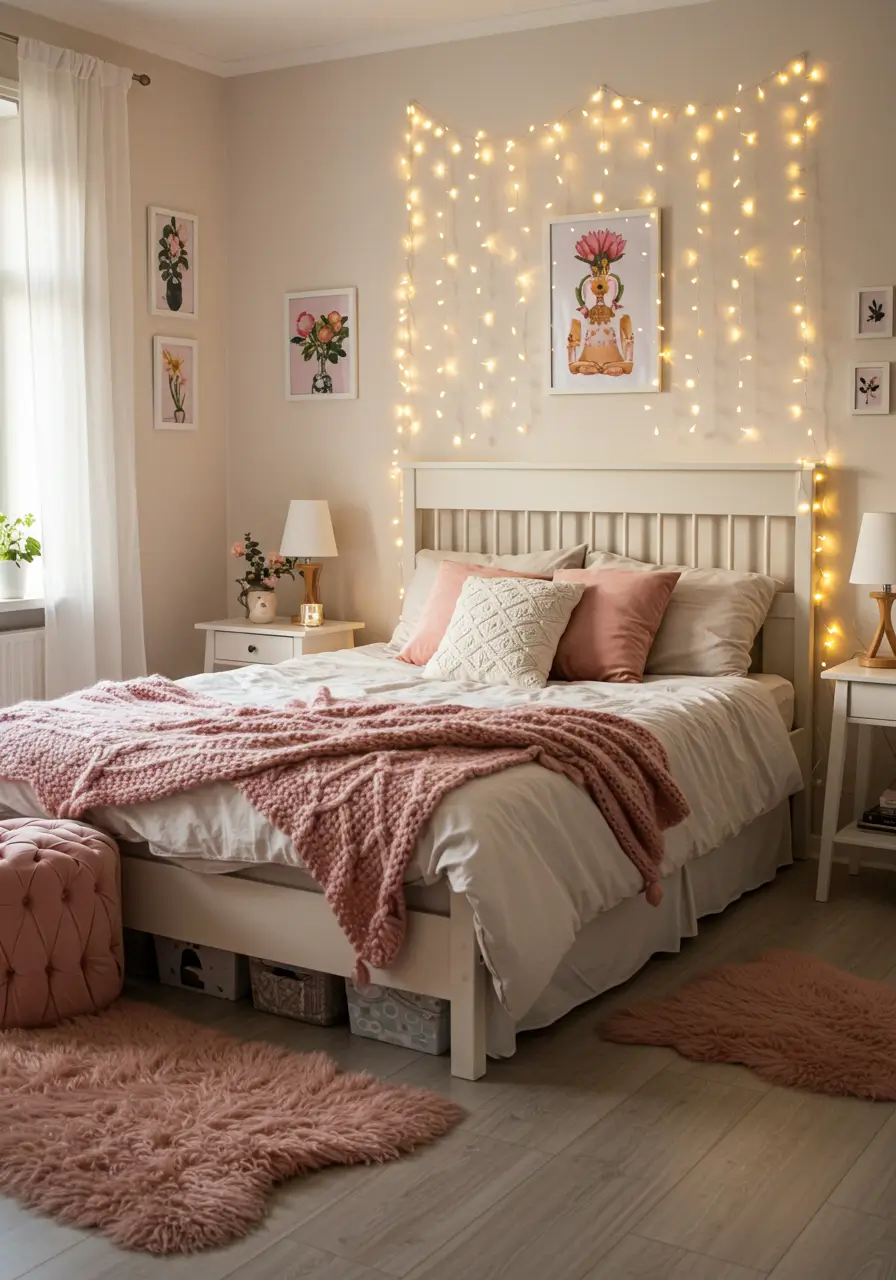
Fairy lights bring a gentle, playful glow to a bedroom, especially when the main ceiling fixture feels too harsh. Use one strand as an accent rather than covering every wall. You might trace the edge of a headboard, outline a reading nook, or place a battery-operated strand inside a glass lantern.
Warm-white LEDs usually create a softer atmosphere than cool-white bulbs. If you want a themed detail, look for stars, flowers, or tiny globes, but keep the rest of the nearby decor simple so the lighting remains intentional.
- Use lights designed and certified for indoor use.
- Secure the cord with removable clips instead of nails or staples.
- Keep strands away from sheer fabric, bedding, and other materials that could trap heat.
- Replace damaged cords and switch decorative lights off before sleeping or leaving the room.
2. Make the Bed Look Inviting With Thoughtful Layers
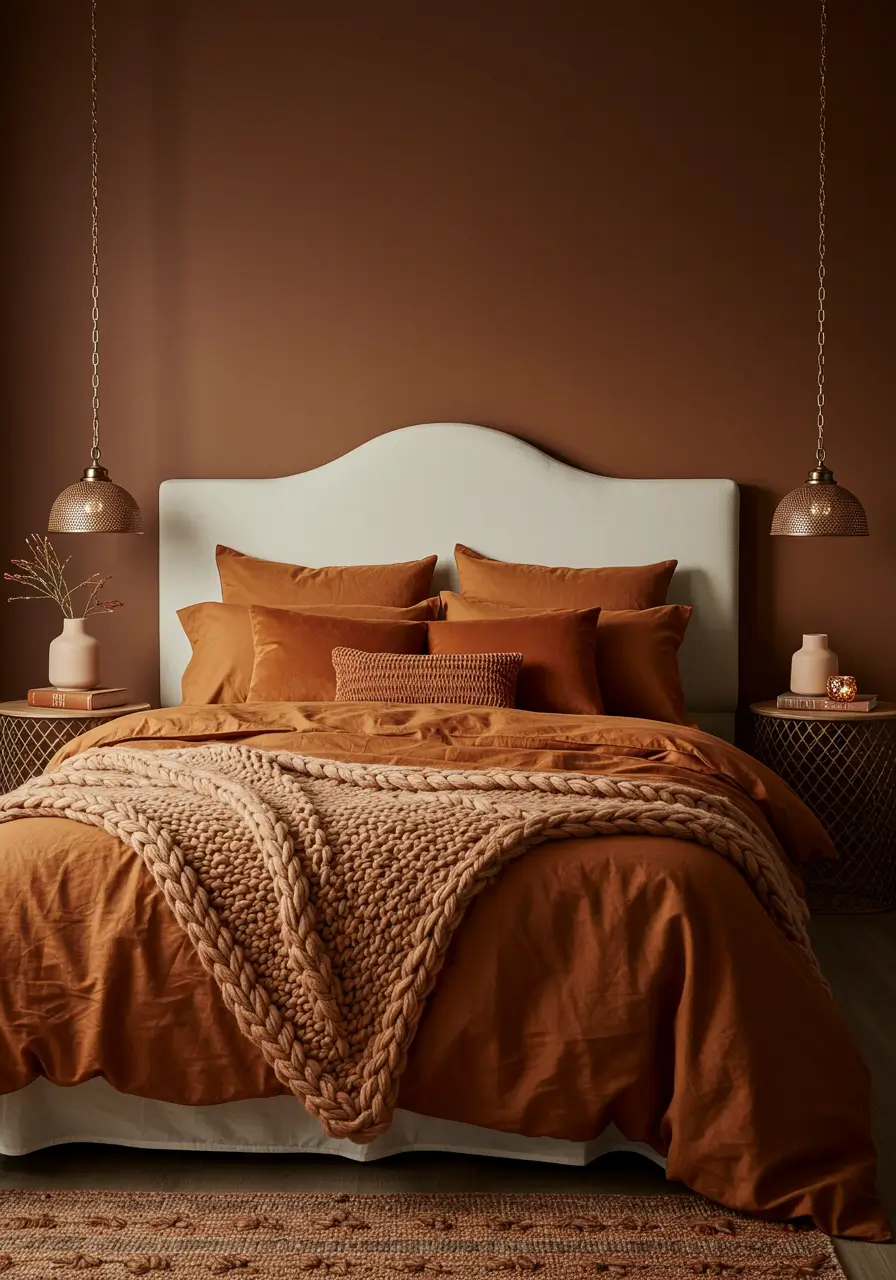
Because the bed is usually the largest object in the room, refreshing it creates the greatest visual impact. Begin with comfortable sheets and a duvet, quilt, or comforter that suits the season. If you are also replacing the mattress or frame, check this US bed sizes chart before planning the layout or buying bedding. Fold a lightweight blanket across the lower third of the bed, then add a small number of decorative pillows in different shapes or textures.
Amazon US Verified
100% Organic Washed Cotton Percale Sheets
Crisp, breathable, matte-finish weave that sleeps cool and gets softer every wash.
Layering does not have to mean piling on dozens of cushions. Two sleeping pillows, two larger shams, and one accent cushion can look polished without turning bedtime into a daily chore. Repeat one color from the curtains, rug, or wall art to connect the bed with the rest of the room. Cotton and linen feel relaxed and breathable, while velvet, chenille, boucle, or faux fur can provide a smaller dose of plush texture.
3. Build a Gallery Wall Around Your Story
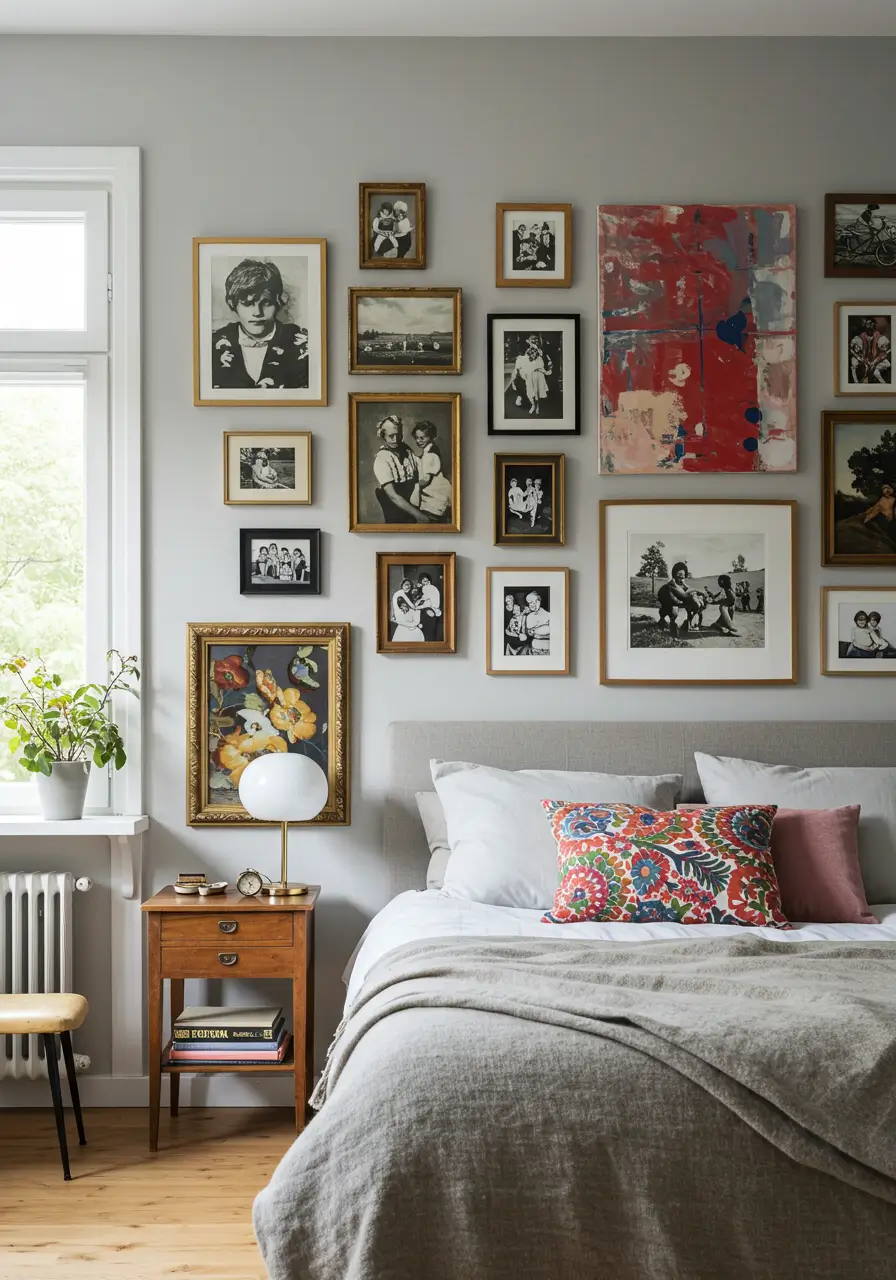
A gallery wall makes a bedroom feel collected and individual. Combine photographs, illustrations, postcards, pressed flowers, fabric swatches, or a small mirror. The pieces do not need to match, but one repeated element—such as black frames, pastel tones, botanical subjects, or similar matting—will help the display feel cohesive.
Plan the arrangement on the floor first, or cut paper templates in the size of each frame and tape them to the wall. Start with the largest piece and build around it, keeping the gaps reasonably consistent. Over a bed, use lightweight pieces and appropriate wall fixings, and position them where they cannot fall onto the sleeper. Renters can create a similar effect on a picture ledge, provided the ledge is securely installed.
4. Use Removable Decals or Wallpaper for a Focal Point
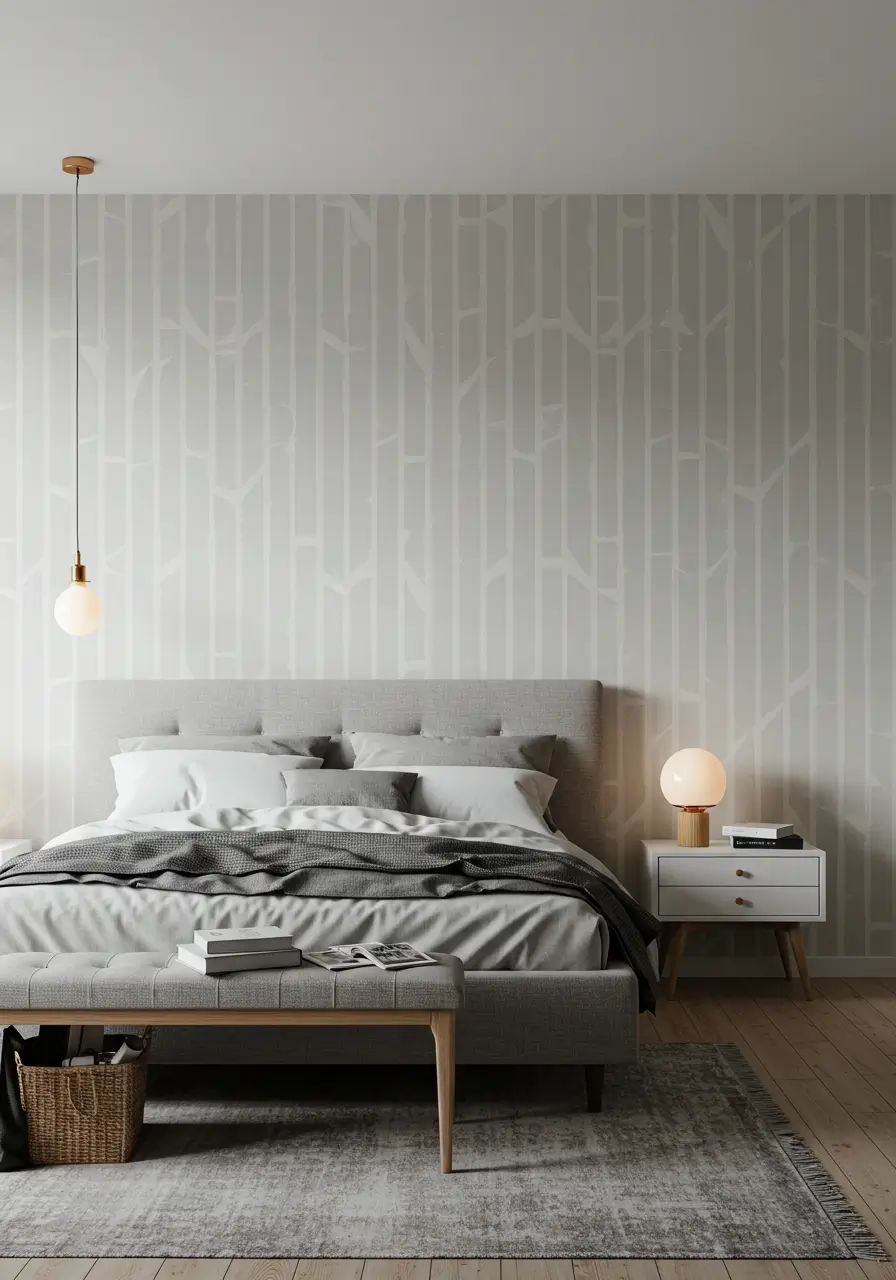
Peel-and-stick decals and removable wallpaper can add pattern without committing to four decorated walls. A delicate floral print behind the bed, scattered stars above a desk, or a simple arch painted or applied behind a nightstand can create a clear focal point.
Always test a removable product in an inconspicuous spot. Results vary with the paint finish, wall texture, humidity, and how recently the wall was painted. Measure carefully, order samples when possible, and avoid combining several competing motifs in a small room. If the wall already has bold art or colorful bedding, a restrained pattern will usually work better.
5. Add Greenery Without Treating Plants as Air Purifiers
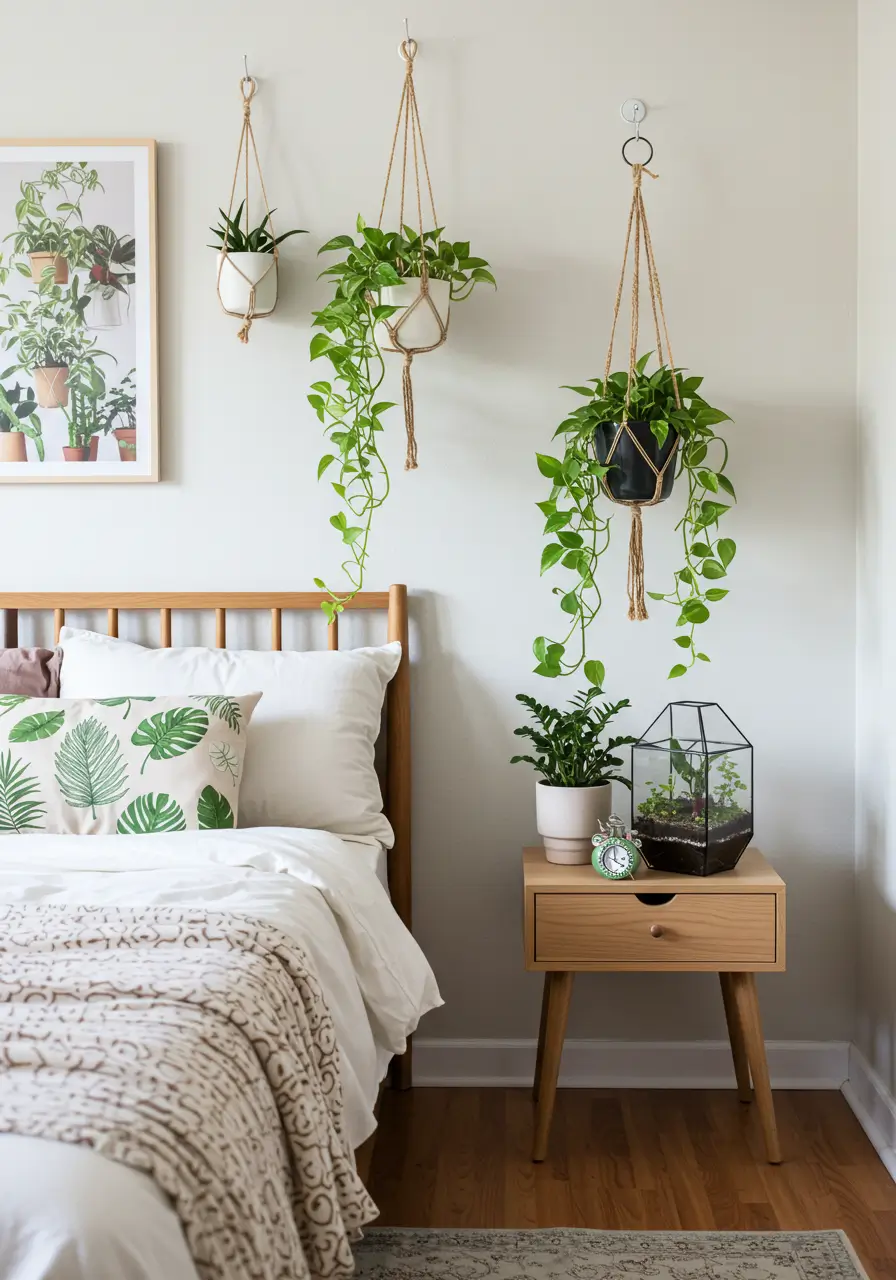
Houseplants add living color, organic shapes, and a calming visual connection to nature. Choose them for beauty and enjoyment rather than expecting a few pots to clean the room’s air. Ventilation, source control, and appropriate filtration matter far more for indoor air quality.
Match the plant to the actual light available instead of relying on a vague “low-light” label. Pothos, snake plants, ZZ plants, and spider plants can tolerate many indoor conditions, but they still need suitable light and careful watering. Use pots with drainage, protect furniture with a saucer, and let the soil condition—not a rigid calendar—guide watering.
If children or pets use the bedroom, check the toxicity of each species before bringing it home. Several popular houseplants, including pothos, snake plants, ZZ plants, and peace lilies, can be harmful if chewed. A convincing faux plant is a sensible alternative for a dark corner, an allergy-sensitive room, or a home with curious animals.
6. Turn the Headboard Into the Room’s Anchor

A headboard can establish the entire direction of a room. Upholstered shapes soften a modern space; painted wood suits cottage or vintage decor; cane brings natural texture; and a simple metal frame keeps the room visually open. In a compact bedroom, a wall-mounted headboard or a painted color block can add character without consuming floor space.
You can also refresh an existing bed by slipcovering a plain headboard, adding removable molding to a wooden panel, or painting the wall behind it. Keep the scale in proportion: a dramatic headboard can carry the room, while surrounding decor should become quieter. If curtains are part of your plan, these chic curtain color ideas can help you coordinate the window treatment with the bed.
7. Add Warmth Underfoot With the Right Rug

A rug makes the room feel softer and can visually connect the bed, nightstands, and surrounding furniture. For a generous look, place a large rug under the lower portion of the bed so it extends beyond both sides and the foot. If that size is beyond the budget, use washable runners along the sides or place a smaller rug where your feet land in the morning.
Choose the material for real life. Washable cotton or low-pile synthetic rugs are practical in busy rooms; wool is durable and warm; jute adds texture but can feel rough next to a bed; and high-pile rugs feel plush but demand more cleaning. Use a suitable nonslip pad, make sure doors clear the pile, and avoid curled edges that create a trip hazard.
8. Make Storage Part of the Decor
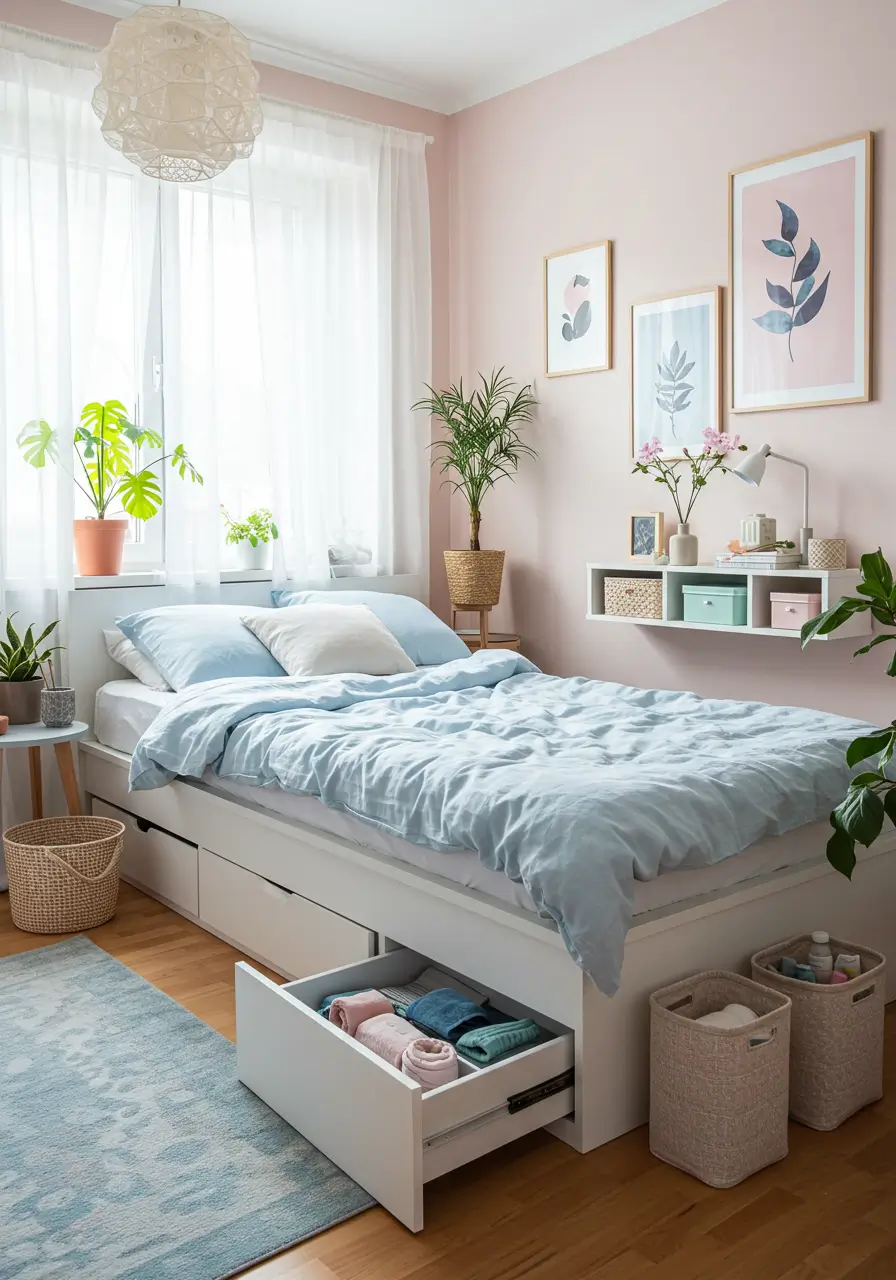
Cuteness disappears quickly beneath visible clutter, so every decorative plan needs easy storage. Begin with the items that regularly collect on the bed, chair, and nightstand. Give each category a convenient home: a tray for daily jewelry, a basket for extra blankets, a lidded box for chargers, and a hamper where clothes tend to land.
- Under the bed: Use low, labeled containers for spare linens or out-of-season clothing.
- On the wall: Add a peg rail, slim shelf, or pegboard for accessories and small supplies.
- Beside the bed: Choose a nightstand with a drawer to hide practical items.
- At the foot of the bed: Consider a storage bench only if it leaves a comfortable walkway.
Repeat the same basket material or container color two or three times. This turns practical storage into a design feature and reduces visual noise. Secure tall shelving and dressers appropriately, especially in homes with children.
9. Layer Window Treatments for Beauty and Sleep
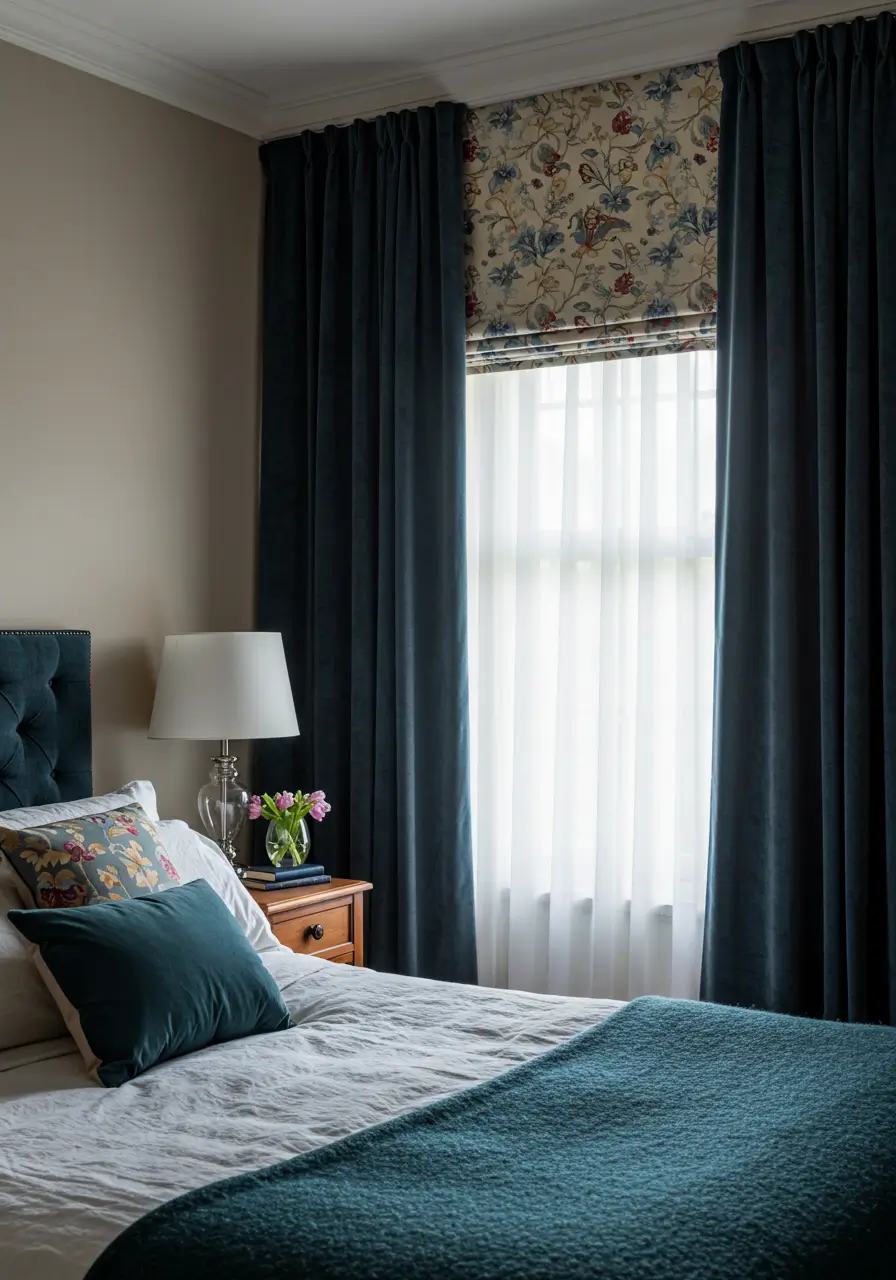
Window treatments influence privacy, morning light, temperature, and the apparent proportions of the room. Sheers diffuse daylight and add softness, but they rarely provide full nighttime privacy. Pairing them with lined curtains, a blind, or a blackout shade gives you more control.
Mounting the rod a little above the window and extending it beyond the frame can make the opening look larger and let the curtains stack away from the glass. Keep fabric from resting on heaters or blocking vents. If streetlights or an early sunrise disturb sleep, use a well-fitted blackout layer; the CDC recommends keeping the bedroom quiet, relaxing, and comfortably cool and turning off electronic devices before bedtime.
10. Design a Small Reading or Relaxation Nook
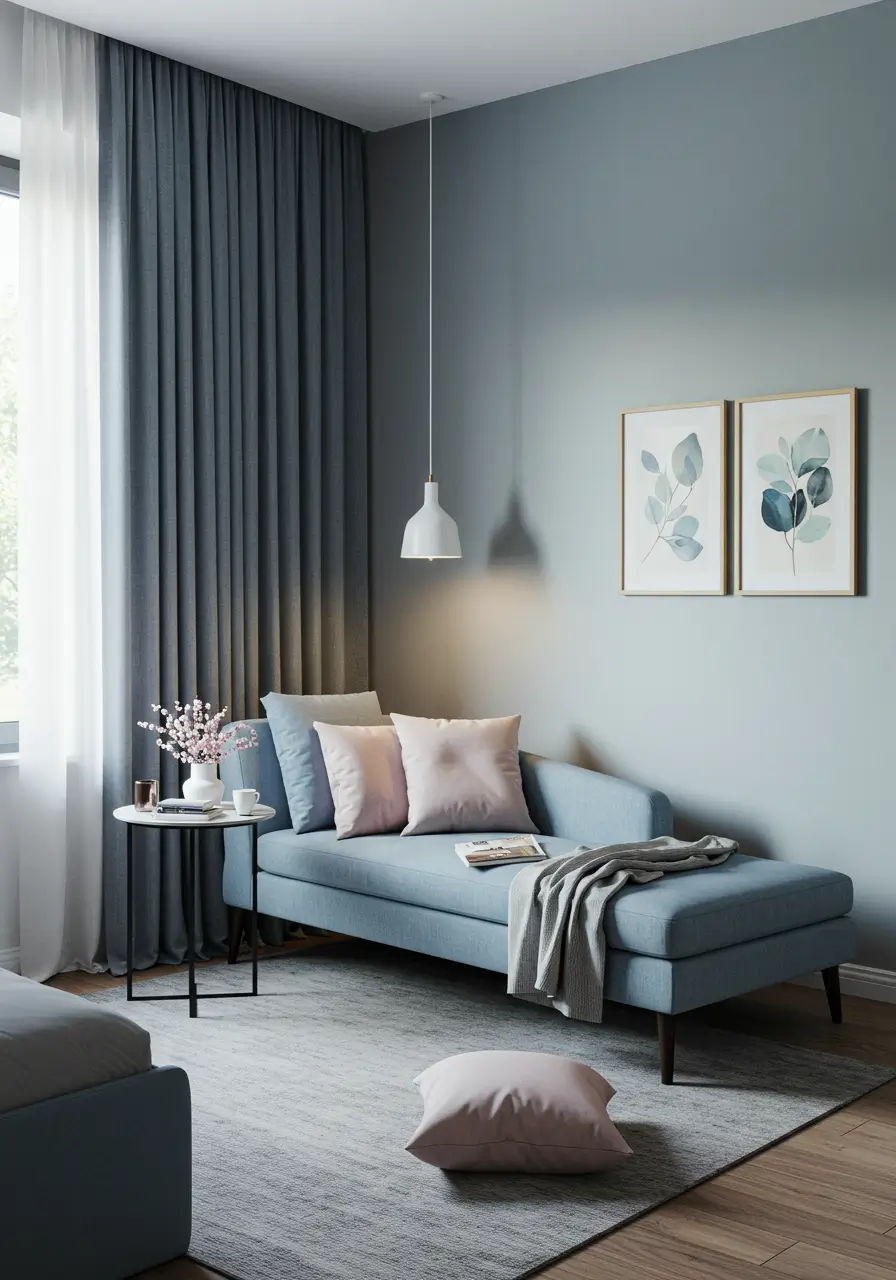
An unused corner can become a place for reading, journaling, dressing, or enjoying a quiet drink. Start with the function, then choose only what supports it. A compact chair, wall-mounted reading light, tiny side table, and basket for books may be enough. In a smaller room, a floor cushion or upholstered storage bench can serve more than one purpose.
Avoid squeezing in a nook if it blocks a closet, window, radiator, or comfortable route around the bed. The goal is to make the bedroom more useful, not merely fuller. One pillow, a washable throw, and a small framed print can visually connect the corner to the bed without adding much clutter.
Amazon US Verified
Pure Mulberry Silk Pillowcase for Hair & Skin
Hypoallergenic 22-Momme silk reducing friction, frizz, and morning facial creases.
11. Introduce One-of-a-Kind DIY Details
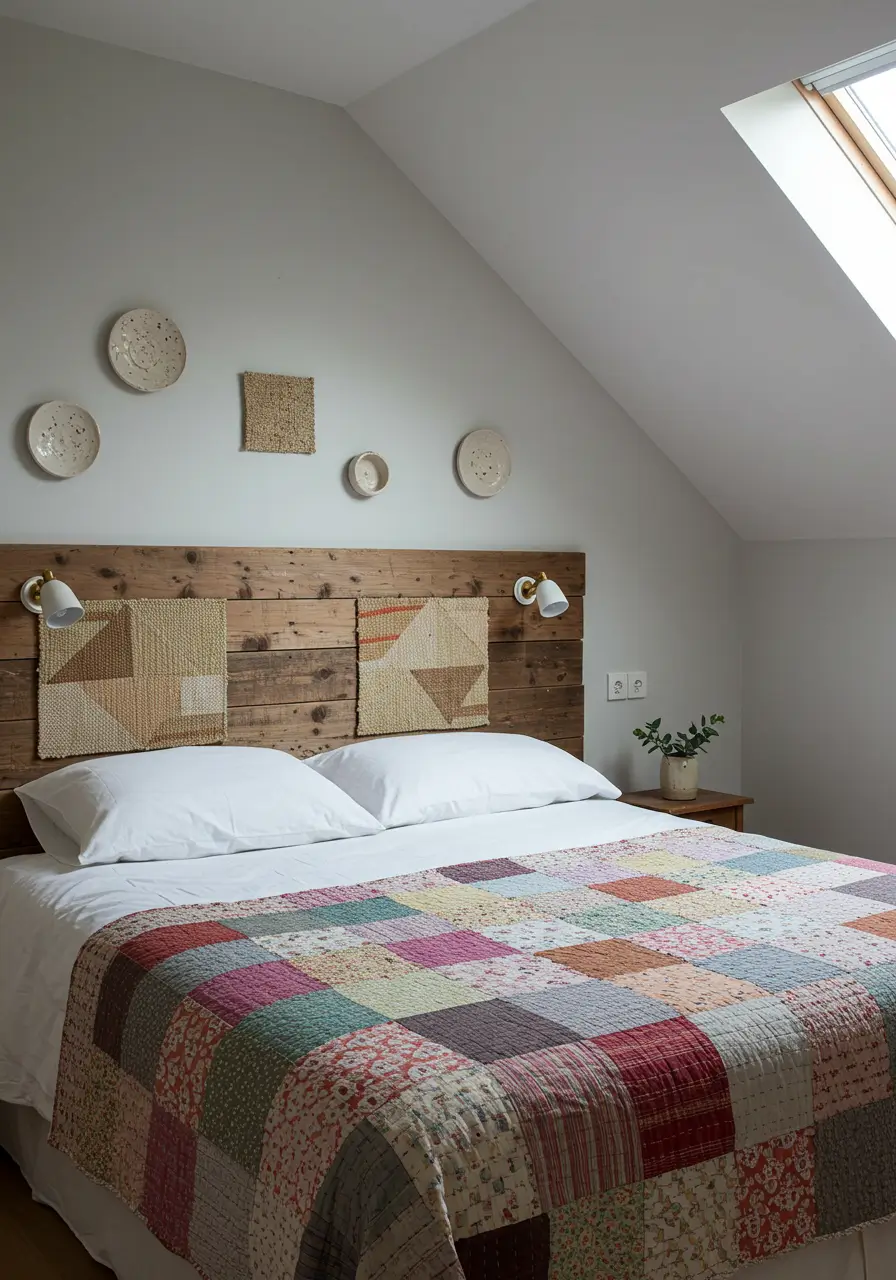
Handmade details keep a cute bedroom from looking like a copied catalog display. Paint a tired nightstand, replace plain drawer knobs, frame a favorite fabric, make a simple cushion cover, or arrange postcards in matching frames. Even a small project can become the room’s most memorable feature.
Choose one or two DIY ideas that suit your skill level and the surfaces you own. Sand and prepare furniture as required by the finish, work in a ventilated area, and follow the product instructions. Renters can focus on reversible changes such as fabric art, removable drawer liners, decorative trays, and freestanding displays.
12. Finish With Gentle Sensory Details
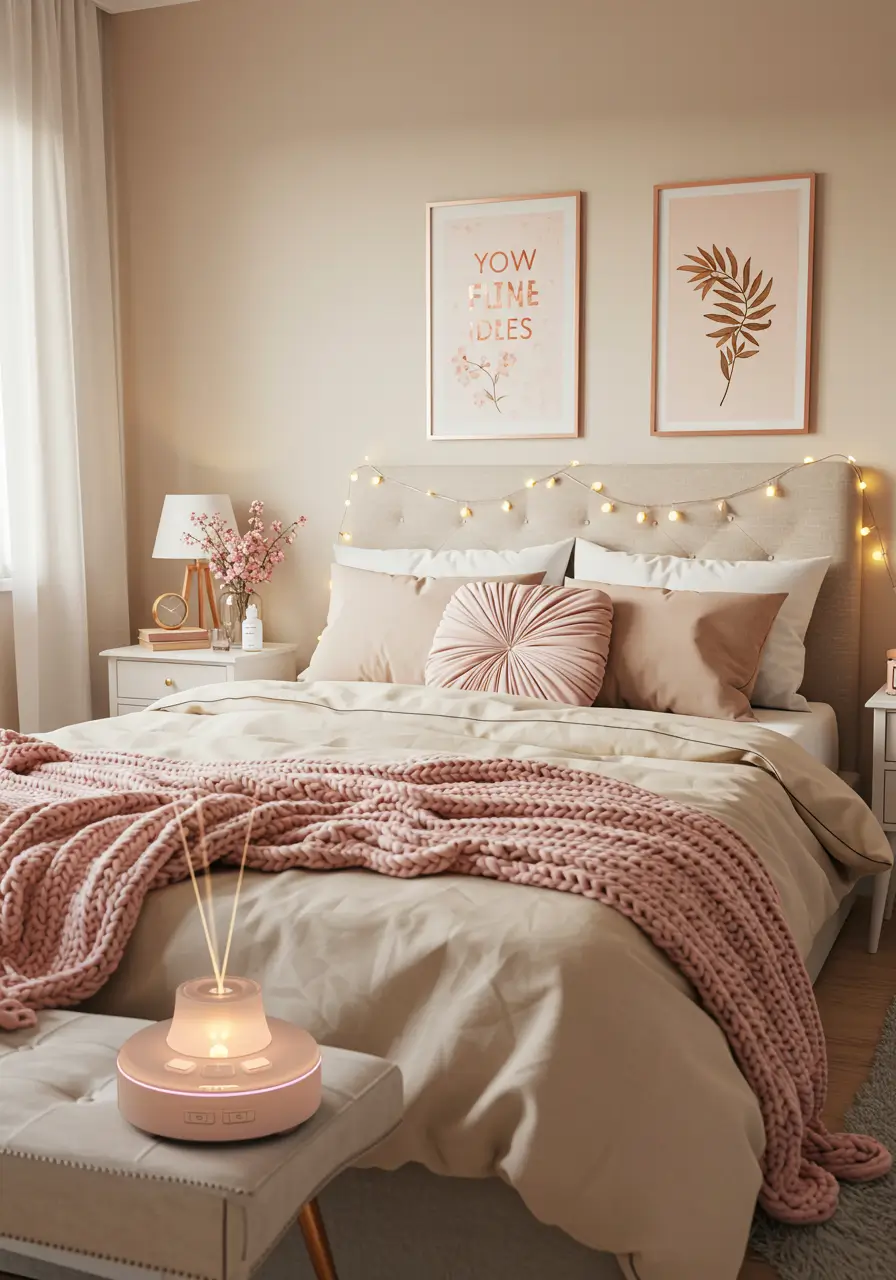
A bedroom feels complete when it appeals to more than the eye. Soft bedding, a quiet fan, a comfortable temperature, and warm, dimmable light can make the space feel settled at night. If you enjoy fragrance, use it lightly; fresh air and clean bedding often create a more restful effect than a strong room scent.
Flameless candles provide a cozy flicker without an open flame. If you use a real candle, place it on a stable, heat-resistant surface well away from curtains, paper, plants, and bedding, and extinguish it whenever you leave the room or prepare to sleep. Essential oils and diffusers also require care: follow the manufacturer’s directions, avoid prolonged or heavy use, and check whether a chosen oil is appropriate around children, pets, asthma, migraines, or other sensitivities.
How to Pull the Whole Bedroom Together
You do not need all 12 ideas. In fact, a room often looks more cohesive when you select three or four and repeat their colors or materials. Begin with the bed and lighting, solve visible clutter, and then add one personal focal point. Step back after each change and remove anything that makes the room feel crowded.
A simple formula is enough: one calm base color, one accent color, two or three textures, warm task lighting, concealed storage, and a small collection of objects that mean something to you. The result can be charming and expressive while still remaining comfortable, practical, and genuinely restful.
As an Amazon Associate, azuloz.com earns from qualifying purchases.