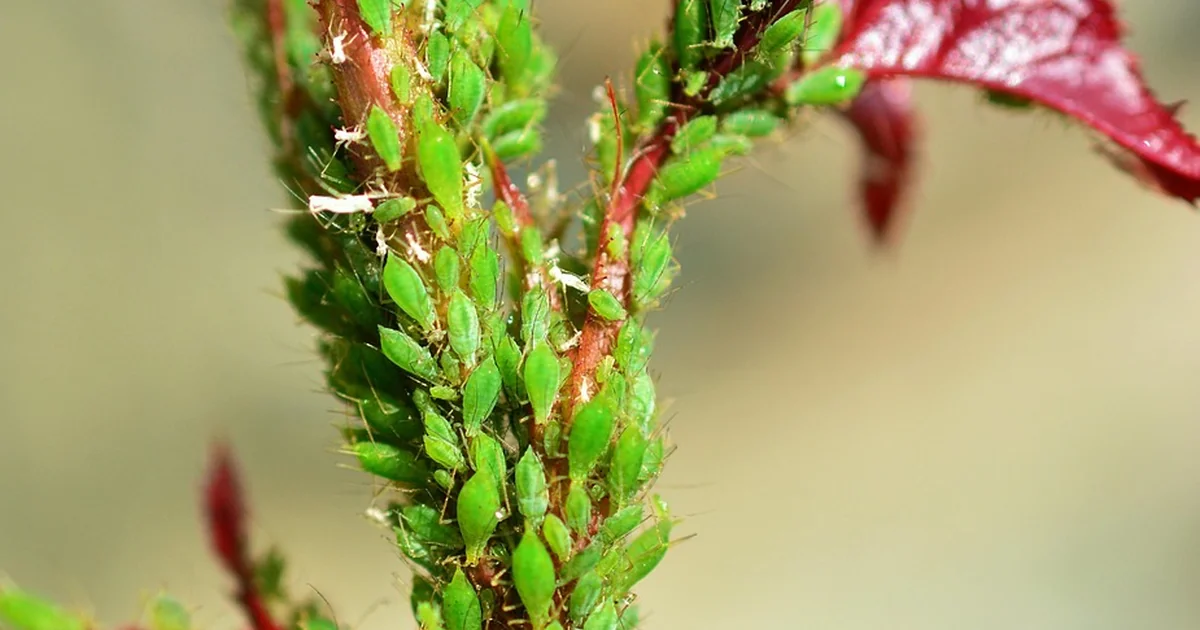
Growing your own vegetables should be a peaceful, rewarding experience—not a daily skirmish with tiny invaders. Aphids are drawn to the nitrogen in broccoli, cabbage, and peppers, and a few of them can multiply into a full-blown infestation. Instead of reaching for chemical sprays, you can rely on a handful of aphid repelling plants to protect your garden naturally. By placing these companions near vulnerable crops, you create a living shield that keeps aphids at bay from spring through fall.
To find the most effective allies for your garden, start with marigolds—an old favorite that does more than brighten the beds.
How do marigolds repel aphids?
Marigolds
Marigolds release a strong scent that masks the smell of nearby host plants aphids would otherwise flock to. According to Rafia Khan, an entomologist at Texas A&M AgriLife, this scent confusion works especially well near cabbage and roses. The flowers act like a fragrant decoy, hiding the chemical signals aphids use to locate their next meal. When you tuck low-growing marigolds around broccoli or peppers, you essentially blind the pests to the feast waiting just inches away.
Caring for marigolds is straightforward. They need consistent watering and at least six hours of direct sunlight each day. Their adaptability across USDA zones 2a through 11b makes them a practical choice for almost any summer garden. Deadheading spent blooms encourages fresh flowers, which keeps the protective scent strong for months.
Amazon US Verified
Digital 3-in-1 Soil Moisture & pH Meter
Accurate probe to test deep root zone moisture and prevent accidental overwatering.
What makes chives effective against aphids?
Chives
Like marigolds, chives lean on scent to do their defensive work—but with a sharper twist. The volatile sulfur compounds in chives act as a natural insecticide and scramble the signals aphids rely on to identify suitable hosts. Rafia Khan points out that the onion-like aroma deters aphids while also confusing their host-seeking behavior. That pungent shield makes chives an ideal interplanting partner for roses, lettuce, or carrots.
When you plant chives as an aphid repellent, choose well-draining soil or a container with good drainage. They thrive in USDA zones 3 through 9 and demand six to eight hours of direct sunlight, along with moist soil. Snip the leaves for your kitchen, and the plant will keep generating new growth—and fresh sulfurous protection—all summer.
Amazon US Verified
Organic Perlite Horticultural Soil Conditioner
Lightweight volcanic mineral that improves root aeration and prevents compaction.
How does lavender keep aphids away?
Lavender
Lavender is another scent-producing plant that keeps aphids and plenty of other insects out of your garden. Ward Dilmore, founder and Head Landscape Designer at Petrus, notes that the plant’s fragrance also pulls in ladybugs and butterflies as a bonus. The volatile oils in lavender create an invisible barrier that aphids seem programmed to avoid, especially when the plants sit near vulnerable brassicas or ornamentals.
You can grow lavender in containers and move the plants indoors when the season cools, or keep them as permanent fixtures in a sunny border. Lavender grows best in USDA zones 5 through 9, and it needs six to eight hours of daily direct sunlight along with enough water to keep the soil slightly moist. Good air circulation around the foliage helps prevent mildew, so don’t crowd the plants.
Which plant attracts beneficial insects like hoverflies?
Dill
Dill has feathery foliage and a scent that can repel aphids while attracting predatory insects like hoverflies and lacewings. Dilmore explains that luring these beneficial insects is the most natural way to keep the aphid population in check. The delicate yellow flowers become a landing pad for hoverfly adults, whose larvae then feast on aphids. At the same time, the herb’s aroma makes the area less inviting for the pests themselves.
Dill is very easy to grow in containers and performs well across zones 2 through 11. Give it at least six to eight hours of direct sunlight and keep the soil moist. If you’re companion planting, tuck dill near leafy greens or cucumbers, but leave enough room so the airy foliage doesn’t shade smaller crops. Harvest what you need for the kitchen, and let a few stalks go to flower to keep the hoverflies visiting.
Why should mint be planted in containers?
Mint
Even we humans recognize the signature punch of mint, and that’s exactly what works against aphids. The essential oils released from mint leaves confuse insects’ olfactory senses, Khan says, making it tough for them to locate host plants. Yet this plant’s enthusiastic growth habit can overwhelm a garden bed in a single season. Mint spreads aggressively through underground runners, so it should be planted in containers or controlled areas to prevent overgrowth.
Set a pot of mint near roses or cabbage-family crops, and the aromatic curtain will stay contained. Keep the soil evenly moist and position the container where it receives morning sun and afternoon shade in hotter regions. Trimming stems regularly for tea or cooking encourages bushier growth, which means more oil-laden leaves pumping out that aphid-confusing perfume all summer.
Amazon US Verified
Self-Watering Planters with Drainage Aerators
Elevated reservoir design that prevents soggy roots and ensures steady hydration.
You may also enjoy reading: 7 Simple Steps to Plant and Grow Daylily.
What unusual scent does catnip produce?
Catnip
Catnip’s rootbeer-like scent may attract your neighbor’s felines, but it will keep aphids out. The curious aroma comes from nepetalactone, an essential oil that aphids find distinctly unappealing. While a cat rolling in the patch might flatten a few stems, the plant bounces back quickly and continues emitting its repellent fragrance. Tuck catnip into a border near susceptible veggies, and the trade-off is a garden that stays largely aphid-free.
Catnip grows best in well-drained soil and full sun, though it tolerates partial shade. Because it self-seeds readily, deadheading spent flowers keeps the plant tidy and prevents it from popping up everywhere. If you’d rather not host a feline party, set the pot a little distance from high-traffic garden paths and be prepared for occasional visitors. The aphids, however, won’t bother to visit at all.
Which pungent plant is excellent for repelling aphids?
Garlic
Garlic’s aroma is excellent for repelling aphids. A border of garlic plants releases sulfurous compounds into the air that masks the scent of nearby crops, much like a blanket of odor aphids cannot pierce. Planting garlic cloves in fall gives you a head start in spring, but you can also tuck nursery starts among tomatoes, peppers, or broccoli as soon as the ground warms. The bulbs grow through summer, offering a dual harvest of both protection and flavor.
Garlic needs full sun and well-drained soil enriched with compost. Space the cloves about six inches apart so the bulbs have room to swell underground. Water consistently early in the season, then taper off as harvest time approaches. When you pull fresh garlic in late summer, you’ll have not only a kitchen staple but also the memory of a garden that stayed lush and unbothered by aphids.
Frequently Asked Questions
Can aphid repelling plants really protect my garden all summer without any sprays?
Yes, but they work as a living system rather than an instant fix. Each plant releases volatile compounds that either mask host-plant scents, repel aphids directly, or attract predators that keep aphid numbers low. The key is consistent presence—healthy, blooming plants maintain the protective effect from late spring through early fall. Pairing several different repellent species increases the coverage and closes gaps that a single plant might miss.
Which of these plants works best near roses without competing for space?
Chives and marigolds are both compact options that slot easily around rose bushes. Chives’ sulfur compounds confuse aphids without stealing root space, while marigolds’ scent hides the roses’ chemical signals. Lavender also makes a strong companion, but it needs more room and full sun. For tight beds, stick with chives or dwarf marigold varieties so the roses still receive enough airflow and nutrients.
Will attracting beneficial insects with dill and marigolds bring pests that harm other plants?
Hoverflies, lacewings, and lady beetles don’t damage plants; their larvae and adults eat aphids and other soft-bodied pests. They won’t nibble on leaves or spread disease. The only potential nuisance is that some beneficials, like lacewings, may wander indoors in fall, but that’s rare. The net effect is overwhelmingly positive, and you can encourage them further by letting dill and other herbs flower instead of harvesting every stem.
By threading these aphid repelling plants through your vegetable beds and flower borders, you build a natural defense that hums along quietly all season. The garden stays healthier, the air smells better, and you spend less time flicking pests off leaves. That’s companion planting at its simplest—beauty and protection grown side by side.
As an Amazon Associate, azuloz.com earns from qualifying purchases.