
For my dad’s recent birthday, I decided to skip the standard hand tools and gloves and get him something a little different: a cedar bat house from Amazon. Honestly, it was a massive hit. He absolutely loves watching them swoop around at dusk, but the real benefit of this gift is that bats are a natural form of pest control. If you hate dealing with summer bugs, you need to know this one simple fact: bats are absolute mosquito-eating machines. By providing a safe place for them to roost, you can completely transform your summer evenings.
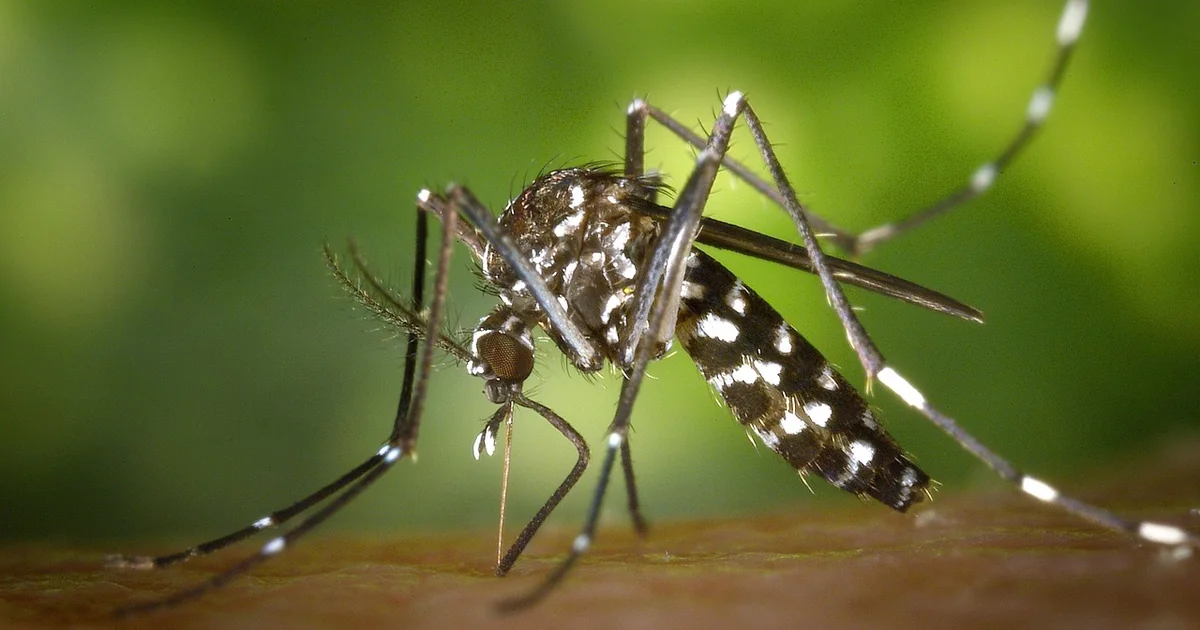
The Remarkable Power of Bat Boxes for Mosquito Control
When it’s worth noting about preparing our yards for spring and summer, pest control is always near the top of the list. But if you dislike using harsh chemical bug sprays, sticky traps, or smelly citronella candles, you need a natural alternative. Bats are nature’s ultimate pest control team. A single small bat can consume over a thousand insects in a single hour! They effortlessly clear the air of mosquitoes, moths, and gnats while you sleep. But how do you entice these nocturnal creatures to visit your property? The answer is straightforward: installing a high-quality bat box will attract them right to your yard. This WildYard 2 Chamber Bat House, a beautifully constructed cedar house with essential roosting grooves, was the perfect beginner-friendly size for attracting up to 75 bats and keeping our yard bug-free.
Why Bat Boxes are a Sustainable Solution
Unlike spraying chemicals or setting up a mosquito trap, attracting bats requires a bit of patience and thoughtful placement. When we set up my dad’s gift, we learned that bats are quite discerning about their real estate! To make your yard as inviting as possible, you should mount your bat house at least 12 to 20 feet off the ground to shield them from predators. They also appreciate warmth, so a pole or the side of a building facing east or south is ideal—avoiding shady trees and bright patio lights that could disrupt their nighttime activities. It can sometimes take an entire season for a colony to discover your new home, but once they move in, they will return year after year. It’s an incredibly rewarding, zero-effort solution to your mosquito problems—and it’s so enjoyable to watch them take flight at dusk!
Creating a Welcoming Habitat for Bats
Beyond simply mounting a bat house, fostering a broader habitat encourages bat presence. Bats require access to water for drinking and foraging, so a shallow dish of water or a birdbath can be beneficial. They also rely on a source of food, primarily insects. A thriving garden with diverse plant life will naturally attract the insects that bats feed on. Consider planting native flowering plants that attract moths and other insects, providing a readily available food source. Furthermore, maintaining a pesticide-free yard is crucial. Chemical pesticides not only harm insects but can also directly impact bats. By creating a natural environment, you significantly increase the likelihood of attracting and retaining these valuable allies.
Optimal Placement for Your Bat Box
The location of your bat house is paramount to its success. As mentioned, a height of 12 to 20 feet is generally recommended. This height offers protection from ground-based predators like cats and raccoons. Choose a location that receives at least six hours of sunlight daily, as bats are warm-blooded creatures. An east or south-facing orientation is preferable to capture morning warmth. Avoid areas with excessive wind or heavy rain. Additionally, ensure the bat house is positioned away from areas with frequent human activity to minimize disturbance. A quiet, secluded spot will encourage bats to feel safe and establish a colony.
Beyond Mosquito Control: Other Benefits of Attracting Bats
The advantages of attracting bats extend far beyond pest reduction. These nocturnal creatures are essential pollinators, playing a vital role in the reproduction of many plant species. While not as prominent as bees, bats contribute significantly to pollination, especially for certain types of flowers and fruits. They also help to control populations of other insects, including agricultural pests, reducing the need for chemical interventions. Moreover, bats are indicators of a healthy ecosystem. Their presence signifies a thriving environment with a diverse insect population. By welcoming bats to your property, you’re contributing to the overall ecological balance of your local area. The impact of bat boxes on local ecosystems is often underestimated.
The Role of Bats in Pollination
While bees often take center stage when discussing pollination, bats are remarkably important pollinators, particularly in tropical and desert regions. They are highly effective at pollinating night-blooming plants that are largely inaccessible to bees. For example, agave plants, the source of tequila, rely almost entirely on bat pollination. Bats also pollinate various fruits, including bananas, mangoes, and figs. In North America, several species of bats pollinate agave, cacti, and certain flowering trees. Their long tongues and foraging habits allow them to access nectar deep within flowers, facilitating pollination as they feed.
Maintaining Your Bat Box for Bat Health
Proper maintenance is essential for ensuring the health and well-being of the bats residing in your bat box. It’s generally recommended to inspect the bat house annually, ideally in late summer or early fall after the bats have finished their breeding season. Check for any signs of damage, such as loose panels or cracks, and make necessary repairs. Remove any old nesting material, such as guano (bat droppings), as this can harbor parasites and bacteria. Guano is actually a valuable fertilizer, rich in nitrogen and phosphorus, and can be safely used in your garden. Simply dilute it with water before applying it to plants. Regular cleaning helps maintain a healthy environment for the bats and prevents the spread of disease. It’s an incredibly rewarding, zero-effort solution to your mosquito problems—and it’s so much fun to watch them take flight right at dusk!
Safe and Effective Cleaning Practices
When cleaning a bat box, it’s important to follow safe practices to avoid disturbing the bats. The best time to clean is after the bats have left for the season, typically in late summer or early fall. Wear gloves and a mask to protect yourself from potential allergens and bacteria. Use a stiff brush and a garden hose to remove guano and debris. Avoid using harsh chemicals or disinfectants, as these can be harmful to the bats. Allow the bat house to dry completely before reattaching it to its location. Regular cleaning not only improves the health of the bat colony but also helps to prevent the buildup of harmful substances.
Addressing Common Concerns and Questions
Many people have questions or concerns about attracting bats to their property. Let’s address some common ones. If you live in a densely populated urban area, you might wonder if you have enough space for a bat box. The good news is that bats can thrive in urban environments, often utilizing existing structures like buildings and bridges for roosting. A bat box can provide a safe and dedicated roosting space, even in a small yard. For those concerned about attracting unwanted pests, remember that bats primarily feed on insects, including mosquitoes, moths, and beetles. They are not typically interested in human food or garbage. If you’re worried about bats roosting in your home, ensure the bat box is placed a sufficient distance from windows and doors. To determine the best location for a bat box, consider the direction of sunlight, wind patterns, and proximity to water sources. A spot that receives morning sun and is sheltered from strong winds is ideal. Finally, if you’re interested in attracting a specific species of bat, research their habitat preferences and choose a bat box design that suits their needs. Unlike aggressive yellowjackets, solitary mason bees are gentle, non-stinging super-pollinators that will dramatically increase the yield of your flower beds and vegetable gardens. This gorgeous bamboo house provides the perfect tiny tubes for them to safely lay their eggs, ensuring your garden is constantly buzzing with life.
You may also enjoy reading: Surprising Secrets to Grow Plump, Pungent Chives Every Time.
Can I Attract Bats to a Small Yard?
Absolutely! While a larger property offers more space, bats can successfully utilize bat boxes in smaller yards. The key is to choose an appropriate location that meets their basic needs: a safe, sheltered roosting spot, access to sunlight, and proximity to a water source and insect-rich environment. Mounting the bat box on a pole or the side of a building rather than a tree can be beneficial in smaller yards. This minimizes competition with squirrels and other wildlife. Even a small patch of native plants can provide a valuable food source for bats. The benefits of attracting even a small colony of bats can be significant in terms of mosquito control and overall ecosystem health.
How Do I Choose the Best Location for a Bat Box?
Selecting the right location is crucial for attracting bats. Prioritize a spot that receives at least six hours of direct sunlight each day, particularly in the morning. This helps to warm the bat house and create a comfortable roosting environment. Choose a location that is at least 12 to 20 feet above the ground to provide protection from predators. Avoid areas with excessive wind or heavy rain. A quiet, secluded spot away from bright lights and human activity is ideal. Consider the direction the bat box faces; an east or south-facing orientation is generally preferred. Ensure there are no overhanging branches that could provide access to predators. Finally, position the bat box near a water source, such as a pond or stream, or provide a shallow dish of water nearby. These factors significantly influence a bat’s decision to colonize a bat house.
Beyond Bat Boxes: Creating a Wildlife-Friendly Garden
Attracting bats is just one aspect of creating a thriving backyard ecosystem. Consider adding other features that will benefit wildlife, such as a bird bath, a butterfly garden, or a brush pile for small mammals. Planting native trees and shrubs provides food and shelter for a variety of creatures. Avoiding the use of pesticides and herbicides creates a healthier environment for all wildlife. By creating a diverse and welcoming habitat, you can transform your yard into a haven for biodiversity. Wildlife habitat creation for backyard ecosystems is a rewarding endeavor that benefits both you and the natural world. The more you integrate diverse elements into your garden, the more wildlife you’ll attract, each playing a role in a balanced and resilient ecosystem.
Attracting Pollinators with a Pollinator Garden
Complementing your bat box with a pollinator garden is an excellent strategy for enhancing your backyard ecosystem. Pollinators, such as bees, butterflies, and hummingbirds, play a crucial role in plant reproduction and are essential for a healthy garden. Plant a variety of flowering plants that bloom throughout the growing season, providing a continuous source of nectar and pollen. Choose native plants whenever possible, as they are best adapted to the local climate and support native pollinator populations. Avoid using pesticides, as these can harm pollinators. A diverse pollinator garden not only attracts beneficial insects but also adds beauty and vibrancy to your landscape.
Resources for Further Information
To delve deeper into the world of bats and bat box construction and care, several excellent resources are available. The Bat Conservation International website (batcon.org) offers comprehensive information on bat biology, conservation, and bat box design. Your local wildlife rehabilitation center can provide guidance on bat-related issues. Numerous books and articles offer detailed information on attracting bats and creating wildlife-friendly gardens. By continuing to learn and implement sustainable practices, you can contribute to the conservation of these fascinating and ecologically important creatures. You can also sign up for our newsletter today and receive a free e-book: “How to Grow Delicious Tomatoes”.
Where to Find More Information
Bat Conservation International: batcon.org
Your Local Wildlife Rehabilitation Center
Local Libraries and Gardening Centers