Attract These Tiny Darlings with These Delicious Recipes
The vibrant hum of a hummingbird flitting through your garden is a delightful sign of a thriving ecosystem. These tiny, energetic creatures are drawn to the sweet nectar offered by flowers, but a simple homemade solution can entice them to visit your yard even more readily. While hummingbirds also consume insects, pollen, and the nectar from blossoms, a carefully prepared sugar water mixture provides a crucial and easily accessible energy source. Understanding how to make the best hummingbird nectar recipes is key to supporting these fascinating birds.
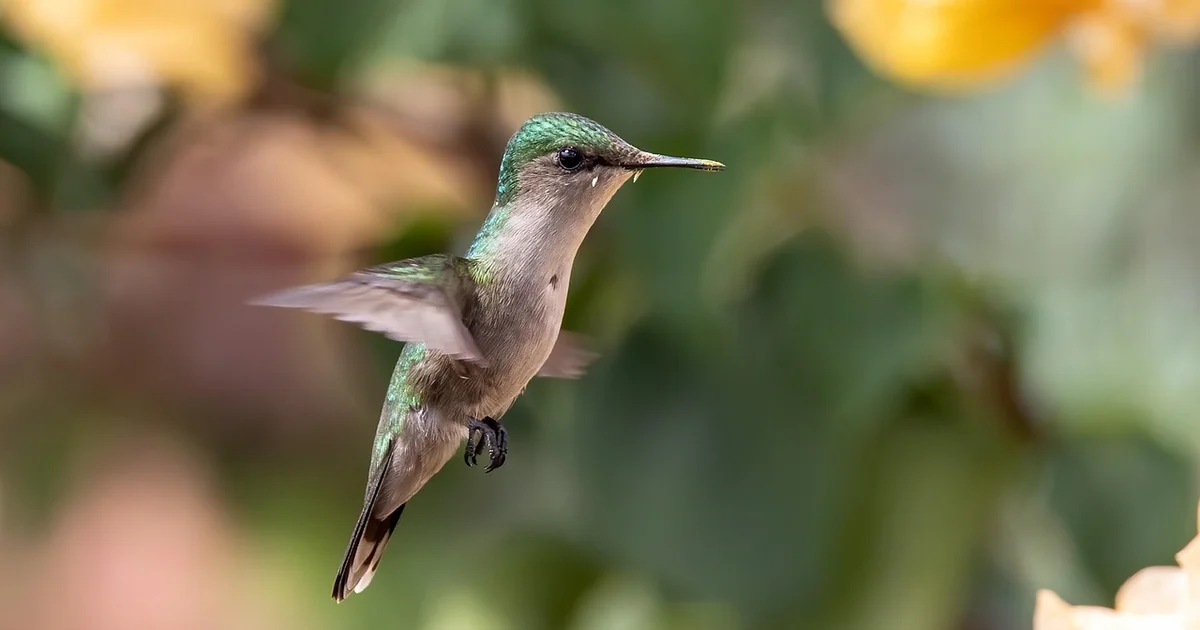
Maintaining a healthy and reliable food source is essential for hummingbirds, especially during migration and breeding seasons. A well-made nectar not only provides energy but also mimics the natural sugar content found in tubular flowers, making it easily digestible for these specialized birds. However, creating the perfect nectar involves more than just mixing sugar and water. There are specific ratios and techniques to ensure the solution is both nutritious and safe for your feathered visitors. This guide will walk you through several hummingbird nectar recipes, along with essential tips for making and maintaining a feeder that hummingbirds will adore.
The Classic 1:4 Hummingbird Nectar Recipe
The most common and recommended hummingbird nectar recipes utilize a simple 1:4 ratio of granulated table sugar to water. This means for every cup of sugar, you’ll need four cups of water. This ratio closely mirrors the natural sugar concentration found in many of the flowers hummingbirds prefer, providing them with the energy they need to sustain their high metabolism. It’s a straightforward recipe that yields a sweet and readily available treat for these agile birds.
To create this classic nectar, begin by combining one cup of plain white granulated table sugar and four cups of water in a saucepan or pot. Heat the mixture over medium heat, stirring constantly until the sugar is completely dissolved. Avoid bringing the mixture to a boil, as this can alter its composition. Once the sugar is dissolved, remove the saucepan from the heat and let the solution cool completely. It’s crucial to allow the nectar to cool before filling your feeder. Hot nectar can warp or crack glass or plastic feeders, leading to leaks. Furthermore, warm nectar is more prone to fermentation once contaminated.
Adjusting the Recipe for Cooler Weather
During colder months, hummingbirds have a higher energy demand to maintain their body temperature. In these instances, slightly adjusting your hummingbird nectar recipes can be beneficial. A 1:3 ratio – using one cup of sugar to three cups of water – provides a more concentrated source of energy. This helps the birds fuel their activities in cooler temperatures. Remember, the core principle remains the same: mimicking the natural sugar levels in flowers.
The Importance of Using Plain White Granulated Sugar
While tempting to experiment with alternative sweeteners, it’s crucial to stick to plain white granulated table sugar for your hummingbird nectar recipes. This type of sugar is easily digestible for hummingbirds and provides the necessary energy. Sugar substitutes, honey, brown sugar, and molasses should be avoided. Sugar substitutes offer no nutritional value to birds and can even be harmful. Honey and brown sugar are too heavy and can ferment rapidly, potentially causing digestive issues or even fatal mold growth within the feeder.
Water Quality Matters: Tap vs. Bottled
The quality of the water you use in your hummingbird nectar recipes is also important. While tap water can be used, consider using bottled or purified water if your tap water contains heavy chemicals, strong tastes, or odors. Chlorine and other additives in tap water can be detrimental to hummingbirds’ health. Using filtered water ensures a cleaner and safer nectar for your feathered friends.
Maintaining a Clean Feeder: A Crucial Step
Regular cleaning is paramount to preventing the growth of harmful mold and bacteria in your hummingbird nectar recipes. Dirty feeders can quickly become breeding grounds for microorganisms that can make hummingbirds ill. Empty and clean your hummingbird feeders at least once a week, and more frequently in warm weather or when multiple birds are feeding. A simple cleaning routine involves disassembling the feeder, washing all parts with hot, soapy water, and rinsing thoroughly. You can also use a bottle brush to reach all crevices.
How to Store Unused Hummingbird Nectar
If you find yourself with leftover hummingbird nectar recipes, you can store the unused portion in the refrigerator for up to one week. This allows you to prepare a larger batch and have a readily available supply for your visiting birds. However, it’s always best to make fresh nectar regularly to ensure optimal quality and minimize the risk of fermentation.
Placement is Key: Where to Put Your Feeder
The location of your hummingbird feeder can significantly impact its success. If you have a hummingbird garden with plants they love visiting, this is an ideal spot to place your feeder. This creates a welcoming environment and encourages birds to frequent the area. To ensure the safety of the hummingbirds, position your feeder at least 10 to 15 feet away from trees and shrubs where predators, such as cats and hawks, may hide. This provides the birds with a safer feeding zone.
You may also enjoy reading: 7 Reasons Bigger Plants Are a Better Investment.
Preventing Fermentation: A Common Challenge
One of the most common challenges with hummingbird nectar recipes is preventing fermentation, especially during warmer weather. When the sugar water solution is exposed to air, yeast and mold can grow, creating an unhealthy and potentially fatal environment for hummingbirds. Boiling the sugar water initially helps to slow down this process, but it’s not always necessary once the sugar has fully dissolved. Using a 1:4 ratio also helps to create a less hospitable environment for microbial growth. Ensuring your feeder is clean and refilled regularly with fresh nectar is also crucial in preventing fermentation.
Should I Watch the Ratios? A Quick Check
It’s a good practice to double-check the ratios in your hummingbird nectar recipes. After boiling the sugar water, ensure there’s still enough water in the pot to maintain the correct sugar concentration. This ensures you’re providing the birds with a nutritious and balanced meal. If you’re unsure, you can use a hydrometer to measure the sugar concentration of the nectar.
Beyond the Basics: Additional Tips for Hummingbird Feeding
Consider placing aluminum foil around your hummingbird feeder. This simple trick reflects the sun’s harsh rays, helping to keep the nectar cooler and further slowing down the fermentation process. You can also use a feeder with a tight-fitting cap to minimize air exposure. If you notice a significant buildup of mold or a foul odor, discard the nectar and thoroughly clean the feeder.
Want more gardening tips? Sign up for our free gardening newsletter for our best-growing tips, troubleshooting hacks, and more!
Buying hummingbird nectar can be a convenient option, especially if you have limited time. You can find powdered or liquid concentrates at most garden centers and pet stores. However, it’s always a good idea to check the ingredients to ensure they are pure and do not contain any unnecessary additives. Always follow the manufacturer’s instructions for mixing and use.
By following these guidelines and understanding the nuances of creating the perfect hummingbird nectar recipes, you can create a welcoming and healthy feeding environment for these beautiful birds. A little effort in preparing and maintaining your feeder will be richly rewarded with the joy of observing hummingbirds thriving in your garden.