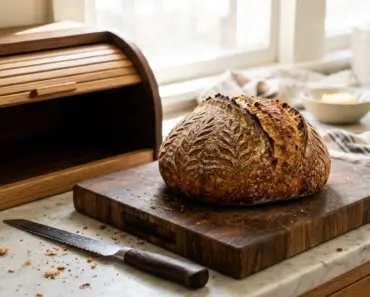
When bats swoop through your yard at dusk, it may startle you, but that nightly patrol is a powerful sign of a healthy garden. In fact, seeing bat activity is not a cause for concern—it is a reason to feel relieved. As Bobby Fokidis explains, your initial instinct should be relief, not worry, whenever bats benefit garden plants. These nocturnal garden helpers offer natural pest control, reduce the need for harsh chemicals, and improve your soil over time. Understanding their role in the garden ecosystem turns a moment of surprise into a welcome confirmation that your outdoor space is thriving.
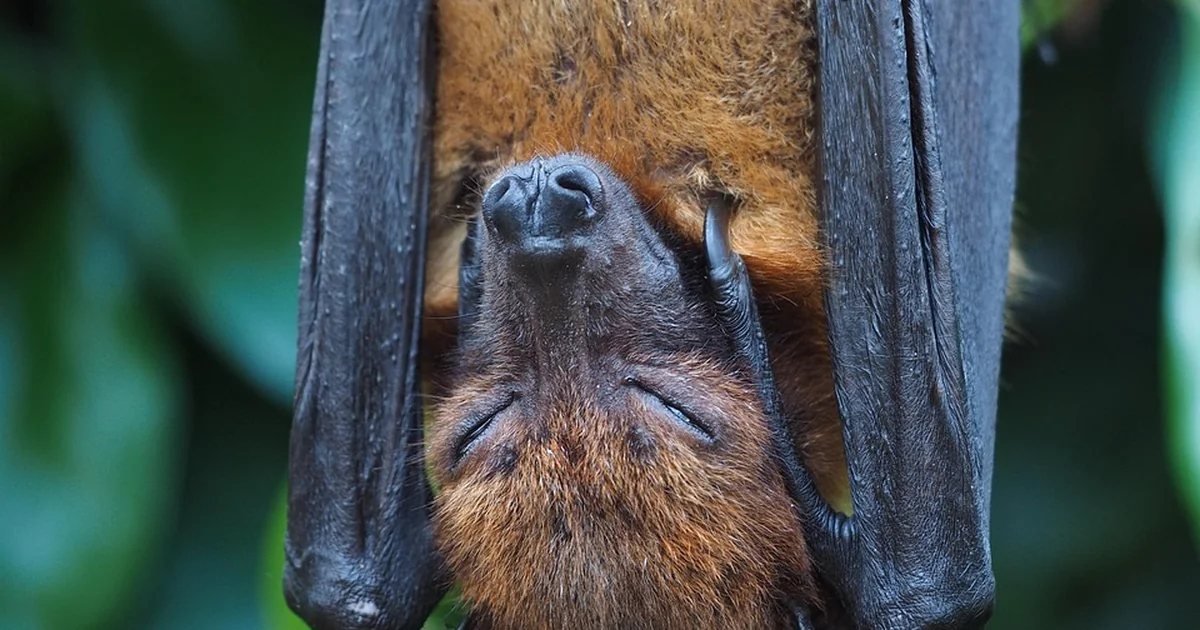
1. Bats Are Voracious Natural Pest Controllers
A single bat can eat thousands of insects in one night, and that appetite makes a huge difference for your garden. Moths, beetles, and mosquitoes are among the pests bats target most. Moths in their caterpillar stage can devour leaves and damage vegetables, while beetles often feast on roots, flowers, and fruit. Mosquitoes, though more of a nuisance to you than to plants, still contribute to an unbalanced ecosystem when present in large numbers. By keeping these populations in check, bats help your garden stay healthy without you needing to reach for sprays or traps.
Amazon US Verified
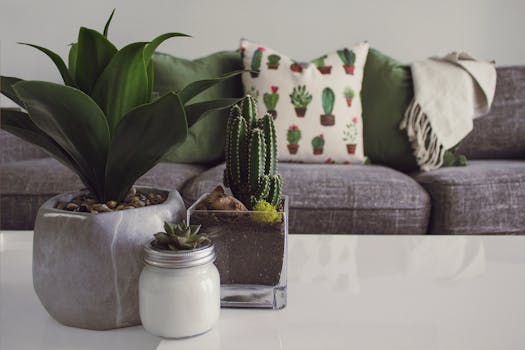
Self-Watering Planters with Drainage Aerators
Elevated reservoir design that prevents soggy roots and ensures steady hydration.
When pests are reduced, your plants can focus their energy on growth and producing flowers or fruit. Less damage means stronger stems, more vibrant foliage, and better yields. Tammy Sons calls bats invaluable allies in pest control, and the reason is clear: a yard with bats is a yard where natural balance is working in your favor. That simple fact shows exactly how bats benefit garden health. So next time you see them swooping at dusk, know they are hard at work protecting your plants from hungry visitors.
2. Bat Guano Enriches Soil with Essential Nutrients
Beyond their pest control work, bats offer another gift to your yard that directly feeds your plants. As you watch them hunt, you might not think about what they leave behind, but bat droppings contain beneficial soil nutrients including nitrogen, phosphorus, and potassium. These three elements are the foundation of healthy plant growth: nitrogen fuels leafy green growth, phosphorus supports strong roots and flowers, and potassium helps overall plant vigor. For gardeners looking for a natural garden fertilizer, bat guano acts as a powerful organic fertilizer that slowly releases these nutrients into the soil, improving its structure over time.
Amazon US Verified
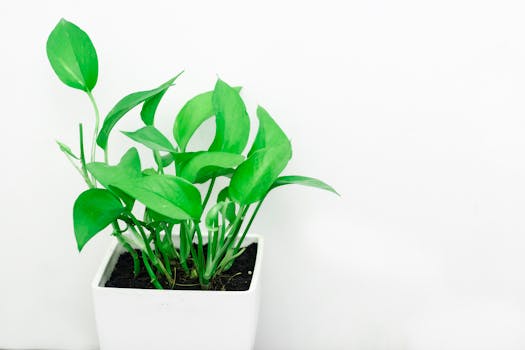
Organic Perlite Horticultural Soil Conditioner
Lightweight volcanic mineral that improves root aeration and prevents compaction.
However, a practical note of caution is important. While wild bats contribute guano naturally across your yard, you should not collect large amounts from an attic or roost. Guano may contain harmful bacteria, so Carper warns against collecting it from attics for fertilizer. The droppings that fall naturally in your garden are spread thinly and break down safely, but concentrated accumulations in enclosed spaces can pose health risks. For most homeowners, simply letting bats do their work means you get the soil amendment benefits without any extra effort. Your garden receives a low-maintenance nutrient boost that complements your regular composting or fertilizing routine. This is another reason why bats benefit garden health so naturally.
3. Bats Pollinate Your Garden Plants (Yes, They Do!)
Society has long stereotyped bats as being unsettling creatures, but these flying mammals are actually vital to your garden’s success. Beyond controlling pests and fertilizing with guano, many bat species are stellar pollinators. While bees and butterflies work the daytime shift, bats take over at dusk to visit night-blooming flowers and fruit trees. Consider that bats pollinate over 500 species of plants globally, including favorites like agave, saguaro cactus, mango, banana, and guava. In a home garden, planting night-blooming flowers such as moonflower, evening primrose, or jasmine can attract bats and boost your fruit tree pollination. Bat pollination works differently than bee pollination: bats are nocturnal pollinators that feed on nectar using long tongues, and as they thrust their heads into blooms, pollen sticks to their fur and is carried to the next flower. This unique process helps plants set fruit that might otherwise rely on scarce night-flying insects. So if you see bats zipping around your yard after dark, know they are helping your garden’s produce grow—another reason why bats benefit garden health so naturally.
4. Attracting Bats Creates a Natural Balanced Garden
By inviting bats into your yard, you reduce the need for chemical pesticides and encourage a self-regulating ecosystem. Instead of spraying synthetic chemicals that can harm beneficial insects and soil health, you let bats do the work for you. They feast on moths, beetles, and other pests that damage your plants, providing biological pest control that is both effective and safe for your family. Sustainable gardening becomes simpler when you welcome these natural predators. Carper notes that seeing bats circling is a “yellow flag” and suggests you ask where they come from; their presence tells you that a healthy food source exists nearby. Carper also states that bats stay near their roost and do not travel 30 to 40 miles during feeding, meaning they are patrolling your immediate area every night.
How do bats compare with other beneficial wildlife? Birds and bees are wonderful for daytime pollination and pest control, but they rest at night. Bats fill that gap, working the evening shift to keep your garden in balance. A wildlife-friendly garden includes all three—bats, birds, and bees—creating layers of natural protection. By reducing chemical use, you also protect the sensitive insects that bats eat, creating a cycle that strengthens your garden’s resilience. This is one of the clearest examples of how bats benefit garden health without extra effort on your part. Simply put, when you make your yard inviting for bats, you are choosing a low-maintenance, budget-friendly strategy that works with nature rather than against it.
5. How to Welcome Bats Safely to Your Yard
Installing a bat box and planting native species can attract bats while keeping them out of your home, making your bats benefit garden strategy both practical and safe. For bat box installation, mount the box 12 to 20 feet high on a pole or tree, facing south or southeast to capture the warm sun. Place it away from bright lights and predators like cats or raccoons, and ensure the area has clear flight paths. Bat house placement near a water source or open field increases success rates, so check local guidelines for bat conservation before installing.
Best Native Plants to Attract Bats include evening primrose and moonflower, which bloom at dusk and release strong scents that draw night-flying insects. These native plants for bats provide natural food sources, helping you avoid chemical pest control. Remember, bat conservation is vital—many species are legally protected, so never remove them without consulting a professional. Benji Carper, owner of Benji’s Bats Begone, offers bat mitigation services if you need ethical removal. By welcoming bats with a simple, budget-friendly setup, you support local ecosystems while keeping your home and family safe. This low-maintenance approach lets you enjoy the bats benefit garden effect without extra effort on your part.
Frequently Asked Questions
How exactly do bats help my plants grow?
Bats benefit garden plants by acting as natural pest controllers, eating thousands of insects each night—including moths, beetles, and mosquitoes that can damage leaves and stems. This reduces the need for chemical pesticides, allowing your plants to grow stronger and more resilient. In addition, some bat species pollinate night-blooming flowers, helping produce fruits like bananas and mangoes if you live in a suitable climate.
Is bat guano safe to use as fertilizer in my vegetable garden?
Bat guano is a rich, natural fertilizer, but it must be composted or aged before applying to edible plants. Fresh guano can contain pathogens that may be harmful, so always buy properly processed, sterilized guano from a reputable source. For a safe, budget-friendly approach, use it sparingly as a soil amendment and wash all vegetables thoroughly before eating.
Should I be worried if I see bats circling my garden at night?
No, seeing bats flying around your yard at night is a positive sign that they are hunting insects and supporting your garden’s health. Bats are generally shy and avoid humans, so they pose little risk to you or your family. To stay worry-free, ensure your attic and garage are sealed to prevent roosting, and never handle a bat directly.
As an Amazon Associate, azuloz.com earns from qualifying purchases.