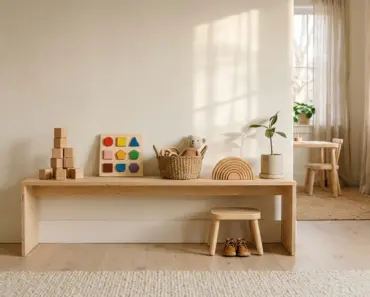
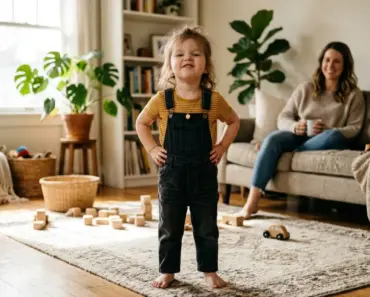
Finding playthings that capture a three-year-old’s imagination while also supporting their growth can feel like a tall order. This age is a whirlwind of curiosity, energy, and rapid skill development. The best toys for this stage strike a balance between pure fun and subtle learning opportunities. Below are 29 carefully chosen options that encourage creativity, motor skills, problem-solving, and independent play, making the search for the perfect gift or activity a little easier.

Educational and Memory Building Toys
Ladybug Memory Game
This educational wooden puzzle board game helps sharpen a child’s recollection skills in a playful setting. It comes with five double-sided puzzle cards, offering multiple picture-matching challenges. The ladybug pieces are sized specifically for small hands, making them easy to grasp and place. It works well as a solo activity or a cooperative game with a friend or grown-up, fostering social interaction alongside cognitive development.
Wooden Number and Letter Puzzle
Introducing early literacy and numeracy concepts can happen naturally with a sturdy wooden puzzle featuring numbers and letters. Each piece fits into a corresponding slot, helping children practice shape recognition and fine motor control. The tactile experience of lifting and placing each piece reinforces the association between the symbol and its name. It is a quiet, focused activity that builds foundational skills for preschool.
Shape Sorting Cube
A classic shape sorter remains a staple for this age because it challenges spatial reasoning. Children must rotate each block to align it with the correct opening on the cube. This action teaches trial and error, patience, and an understanding of geometry. Many versions include textured blocks or bright colors to add sensory appeal and visual interest.
Counting Bears with Cups
Small, colorful bear counters paired with matching cups offer endless possibilities for sorting, counting, and patterning. Kids can group bears by color, place them inside cups, or create simple sequences. This hands-on math tool introduces concepts like one-to-one correspondence and categorization. It also strengthens finger dexterity as children pick up and manipulate the tiny bears.
Stacking and Nesting Blocks
Stacking blocks that vary in size teach concepts of big versus small and order. Nesting them inside one another develops problem-solving skills as children figure out which block fits inside the next. These sets often feature numbers, letters, or pictures on each side, adding an extra layer of learning. The activity promotes hand-eye coordination and can be revisited in new ways each time.
Amazon US Verified
Hang-O-Matic All-in-One Picture Hanging Tool
Tape measure, sliding level, and markers in one tool for flawless gallery walls.
Active Play for Gross Motor Skills
Wiggle Car
This pedal-free car uses a simple steering mechanism to move forward, backward, and in circles. It is designed to help develop balance, coordination, and motor skills without needing batteries or pedals. Kids propel themselves by wiggling the steering wheel from side to side. It can hold adults up to 110 pounds, meaning a parent can occasionally join in the fun. The smooth, low-speed ride makes it safe for both indoor and outdoor use.
Bixe Balance Bike
Learning to ride a bike becomes less intimidating with a balance bike that has no pedals. This model features an adjustable seat, allowing it to grow with the child over several years. By pushing with their feet and coasting, children naturally develop a sense of balance and steering. It builds confidence that transitions easily to a pedal bike later on.
3-Foot Trampoline with Handlebar
Bouncing offers a fantastic outlet for energy and helps strengthen leg muscles and core stability. This three-foot trampoline includes a padded handlebar for safety and support while jumping. The handlebar folds down for compact storage when playtime ends, making it practical for homes with limited space. It encourages active play in a controlled, low-impact environment.
Mini Bowling Set
A set of lightweight plastic pins and a soft ball introduces the basics of aiming, rolling, and counting. Children can set up the pins themselves, which builds responsibility and fine motor skills. Knocking them down provides immediate gratification and encourages repeated attempts to improve accuracy. It works great on hard floors or low-pile carpet.
Indoor Slide
Small, foldable slides designed for indoor use offer a safe way to climb and glide. They help develop gross motor skills like climbing, balance, and coordination. Many models have gentle slopes and wide steps, making them appropriate for this age group. It turns a living room into a mini playground on rainy days.

Amazon US Verified
Ceramic Fluted Decorative Vase Set
Modern minimalist ceramic vases perfect for shelves, consoles, and dried florals.
Imaginative and Pretend Play
Pizza Pretend Play Set
This set lets children role-play as a chef making and serving pizza. The slices are held together with Velcro strips, allowing kids to cut and serve individual pieces repeatedly. Toppings are made of felt, offering a soft, tactile experience that also allows for customizing each pie. The pretend oven doubles as a storage box, keeping all pieces organized when play is done.
Melissa & Doug Let’s Play House Cleaning Set
This colorful cleaning kit includes a mop, hand brush, broom, duster, and dustpan. It encourages children to mimic grown-up chores, which builds responsibility and a sense of contribution. The broom is surprisingly effective at picking up debris, which makes the play feel genuine. Kids often take pride in sweeping alongside a parent, turning a chore into a shared activity.
Dress-Up Costume Trunk
A trunk filled with costumes, hats, and accessories sparks endless storylines. Dressing up as a firefighter, doctor, or princess helps children explore different roles and emotions. It encourages vocabulary development as they invent scenarios and dialogue. This type of play supports empathy and social understanding through imaginative exploration.
Play Kitchen with Accessories
A child-sized kitchen with pots, pans, and pretend food invites hours of make-believe cooking. Children can mimic meal preparation, practice sequencing, and share what they have made with stuffed animals or family members. It encourages cooperation and language skills when playing with others. Realistic sounds or lights add an extra layer of engagement for curious chefs.
Doctor Role Play Kit
A medical kit with a stethoscope, syringe, bandages, and a thermometer eases fears about doctor visits through pretend play. Children can examine dolls, stuffed animals, or willing parents. This type of play builds narrative skills and emotional processing. It also introduces basic vocabulary related to health and caregiving.
Creative Arts and Sensory Play
Crayola Color Wonder Prehistoric Pals Coloring Pages
These mess-free coloring sets are perfect for travel or quiet time at home. The markers only show color on the special Color Wonder pages, meaning no stray marks on tables, walls, or clothes. The dinosaur-themed pages capture a common interest for this age. It provides a peaceful activity for restaurants, airplanes, or long car rides.
Play-Doh Kitchen Creations Cake Maker
This set allows children to sculpt pretend layer cakes using molds and a toy piping bag. They can create a dough ball, pop it into the pretend oven, and then decorate with colorful squirts of Play-Doh. It encourages creativity and fine motor skills as they squeeze, roll, and shape the dough. The process mimics real baking in a safe, tactile way.
Water Doodle Mat
A large mat that changes color when wet allows for mess-free drawing and painting. Filling the included water pen and watching the marks appear provides instant satisfaction without the cleanup of traditional paints. The mat dries and becomes blank again, ready for the next creation. It is an excellent tool for practicing letters, shapes, and free drawing.
Finger Paint Set
Non-toxic, washable finger paints offer a full sensory experience. Squishing, smearing, and mixing colors helps children understand cause and effect while stimulating creativity. It is a messy activity that should be done on a washable surface or with a smock. The freedom of painting without a brush encourages exploration and self-expression.
Amazon US Verified
Peel and Stick Textured Linen Wallpaper
Removable neutral wall covering providing architectural warmth and tactile depth.
You may also enjoy reading: Potty Trained but Suddenly Having Accidents? 5 Solutions.
Sticker Activity Book
Reusable sticker books with scenes like farms, jungles, or cities keep little hands busy. Peeling and placing stickers hones fine motor control and pincer grasp. Children make decisions about where to put each sticker, which builds confidence and creativity. The reusable nature means the play can be repeated endlessly.
Musical and Sensory Exploration
Wooden Piano with 25 Color-Coded Keys
Introducing music at a young age supports cognitive development and pattern recognition. This piano features 25 color-coded keys that help children identify notes visually. It comes with sheet music for familiar songs like Old MacDonald and The Wheels on the Bus. The volume level is surprisingly pleasant, making it tolerable for adult ears.
Luna Storytime Book Projector
This projector turns bedtime into an interactive storytelling experience without needing a Wi-Fi connection. It projects images from story discs onto the wall or ceiling, allowing children to follow along with the narrative. It doubles as a nightlight, creating a soothing atmosphere for winding down. The portable design makes it easy to take on trips or move between rooms.
Rainbow Sensory Tubes
Sealed tubes filled with colorful liquids, beads, and glitter provide visual stimulation and a calming effect. Shaking, tilting, and watching the contents swirl helps children focus and self-regulate. They are durable and leak-proof, making them safe for independent exploration. These tubes work well for quiet time or as a sensory break during active play.
Musical Instrument Set
A collection of shakers, bells, a tambourine, and a drum introduces rhythm and sound variation. Playing along to songs helps with auditory processing and motor coordination. Children learn about cause and effect as they discover how different actions produce different sounds. Group play with instruments encourages turn-taking and listening skills.
Kinetic Sand Playset
Kinetic sand holds its shape when squeezed but flows like a liquid when released, offering a unique tactile experience. Molds and tools allow children to build, cut, and sculpt without the mess of real sand. It never dries out, so it remains reusable for months. This type of play strengthens hand muscles and encourages imaginative construction.
Building and Construction
Sensory Blocks and Beads Building Set
This STEAM-approved set includes 32 transparent geometric shapes in six vibrant colors. The open-ended nature of building with these blocks encourages creative problem-solving and spatial awareness. Children can stack, connect, and arrange them in endless configurations. It is engaging for both children and adults.
Large Building Bricks Set
Big, interlocking bricks that are easy for small hands to push together offer a great introduction to construction. These oversized pieces reduce frustration and allow for the creation of towers, houses, and vehicles. Building and knocking down reinforces early physics concepts like stability and gravity. It encourages perseverance as kids try to make their structures stand.
Magnetic Tile Set
Magnetic tiles click together easily, allowing children to build in 2D and 3D. The magnets provide a satisfying connection that does not require precise alignment. Kids can create houses, castles, and vehicles with just a few tiles. It develops an understanding of symmetry, geometry, and basic engineering.
Wooden Train Set
A classic wooden train set with tracks, bridges, and cars encourages planning and storytelling. Children can set up different track layouts, learning about cause and effect as the train moves along the rails. It promotes patience and fine motor skills as they connect track pieces. The open-ended nature means the play evolves as the child grows.
Frequently Asked Questions
What should I look for when choosing a toy for a 3-year-old?
Look for toys that match the child’s current skills while offering a small challenge. Safety is paramount, so avoid small parts that could be a choking hazard and ensure materials are non-toxic. The best choices encourage open-ended play, allowing children to use their imagination rather than following a single script. Prioritize toys that foster creativity, movement, or problem-solving.
Are educational toys better than purely fun toys at this age?
Educational value and fun do not have to be separate categories. Toys that engage a child’s curiosity through play naturally teach skills like counting, problem-solving, and social interaction. The most effective toys are those a child wants to play with repeatedly, because repetition reinforces learning. Forcing a child to use an educational toy that feels like work is less effective than a fun toy that subtly teaches a concept.
How many toys should a 3-year-old have at once?
Quality matters far more than quantity. A curated selection of toys that offer variety in play types is better than an overwhelming collection. Rotating toys every few weeks keeps items feeling fresh and engaging. This approach reduces clutter and helps a child focus on one activity at a time, deepening their engagement and learning.
As an Amazon Associate, azuloz.com earns from qualifying purchases.