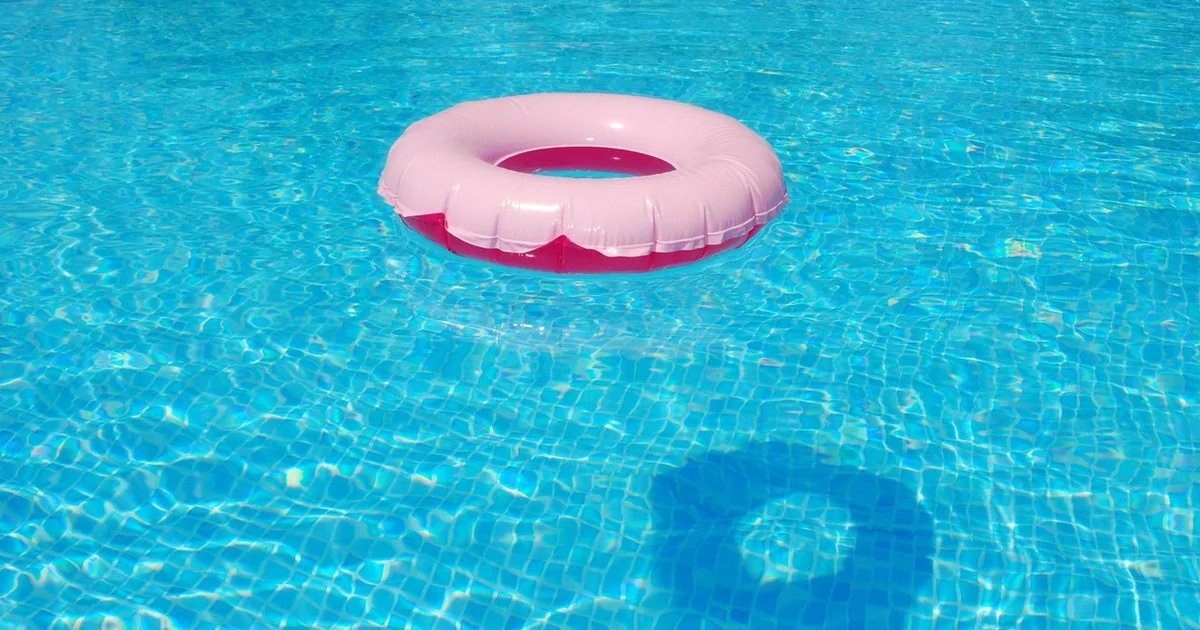
Nothing beats the joy of splashing with your little one on a warm summer day. Yet holding a wriggly baby for more than ten minutes soon turns into an arm‑aching workout. That is where modern baby pool floats step in. These clever devices let your infant float at arm’s length while you relax and enjoy quality time together. With vigilant adult supervision, they also help your baby grow comfortable in the water. If you are searching for the best baby pool floats to introduce your child to the pool safely, you have come to the right place. Below we dive deep into safety essentials, developmental readiness, and our top nine picks for 2026.
How to Use Baby Pool Floats Safely
Drowning remains among the leading causes of death for children between one and four years old. A baby pool float is never a substitute for an attentive caregiver. Alissa Magrum, interim executive director of the National Drowning Prevention Alliance (NDPA), stresses that any time a child is in a baby pool float, “they must have constant supervision and an undistracted adult must be in arm’s reach. Never leave them floating unattended, not even for a second.”
Only use floats in the shallow end of the pool. Take regular breaks so both you and your baby stay hydrated and alert. Magrum also reminds parents that “a recreational pool float is not a lifesaving device. A U.S. Coast Guard-approved personal flotation device (life jacket) is designed to keep the person above water.” Whenever children are in the pool, assign an undistracted adult to watch them in 20‑minute shifts. Early swim lessons, where kids learn to float, paddle, and reach for the wall, add an extra layer of protection.
When Can Babies Use Floats?
Instead of relying only on a baby’s age, look at their developmental stage. “Ensure that the child can hold their head up on their own before putting them in a pool float,” says Magrum, and that they “fit securely in the pool float.” Always match your child’s size to the weight and age range recommended by the manufacturer. Remember the golden rule: stay within arm’s reach and provide constant, undistracted adult supervision at all times.
Can Babies Use Swim Vests?
Babies are generally too young for most swim vests or water wings. Even toddlers should not depend on these items regularly, according to experts. The safest approach is to teach young children how to swim early, so they know what to do if they ever find themselves in water without any flotation device. A baby pool float is a fun water‑play tool, not a safety device.
top picks for the Best Baby Pool Floats of 2026
We evaluated dozens of models based on safety features, comfort, durability, and ease of use. Each of these nine floats has been carefully selected for different stages and preferences. Always pair your choice with vigilant supervision.
1. The Non‑Inflatable Foam Lounge Float
Why we like it: A float that never inflates means you never worry about leaks. Made of dense pearl foam wrapped in soft fabric, this model suits babies from 3 to 24 months (13 to 40 pounds). Your little one can recline on the water like a lounger or lean forward with legs dangling to practice kicking. The tail at the back acts as a leg rest in lounger mode and adds stability to prevent tipping. The UPF 50 sun canopy retracts and detaches when not needed.
But take note: This float costs more than inflatable alternatives and is bulkier to store. Dimensions are 20 by 19 inches, and it weighs just 2 pounds.
2. The Progressive Swim Float
Why we like it: many love products that grow with your child. This float offers four modes: baby boat mode for little ones 18 months and older, kid cruiser mode for steering practice, kick float mode for buoyant kicking, and finally a standalone kickboard. It transitions seamlessly from a super‑buoyant pool float to a training tool. Dimensions are 27 by 24 inches, and it weighs 6.6 pounds.
But take note: The recommended starting age is 18 months, so it is not suitable for younger infants.
3. The Inflatable Ring Float with Sunshade
Why we like it: Lightweight at only 1.7 pounds, this float inflates and deflates quickly. It rolls up easily for storage. The supportive mesh diaper‑style seat comes with an adjustable crotch strap for a secure fit. A mesh play area keeps toys close, and dual air chambers with childproof valves add safety. The UPF 50 sunshade retracts or removes completely.
But take note: The sunshade sometimes shifts out of position, requiring occasional adjustment. Recommended for ages 6 to 24 months, weight limit 33 pounds. Product dimensions are 36 by 36 inches.
4. The Animal‑Shaped Swim Trainer Ring
Why we like it: Bright colors and a friendly animal design (such as a turtle or whale) make water time fun. The ring has a wide base and a soft foam bottom that cradles the baby securely. Two adjustable backrests provide neck support, and the harness keeps the child from slipping out. It inflates with a wide opening for easy entry.
But take note: The foam bottom can take a while to dry fully, so store it in a ventilated area. Suitable from 9 to 36 months, weight limit 25 pounds.
5. The Baby Boat Float with Canopy
Why we like it: Shaped like a mini sailboat, this float gives your baby the feeling of riding a real vessel. It features a detachable sun canopy with UPF 50, a padded headrest, and a safety belt. The hull design keeps the float stable even when the baby moves. The material is heavy‑duty PVC that resists punctures.
You may also enjoy reading: 3 Reasons Parents Fear ‘Nightmare Upstairs’ Drops May 19 on Disney+.
But take note: The boat shape makes it slightly larger to store. Recommended from 12 to 24 months, weight limit 30 pounds.
6. The Mesh Seat Float with Adjustable Straps
Why we like it: This float uses a breathable mesh seat that supports the baby in a semi‑upright position. The adjustable straps fit snugly around the waist and between the legs. Two side rings provide extra buoyancy, and the front tray holds a small water toy. It inflates with a wide base that prevents tipping.
But take note: The mesh seat may stretch slightly over time; check straps before each use. Suitable from 6 to 18 months, weight limit 28 pounds.
7. The Otter‑Style Swim Vest Float
Why we like it: Unlike traditional swim vests, this design combines a front float panel and a back support panel that buckle around the torso. It allows babies to move their arms and legs freely while staying afloat. The soft foam panels are covered in neoprene for comfort. It also has a crotch strap for extra security.
But take note: This is more of a swim training aid than a true lounger. Best for babies 12 months and up who already have some head control. Weight limit 35 pounds.
8. The Inflatable Ring with Removable Seat
Why we like it: This classic ring float has a removable fabric seat that can be taken out for older toddlers to sit directly on the ring. The seat has a high back and a buckle. The ring includes two grab handles on the sides. It inflates quickly with a wide valve.
But take note: Without the seat, the ring is better suited for children over 18 months who can hold themselves steady. Suitable from 9 to 36 months, weight limit 22 pounds (with seat).
9. The Foam Block Swim Trainer Float
Why we like it: This design uses individual foam blocks strung together into a flexible platform. Babies can lie on their tummy or back while the blocks support their weight. The blocks are covered with a soft, quick‑drying fabric. The float can be folded for storage. The tail end provides extra buoyancy for the legs.
But take note: The foam blocks may separate if the string loosens; check the connections regularly. Suitable from 3 to 24 months, weight limit 15 pounds (may vary by model).
Whichever float you choose, remember that constant, focused adult supervision is non‑negotiable. A baby pool float is a tool for fun, not a safety device. Always keep an eye on your little one and enjoy those precious water moments together.