Navigating the Wonderful, and Sometimes Wild, World of Parenthood: A Curated List of the Best Parenting Books
Becoming a parent is a profound and transformative experience – a journey filled with immense joy, unexpected challenges, and a whole lot of learning. It’s easy to feel overwhelmed by the sheer volume of advice out there, conflicting opinions, and the constant pressure to “do it right.” But trust me, you don’t have to figure it all out alone. Many incredible books offer guidance, perspective, and a supportive voice throughout this incredible adventure. I’ve spent years exploring different parenting approaches, and I’ve compiled a list of the best parenting books that have genuinely helped me – and countless others – navigate the beautiful chaos of raising children. Let’s dive in!
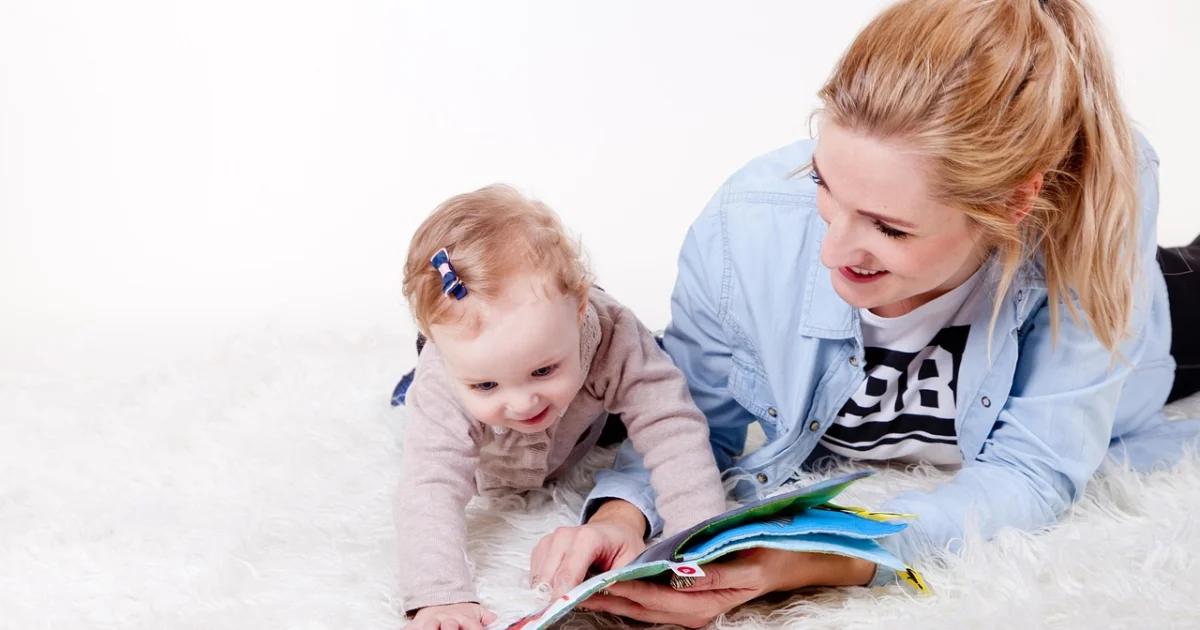
This article isn’t about finding a “perfect” parenting style; it’s about equipping you with tools and insights to cultivate a strong, loving, and resilient relationship with your child. We’ll explore books covering everything from brain development and emotional regulation to gentle discipline and navigating the unique challenges of fatherhood and motherhood. Consider this your resource guide for building a confident and fulfilling parenting journey.
Understanding Your Child’s Brain: The Foundation of Effective Parenting
Our understanding of child development has shifted dramatically in recent decades, and it’s profoundly impacted how we approach parenting. Gone are the days of relying solely on outdated disciplinary techniques. Today, we recognize that children’s brains are incredibly dynamic, especially during the early years. Daniel J. Siegel and Tina Payne Bryson’s “The Whole-Brain Child” is a cornerstone of this shift, offering a fascinating look at how a child’s brain develops and how our responses – both positive and negative – shape their emotional world. The book’s core concept, “name it to tame it,” is a particularly powerful technique. It’s based on the idea that when children are able to verbalize their emotions—even if they’re angry or frustrated—it helps them regulate their feelings and behavior. I remember trying it when my son was having a meltdown over a spilled cup of juice. Simply saying, “I see you’re really angry because your juice spilled,” gave him a sense of validation and helped him start to calm down. It was a total game-changer! This book focuses on teaching self-confidence. It helped me shift my mindset when I was so eager to teach it but struggled with negative emotions that delay the teaching process.
Siegel and Bryson explain that children’s brains are wired for connection, and that’s the foundation for healthy development. They advocate for empathy-informed parenting, which means trying to understand your child’s perspective, even when it’s difficult. Research shows that children who feel understood and validated are more likely to develop emotional resilience and healthy relationships. The book also delves into the concept of “co-regulation,” where parents help children learn to manage their emotions by providing a safe and supportive presence. It’s not about suppressing feelings; it’s about teaching children how to handle them constructively. The book provides concrete strategies for dealing with challenging behaviors – not by punishment, but by connection and understanding.
Gentle Parenting: A Shift in Approach
For many parents, the traditional approach to discipline – often involving punishment and control – can feel ineffective and even damaging. Gentle parenting offers a different perspective: one that prioritizes empathy, connection, and respect. “No-Drama Discipline” by Daniel J. Siegel and Tina Payne Bryson builds on the principles introduced in “The Whole-Brain Child,” providing practical tools for navigating challenging behaviors with grace and understanding. A favorite for many parents, this one really helped me understand how to handle discipline in a way that encourages connection. It’s about recognizing that children’s misbehavior is often a sign of unmet needs – whether it’s a need for attention, connection, or a way to express themselves.
This book emphasizes the importance of staying calm during conflict, setting clear boundaries, and responding to misbehavior with empathy and understanding. They advocate for “connection before correction,” meaning that you should first try to understand your child’s perspective before attempting to change their behavior. For example, instead of immediately scolding a child for throwing a toy, you might ask, “I see you’re really frustrated that you can’t have the toy right now. Let’s talk about it.” I’ve tried using the communication techniques outlined here, and let me tell you, it’s made a world of difference. It was a big help, especially when my oldest was going through a particularly stubborn phase!
Understanding Love Languages: Speaking Your Child’s Heart
Gary Chapman’s “The Five Love Languages” isn’t just for romantic relationships; it’s a powerful framework for understanding how children express and receive love. Each child has a primary “love language” – whether it’s words of affirmation, acts of service, receiving gifts, quality time, or physical touch. Understanding your child’s love language can dramatically improve your relationship and help you connect with them on a deeper level. A favorite of mine is the idea that children often need to hear that they are loved, not just see it. It’s about actively expressing your affection – telling them you love them, doing things for them that show you care, and spending quality time together.
Knowing my children’s love languages has been a huge help in making them feel loved in their unique ways. For my son, it’s often acts of service – helping him with a project or building something together. For my daughter, it’s quality time – reading books together or going for walks. And for my husband, it’s often words of affirmation – telling him how proud he is of his efforts. It’s a simple concept, but it’s made a profound difference in our family dynamics. It was a different but very welcome book for a Roman Catholic like me.
Navigating the Transition to Parenthood: Resources for New Parents
The transition to parenthood is a huge shift – a complete upheaval of your life. It’s exciting, overwhelming, and often exhausting. Fortunately, there are many books specifically designed to help new parents navigate this challenging but rewarding journey. “Cribsheet” by Emily Oster offers a data-driven approach to baby care, debunking common myths and providing evidence-based advice. I loved how this book broke down all the baby advice into simple, research-backed explanations. It helped me relax a bit and go with the flow. It’s not about blindly following every piece of advice you hear; it’s about making informed decisions based on sound evidence.
You may also enjoy reading: 11 Eco-Friendly Gift Ideas That Will Make the Conscious Mom in Your Life Go Green.
Another invaluable resource is “The Happiest Baby on the Block” by Harvey Karp. This book introduced the “4 S’s” – swaddling, side-lying, shushing, and swinging – techniques that can help soothe a fussy baby and promote sleep. I had this one on my nightstand for the first year with each of my boys, and it was an absolute lifesaver. These techniques, like swaddling and “shushing,” worked wonders during those sleepless nights. The French approach to parenting, which gave me new perspectives on raising independent kids, presented in this book, was also a welcome addition.
Supporting Dads: Books for Expecting and New Fathers
Traditionally, parenting has often been viewed as a “mom’s job.” However, dads play a crucial role in a child’s development and well-being. Fortunately, there are now many books specifically geared towards helping dads navigate the challenges and joys of fatherhood. “Be Prepared” by Gary Greenberg and Jeannie Hayden is like a survival guide for new dads—perfect for the guy who wants to know the basics without the overwhelm. This book breaks down each stage of pregnancy from a dad’s point of view. A light-hearted, funny, yet practical guide that’s perfect for dads-to-be who want a laugh with their advice.
My husband found this book incredibly helpful when we were expecting our first. It’s about recognizing that fatherhood is a journey, not a destination, and that it’s okay to make mistakes. It’s about embracing the role of protector, provider, and role model. It’s also about finding ways to connect with your child and build a strong, loving relationship. Another faith-based book that presented how God would parent parents was an absolute humbling read.
Exploring Faith-Based Parenting
For many families, faith plays a central role in their lives and parenting approach. If you’re looking for guidance on integrating your faith into your parenting, these books can offer valuable insights. “A Faith-Centered Guide to Parenting” reminds parents to view challenges, victories, and everyday life through a spiritual lens. It’s about raising children who are not only good people but also grounded in their faith. This book encourages parents to pray for their children, teach them about God’s love, and model a life of faith. It’s not about imposing your beliefs on your children; it’s about creating a space where they can explore their faith and develop their own relationship with God.
Beyond the Basics: Specialized Parenting Books
As your children grow and develop, their needs will change. There are also books that address specific challenges and stages of parenting. For example, “Positive Discipline” by Jane Nelsen offers a comprehensive approach to guiding children’s behavior with respect and understanding. “How to Talk So Kids Will Listen & Listen So Kids Will Talk” by Adele Faber and Elaine Mazlish is a classic resource for improving communication with children.
Remember, there’s no one-size-fits-all approach to parenting. What works for one family may not work for another. The key is to find books and approaches that resonate with you and your values. And don’t be afraid to experiment, learn, and adapt as your children grow and change. Ultimately, the goal is to raise happy, healthy, and well-adjusted children who are confident in themselves and capable of navigating the world with kindness and compassion.