Transform Your Bathroom with a Pop of Color: Inspired by Erin Napier
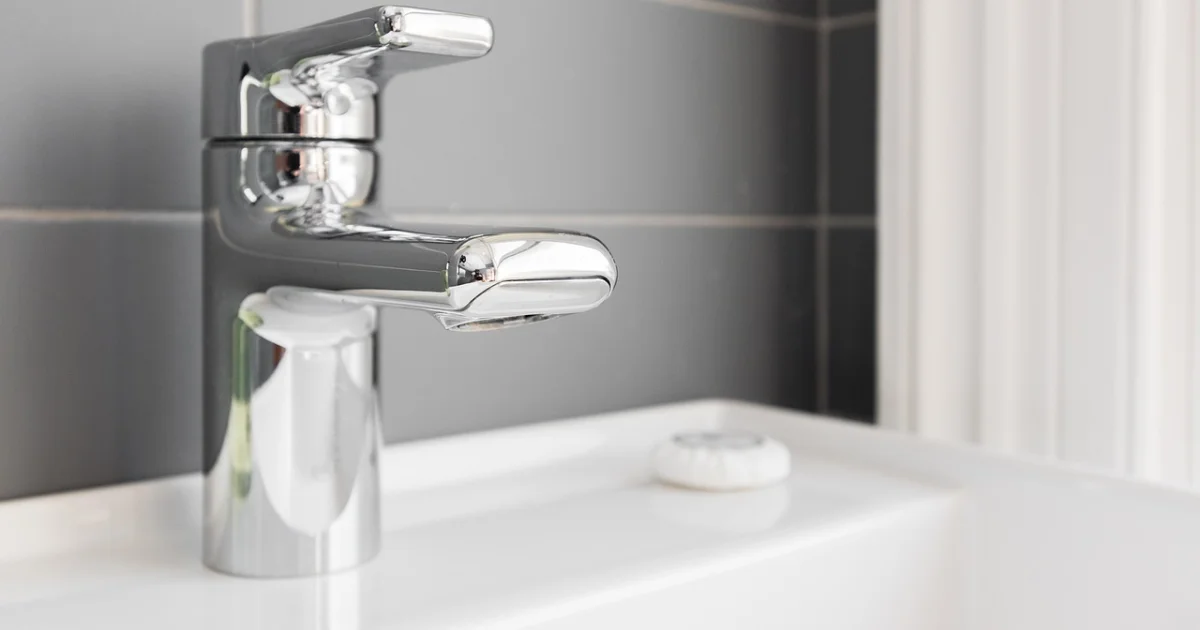
We often focus on the grand gestures of home renovation – a new kitchen island, a sprawling addition, or a complete living room overhaul. But sometimes, the most impactful changes come from surprisingly simple swaps. HGTV’s Erin Napier understands this perfectly, and her advice – to simply replace tired, white bathroom fixtures with something a little more vibrant – is a masterclass in instant style. It’s a strategy that can breathe new life into a space, adding a touch of personality and a surprising amount of visual interest. Let’s delve into how this seemingly small change can make a big difference, exploring the history of colorful bathroom fixtures, how to choose the right shades, and how to seamlessly integrate them into your existing bathroom aesthetic. This isn’t about a full-blown remodel; it’s about a strategic refresh, and it’s a concept that resonates deeply with Napier’s signature approach to revitalizing historic homes.
The Colorful History of Bathroom Fixtures
The idea of colorful bathroom fixtures might seem like a relatively recent trend, but the history of adding personality to this often-overlooked space stretches back further than you might think. While white and chrome have long been the dominant choices, the 1920s saw the rise of pastel shades – think soft pinks, blues, and greens – as a way to introduce a touch of elegance and femininity into the burgeoning Art Deco movement. These fixtures were a subtle yet effective way to add a pop of color without overwhelming the space. Fast forward to the 1970s, and we witnessed a dramatic shift towards bolder, more vibrant colors. Avocado green, harvest gold, and burnt orange toilets and sinks were all the rage, reflecting the era’s embrace of maximalism and a playful, retro aesthetic. The popularity of these hues was fueled by advancements in manufacturing and a willingness to experiment with new materials and finishes. However, as trends inevitably do, these bright colors eventually fell out of favor, leading to a period of predominantly white and neutral bathrooms. But as we’ve seen recently, vintage trends are enjoying a well-deserved revival, and pastel and muted colors are now back in vogue, mirroring a broader shift in interior design towards a more calming and sophisticated palette. The current trend leans heavily toward soothing tones – peach, sage, and dusty rose – offering a more subtle and versatile approach than the bolder shades of the past. Interestingly, the precise psychological effect of color in bathrooms has been studied extensively; for instance, research has shown that blue can be incredibly calming, while green is often associated with nature and tranquility.
Reader Scenarios: How to Incorporate Colorful Fixtures
Let’s consider a few hypothetical scenarios to illustrate how this simple swap can work in different bathroom contexts. Imagine a reader renovating a small, outdated bathroom and wants a quick, affordable update. Replacing the existing white toilet and sink with a pair of peach-toned fixtures could instantly brighten the space and create a more inviting atmosphere. It’s a relatively inexpensive change that yields a significant visual impact. For someone who has a traditionally styled bathroom and is hesitant to make bold changes, what’s a safe way to introduce color? A muted sage green bathtub or vanity set could be a beautiful way to subtly update the space without disrupting the existing aesthetic. Consider a homeowner facing a limited budget for a bathroom remodel – how can colorful fixtures offer a significant impact? A single, vibrant faucet or even a colorful toilet seat can be a surprisingly effective way to inject personality into the room. It’s a concentrated dose of color that doesn’t require a major investment. Finally, imagine a reader who wants to create a spa-like atmosphere in their bathroom using color. Soft blues and greens, known for their calming properties, would be ideal choices, creating a serene and relaxing space. The key is to select shades that evoke a sense of tranquility and well-being.
Questions and Answers: Addressing Common Concerns
Let’s tackle some common questions that might arise when considering this swap. What if I already have white fixtures and am worried about the cost of replacing them all? Replacing all your fixtures at once can be a significant investment. However, you don’t necessarily need to do it all at once. Start with a single fixture, such as a faucet or toilet seat, and gradually replace others as your budget allows. Consider purchasing coordinating accessories, like soap dispensers and towel racks, in a complementary color to create a cohesive look. How do I determine which color palette will complement my existing bathroom décor? Begin by assessing the existing color scheme in your bathroom. Look at the tiles, vanity, and any artwork or accessories. Choose a fixture color that harmonizes with these existing elements, rather than clashing with them. Neutrals like gray, beige, and white offer a versatile backdrop for a wider range of colors. Why does the popularity of bathroom fixture colors seem to cycle through different decades? This phenomenon is largely driven by broader trends in interior design and fashion. As design trends evolve, so do the colors that are considered stylish and desirable. The cyclical nature of color trends reflects a desire for novelty and a reaction against previous styles. What if I’m not sure how to coordinate the color of my fixtures with the tile or vanity? Start with the tile. It’s often the most dominant element in the room and should serve as your guide. Choose a fixture color that complements the tile’s color and pattern. If you have a busy tile pattern, opt for a more muted fixture color to avoid overwhelming the space. A simple test is to hold a paint chip representing the fixture color next to the tile to see if they harmonize visually. Consider the undertones of the tile and vanity. For example, a warm-toned tile might pair well with brass or copper fixtures, while a cool-toned tile might look better with chrome or stainless steel.
Beyond the Swap: Integrating Colorful Fixtures into Different Bathroom Styles
While swapping out fixtures is a simple and effective way to add color, there are other ways to incorporate colorful elements into your bathroom design. Consider incorporating colorful towels, bath mats, and shower curtains to complement your new fixtures. A vibrant rug can also add a pop of color and warmth to the space. If you’re aiming for a more eclectic look, consider adding colorful artwork or accessories, such as a ceramic soap dish or a vibrant plant. The key is to create a cohesive look that reflects your personal style. Let’s talk about specific styles. In a traditional bathroom, a porcelain sink and faucet in a creamy white or pale yellow could create a timeless and elegant look. For a modern bathroom, a sleek, chrome faucet paired with a bold, geometric tile could create a striking contrast. A farmhouse bathroom might benefit from vintage-inspired fixtures in a distressed finish, such as a robin’s egg blue sink and faucet. Even in a minimalist bathroom, a single, colorful fixture can add a touch of personality and break up the monotony of white surfaces. Don’t overlook the details – a colorful toothbrush holder or a patterned soap dish can make a big difference.
You may also enjoy reading: Creative Decorating Ideas With Books.
Color Psychology in the Bathroom: Creating the Right Mood
The color of your bathroom fixtures can have a significant impact on the mood of the space. Blue, for example, is often associated with calmness and serenity, making it an ideal choice for a master bathroom or a spa-like retreat. Green is linked to nature and tranquility, creating a refreshing and restorative atmosphere. Yellow can boost mood and create a cheerful and optimistic space, although it’s important to use it sparingly to avoid overwhelming the room. Purple is associated with royalty and luxury, creating a sophisticated and indulgent feel. Orange can be energizing and stimulating, while pink can be calming and romantic. It’s important to consider the overall color scheme of your bathroom when choosing fixtures. For example, if you have a predominantly blue bathroom, you might opt for fixtures in a lighter shade of blue or a complementary color, such as gray or white. If you have a predominantly neutral bathroom, you can experiment with bolder fixture colors to add a pop of personality. Ultimately, the best color for your bathroom fixtures will depend on your personal preferences and the desired mood of the space. Research has shown that certain colors can even affect our perceived time – a blue room might feel longer, while a yellow room might feel shorter – a subtle but important consideration when designing your bathroom.
Sustainable Considerations: Choosing Eco-Friendly Fixtures
When selecting colorful bathroom fixtures, it’s also important to consider sustainability. Look for fixtures made from recycled materials or sourced from companies committed to environmentally responsible practices. Consider the longevity of the fixtures – investing in high-quality, durable fixtures can reduce the need for replacements, minimizing waste. Water-efficient fixtures can also help conserve water, reducing your environmental impact. Many manufacturers now offer a range of eco-friendly fixtures in a variety of colors. Look for certifications such as WaterSense, which indicates that the fixture meets strict water efficiency standards. Supporting companies that prioritize sustainability can help you create a beautiful and environmentally conscious bathroom.
Expanding on the Trend: Current and Future Color Palettes
The current trend towards muted and pastel colors is likely to continue in the coming years. Peach, sage, and dusty rose are expected to remain popular choices for bathroom fixtures, offering a sophisticated and calming aesthetic. However, we’re also seeing a resurgence of bolder colors, such as terracotta and ochre, adding a touch of warmth and earthiness to the space. The trend towards maximalism is also influencing bathroom design, with homeowners embracing eclectic color palettes and mixing and matching different styles. Don’t be afraid to experiment with unexpected combinations of colors and textures to create a truly unique and personalized space. The key is to balance boldness with restraint, creating a space that feels both stylish and comfortable. Furthermore, consider the impact of new materials – textured ceramics and matte finishes are gaining popularity, offering a tactile and visually interesting alternative to traditional glossy surfaces. The future of bathroom fixtures is likely to be characterized by a greater emphasis on sustainability, personalization, and innovative design.