Transforming Trash to Treasure: Giving Old Mason Jar Lids a New Life in Your Garden
The satisfying clink of glass jars, the promise of homegrown vegetables – gardening offers a wonderful connection to nature and a rewarding sense of accomplishment. But amidst the joy of planting and nurturing, a common frustration arises: remembering which seedling is which! Luckily, there’s a surprisingly simple and eco-friendly solution readily available in your recycling bin – old Mason jar lids. This project not only tackles a practical gardening challenge but also embraces the principles of upcycling, turning discarded items into charming, functional garden markers. Let’s explore how to breathe new life into these humble lids and create a beautifully organized and easily navigable garden space.
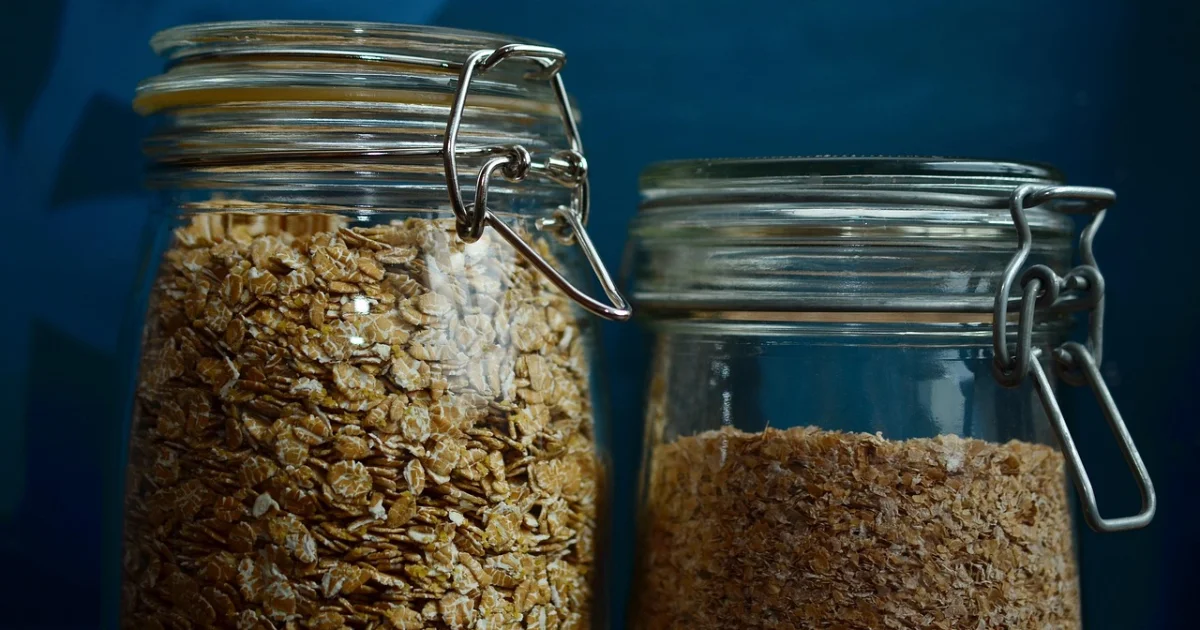
The concept is remarkably straightforward, yet the potential for personalization is vast. We’ll delve into the materials you’ll need, the techniques for preparing your lids, and a range of creative label ideas – from rustic handwritten labels to professionally printed designs. Beyond the immediate benefit of plant identification, this project demonstrates a mindful approach to reducing waste and adds a touch of handcrafted charm to your outdoor oasis. Let’s get started!
Gathering Your Supplies: The Essentials for Lid Transformation
Before you dive into the creative process, it’s crucial to assemble the necessary tools and materials. You’ll likely have many of these items already, adding to the project’s affordability. Here’s a breakdown of what you’ll need:
- Old Mason Jar Lids: Obviously! Collect a generous supply – you’ll likely need more than you think, depending on the size of your garden.
- Wooden or Metal Picks: These provide a sturdy base for your garden markers. Bamboo skewers, dowels, or even sturdy twigs can work well. Consider the length needed – aim for 6-8 inches for most plants.
- Outdoor Mod Podge (or a Similar Adhesive): Mod Podge is a popular choice due to its water resistance and ability to adhere to various surfaces. However, alternatives like E6000 (known for its durability) or a waterproof acrylic sealant can also be effective. The key is to select an adhesive formulated for outdoor use.
- Labels: This is where your creativity shines! Options include:
- Paper Labels: Cardstock, scrapbook paper, or even printed images are excellent choices.
- Permanent Markers: For a rustic, handwritten look.
- Vinyl Stickers: Durable and easy to apply.
- Scissors or a Craft Knife: For cutting labels to size.
- Sandpaper (Optional): To smooth out any rough edges on the lids.
- Drill or Nail and Hammer (Optional): For creating a hole in the lid for attaching the pick.
Preparing Your Mason Jar Lids: A Step-by-Step Guide
The condition of your lids will significantly impact the final outcome. While weathered lids add a charming patina, heavily rusted lids might require a little extra attention. Here’s how to prepare them for label application:
- Cleaning: Thoroughly wash the lids with warm, soapy water to remove any dirt or residue.
- Smoothing (Optional): If the lids have rough edges, gently sand them down with sandpaper.
- Rust Removal (If Necessary): For lids with significant rust, you can try scrubbing them with a steel wool pad and a rust remover. Alternatively, a paste of baking soda and water can help neutralize rust. Allow the lids to dry completely after treatment.
- Applying Mod Podge (or Adhesive): Apply a thin, even coat of Mod Podge to the flat surface of the lid. This creates a smooth base for your label to adhere to. Allow this coat to dry completely – this is crucial for a strong bond.
Labeling Options: From Simple to Sophisticated
The beauty of this project lies in its adaptability. You can tailor the labels to your personal style and the specific needs of your garden. Here are several labeling strategies:
Handwritten Labels: A Rustic Touch
For a truly organic look, simply write the plant name directly onto the lid using a permanent marker. Choose a bold, legible font and consider adding a small illustration or symbol alongside the name. This method is incredibly budget-friendly and allows for a highly personalized touch. The charm of handwritten labels perfectly complements a cottage-style garden or a vegetable patch with a rustic feel.
Printed Labels: Precision and Professionalism
If you prefer a more polished appearance, print your labels on cardstock or sticker paper. You can create custom designs featuring botanical illustrations, plant names in various fonts, or even a simple color-coded system. Using a laser printer ensures crisp, clean lettering that will withstand the elements. Consider using a consistent font and color scheme for a cohesive look throughout your garden. The use of a 300 DPI image resolution when printing will ensure the labels remain clear and legible even when magnified.
Paper Labels with Mod Podge: A Layered Look
Cut out shapes from scrapbook paper or create custom images. Adhere these to the lid using Mod Podge, layering different designs to create a visually interesting effect. This technique is particularly suitable for themed gardens, such as a herb garden with labels featuring botanical illustrations. Layering different shades of green in the paper can further enhance the realistic look of the plants.
Using Vinyl Stickers: Durability and Ease of Application
Vinyl stickers offer a durable and weatherproof option for labeling your plants. They’re easy to apply and remove, making them ideal for gardens where plant placement may change over time. Choose a vinyl sticker with a glossy finish for added protection against the elements. Consider investing in a vinyl cutter for creating custom shapes and designs – this will elevate the look of your garden markers considerably.
Securing the Pick: Creating a Stable Stake
Once your label is securely attached, it’s time to create a hole in the lid to attach the pick. This ensures that the marker stands upright and doesn’t topple over in the wind. Here’s how:
- Drilling (Recommended): Use a drill with a small drill bit to create a hole in the center of the lid.
- Nail and Hammer (Alternative): Carefully hammer a nail through the center of the lid, creating a small hole.
Insert the wooden or metal pick through the hole, ensuring it’s securely attached. You can use glue to further secure the pick if desired. The length of the pick should be sufficient to provide stability in the soil, but not so long that it becomes cumbersome.
Addressing Common Challenges: Troubleshooting Your Lid Markers
Let’s tackle a few potential issues you might encounter during this project:
You may also enjoy reading: 7 Essential Steps to Grow Massive Potatoes: The Ultimate Complete Care Guide.
What if the Metal Lids Are Rusty?
As mentioned earlier, rust can be a problem. Scrubbing with steel wool and a rust remover is an effective solution. Alternatively, a paste of baking soda and water can neutralize rust. Allow the lids to dry completely before applying the labels.
How Do I Ensure the Labels Don’t Peel Off in Wet Weather?
Choosing the right adhesive is paramount. Opt for an outdoor-rated adhesive like Mod Podge, E6000, or a waterproof acrylic sealant. Applying multiple coats of Mod Podge and allowing each coat to dry completely will significantly improve the label’s durability. Consider applying a clear spray sealer after the label is dry to provide an extra layer of protection.
Why Does Mod Podge Need to Be Applied in Multiple Coats for Outdoor Use?
Mod Podge’s initial coat provides a base for the label to adhere to. Subsequent coats create a protective barrier against moisture, UV rays, and other environmental factors that can cause the label to peel or fade. Applying at least three coats is recommended for optimal durability.
What if I Don’t Have Outdoor Mod Podge? Are There Alternatives That Would Work?
Yes! E6000 is a popular alternative known for its superior durability and water resistance. Waterproof acrylic sealants are another excellent option. Ensure that the adhesive you choose is specifically formulated for outdoor use and can withstand exposure to the elements.
Expanding the Possibilities: Adapting the Technique for Seed Starting
This technique isn’t limited to marking established plants. You can adapt it for marking seeds before planting! Simply write the seed name on the lid and plant it directly into the soil. As the seedling grows, the label will guide you to identify it. This is a particularly helpful tip for gardeners who grow a wide variety of seeds.
Beyond the Basics: Creative Variations and Customization
Once you’ve mastered the basic technique, feel free to experiment with different materials and designs. Consider using recycled materials beyond paper for creating labels, such as fabric scraps or old maps. Explore different color combinations and fonts to create a truly unique garden aesthetic. You can even incorporate decorative elements like beads or sequins to add a touch of sparkle to your garden markers.
Conclusion: A Sustainable and Stylish Solution
Transforming old Mason jar lids into practical garden markers is a simple, affordable, and environmentally friendly project that adds a touch of personality to your outdoor space. By following these steps and embracing your creativity, you can create a beautifully organized and easily navigable garden that celebrates the beauty of nature while minimizing waste. So, the next time you’re about to toss out a few old lids, remember – they might just have a new life waiting for them in your garden!