Finding Flight: How Bird Watching Became My Neighborhood Connection
The world shifted dramatically in early 2020. Suddenly, routines crumbled, and the familiar comfort of our neighborhood felt miles away. For me, a stay-at-home mom juggling a preschooler and the anxieties of a global pandemic, the initial weeks were marked by a profound sense of isolation. I found myself staring out the window, a strange mix of longing and unease swirling within me. It was during this time, while observing the resilient birds in our tree-lined Chicago neighborhood – the robins diligently collecting scraps, the sparrows gossiping on the powerlines – that I discovered a surprising source of solace and a renewed appreciation for the simple joys of connection. It wasn’t a grand, sweeping change, but a quiet shift in perspective, fueled by a desire to break free from the confines of my own thoughts and find a thread to weave into the fabric of my new reality. The experience highlighted a fundamental human need – the need for community – and unexpectedly, it led me to explore a passion I never anticipated: bird watching.
My journey began with a simple observation, a wistful glance at the familiar feathered faces that frequented our yard. I envied their seemingly effortless connection, their ability to thrive within a communal structure. The family spent ten months as a unit of three before Jack returned to preschool, and that period of intense togetherness underscored the importance of shared experiences and the subtle ways in which we build bonds. As the initial restrictions eased, the sight of our neighbors’ children playing together daily sparked a bittersweet feeling – a longing for the social interactions we’d temporarily lost. It was a reminder that even amidst the uncertainty and fear, the desire for connection remained a powerful force.
Seven Ways Bird Watching Reconnected My Neighborhood
Initially, my interest in birds was purely observational, a passive way to fill the long hours of lockdown. But as I spent more time watching them, a deeper connection began to form, not just with the birds themselves, but with the people around me. Here’s how observing our feathered neighbors transformed my relationship with my community:
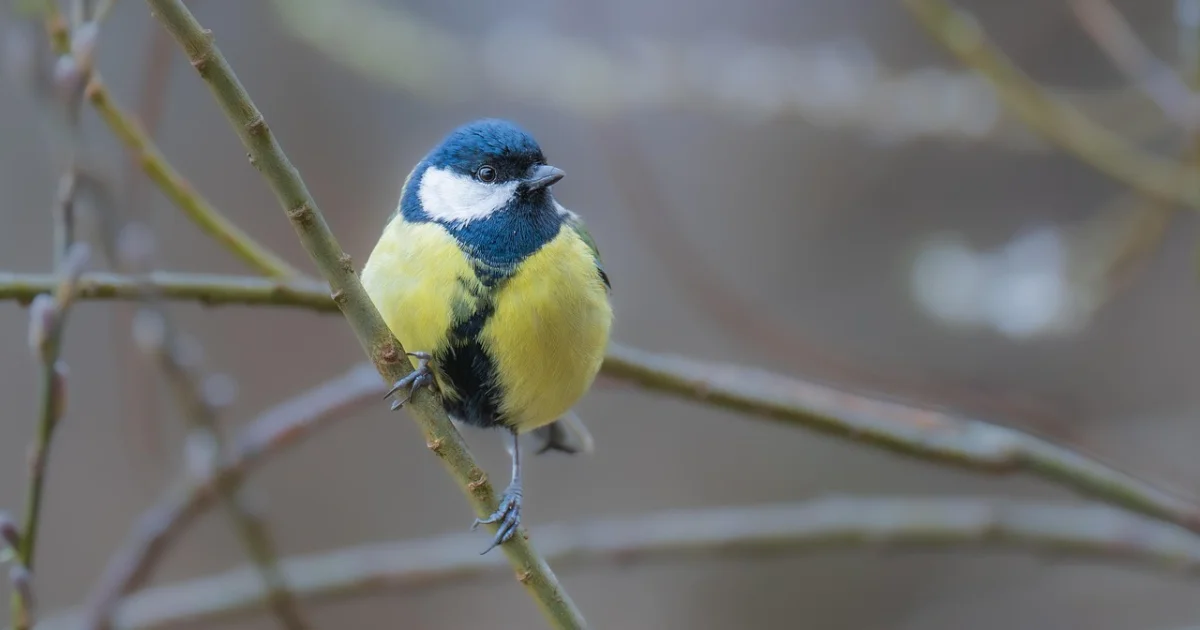
- The Spark of Curiosity: Identifying the Players. My initial bird watching was a bit aimless. I’d simply sit and watch, trying to identify the different species. It quickly became apparent that even a basic understanding of bird identification required a little research. Thankfully, there are fantastic apps like Merlin Bird ID by Cornell Lab of Ornithology that can identify birds by sight or sound. Discovering the difference between a robin and a sparrow, a cardinal and a chickadee, felt like unlocking a secret language – a way to understand the intricate workings of our little ecosystem. The sheer variety of birds in our neighborhood – blue jays, mourning doves, woodpeckers – was surprisingly abundant, a testament to the green spaces that exist even in an urban setting. I learned that the red color of a male cardinal isn’t just a vibrant hue; it’s a signal of health and vitality, a visual declaration of his attractiveness to potential mates.
- The Shared Observation: Neighborhood Conversations. One afternoon, I was perched on my neighbor Sarah’s picnic table, trying to identify a particularly bold blue jay when she joined me. We started chatting about the birds, and soon the conversation broadened to encompass our shared experiences during the pandemic – the challenges of homeschooling, the anxieties about the virus, and the unexpected joys of finding new ways to connect with our neighbors. It was a spontaneous moment of connection, sparked by a mutual interest in the natural world. Sarah mentioned she’d been leading a local bird watching group, and I was immediately intrigued. It turned out that many neighbors were also seeking ways to engage with their community, and the birds provided a surprisingly effective common ground.
- The Pod of Neighbors: Building Bridges. As summer arrived, a ‘pod’ of families formed in our neighborhood, a group of neighbors who decided to socialize together, adhering to safety guidelines. Initially, I was hesitant to join, still wary of prolonged social interaction. However, observing the children playing together – the laughter, the games, the sheer joy of being together – stirred something within me. The sight of their carefree play contrasted sharply with my own feelings of loneliness, and I realized that I couldn’t let my anxieties prevent me from embracing opportunities for connection. It’s a fascinating phenomenon – “birds of a feather flock together” – and it’s a testament to our innate social instincts.
- The Gentle Invites: Stepping Outside My Comfort Zone. The initial invitations to join the pod were politely declined, but the persistence of my neighbors, coupled with my own growing desire for connection, eventually led me to accept one invitation. It was a small step, but it marked a significant turning point. The experience was surprisingly rewarding – a chance to catch up with old friends, make new acquaintances, and simply enjoy the company of others. I discovered that many of the moms I’d previously met through book club and cookie exchanges were also grappling with similar feelings of isolation, and we found comfort in sharing our experiences and supporting one another.
- The Little Moments: Observing Jack’s Connection. Watching my son, Jack, interact with his new playmates at the fence was incredibly heartwarming. He’d spend hours observing them, mimicking their games, and eventually, he began to join in the fun. It was a powerful reminder of the importance of play in fostering social skills and building connections. The fact that he was able to form friendships, even during a time of social distancing, was a testament to his resilience and his innate ability to connect with others. It also highlighted the impact that isolation can have on children, and the importance of providing them with opportunities for social interaction.
- The Local Ecology: Understanding Our Environment. Through bird watching, I began to appreciate the beauty and complexity of our local ecosystem. I learned about the importance of native plants and trees, the role of birds in pollination and seed dispersal, and the interconnectedness of all living things. It shifted my perspective from viewing our neighborhood as simply a collection of houses and streets to seeing it as a vibrant, thriving habitat for a diverse range of species. Understanding the needs of the birds – their access to food, water, and shelter – prompted me to take steps to create a more bird-friendly environment in my own yard, planting native shrubs and providing a source of fresh water.
- The Shared Joy: A Renewed Appreciation for Simple Pleasures. Perhaps the most profound impact of bird watching has been its ability to restore my sense of joy and wonder. In a world that often feels overwhelming and chaotic, the simple act of observing a bird soaring through the sky or a robin foraging in the grass has been a source of solace and peace. It’s a reminder to slow down, appreciate the beauty of the natural world, and find joy in the simple pleasures of life. The fleeting beauty of a hummingbird’s wings beating at 53 times per second is a remarkable thing.
The Science Behind Bird Watching and Well-being
Beyond the personal benefits I’ve experienced, there’s a growing body of scientific research that supports the positive impact of spending time in nature. Studies have shown that bird watching can reduce stress, lower blood pressure, improve mood, and enhance cognitive function. Research conducted by the University of Exeter, for example, found that even a short period of bird watching can significantly reduce levels of the stress hormone cortisol. The act of focusing on the details of a bird – its plumage, its behavior, its song – requires a level of attention that can help to quiet the mind and reduce anxiety. This focused attention is a form of mindfulness, which has been shown to have numerous mental health benefits.
Furthermore, connecting with nature can boost our levels of serotonin, a neurotransmitter that plays a key role in regulating mood and promoting feelings of happiness. Exposure to natural light can also increase levels of vitamin D, which is essential for overall health and well-being. Interestingly, the act of identifying birds and learning about their habits can also stimulate our brains, keeping us mentally active and engaged. The Cornell Lab of Ornithology, a leading research institution in the field of bird conservation, has developed numerous resources to help people of all ages and skill levels learn about birds and enjoy the benefits of bird watching. Their Merlin Bird ID app, as mentioned earlier, is a particularly valuable tool for beginners. It’s estimated that over 40 million Americans regularly engage in bird watching, highlighting the widespread appeal of this activity and its potential to improve people’s lives.
The phenomenon of “biophilia,” coined by biologist E.O. Wilson, suggests that humans have an innate connection to nature. We evolved alongside animals and plants, and our brains are wired to respond positively to natural environments. Spending time in nature can trigger a sense of calm, comfort, and belonging, reminding us of our place within the larger web of life. Even a brief glimpse of a cardinal perched on a branch can evoke a feeling of nostalgia and connection to the natural world.
Beyond the Backyard: Expanding Your Bird Watching Horizons
While observing birds in my own neighborhood has been immensely rewarding, I’ve also been exploring opportunities to expand my bird watching horizons. Joining a local bird watching group has introduced me to a wider range of bird species and habitats. We’ve participated in guided walks through local parks and nature reserves, learning about the ecology of different ecosystems and the challenges facing bird populations. I’ve also started volunteering with a local conservation organization, assisting with habitat restoration projects and monitoring bird populations.
You may also enjoy reading: 5 Shocking Moments That Made Us Wonder: Did We Lose the Plot at BookCon 2026?.
For those interested in taking their bird watching to the next level, there are numerous resources available. The National Audubon Society offers a wealth of information on bird identification, conservation, and bird watching techniques. Local bird watching clubs and organizations can provide opportunities to connect with other bird enthusiasts and participate in group outings. Online bird watching forums and social media groups can offer a platform for sharing observations, asking questions, and learning from others. Furthermore, exploring different habitats – forests, wetlands, grasslands, and coastal areas – can expose you to a wider variety of bird species. Even a short trip to a nearby state park can be a rewarding experience for bird watchers.
It’s also important to consider ethical bird watching practices. Respecting birds’ habitat, minimizing disturbance, and avoiding the use of artificial light or sound can help to ensure that bird watching remains a sustainable activity. Supporting conservation organizations and advocating for policies that protect bird populations are also crucial steps in safeguarding the future of these magnificent creatures.
Interestingly, the hummingbird’s need to consume up to 50 percent of its body weight in nectar underscores the delicate balance of ecosystems. Their rapid wing beats—at least 53 times per second—demand a constant supply of energy, highlighting the importance of maintaining healthy floral resources. These tiny creatures, traveling distances of up to 500 miles in search of sweetness, represent a microcosm of our own need for connection and sustenance.
I recently returned from a trip to St. Louis, and the diversity of bird species I encountered there was astounding. The Gateway Arch National Park is a haven for migratory birds, and I spent hours observing various species – warblers, thrushes, and sparrows – as they rested and refueled. It was a reminder that bird watching is not limited to a specific geographic location; it’s a global pursuit that can be enjoyed anywhere in the world. The family’s relocation to St. Louis provided a new landscape for exploring this passion.
Looking back on my journey from isolation to renewed connection, I realize that bird watching has been more than just a hobby; it’s been a lifeline. It’s a reminder that even in the darkest of times, there is beauty to be found, connection to be forged, and joy to be experienced. And it all started with a simple observation – a glimpse of a robin in my own backyard.