When Jennifer Lopez steps out, the fashion world takes notes. This week, the star was spotted in a crisp white and beige ensemble, but it wasn’t her top or trousers that caught attention — it was her footwear. Instead of the expected classic black pump, she chose a sleek cognac-brown heel with a glossy finish. It was a masterclass in subtle rebellion. Why reach for black when brown can deliver the same polish with a dose of warmth? This moment sparked a larger conversation about the brown heels vs black debate, and the reasons to consider the former are more compelling than you might think.
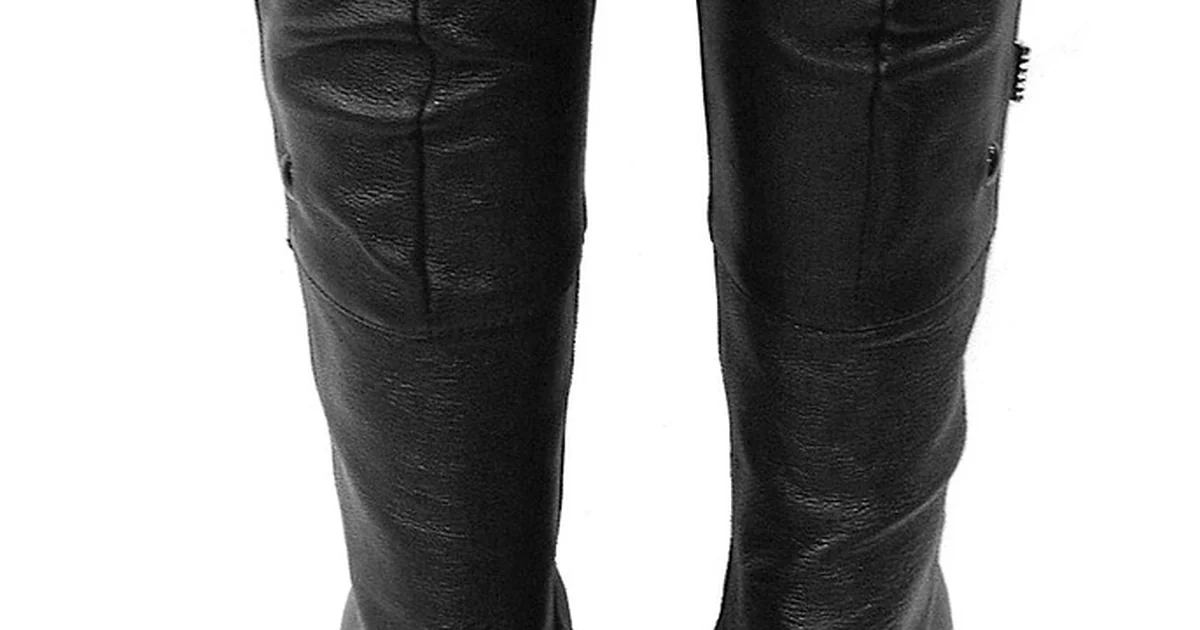
Why Jennifer Lopez Chose Brown Over Black
JLo’s outfit was light, airy, and summer-ready. Black heels would have anchored the look, yes, but they might have felt stark against the soft palette. The cognac-brown pair she wore added depth while preserving the lightness. The glossy leather finish echoed the sophistication of black but brought a directional, almost vintage charm. It’s the kind of choice that says: I know neutrals deeply. She proved that brown can be just as elegant — and sometimes even more interesting.
Brown heels are not just a seasonal gimmick. They function as a year-round neutral that bridges the gap between too casual and too severe. To understand why they often outperform black, let’s break down five specific reasons.
5 Reasons Brown Heels Beat Black (And When to Choose Them)
1. Brown Adds Warmth Without Sacrificing Sophistication
Black is a master of drama and edge, but it can also feel cold. On bright days, black absorbs heat both visually and literally. Brown, by contrast, radiates a gentle warmth. Think of it as the difference between a black marble floor and a walnut wood one — both are refined, but wood invites you in.
Reader scenario: Imagine you’re attending a garden party in a floral dress. Black heels would compete with the colors. A rich chocolate or cognac heel harmonizes with the natural setting. The glow of brown complements greenery and sunlight.
Data point: According to color psychology studies, warm tones like brown are associated with reliability and comfort — qualities you want in a workhorse heel. Plus, a 2018 survey by a major fashion retailer found that 42% of women who owned both black and brown heels reached for brown more often during spring and summer.
2. Brown Is More Forgiving on Lighter and Warmer-Toned Outfits
White, cream, beige, and pastels are summer staples. Black against these can create a harsh line — a visual stop sign. Brown blends more gently. It provides contrast without interruption. For someone who builds a capsule wardrobe around warm tones (ivory, camel, rust), brown heels extend the color story instead of breaking it.
Practical tip: If your wardrobe leans toward cream and sand, try a medium-brown suede heel. It will read as an extension of your outfit, not an afterthought. For brown heels vs black on light outfits, brown wins almost every time.
3. Brown Heels Offer a Softer, More Approachable Professional Look
In many offices, black heels can feel severe. They signal authority, but sometimes you want to signal warmth and openness. A polished brown pump — think the classic Toteme Croc-Effect Leather Sandals — conveys competence without intimidation. It’s the difference between a boardroom and a collaborative brainstorming session.
Reader scenario: You have a client meeting where you need to be both credible and relatable. Black might say “I’m in charge.” Brown says “I’m here to solve problems together.” That subtle shift can change the energy of a conversation.
For the brown heels vs black professional dilemma: If your office dress code is formal, stick with black for strict suits. For smart-casual or creative environments, brown is the smarter choice.
4. Brown Expands Your Neutral Wardrobe Without Overhauling It
Many women own several pairs of black heels. Adding a brown pair immediately multiplies outfit combinations. You don’t need to buy new clothes. Brown works with black, white, navy, olive, and burgundy. It’s a neutral that plays well with others.
Problem: You have a closet full of black trousers and skirts. You think brown heels won’t match. Solution: They do — beautifully. The key is to treat brown as a member of your neutral family, not an intruder. Start with one versatile shade like caramel or espresso.
Mini data point: Stylists often recommend a ratio of 3 black to 1 brown heel for maximum versatility. But once you try brown, that ratio often shifts to 2:1.
5. Brown Suits a Wider Range of Skin Tones and Hair Colors
Black heels can look disconnected against very fair or very dark skin. Brown, because it comes in so many undertones (golden, reddish, cool taupe), can mimic the natural shadows of the foot and create a lengthening effect that feels organic.
You may also enjoy reading: 9 Reasons Claudia Li’s Parents Are Fashion Icons.
Reader scenario: If you have warm undertones in your skin or auburn/honey hair, black can look like an interruption. A warm-toned brown (like the AEYDE Olenna 65 Leather Thong Sandals in tan) extends your limb line seamlessly. For cooler undertones, a taupier brown works similarly.
Expert insight: In color theory, the contrast between heel and skin should be harmonious, not clashing. Brown offers a gradient of contrast that black’s single high-contrast note cannot match.
How to Style Brown Heels with Black Clothing (Without Clashing)
A common fear is that brown and black will fight each other. In reality, they can be best friends. The trick is to treat brown as an accent or to use a third piece to tie them together.
- Use a brown belt or bag: If you wear black pants and a brown heel, add a brown belt. This creates a cohesive line.
- Choose a brown with red or rust undertones: These shades bridge the gap between black and warm neutrals.
- Break it up with denim: Dark jeans, a black top, and brown heels is a classic off-duty look.
- Texture matters: A brown suede heel with a black leather outfit feels intentional. Mixing textures prevents a blocky look.
For the brown heels vs black pairing question, remember: brown and black are both neutrals. They don’t need to match; they need to coordinate.
The Best Shades of Brown for Versatility – A Quick Guide
Not all browns are created equal. To maximize wearability, choose shades that bridge the gap between warm and cool.
- Cognac: High-shine, works with every season. JLo’s choice. Pairs with white, cream, navy, and black.
- Espresso: Almost black but softer. Perfect for professional settings and evening wear.
- Taupe: Cool undertone, great for fair skin and gray-based outfits.
- Caramel: Warm and inviting. Best with olive, rust, and denim.
- Chocolate: Deep and rich, ideal for fall but works year-round with the right outfit.
Quick test: Hold the heel next to your go-to black trousers. If the brown looks drab, try a warmer tone. If it looks too bright, go darker. The right shade will make both colors sing.
Shop the Look: Brown Heels That Work for Every Occasion
To channel JLo’s effortless style, consider these options. Each brings a unique take on the brown heel trend.
- H&M Pointed Suede Slingbacks: The slingback trend continues. Great for day to night. Wear with a textured skirt or jeans.
- Reformation Jessie Block Heel Sandal: Block heels offer stability. Perfect for garden parties or brunch.
- Toteme Croc-Effect Leather Sandals: High-fashion texture. These sell out fast for good reason.
- Aeyde Elise Leather Slingback Sandals: Also available in burgundy. A modular neutral that works with prints.
- Stradivarius Leather Kitten Heel Mules: Suede gives an elevated edge. Ideal for work or date night.
- Anthropologie Dolce Vita Brevel Heeled Sandals: Chunky yet refined. Great for all-day wear.
- AEYDE Olenna 65 Leather Thong Sandals: A fashion-favorite silhouette. Minimalist and modern.
Each of these heels exemplifies the brown heels vs black advantage: they offer the same structure and polish but with a softer, more dimensional character.
Jennifer Lopez’s cognac heels weren’t just a style statement — they were a permission slip. Permission to embrace warm neutrals, to step away from the default black, and to discover a neutral that feels both new and timeless. The next time you reach for black, pause. Ask yourself if brown might serve you better. More often than you’d expect, the answer will be yes.