Have you ever walked past the bulk bins at your grocery store and wondered if bulk food shopping is right for you? Buying foods from bulk bins means you purchase exactly the amount you need, resulting in less waste and less packaging—a simple shift that can transform your budget, your kitchen, and the planet in ways you never expected.
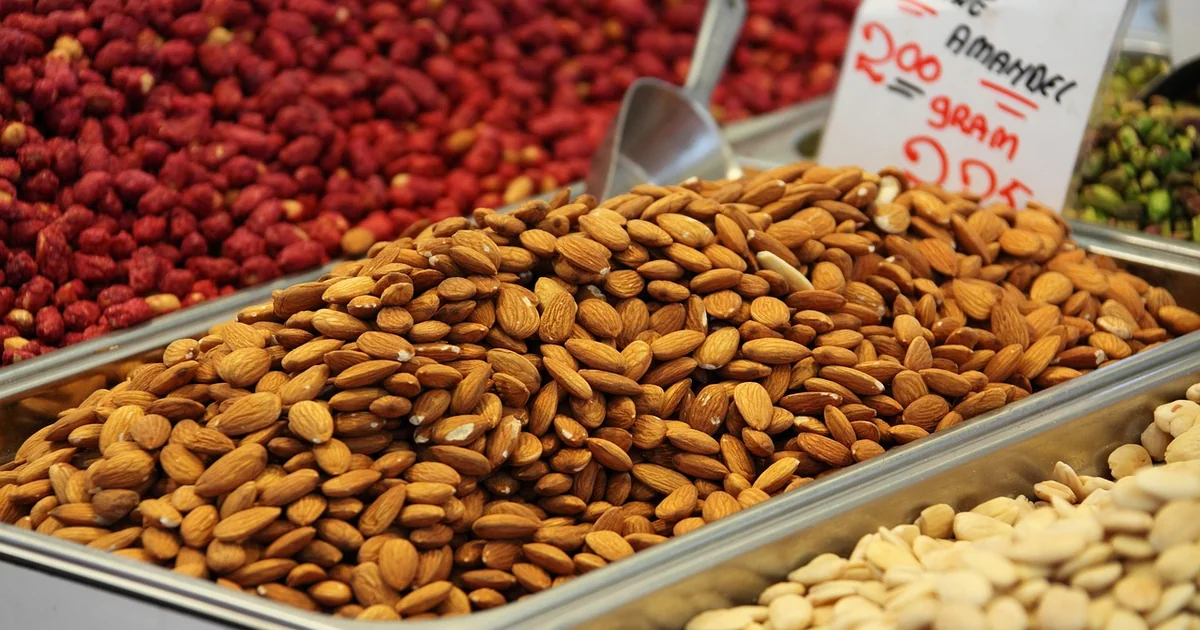
This article reveals five unexpected reasons to start buying in bulk today, covering bulk buying benefits, zero waste shopping, and sustainable grocery habits. Whether you live alone or with a busy family, these practical advantages may change how you think about your weekly grocery run.
1. Slash Your Grocery Bill by Up to 89%
If you think bulk food shopping is only for the wealthy, think again. Organic bulk foods on average cost 89% less than their packaged counterparts. That means you can fill your pantry with high-quality ingredients without blowing your budget. The key is to compare price per unit across bulk bins and boxed goods. When you buy in bulk, you often pay less per ounce or pound because you skip the packaging and marketing costs. Even if you live alone or in a small household, you can still enjoy these savings. Simply buy smaller amounts from bulk bins and store them properly to avoid waste. Many stores allow you to purchase as little as a cup of rice or a handful of nuts, so you get the lower price without committing to a giant bag. This approach makes budget grocery shopping both practical and low-waste. Start by checking the price per pound on bulk items versus packaged versions, and you will see the difference quickly. For singles, buying just what you need each week keeps your grocery bill low and your kitchen clutter-free. With a little planning, bulk food savings become a simple, welcoming part of your routine.
2. Drastically Reduce Your Environmental Footprint
Every time you choose bulk food shopping, you’re giving the planet a break. The connection is simple: less packaging means less waste piling up in landfills. But the benefits go even deeper. When you buy in bulk, you’re also supporting a more efficient transportation system. Items packed densely for bulk sale take up less space per portion, so trucks can deliver more food in a single trip. That translates directly into fewer emissions on the road.
To give you a sense of scale, freight trucks are responsible for almost 20% of all transportation-related fuel consumption and greenhouse gas emissions in the United States. By embracing bulk food shopping, you help reduce the demand for individually wrapped, lightly packed items that waste space in transit. The result? A noticeably lower carbon footprint grocery routine that quietly adds up over time. It’s a small shift in how you shop, but it makes sustainable food transport a daily reality. Green shopping habits like these are practical, welcoming, and genuinely good for the earth.
3. Save Time and Transportation Costs
Beyond the environmental perks you just read about, bulk food shopping also saves you something precious: time. When you buy larger quantities less often, you make fewer trips to the store. That means less time stuck in traffic, fewer impulse purchases, and more hours for the things that matter — family, hobbies, or simply relaxing. Fewer car trips also trim your gas expenses, a quiet saving that adds up month after month. And there’s a bonus: less driving means a smaller carbon footprint, making time saving grocery shopping a genuinely green habit. You conserve energy each time you skip a run to the market, so bulk buying supports both your wallet and the planet.
To get the most out of this approach, pair bulk shopping with a simple meal plan. When you know what you’ll cook for the week, you can buy the right amounts of staples — rice, pasta, beans, spices — in bulk without worrying about waste. This meal planning with bulk strategy ensures every pound of oats or bag of lentils gets used, reducing food waste while maximizing your savings. For practical tips for reducing trips to the store, start by designating one shopping day every two weeks. Keep a running list of pantry items you use often, and restock them in bulk on that single outing. Over time, you’ll notice fewer last-minute dashes and more calm in your kitchen routine. Energy conservation shopping isn’t just a concept — it becomes a natural part of your weekly rhythm, freeing up your schedule and your budget.
4. Discover Hidden Bulk Sections Everywhere
You don’t need a specialty store—bulk bins are hiding in plain sight at many conventional grocery stores. Many health food stores already have dedicated bulk aisles where you can scoop oatmeal, grains, nuts, and snack foods into your own containers. But the options don’t stop there. Most conventional grocery stores don’t have large bulk sections, but they usually offer at least a bulk coffee bean section where you can fill bags or bring your own jar. Keep your eyes open: grocery store bulk sections are becoming more common as retailers respond to customer demand for less packaging. You might also find bulk bins for dried fruit, granola, or even spices tucked away in natural foods corners. Beyond these spots, pay attention to the growing trend of concentrated products. Some everyday items are now sold in concentrated forms to reduce packaging waste and energy consumption. Look for concentrated laundry detergents, cleaning sprays, or personal care items that let you mix the formula at home. This approach not only cuts down on plastic but also lowers the weight of your shopping trip, making bulk food shopping a practical habit wherever you shop.
Lesetipp: In unserem Beitrag 5 Things That Happen When You Mow Without a Lawn Mower Bag finden Sie weitere praktische Anregungen.
5. Master Storage and Avoid Spoilage Like a Pro
Worried about food going bad? With the right strategies, bulk shopping can actually reduce waste, not increase it. The key is learning how to manage your purchases before they expire. Start by investing in a few good containers for bulk food, such as airtight glass jars or BPA-free plastic bins. These keep dry goods like rice, pasta, and oats fresh for months. Label each container with the purchase date and estimated expiration date so you always know what to use first. For beginners, it is smart to focus on non-perishable items that have a long shelf life, which makes spoilage much less likely.
One downside of bulk food shopping is the higher upfront cost, but you can overcome this with budget bulk buying. Begin by buying just one or two items you already use frequently. This keeps your initial investment low and lets you test your storage system. Another practical tip is to rotate your stock: place newer items behind older ones so you always grab the soonest-to-expire first. With these simple bulk food storage tips, you will prevent food spoilage and save money over time. Start small, store smart, and enjoy the confidence of a well-organized pantry that supports your family without waste.
Frequently Asked Questions
How does buying in bulk actually save me money?
Bulk food shopping typically lowers the cost per unit because you are not paying for individual packaging or brand marketing. By buying larger quantities of non-perishable items, you can stretch your grocery budget further while reducing the number of shopping trips. Start with pantry staples like rice, pasta, and oats to see the savings add up.
Is bulk shopping cost-effective if I live alone or have a small household?
Yes, bulk food shopping can still be budget-friendly for small households if you focus on items you use regularly and that have a long shelf life. Simply portion out the larger package into smaller, airtight containers and freeze anything you won’t use quickly. This approach prevents waste while still giving you the per-unit savings.
What should I consider before I start buying in bulk, like storage and expiration dates?
Before you begin bulk food shopping, check that you have enough dry, cool storage space for items such as grains, beans, or spices. Always note the expiration date and only buy quantities your household can reasonably finish before that date passes. A simple rule is to purchase only what you can store comfortably and use within a few months.