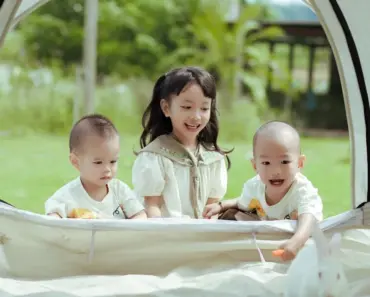
Raising emotionally intelligent children is a cornerstone of a happy and thriving family. But let’s be honest, navigating the rollercoaster of childhood emotions – the sudden outbursts, the overwhelming anxiety, the persistent frustration – can feel incredibly challenging. It’s a common struggle for parents, often feeling like we’re constantly reacting instead of responding. The good news? Developing strong emotional regulation skills in your children isn’t about suppressing feelings; it’s about equipping them with the tools to understand, manage, and express those feelings in healthy ways. This isn’t a quick fix; it’s an ongoing process of teaching, modeling, and providing a safe space for exploration. We’re going to explore 75 science-backed calm down strategies for kids—a comprehensive toolkit designed to help your child navigate their emotions with greater ease and resilience. And to help you get started, we’ve created a free printable of 75 calming techniques you can access right now! (Link included – affiliate link).

What makes this list of calm down strategies for kids different? Unlike generic lists, these techniques are grounded in the neuroscience of emotional regulation. They’re not just feel-good activities; they’re specifically chosen because they tap into how a child’s brain responds to stress and intense emotion. Furthermore, they incorporate co-regulation – the vital need for a child to feel connected and supported by a caregiver – which is key to helping them return to a state of calm. Finally, many strategies utilize physical movement, providing calming and organizing sensory input to the brain and nervous system. Ready to dive in? Let’s explore!
1. Breathe – The Foundation of Calm
Breathing exercises for kids are arguably the quickest and most efficient way to disengage your child’s limb system and decrease stress. Their bodies naturally respond to stress by activating the “fight or flight” response, which can lead to physical symptoms like a racing heart, tense muscles, and difficulty focusing. Deep, slow breathing activates the parasympathetic nervous system, the “rest and digest” system, effectively counteracting the effects of stress. Start with simple techniques like box breathing (inhale for 4 seconds, hold for 4 seconds, exhale for 4 seconds, hold for 4 seconds) or “smell the flowers, blow out the candles.” Even just a few deep breaths can make a noticeable difference. The key is consistency – encourage your child to practice breathing exercises throughout the day, especially when they start to feel overwhelmed.
2. Cuddle with a Warm Compress
The comforting pressure of a warm compress can work wonders for a child’s nervous system. This simple act triggers a release of oxytocin, often called the “cuddle hormone,” which promotes feelings of safety, connection, and relaxation. Choose a cute animal-shaped compress for extra appeal! It’s a tactile sensory experience that provides proprioceptive input – stimulation of the muscles and joints – which can be incredibly grounding for children who crave physical comfort. Pairing it with a cuddle elevates the effect even further, making it a powerful combination for calming down.
3. Play/Cuddle with a Pet
Interacting with a pet offers a multitude of benefits for emotional regulation. Studies have shown that petting an animal can lower cortisol levels (the stress hormone) and increase levels of serotonin and dopamine (neurotransmitters associated with happiness and well-being). The rhythmic movement of petting, combined with the unconditional love and acceptance a pet provides, creates a sense of safety and security. If your family doesn’t have a pet, consider visiting a local animal shelter or volunteering at a rescue organization – the experience can be incredibly calming for children.
4. Write a Letter
Writing a letter, even if it’s never sent, can be a surprisingly effective way to process difficult emotions. It provides a structured outlet for expressing feelings that might be too overwhelming to put into words verbally. Encourage your child to write to someone they’d like to share their feelings with, or about a challenging topic or situation. It’s a fantastic way to help them externalize their emotions and gain a new perspective. This activity also subtly encourages mindful expression and communication skills.
5. Breathe in a Favorite Scent
The sense of smell is powerfully linked to the limbic system, the part of the brain responsible for emotions and memories. Introducing a favorite scent – lavender, chamomile, vanilla – can quickly shift a child’s mood. Essential oils, when used safely and diluted appropriately, are a fantastic tool for this. The brain’s olfactory center overlaps with areas that control emotions, so scent has a major impact on our emotions. Always consult with a pediatrician before using essential oils around children. A few drops in a diffuser or a calming spray can create a soothing atmosphere.
6. Count Your Heartbeats
This simple technique grounds your child in the present moment, diverting their attention from overwhelming thoughts and feelings. Have them place their hand on their chest and listen carefully to the rhythm of their heartbeat. Counting the beats can be a surprisingly calming activity, as it focuses their attention on a tangible, repetitive sensation. It’s a fantastic way to introduce mindfulness practices to young children.
7. Get Wrapped Up Tight in a Blanket Like a Burrito
This creates a sense of security and containment, mimicking the feeling of being held by a caregiver. The pressure of the blanket provides proprioceptive input, which can be incredibly calming for children who crave physical comfort. It’s a simple, yet effective way to create a feeling of safety and reduce anxiety. This is particularly helpful for children who struggle with feeling overwhelmed or insecure.
8. Tell a Grown-Up What You Need
Sometimes, a child’s overwhelming emotion is simply a signal that they need support. Encourage them to verbalize their needs – “I’m feeling frustrated,” “I need a hug,” “I need a break.” Teaching children to identify and express their needs is a crucial step in developing emotional regulation skills. Validate their feelings – “It’s okay to feel frustrated,” “I understand why you’re upset” – and offer support in whatever way they need.
9. Draw/Color What Your Feelings Would Look Like
Visual expression can be a powerful tool for processing emotions. Encourage your child to draw or color a picture of how their feelings look, feel, or sound. There are no right or wrong answers – the goal is to provide a creative outlet for expressing their inner experience. This activity can help them gain insight into their emotions and develop a vocabulary for describing them.
10. Squeeze Something – Squishies, Putty, or Clay
This taps into the principle of proprioceptive sensory input – the sense of the body in space. Squeezing something provides a deep, calming pressure to the muscles and joints, which can be incredibly grounding for children who crave physical comfort. Choose squishies, putty, or clay that are safe and durable. The repetitive action of squeezing can also be meditative and calming.
11. Do Animal Walks (Bear, Crab, Frog Jumps etc.)
Movement is a powerful way to release pent-up energy and regulate emotions. Animal walks provide a playful and engaging way to incorporate movement into calming strategies. Encourage your child to imitate the movements of different animals – bear crawls, crab walks, frog jumps – to stimulate their body and release tension. It’s a fun way to get moving and regulate emotions simultaneously.
12. ‘Yell Your Anger’ Into a Pillow/Blanket/Sleeve
This provides a safe and controlled outlet for expressing anger without harming anyone. Allow your child to “yell” or scream into a pillow, blanket, or even their own sleeve. This can help them release pent-up frustration and aggression. Make sure they understand that it’s okay to feel angry, but it’s not okay to hurt others. Model healthy ways of expressing anger yourself.
13. Watch an Animal (Especially Calming Ones)
Animal watching is a great way to teach mindfulness with kids. Focusing on the movement and behavior of an animal can help them shift their attention away from their own worries and anxieties. Choose calming animals – a slow-moving sloth, a gentle lamb, or a peaceful fish – to maximize the calming effect. This activity can be particularly helpful for children who struggle with attention or impulsivity.
14. Make a Fort to Hide In
Forts create a sense of safety, security, and privacy – a miniature world where your child can retreat from overwhelming emotions. Building a fort together can be a bonding experience, and spending time inside the fort can be incredibly calming. Use blankets, pillows, chairs, and anything else you can find to create a cozy and inviting space.
15. Cuddle Up with a Cozy Blanket
Similar to getting wrapped up in a blanket like a burrito, cuddling up with a cozy blanket provides a sense of comfort and security. Choose a soft, warm blanket that your child loves. Snuggle up together and read a book, watch a movie, or simply enjoy each other’s company. The physical closeness and warmth can be incredibly calming.
16. Do a Handstand (with Supervision!)
Inversion (or hanging upside down) is a proven technique that quickly affects the autonomic nervous system, slowing down the body’s stress response. Important: This activity should always be done with careful supervision and in a safe environment. It’s best to start with assisted handstands, where you provide support to help your child maintain balance. The proprioceptive input from the inverted position is incredibly calming. It’s a more advanced technique, but can be a powerful tool for managing anxiety.
17. Try a Short Guided Meditation for Kids
Numerous apps and online resources offer short, guided meditations specifically designed for children. These meditations can help them focus their attention, calm their minds, and develop a sense of inner peace. Start with just a few minutes and gradually increase the duration as your child becomes more comfortable. Headspace and Smiling Mind are two popular options.
18. Listen to Calming Music
Music has a profound impact on emotions. Choose calming music – classical music, nature sounds, or instrumental music – that your child enjoys. Listening to music can help them relax, reduce anxiety, and improve their mood. Create a playlist of calming songs that they can listen to whenever they need to unwind.
19. Look at a Rainbow
The vibrant colors of a rainbow can be incredibly uplifting and calming. Point out a rainbow in the sky or find a rainbow image online. Encourage your child to focus on the colors and appreciate their beauty. This simple activity can help shift their attention away from negative thoughts and feelings.
20. Trace Shapes with Your Finger
The repetitive motion of tracing shapes with your finger can be soothing and grounding. You can trace shapes on a table, a piece of paper, or even your child’s back. This activity engages the senses and helps them focus on the present moment.
21. Stare at a Bubbling Bath
The mesmerizing movement of bubbles can be incredibly calming and hypnotic. Encourage your child to simply stare at the bubbles and watch them float and pop. This activity can help them relax and release tension.
22. Play with Water
Playing with water – splashing, pouring, or simply watching water flow – can be surprisingly calming. The tactile sensation of water and the rhythmic movement can be grounding and relaxing.
23. Build with Blocks
Building with blocks provides a sense of accomplishment and focus. It can be a great way to channel frustration and anxiety into a creative activity.
24. Coloring with Crayons
Similar to drawing, coloring with crayons provides a creative outlet and can help children process their emotions.
25. Play with Play-Doh
The tactile sensation of molding and shaping Play-Doh can be incredibly calming and grounding.
26. Practice Yoga Poses
Simple yoga poses, like child’s pose or downward-facing dog, can help children release tension and improve their flexibility.
27. Read a Calming Story
Reading a soothing story can transport your child to a peaceful place and help them relax.
28. Listen to Nature Sounds
Nature sounds – rain, ocean waves, birdsong – can be incredibly calming and restorative.
29. Take a Deep Breath and Say “Slow”
Combine breathing exercises with a verbal cue – “Slow.” This helps your child focus on the rhythm of their breath and slow down their heart rate.
30. Look at Pictures of Animals
Similar to watching animals, looking at pictures of animals can be calming and grounding.
31. Give Yourself a Hug
Modeling self-soothing behavior is crucial. Give yourself a hug and say, “This feels good.”
32. Squeeze a Stress Ball
Another great proprioceptive activity – squeezing a stress ball can be a quick and easy way to release tension.
33. Do a Sensory Walk
Engage your child’s senses during a walk – notice the colors, textures, smells, and sounds around you.
34. Practice Gratitude
Encourage your child to think of three things they are grateful for. This helps shift their focus to the positive.
35. Sing a Favorite Song
Singing can be a fun and relaxing way to release emotions.
36. Dance to Music
Movement and music combined can be a powerful combination for emotional regulation.
37. Build a Den
Creating a cozy den provides a sense of safety and security.
38. Trace a Pattern with Your Finger
The repetitive motion of tracing a pattern can be calming and grounding.
39. Look at a Plant
Observing the growth and beauty of a plant can be a calming and meditative experience.
40. Wash Your Hands
The repetitive motion of washing hands can be surprisingly calming.
41. Blow Bubbles
The act of blowing bubbles requires focus and coordination, providing a distraction from overwhelming emotions.
42. Play with Kinetic Sand
The tactile sensation of kinetic sand can be calming and grounding.
43. Make a Collage
Creating a collage provides a creative outlet and can help children process their emotions.
44. Trace Your Body Outline with Your Finger
This is a grounding exercise that helps children connect with their physical bodies.
45. Play with Water Beads
Similar to kinetic sand, water beads provide a tactile sensory experience that can be calming. Important: Supervise closely to prevent swallowing.
You may also enjoy reading: Why I Pack 3 Essential Sunscreens for Every Weekend Getaway.
46. Listen to White Noise
White noise can mask distracting sounds and create a calming environment.
47. Practice Deep Breathing with a Visual Cue (e.g., a balloon inflating and deflating)
Make breathing exercises more engaging with a visual aid.
48. Give Yourself a Hand Massage
Modeling self-care is important. A simple hand massage can be a calming and grounding experience.
49. Look at Clouds
Cloud watching can be a relaxing and imaginative activity.
50. Do a Puzzle
Puzzles require focus and concentration, providing a distraction from overwhelming emotions.
51. Play with Legos
Building with Legos provides a sense of accomplishment and focus.
52. Create a “Calm Down Corner” in Your Home
Designate a specific area in your home as a calm-down space, stocked with calming items like blankets, pillows, books, and fidget toys.
53. Practice Progressive Muscle Relaxation
This technique involves tensing and relaxing different muscle groups in the body to release tension.
54. Use Affirmations
Encourage your child to repeat positive affirmations, such as “I am strong,” “I am capable,” “I am loved.”
55. Engage in a Quiet Activity, Like Coloring or Drawing
Providing a quiet activity can help children calm down and focus.
56. Look at a Picture of Their Favorite Animal
Focusing on a beloved animal can be a soothing experience.
57. Do a Simple Breathing Exercise – “Belly Breathing”
Encourage your child to place their hand on their belly and breathe deeply, feeling it rise and fall.
58. Listen to a Calming Podcast for Kids
There are many podcasts designed to help children relax and manage their emotions.
59. Practice Mindfulness – Focusing on the Senses
Have your child describe what they see, hear, smell, taste, and touch – helping them stay grounded in the present moment.
60. Play with Play Dough
The tactile sensation of play dough can be calming and grounding.
61. Create a Sensory Jar
Fill a jar with rice, beads, or other small objects and seal it tightly. Shaking the jar can be a calming sensory experience.
62. Draw a Picture of a Happy Place
Encourage your child to draw a picture of a place where they feel safe and happy.
63. Read a Book About Emotions
Help your child learn about different emotions and how to manage them.
64. Practice Self-Compassion – Remind Yourself That It’s Okay to Feel Overwhelmed
Modeling self-compassion is crucial – remind yourself that it’s okay to feel overwhelmed and that you’re doing your best.
65. Take a Short Break from the Situation
If your child is struggling to calm down, take a short break from the situation to give them (and yourself) a chance to regroup.
66. Use a Timer – Set a Time Limit for a Task
Breaking down tasks into smaller, manageable chunks can help children feel less overwhelmed.
67. Offer a Hug and Words of Encouragement
Physical touch and positive reinforcement can be incredibly calming and reassuring.
68. Create a “Calm Down Kit” with Their Favorite Items
Include items like a favorite stuffed animal, a stress ball, a coloring book, or a calming essential oil.
69. Practice Visualization – Imagine a Peaceful Place
Guide your child to imagine a peaceful place where they feel safe and happy.
70. Sing a Familiar Song Together
Singing together can be a comforting and bonding experience.
71. Offer a Quiet Space for Them to Retreat To
Ensure your child has a designated quiet space where they can go when they need to unwind.
72. Validate Their Feelings – “It’s Okay to Feel That Way”
Acknowledging and validating your child’s feelings is crucial – let them know that it’s okay to feel whatever they’re feeling.
73. Teach Them to Identify Their Emotions
Help your child learn to recognize and name their emotions.
74. Role-Play Different Scenarios
Practice different scenarios with your child and role-play how they can respond calmly.
75. Be a Role Model – Demonstrate Healthy Ways of Managing Your Own Emotions
Children learn by observing their parents – model healthy ways of managing your own emotions.
(Link to printable of 75 calming techniques – affiliate link)